


Call 2024
business pipeline
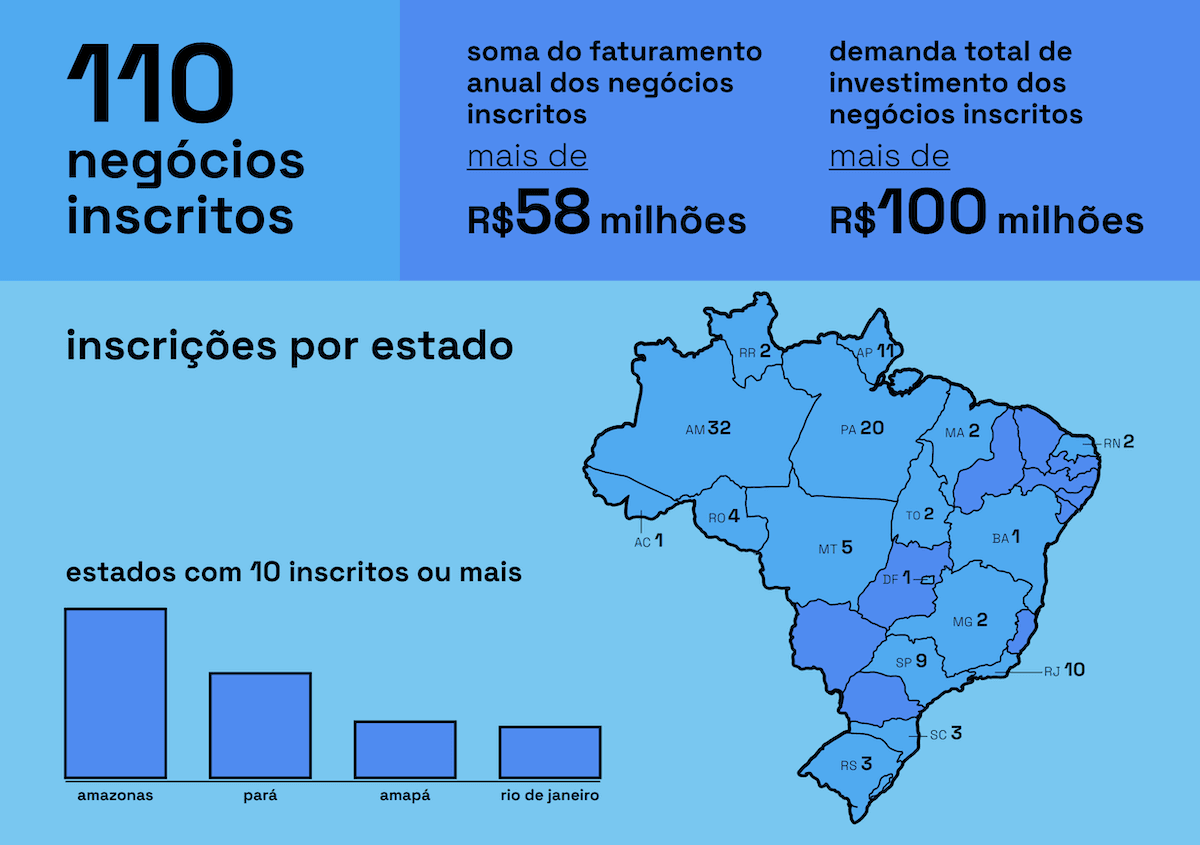
Businesses registered in Amazon's 2024 Call demand more
R$ 100 million investment
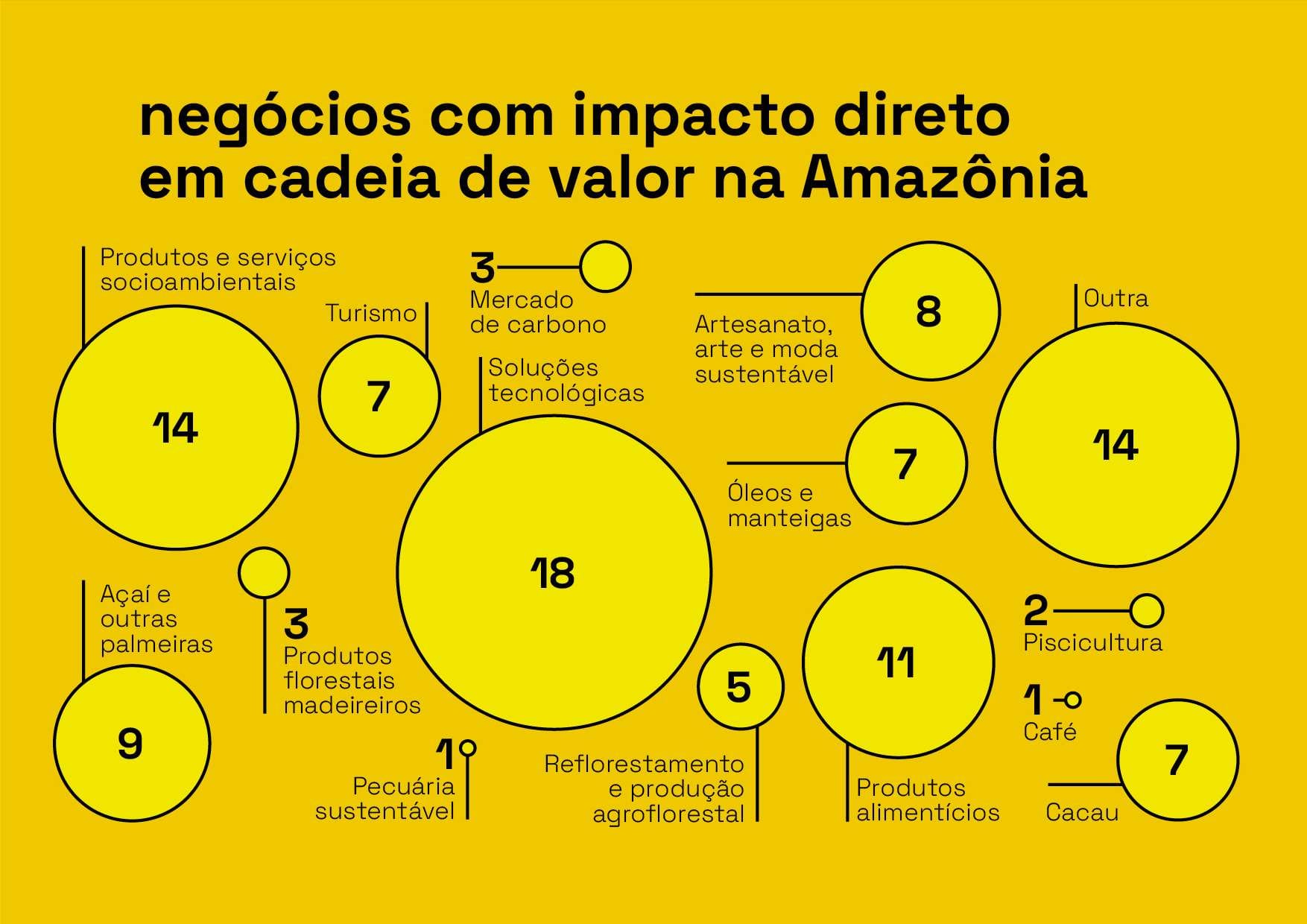
Registered initiatives mobilize chains of socio-environmental products and services, technological solutions, crafts, art and sustainable fashion, food products, oils and butter, among others.
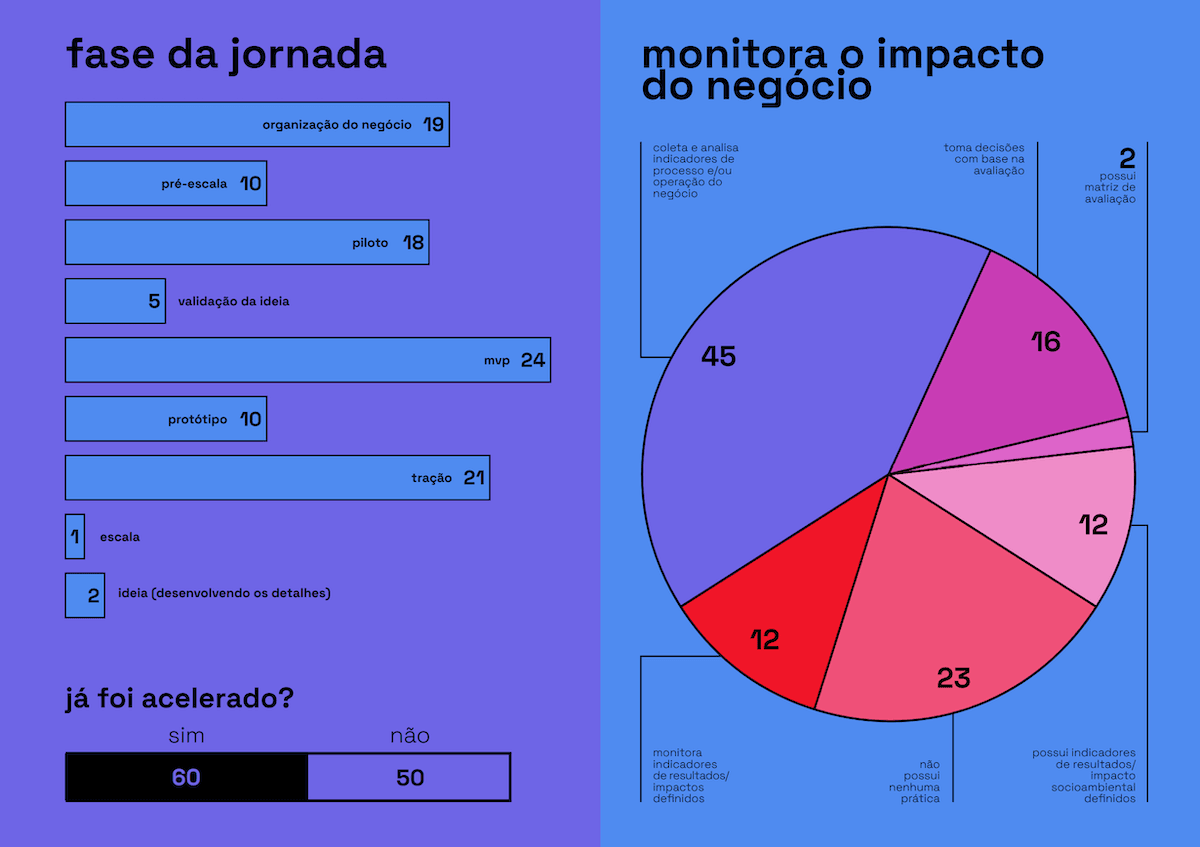
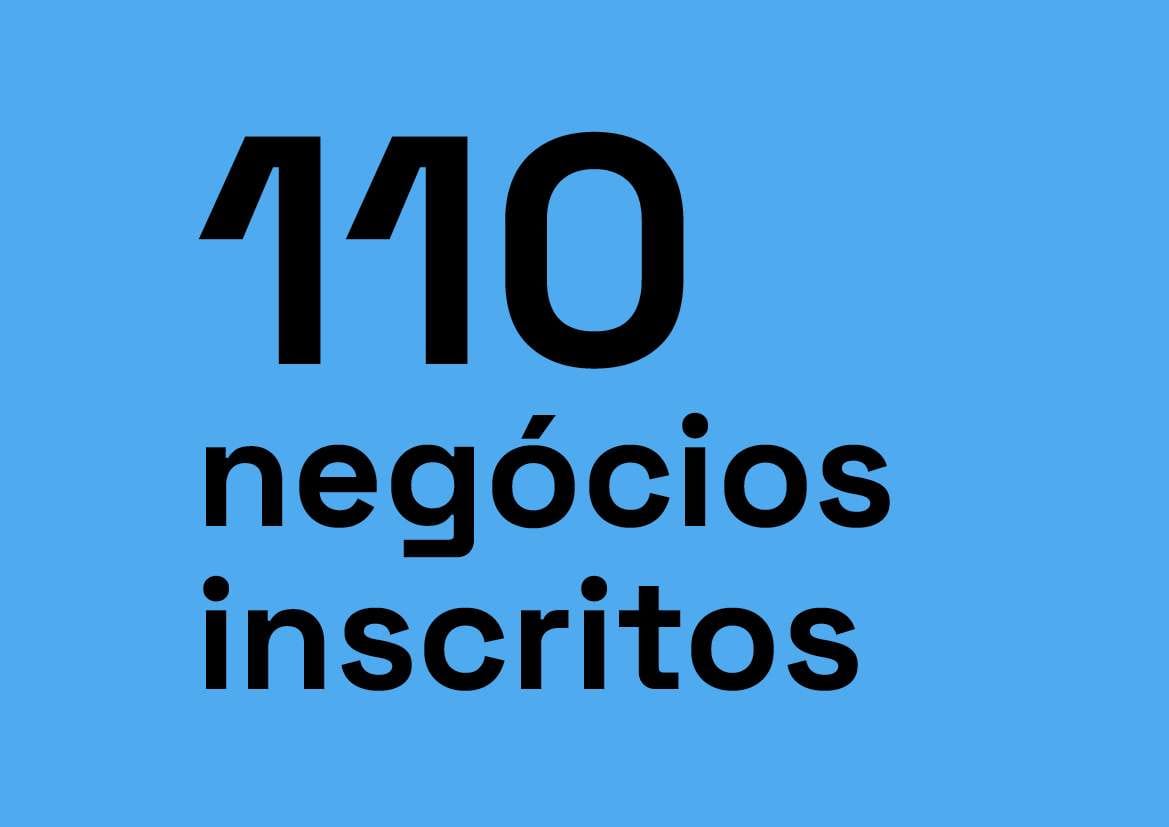
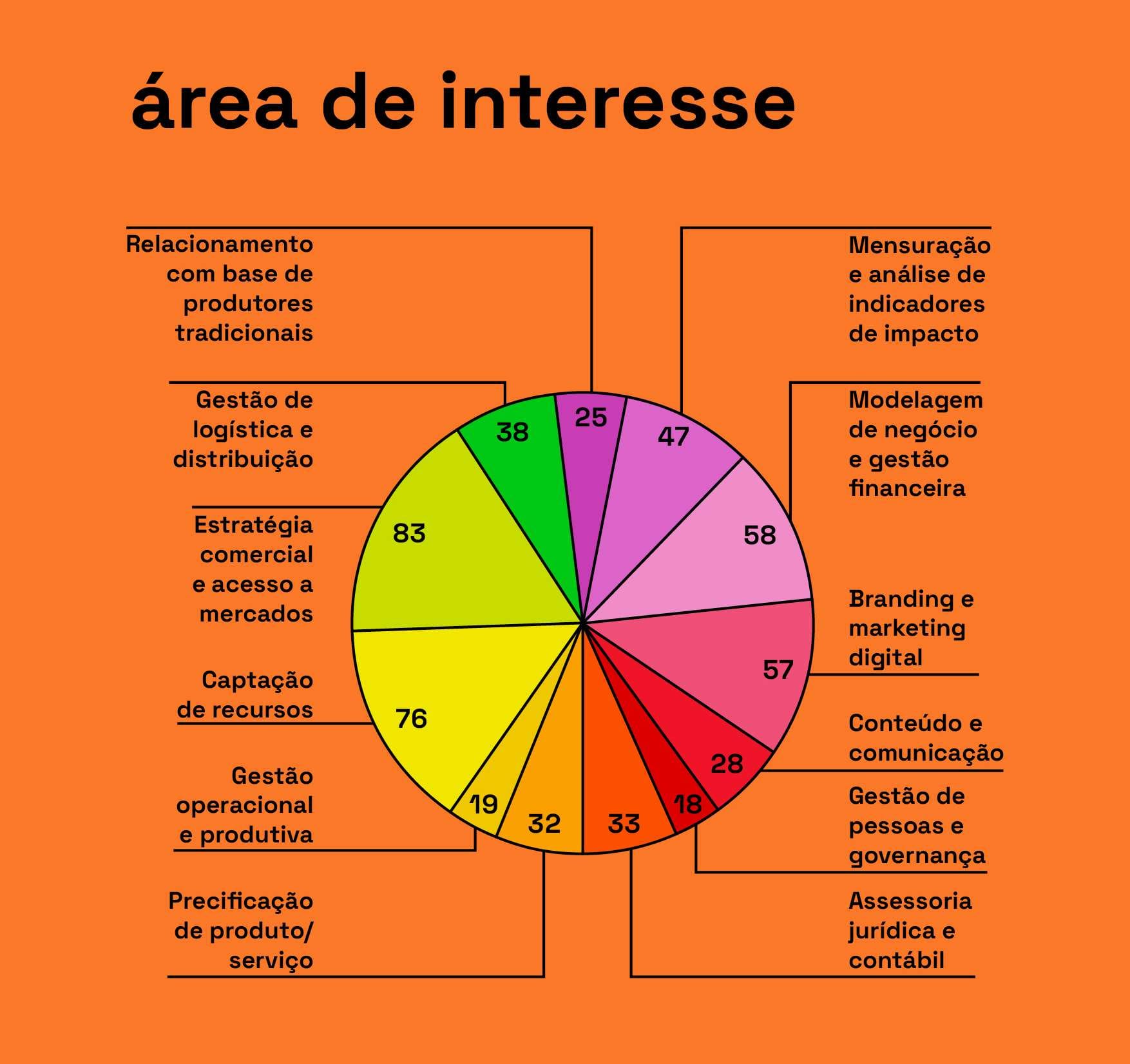
>> From 110 businesses registered, most of which are in the initial phase of organization, traction and validation of products/services (MVP).
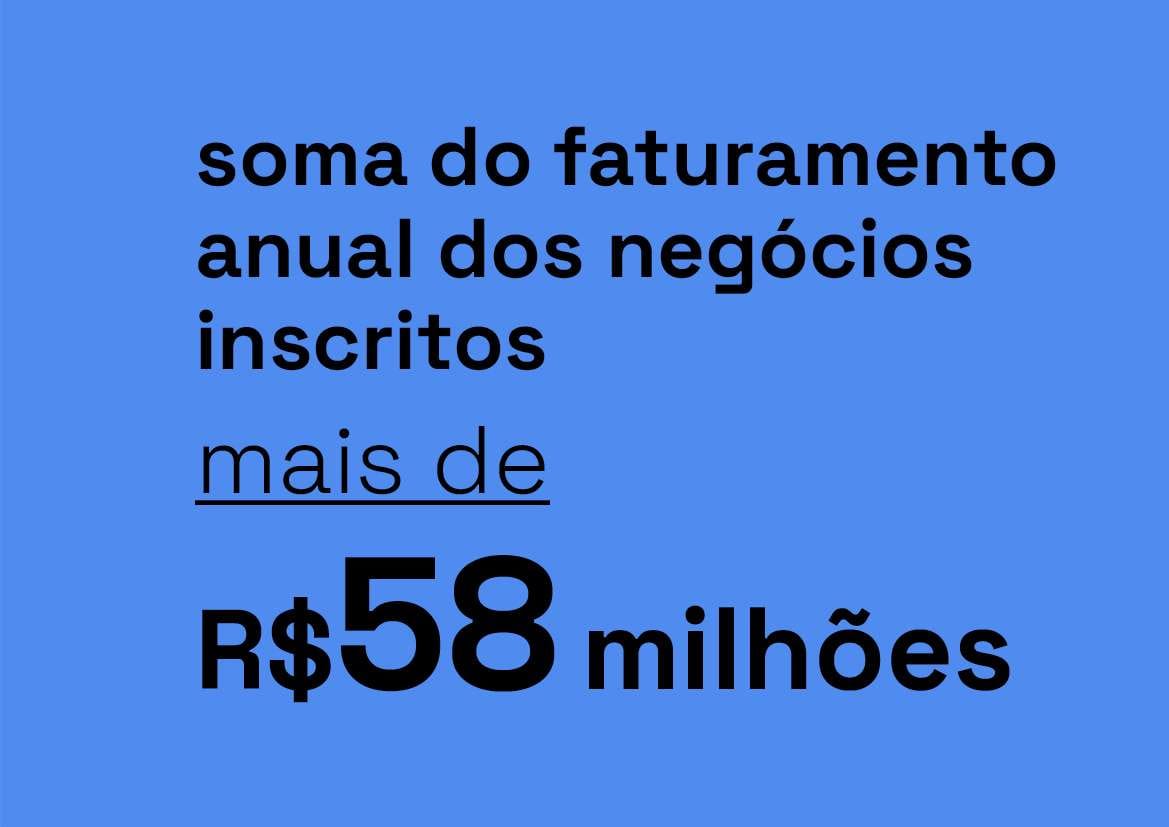
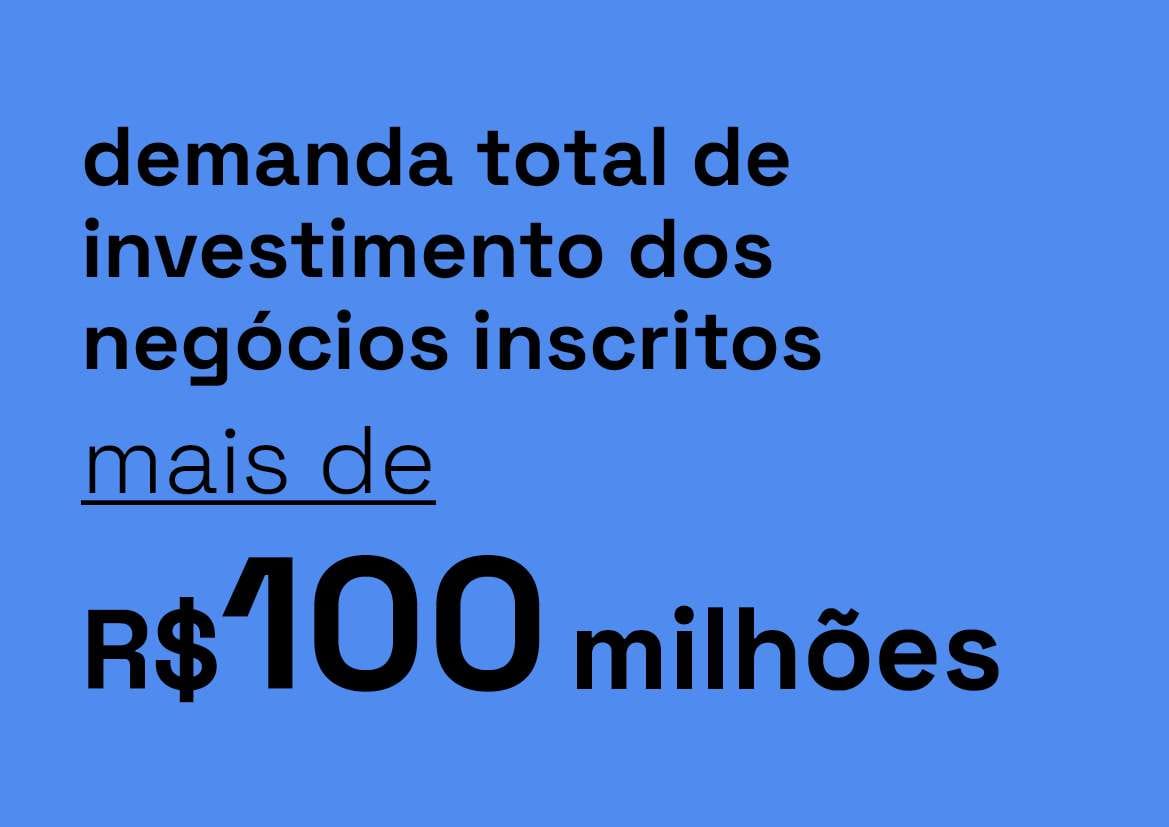
>> Together, the registered businesses have an annual turnover of more than R$ 58 million and demand R$ 100 million of investments to boost its growth.
THE AMAZ, a sociobiodiversity business accelerator operating in the Amazon, held its fourth event between March and April of this year. 2021 Business Call.
As a result, received 110 entries, coming from 16 states and the Federal District, with 32 of them originating from Amazonas, 20 from Pará and 11 from Amapá. Rio de Janeiro and São Paulo registered 10 and 9 registrations, respectively.
For the first time, in four calls, the state of Amapá is in third place in terms of number of registrants. In previous years, São Paulo recorded the third highest number of registrants.
THE Call allows registrations from states other than those located in the Legal Amazon, as long as they offer solutions for the Amazon and commit to starting operations in the region within six months from the start of the acceleration. There are entries from states in all five regions of the country.
Most of the projects entered are in the development phase. business organization, validation of products/services (MVP) or seeking traction. Although the Call notice states that initiatives should be in operation, even if in the initial phases, to participate in the selection, businesses in the idea or idea validation phase also registered.
Of the 110 businesses registered, around 54.5% declared that they had already been accelerated.
Impacts
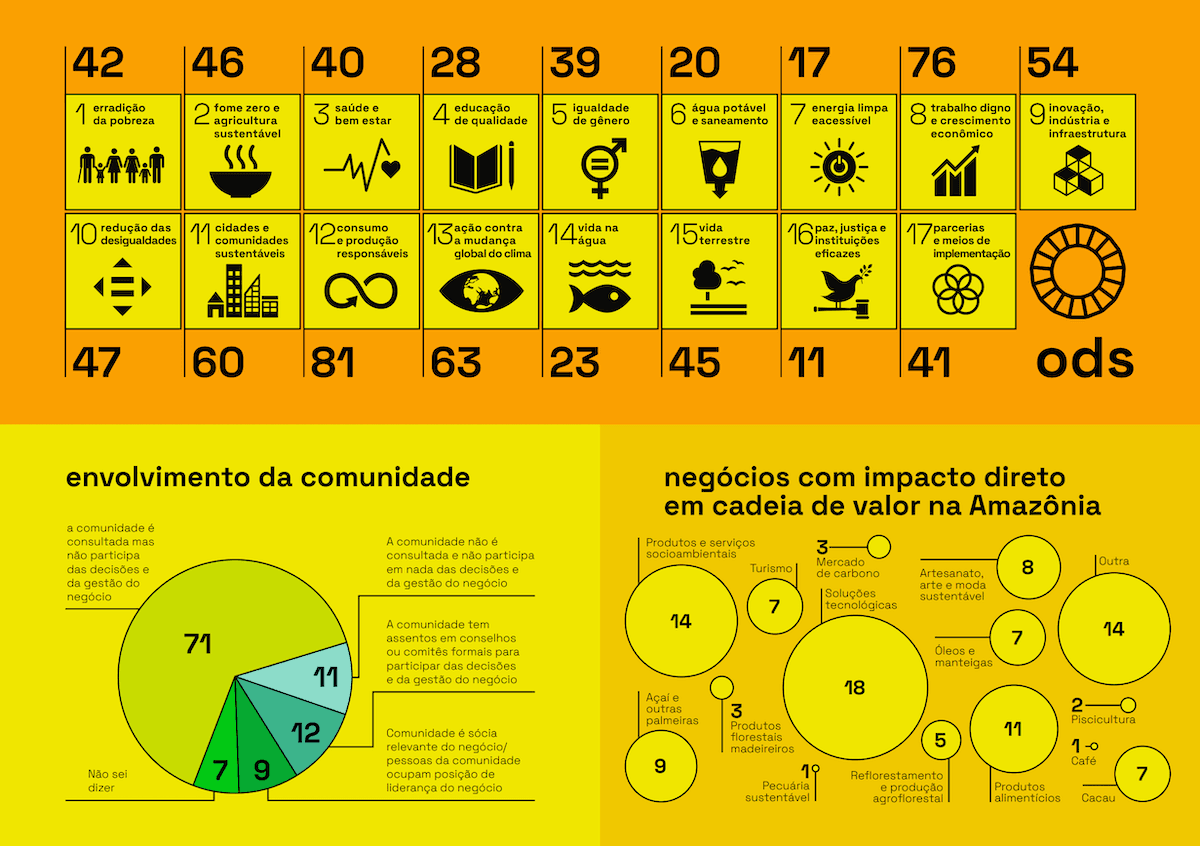
Among the value chains addressed directly by businesses are socio-environmental products and services, technological solutions, crafts, art and sustainable fashion, food products, oils and butters, among others.
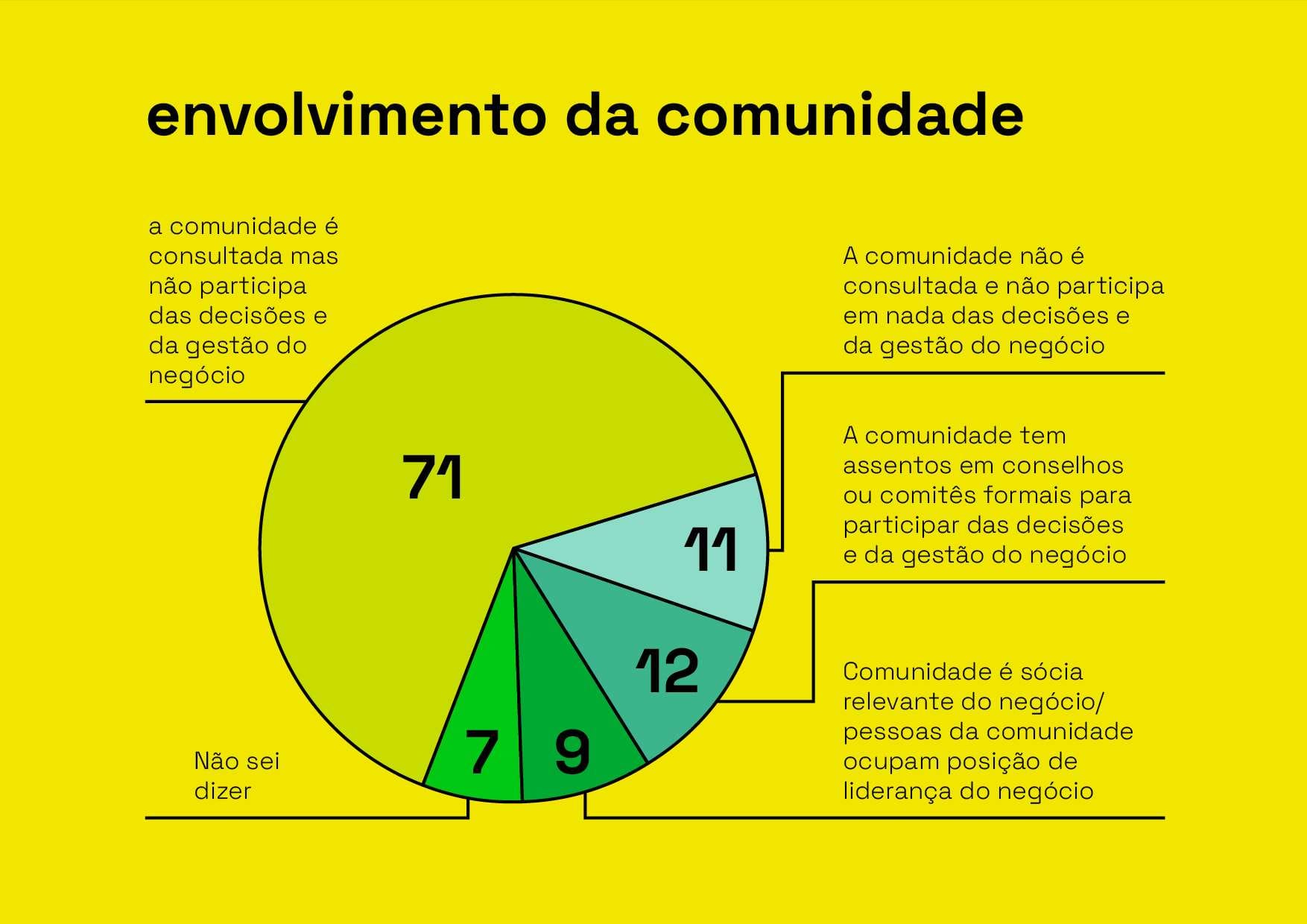
In 12 of the registered businesses, the community where the enterprise is located or the region of origin of the raw material is a relevant partner in the business. And in 71 of them the community is consulted, although it does not participate in the decisions and management of the business.
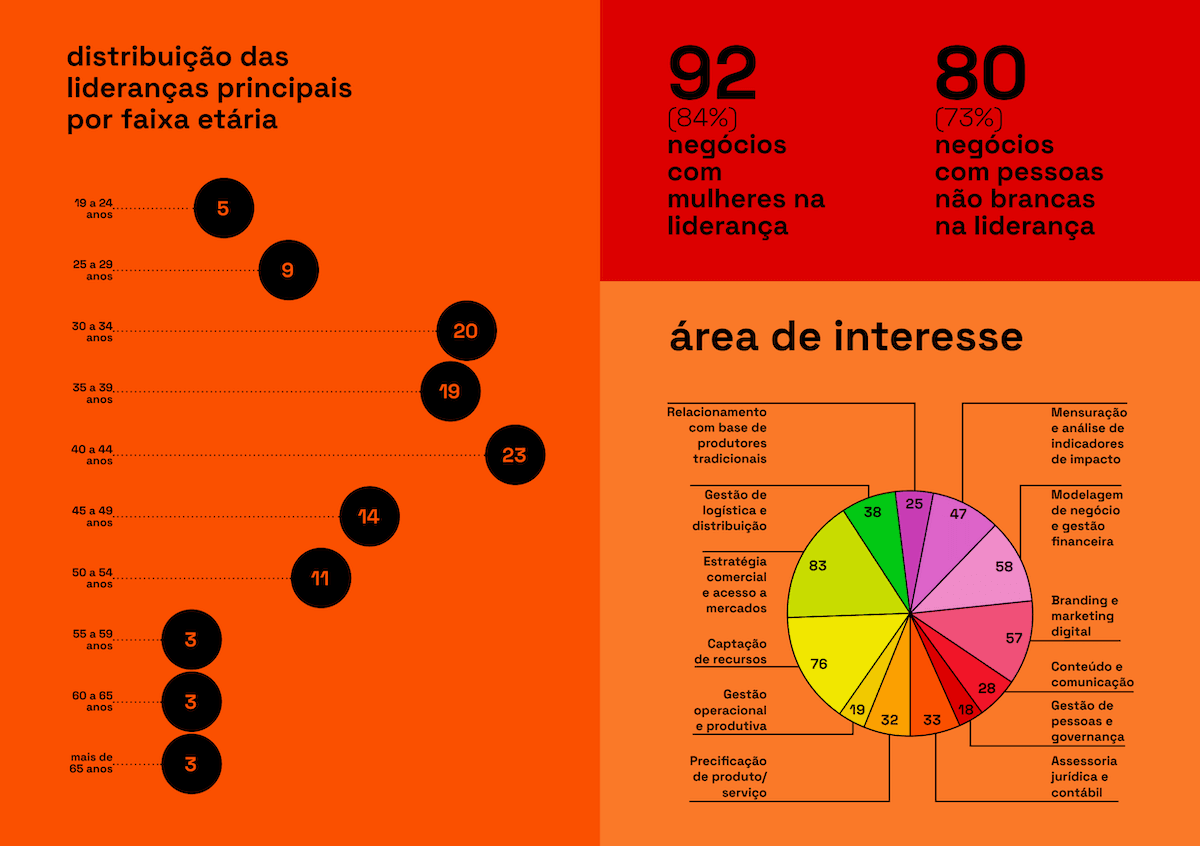
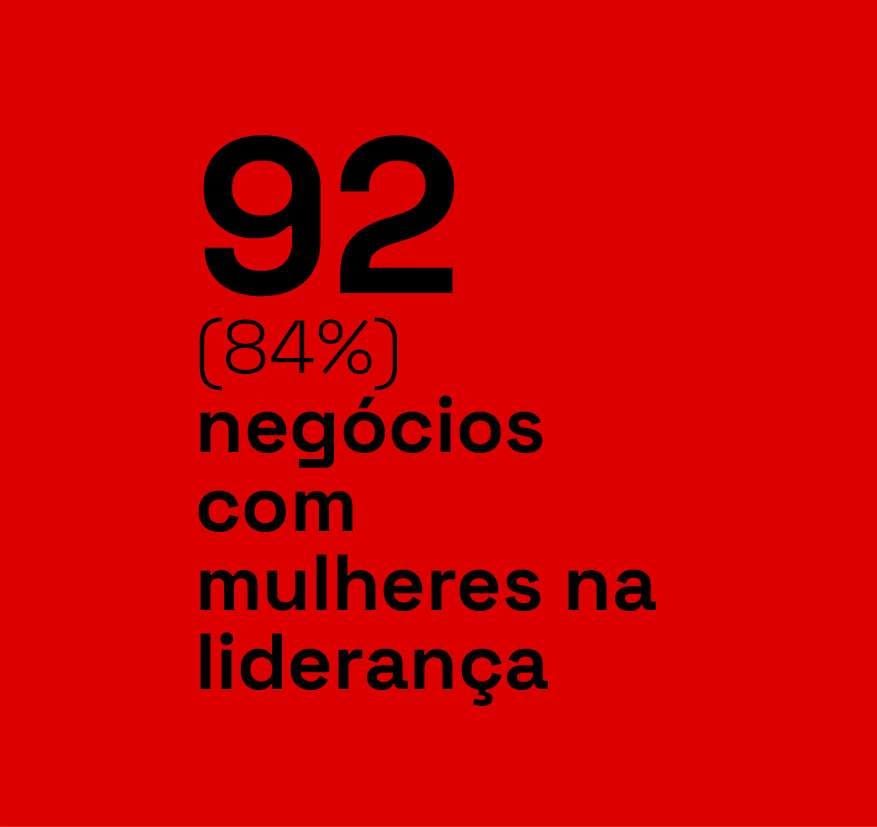
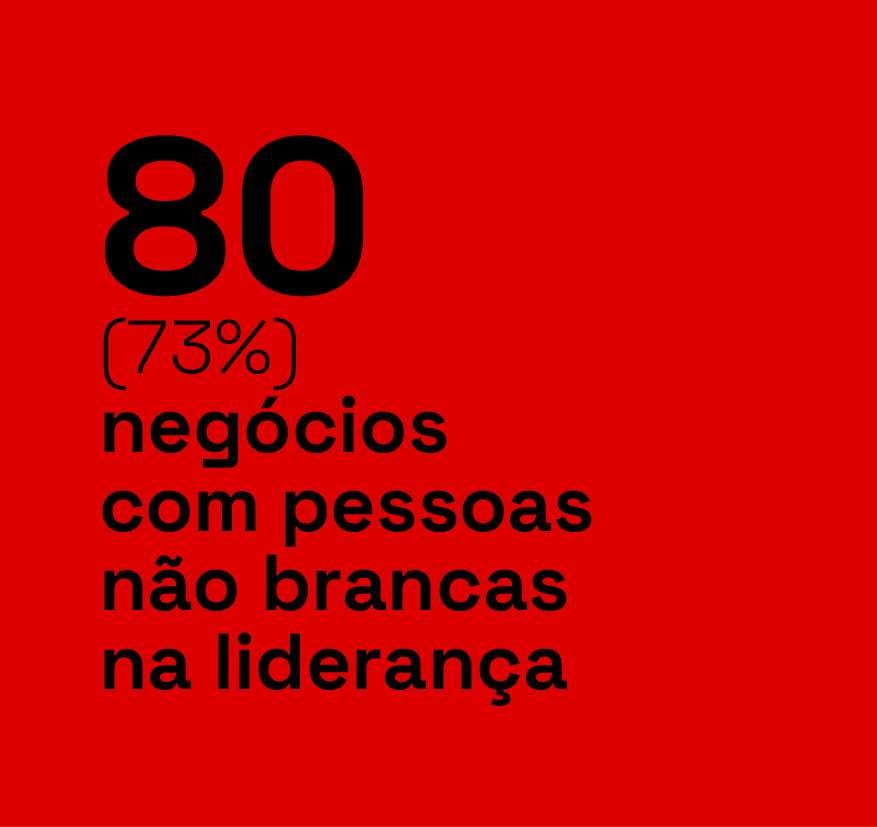
In 84% of them (92) there are women in leadership, and in 73% (80) there are non-white people in leadership. The age range of registered leaders is mostly between 40 and 44 years old, but there are people between 19 and over 65 years old.
Registered businesses also connect through all 17 SDGs (Sustainable Development Goals) of UN 2030 Agenda, with the most frequently used being number 12 (responsible consumption and production), followed by number eight (decent work and economic growth).
Of the 110 subscribers, 23 declare that they do not have any practice for monitoring the impact they cause, but 45 declare that they collect and analyze indicators of the business process and/or operation; 12 of them say they have defined indicators of socio-environmental results/impacts, while 16 report making decisions based on the assessment of impacts.
business models
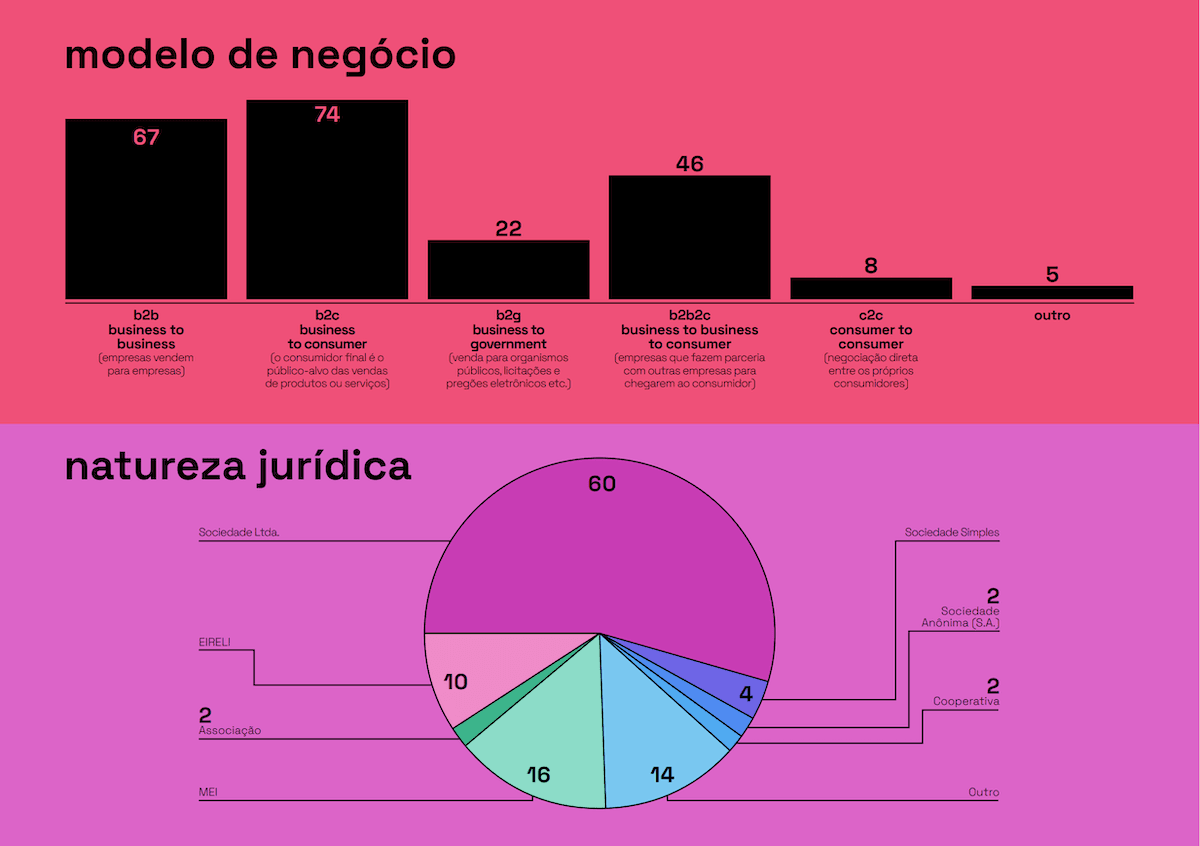
Most of the initiatives aim to B2C business model (end consumer as target audience) – 74 of them declared themselves as such. Next, 67 businesses declared having as their target audience B2B model (sale to companies), and 46 of them B2B2C (companies that partner with other companies to reach the consumer).
Many of the initiatives operate in more than one business model, and the following stand out: B2G companies (sell to public agencies) and C2C (direct negotiation between consumers).
Regarding the legal nature of the registered enterprises, the presence of limited companies, simple and anonymous, cooperatives, associations, individual microentrepreneurs and sole proprietorship with limited liability (EIRELI).
The sum of the annual revenue of 110 businesses registered is more than R$ 58 million, and their total investment demand is more than R$ 100 million.
Next steps
The team at AMAZ has been analyzing the registered businesses. Those that best fit the selection criteria will be interviewed and analyzed in greater depth.
Of this total, between 10 and 12 will be selected for pre-acceleration, from which those who will enter the acceleration program of AMAZ, receiving investments of up to R$ 400 thousand.

