


Text: Maxi Media Communication
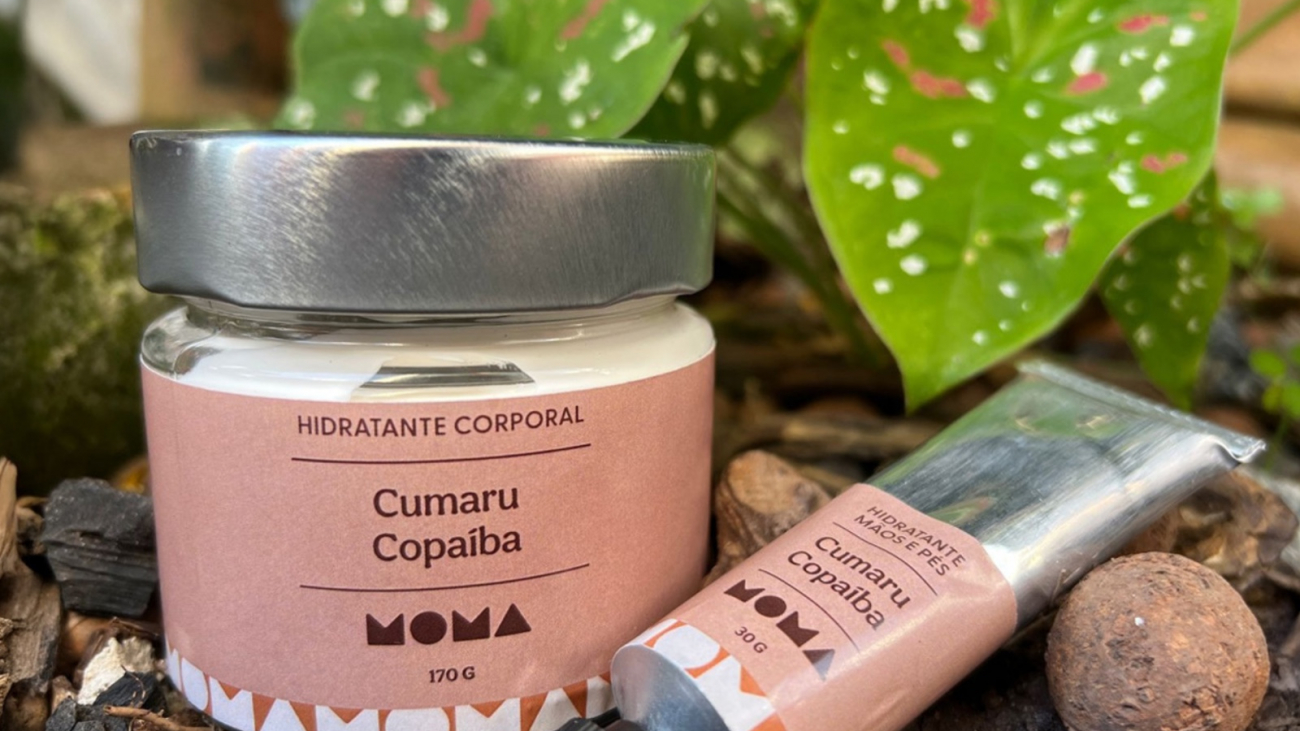
Image: Courtesy of MOMA
The Brazilian cosmetics market continues its strong expansion and shows no signs of slowing down. Projections indicate the sector will reach US$23 billion in revenue by 2025, maintaining an average annual growth of 4.55% until 2030. Today, Brazil holds the position of the third largest beauty market in the world.
In this scenario dominated by big brands, companies like MOMA They are gaining ground by focusing on offerings aligned with the new demands of the public. Natural ingredients, transparency in the production chain, recyclable or biodegradable packaging, and formulas free of microplastics and petrolatum are decisive factors for a growing segment of consumers concerned with more sustainable and ethical choices.
The brand, founded by pharmacist Vivan Chun, combines research focused on performance, Amazonian biodiversity, and socio-environmental impact to create products that connect self-care, science, and the forest.
“I had been developing cosmetics as a hobby since 2012, but I still didn’t see myself as an entrepreneur. That only changed when I started working with regenerative agriculture and agroforestry. It was there that I understood that the rural farmer is, in essence, a great entrepreneur,” she said.
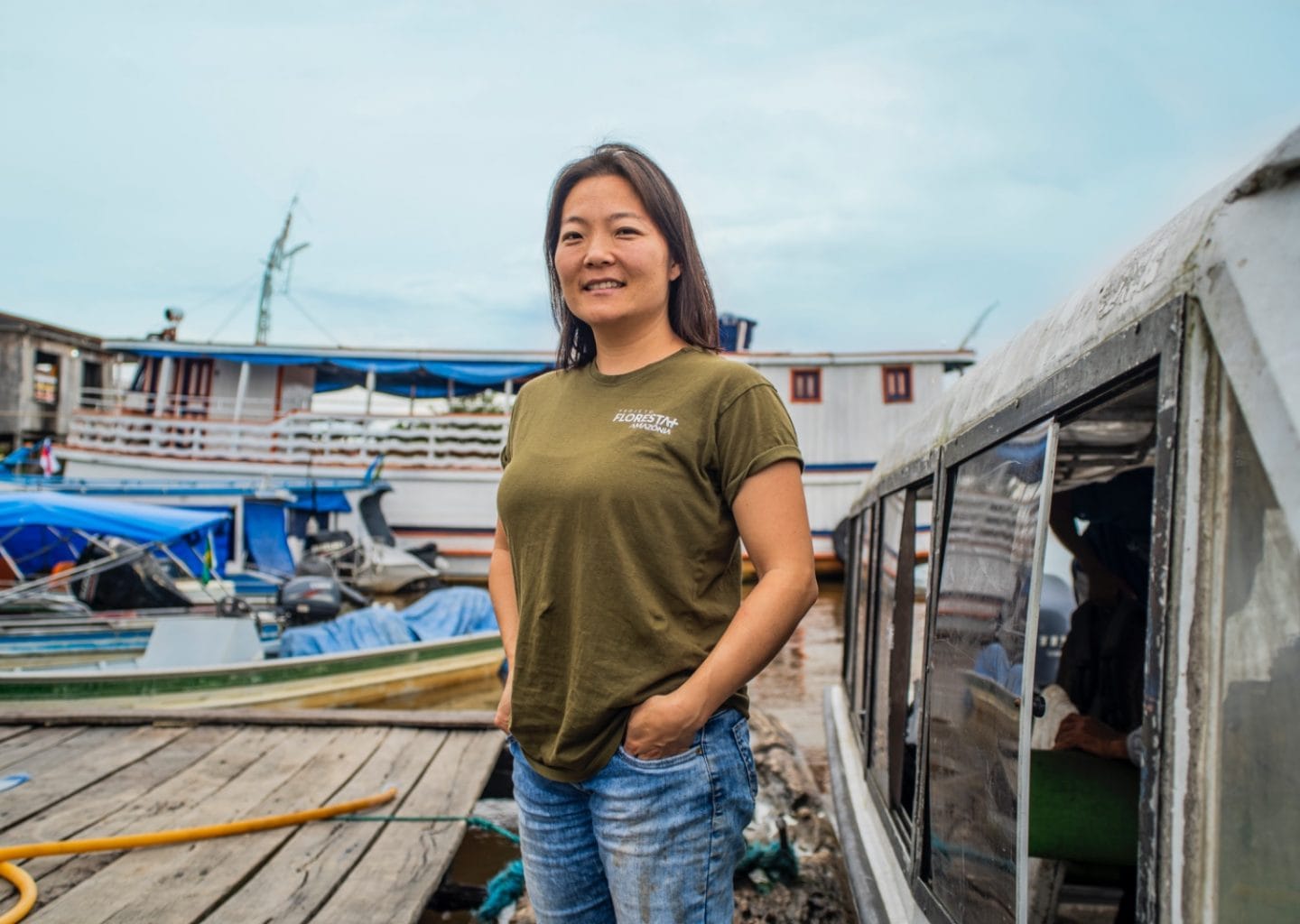
The turning point came after the pandemic, when Vivian saw the possibility of connecting her knowledge in formulation with production chains in the Amazon. "I realized I could unite purpose and impact: using the cosmetics I already created, now adding communities and generating transformation at the grassroots level," said the businesswoman.
Today, MOMA works directly with inputs produced by indigenous communities, riverside communities, and family farmers, in networks such as Inatú Amazônia, which supplies the copaiba oil used in the moisturizer's formulation. Co-founder of the brand, Marisa Taniguchi, emphasizes that the collaboration goes beyond the commercial aspect and contributes to strengthening the entire production chain in the region.
“The partnership with MOMA strengthens our network because it increases the visibility of our products. This type of collaboration generates new market opportunities, opens doors for strategic connections, and values the work of extractive communities. When initiatives like this are combined with local efforts, we strengthen socio-biodiversity and show that it is possible to develop the Amazon with respect, responsibility, and shared benefit,” he stated.
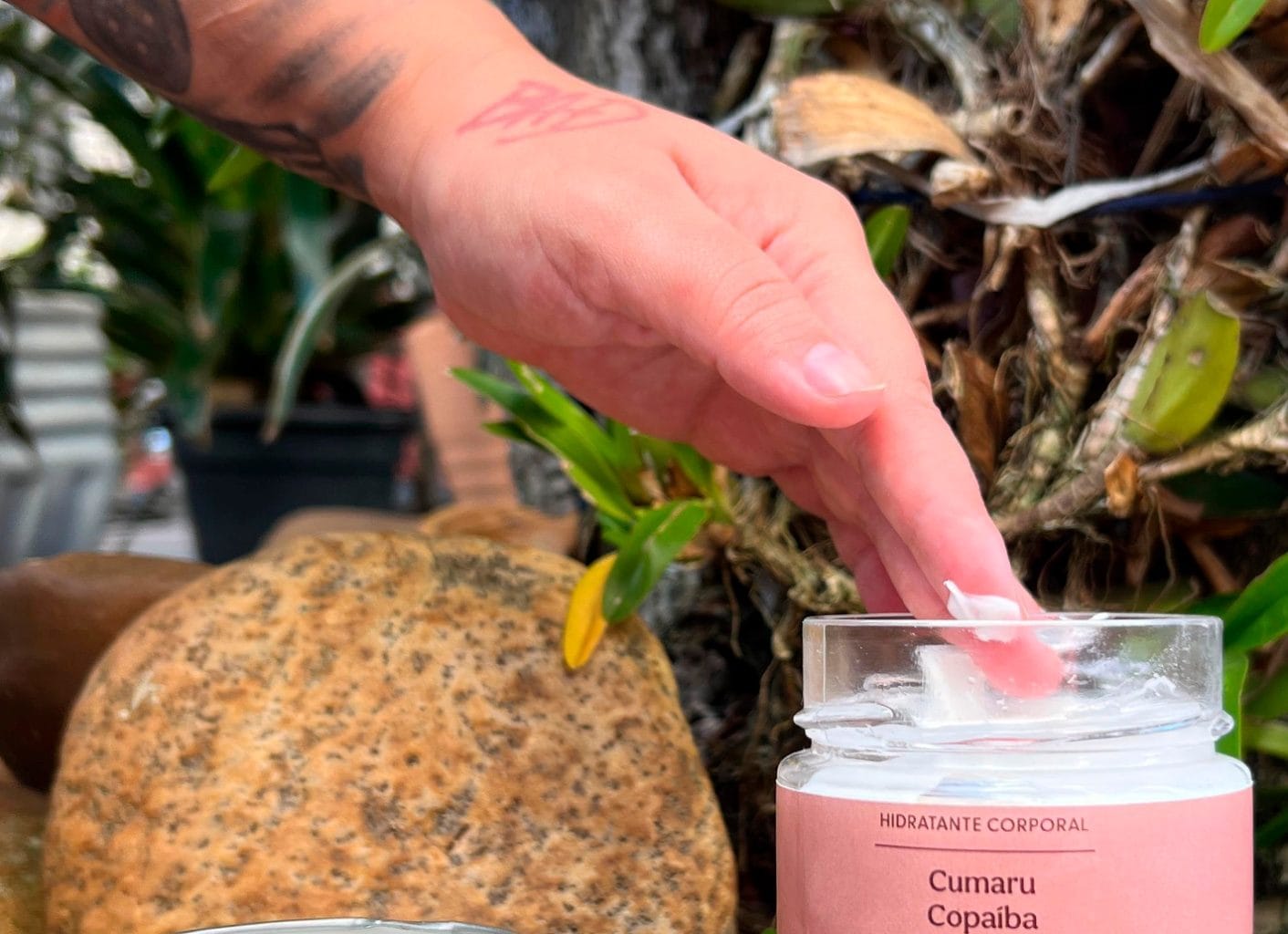
The product combines natural active ingredients such as Cumaru, Aloe Vera, Andiroba, and Cupuaçu Butter, offering deep hydration, rapid absorption, and a velvety touch. The formula highlights the smoothness provided by copaiba, rich in β-caryophyllene, and the natural aroma of cumaru, with subtly vanilla notes.
Beyond its connection to the forest, the brand continuously invests in research and development. “In practice, R&D means improving formula, texture, color, aroma, and user experience; seeking out more refined and safe ingredients; investing in clinical research; and exploring new active ingredients. It's constant innovation,” explained Vivian.
Acceleration that drives business expansion and helps measure impact.
The brand strengthening process also gained momentum with the acceleration program led by Amaz, an impact accelerator coordinated by the Institute for Conservation and Sustainable Development of the Amazon (Idesam). MOMA had already participated in other programs such as 'Amazon at Home, Standing Forest' and 'More Forest', before being one of the companies selected in Amaz's 2023 Business Call.
The 2024 acceleration journey was structured around strategic and operational pillars, culminating in financial support and market visibility. “The program began with an intense focus on performance management and internal controls through workshops and process modeling, which we combined with efforts directed towards understanding the market and positioning the brand,” explains Rafael Ribeiro, acceleration leader at Amaz.
“During these processes, we gained maturity, connections with other entrepreneurs, visibility, and access to sales channels, such as the partnership with Mercado Livre. With the investment, we were able to launch products, improve the website, hire people, implement systems, and structure processes,” reported the brand's founder.
With a strengthened foundation, Vivian outlines the next steps for the brand: new product launches, improved packaging, and communication focused on specific skincare categories. In the socio-environmental field, we are advancing in formalizing purchase contracts with supplier communities, ensuring predictability, security, and continuous income.
“The expansion of MOMA needs to go hand in hand with valuing the forest and the people who live from it. Our commitment is to grow without losing our connection with those who make all of this possible,” he reiterated.

