WhatsApp Image 2025-11-24 at 17.33.38

An initiative from Manaus emerges as the first in Brazil nominated for an award from the World Economic Forum (WEF). 

Text: Maxi Media Communication

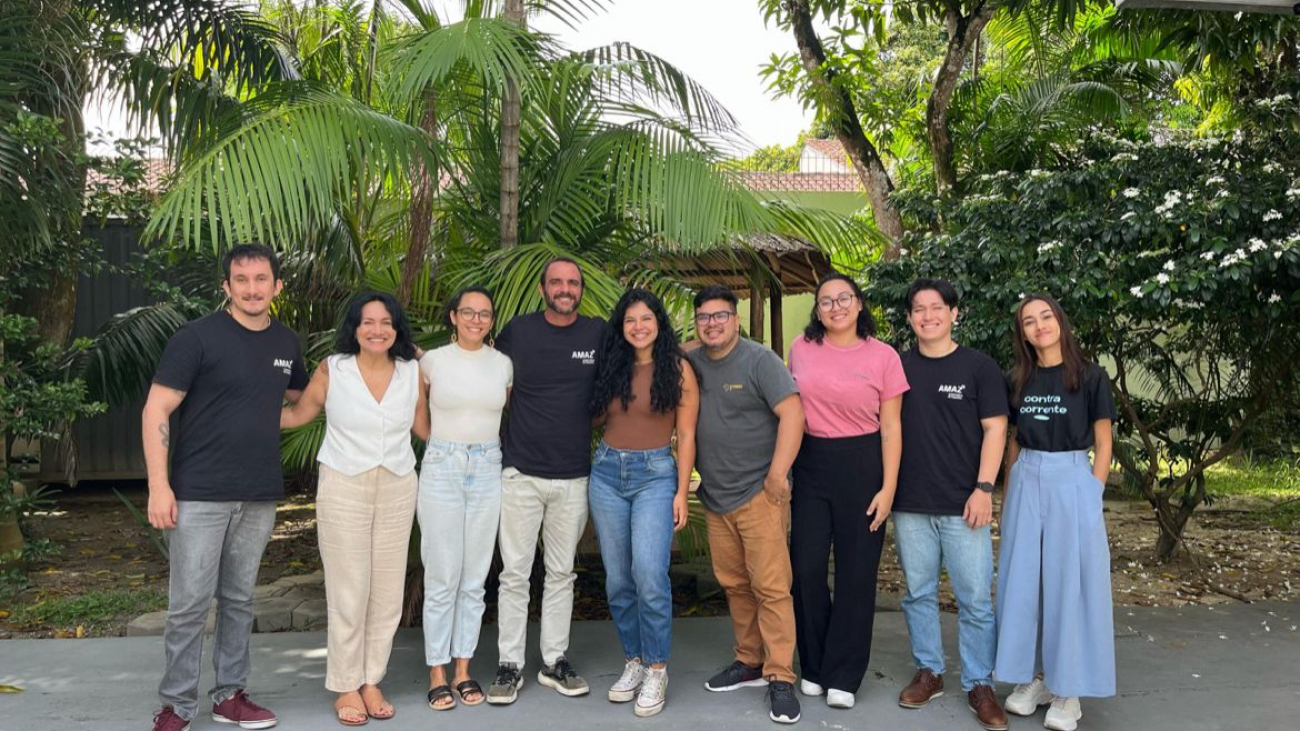
Image: Disclosure/Amaz

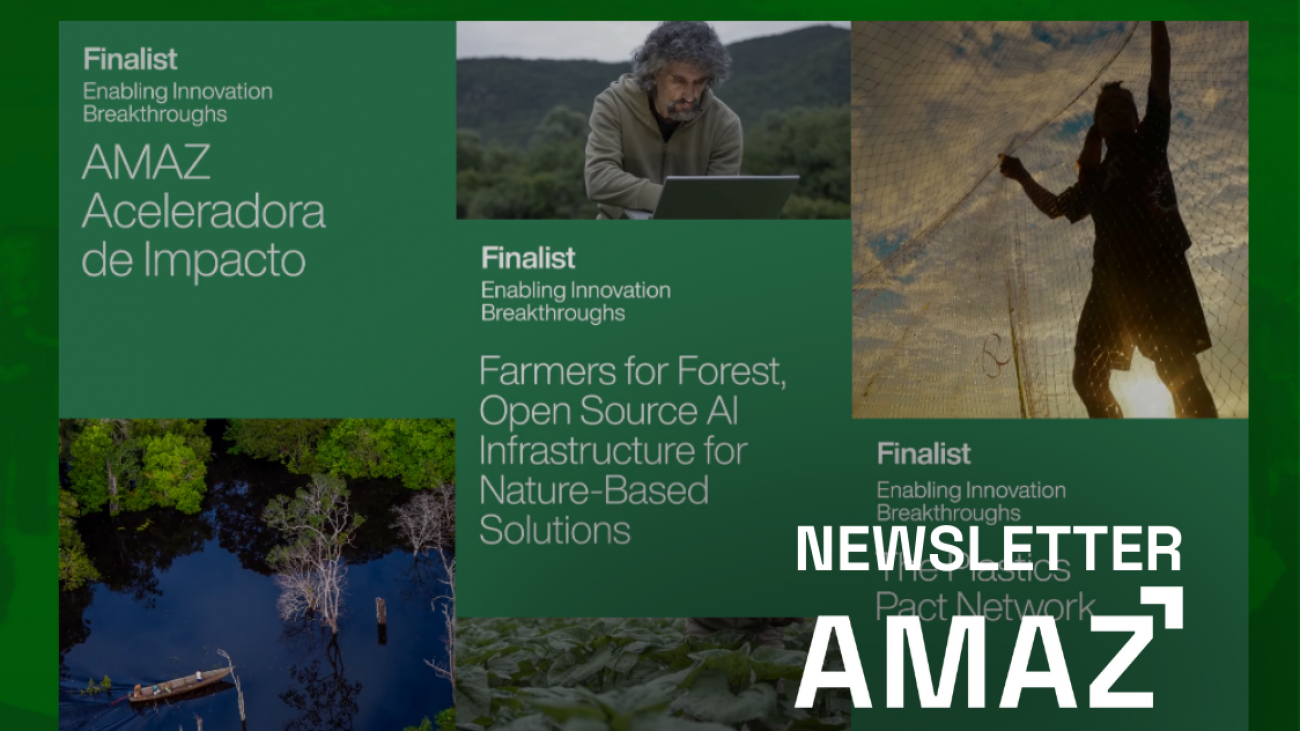
A pioneer in investing in and accelerating impactful businesses in the Amazon, Amaz Impact Accelerator, coordinated by the Institute for Conservation and Development of the Amazon (Idesam), is the only Brazilian initiative among the finalists of the... GAEA (Giving to Amplify Earth Action) Awards 2026, an international award from the World Economic Forum that recognizes innovative solutions to global climate challenges.

The GAEA Awards evaluates organizations from different countries and sectors that demonstrate scalable solutions to global climate challenges. The award recognizes innovative collaborations across multiple sectors (public, private, and philanthropic) that address systemic changes related to climate and nature.

In the inaugural edition, held last year, five pioneering initiatives were awarded in different categories. Among the winners are Built by Nature (BbN), a network to promote the use of sustainable wood and other natural materials in construction, reducing the sector's carbon footprint, and the Global Energy Alliance for People and Planet (GEAPP), a philanthropic union between the public and private sectors to accelerate access to clean energy and promote a just energy transition.

The award process includes nomination, selection, and final shortlisting phases. Winners don't just receive a trophy; upon being awarded, they join the GAEA community, gain visibility, connect with potential partners, and gain access to the Forum's platforms to amplify their impact.

“We are very happy to be shortlisted for the award among so many relevant initiatives worldwide. This recognition goes to all the entrepreneurs in our ecosystem who work to conserve and restore forests and improve the lives of thousands of people, making the bioeconomy a reality every day in the Amazon,” notes Mariano Cenamo, CEO of Amaz and co-founder of Idesam, the Institute for Conservation and Sustainable Development of the Amazon, which has been working in the Brazilian Amazon for over 20 years and coordinates the Amaz Impact Accelerator.

Amaz supports businesses operating in diverse areas ranging from logistics to technological and innovative solutions.

Amaz celebrated its fifth anniversary in 2025 with impressive numbers: it evaluated over 500 potential startups, accelerated 52 businesses, invested in 29 companies, and maintains 16 active companies in its portfolio.

The businesses accelerated by Amaz operate in different sectors of the Amazonian bioeconomy, such as sustainable logistics, food, fashion and indigenous art, natural cosmetics, community-based tourism, environmental regeneration, and technological and innovative solutions that have benefited 1,959 families and 45 social organizations and generated, in 2024 alone, R$ 4 million in payments to partners in the Brazilian Amazon.

The portfolio is intentionally diverse, reflecting the multiple stages of maturity and territorial profiles of the region. The accelerator operates through a blended finance model, which combines philanthropic and private resources.

The journey to creating the accelerator began in 2018 with an Idesam pilot program called Partners for the Amazon (PPA), which supported more than 30 businesses focused on the bioeconomy, sustainable production chains, and waste management. The program evolved into the current structure of the accelerator, which, through its first fund, carried out three business acceleration cycles via call for proposals and initiated direct investments.

“The great differentiator of Amaz is really being a business accelerator with many years of experience in the Amazon, due to the work developed by Idesam for over 20 years in the region. This learning has allowed us to develop processes and solutions for the impact ecosystem, from the operational aspects of the businesses to the more resilient type of investment that these types of ventures demand,” analyzes Gabriela Sousa, operations leader at Amaz.
WhatsApp Image 2025-11-17 at 11.13.37

COP30 expands dialogue with those who are actually making the bioeconomy happen in the Amazon.

Text: Maxi Media Communication
Image: Daniela Tipiti/Amaz

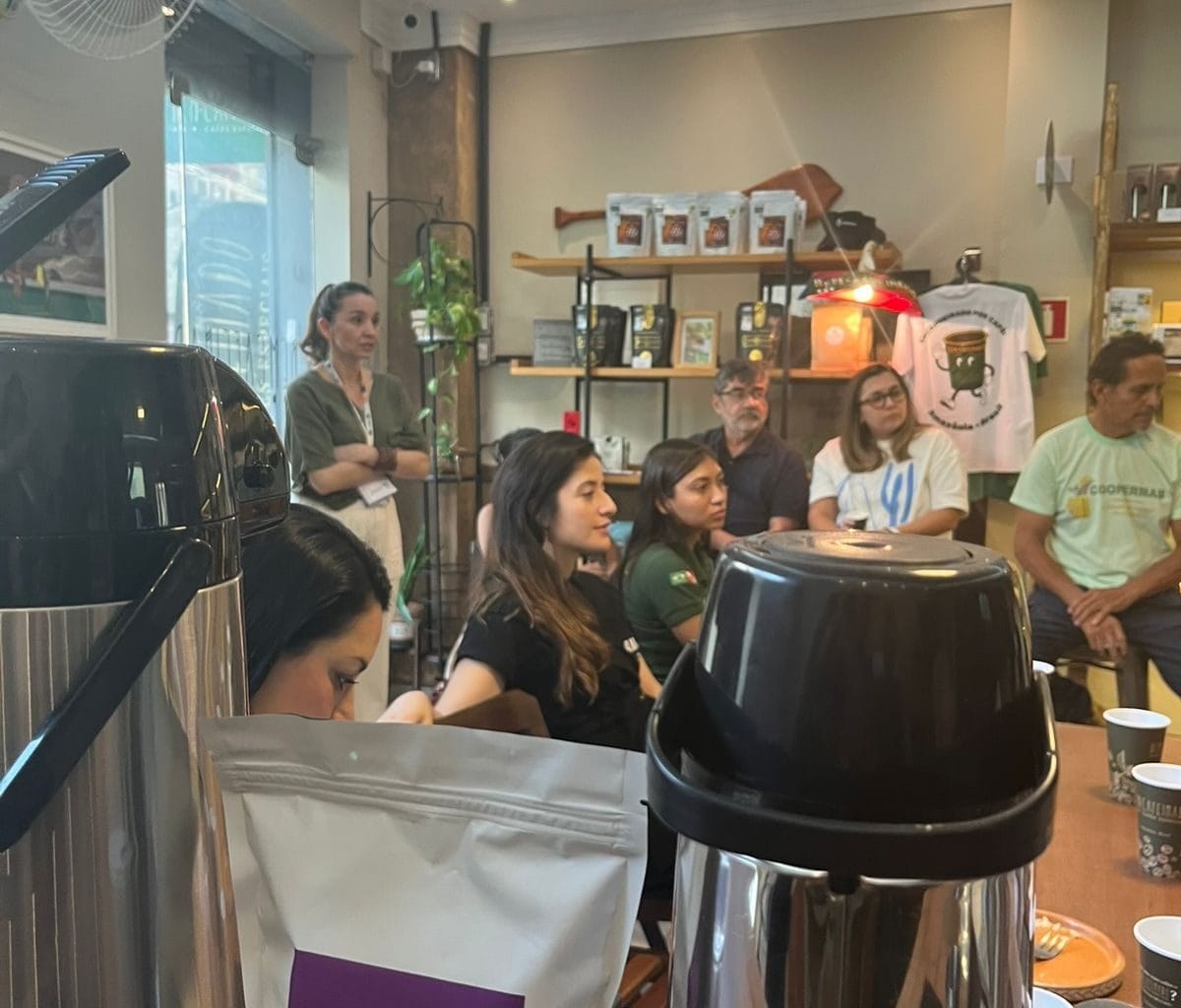
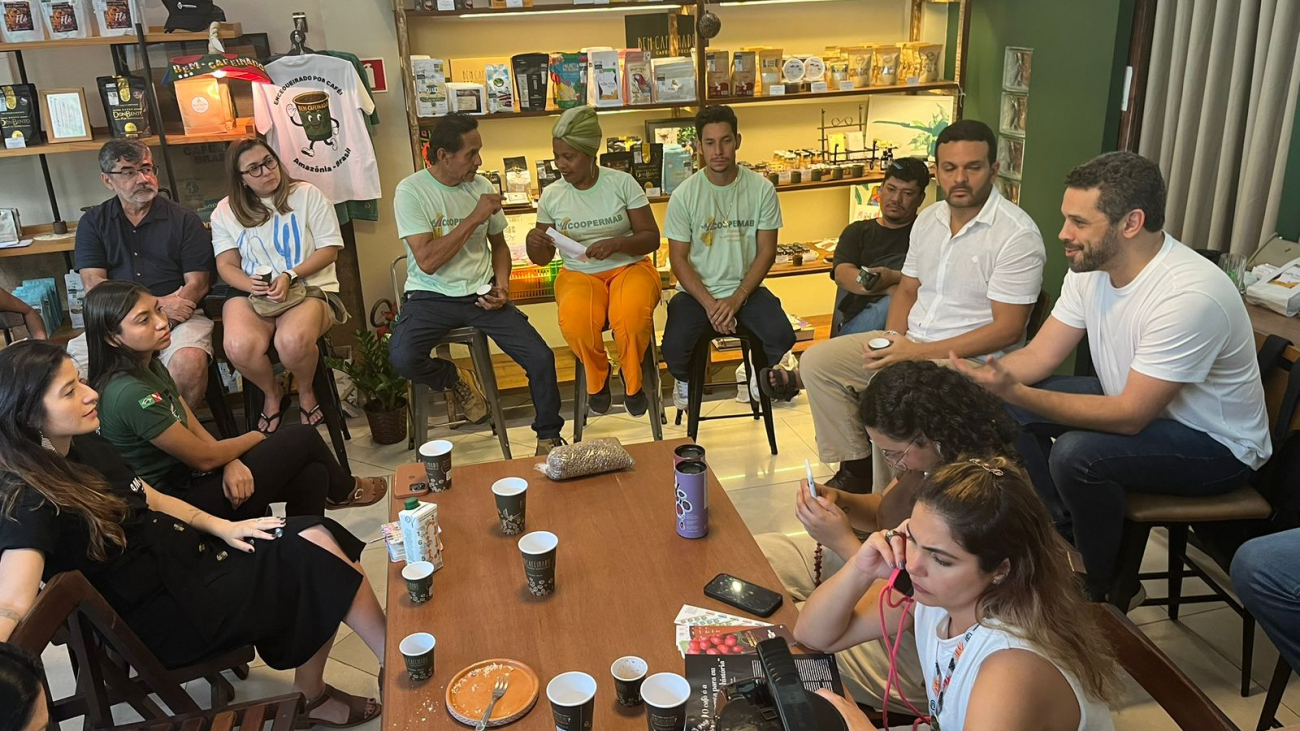
During COP30, held in the heart of the Amazon in Belém, those on the ground in the forest promoting transformations and turning the gears that actually make the bioeconomy happen have the floor. Outside the official spaces in the green and blue zones, there are places like Bem Cafeinado, a store created by Liane Dias in the Reduto neighborhood, which expands the dialogue between the various actors in the impact ecosystem with discussion groups about sustainable businesses.

“The idea is to connect important partners with people who are truly involved in the much-talked-about Amazonian bioeconomy, and promoting this integration is fundamental to avoiding fanciful narratives about climate change and the socio-bioeconomy,” argues the entrepreneur.

Paula Macedo, business portfolio manager at Amaz Impact Accelerator, an initiative coordinated by Institute for Conservation and Sustainable Development (Idesam), He explained how to overcome the challenges of accessing philanthropic and private capital during a conversation with producers and entrepreneurs working with coffee, one of the nation's passions that has been suffering the impact of climate change with drought and heat, which are harming crops in Brazil and around the world.

“Philanthropic capital is becoming increasingly scarce globally and is not enough to solve all social and environmental problems. At Amaz, we work with a fund originating from philanthropic and private capital to support businesses that are already promoting change in rural Amazonia. With this fund, we have already been able to evaluate more than 500 businesses and currently have 16 assets in our portfolio,” explained the manager.

Daniela Tipiti/Amaz

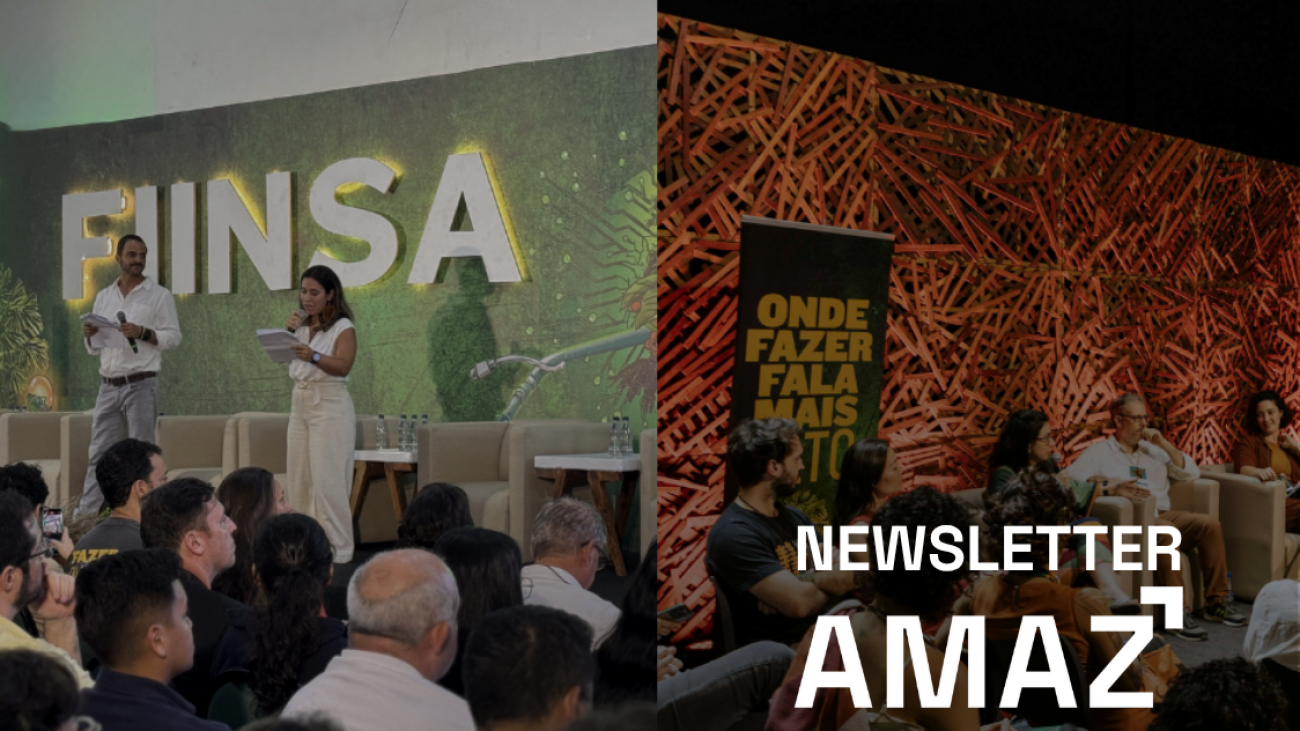
Another Idesam initiative to foster impact businesses in the Amazon, launched at FIINSA COP 30, Zoma – a generator that aims to support entrepreneurs, researchers, and community-based and technology-driven businesses committed to a standing forest economy – was also discussed through Renato Rebelo, leader of Zoma.

“Zôma is about supporting entrepreneurs who are still at the beginning of their journey, those who have an idea, a prototype, or a product, but haven't yet been able to access the market. We want to prepare this foundation for growth and for an economy that values a living Amazon,” Renato explained during the chat.

The proposal is to act as an Amazonian venture builder, that is, a generator that not only accelerates but also structures businesses from the initial stages. Selected participants will have access to mentoring, technical and administrative support, marketing, legal and financial assistance, as well as connections with investors and strategic markets.

On the other hand, producers from the Mixed Cooperative of Family Farming of the Barreta Hub (COOPERMAB), in Vigia de Nazaré, a municipality in Pará known as the capital of Tucupi, but which was also the place where the first coffee seedlings and seeds touched Brazilian soil, brought their experience with wild coffee to the table.

“These are centuries-old trees located on our territory. The cooperative was informally established in 2021, and today we have 50 families involved in artisanal fishing and the cultivation of fruits, vegetables, and greens. We are also working to incorporate coffee, because currently we only have the ancestral trees in the middle of our forest, without any management practices,” commented Maria Souza, a member of the cooperative.

The cooperative already supplies Bacuri pulp, a native Amazonian fruit, to businesses like Aruanas, which produces food with regional flavors. Aruanas emerged from the restlessness of young Luise Lima, who, tired of seeing products in Belém supermarkets with ingredients like blueberries, such as cereal bars and jams, decided to roll up her sleeves and bring the taste of the Pará Amazon to the city's shelves.

“There are things that don’t fit in the packaging. Aruanas already helps in the recovery of 30,000 square meters of degraded areas with agroforestry systems. In addition to bringing the flavor of our land into the regional market,” points out the impact entrepreneur.

WhatsApp Image 2025-11-12 at 12.53.35 (1)

Casa Niaré has a program focused on impact investing during COP 30.

Text: Maxi Media Communication

Image: Courtesy of Casa Niaré

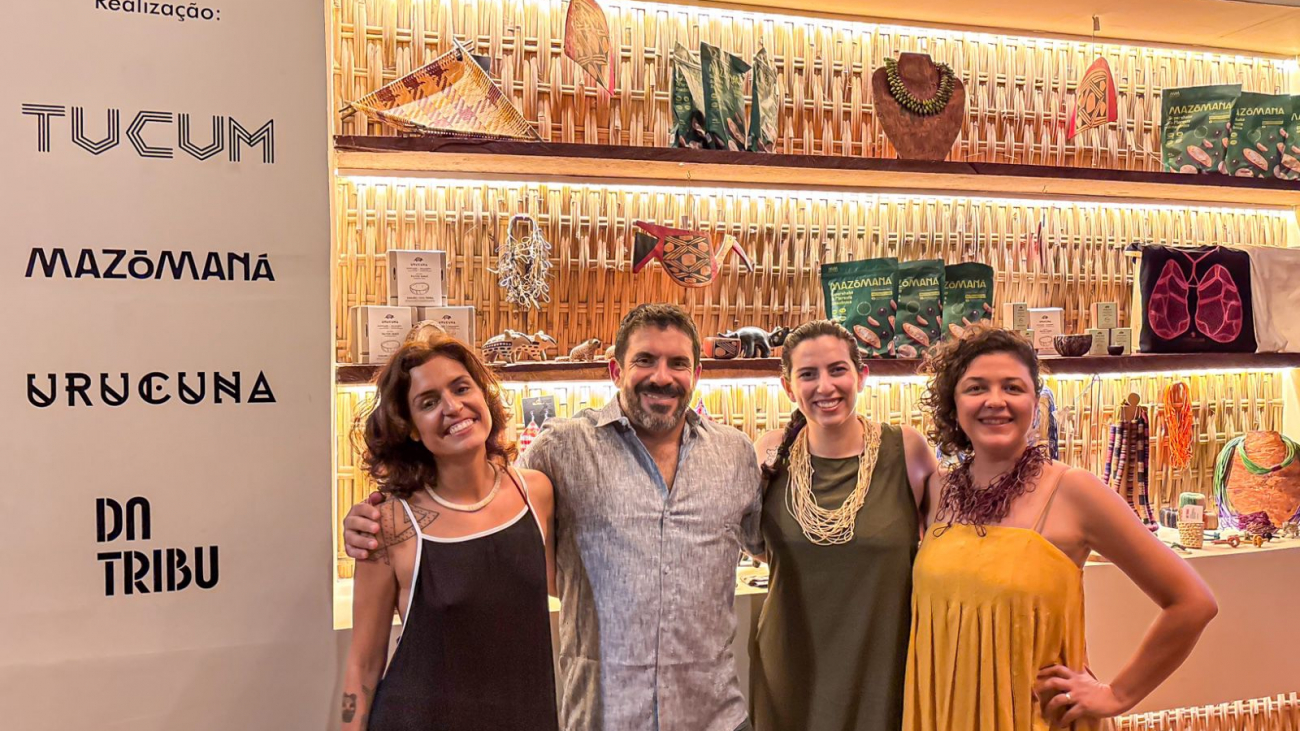
In the year it hosts COP 30, Belém has gained another space to strengthen the traditional populations of the Amazon and the forest economy: the Niare House, which will also function as a hub for business, culture, and technical support for entrepreneurship among indigenous, riverside, extractive, and quilombola communities, connecting ancestral knowledge and innovation to the development of a new generation of socio-environmental impact businesses.

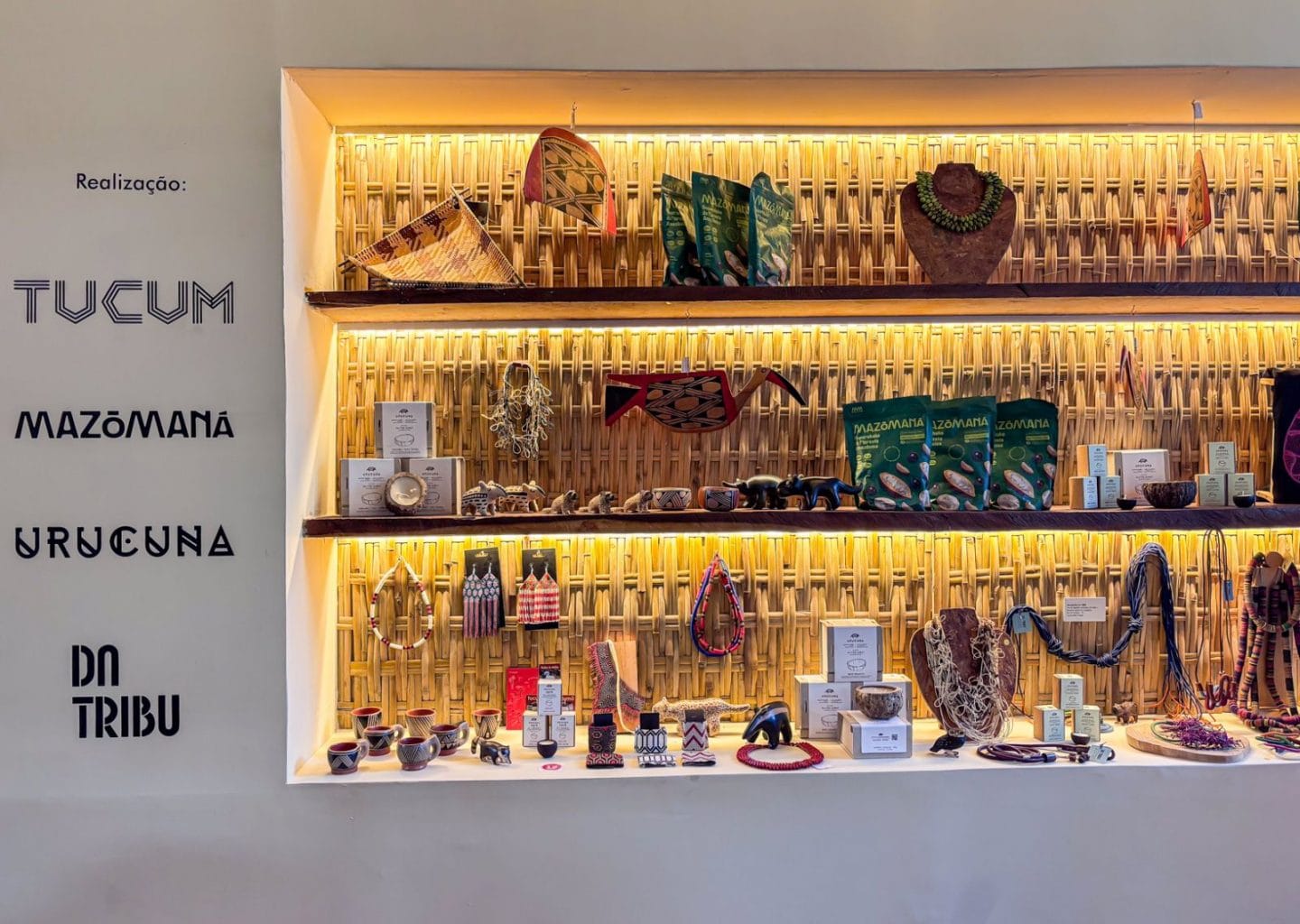
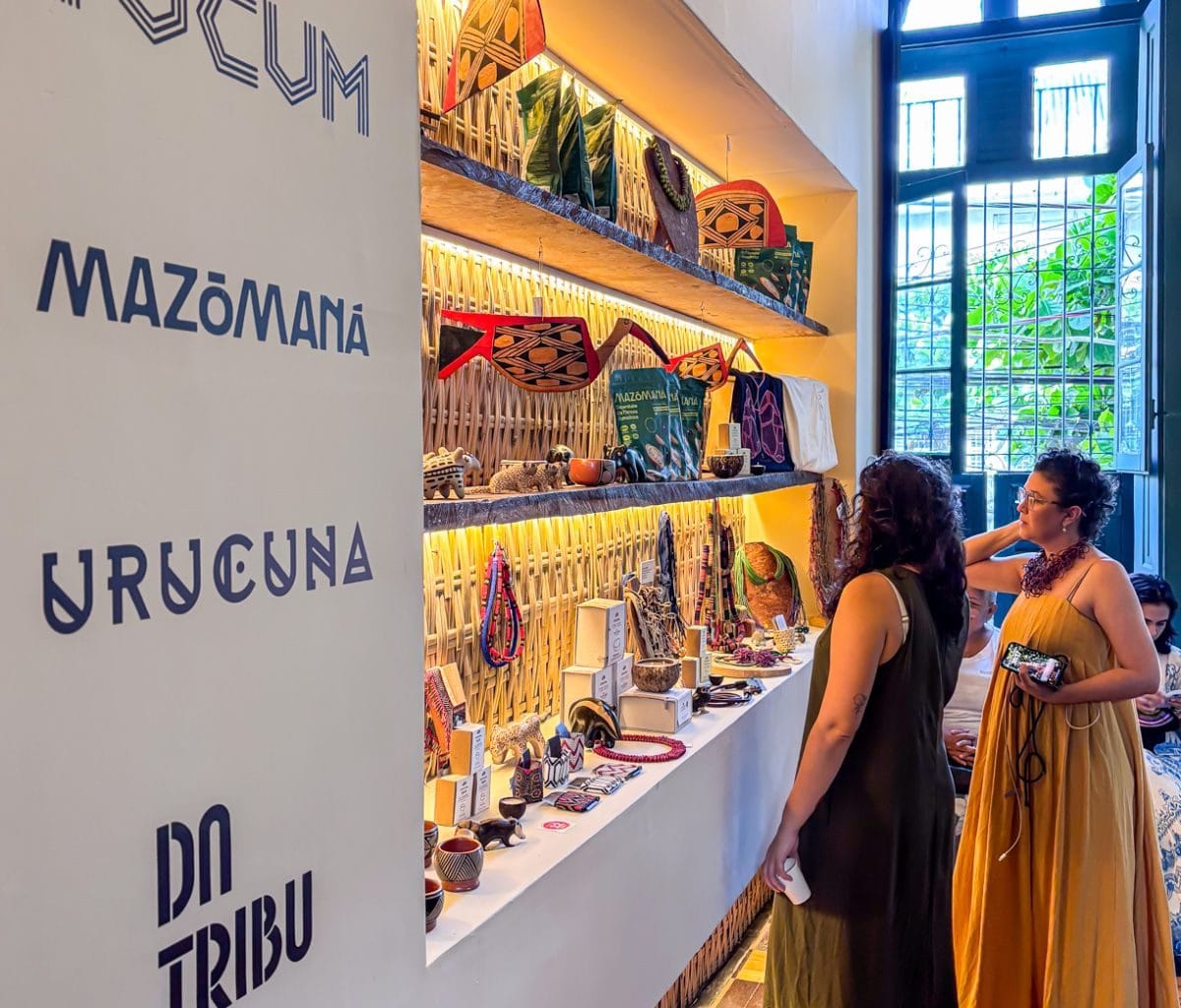
Located on Rua Bernal do Couto, in the Umarizal neighborhood, Casa Niaré brings together a shop, gallery, and a collaborative environment focused on training, commerce, cultural exchange, and networking among forest leaders, investors, organizations, and companies committed to the regenerative economy.

The initiative is led by forest entrepreneurs and long-standing partners of the Amazonian ecosystem, including Tucum and Mazô Maná, both impact businesses accelerated by Amaz, alongside two other forest-based business brands, Urucuna and Da Tribu. During COP30, Casa Niaré will launch the Niaré Journey, which will offer mentorship to indigenous and community entrepreneurs, with support in management, marketing, communication, and certifications.

Publicity/Casa Niare

For Amanda Santana, founder of Tucum and creative director of Casa Niaré, the space serves to consolidate a network that has been working for years to value Amazonian peoples and knowledge. “Casa Niaré comes as a legacy of COP30. More than just a space, we want to create a community that will lead the indigenous socio-bioeconomy, demonstrating the value of the standing forest,” she stated.

Initiatives led by forest communities are gaining prominence in Brazil and around the world, with solid organizational models and innovative businesses with growing economic potential that are fundamental to keeping the forest standing, generating income, and strengthening the territories.

Casa Niaré has the support of Amaz Impact Accelerator, coordinated by Idesam, which evaluates, invests in, and supports impact businesses in rural Amazonia. Gabriela Souza, New Business Leader at Idesam and manager of Amaz, emphasizes that the initiative reinforces the work of impact businesses in the forest and expands their presence in partner communities.

“The initiative is coordinated by two businesses in the AMAZ portfolio with a strong track record of impact and presence in partner communities, from production structure to governance. We see the House as a strategy for embedding these impacts, focusing on the protagonism of entrepreneurs who are still underrepresented in initiatives to promote and provide technical support,” he pointed out.

Schedule

Between November 13th and 15th, there will be roundtables and thematic dialogues bringing together forest leaders, experts, organizations, and companies committed to the socio-bioeconomy. On November 13th, from 10:00 AM to 11:30 AM, the panel "Carbon and Bioeconomy Intersections: Converging Paths to a Regenerative Economy of the Amazon" will take place, with discussions on the role of carbon as an instrument for community empowerment and territorial development.

On November 14th, at 9 am, the debate "Ethical Contracts for the Socio-bioeconomy in the Amazon" will take place, focusing on building good practices and transparent agreements that prioritize fair relationships between communities, companies, and partners. Also on the 14th, from 2 pm to 4 pm, the meeting "Markets and Investments: Allies of the Socio-bioeconomy of the Amazon" will promote connections between indigenous leaders, forest entrepreneurs, funds, and organizations that invest in regenerative and collaborative development models.

Closing the agenda, on November 15th, from 10:45 AM to 12:30 PM, the panel "Native Rubber from the Amazon: Multisectoral Strategies for Strengthening the Supply Chain" brings together representatives from communities, the market, and experts to discuss paths for innovation, valorization, and expansion of the native rubber supply chain as a strategic asset for the regional bioeconomy. All meetings have limited spaces for up to 40 people and are designed to promote open dialogue and direct connections between the audience, guests, and hosts.

More than just a physical address, Casa Niaré represents a platform connecting forest communities with a new generation of sustainable businesses, reinforcing the idea that keeping the forest standing is the path to a just and habitable future for all.

Publicity/Casa Niare