Text: Maxi Media Communication
Image: Courtesy of Casa Niaré
In the year it hosts COP 30, Belém has gained another space to strengthen the traditional populations of the Amazon and the forest economy: the Niare House, which will also function as a hub for business, culture, and technical support for entrepreneurship among indigenous, riverside, extractive, and quilombola communities, connecting ancestral knowledge and innovation to the development of a new generation of socio-environmental impact businesses.
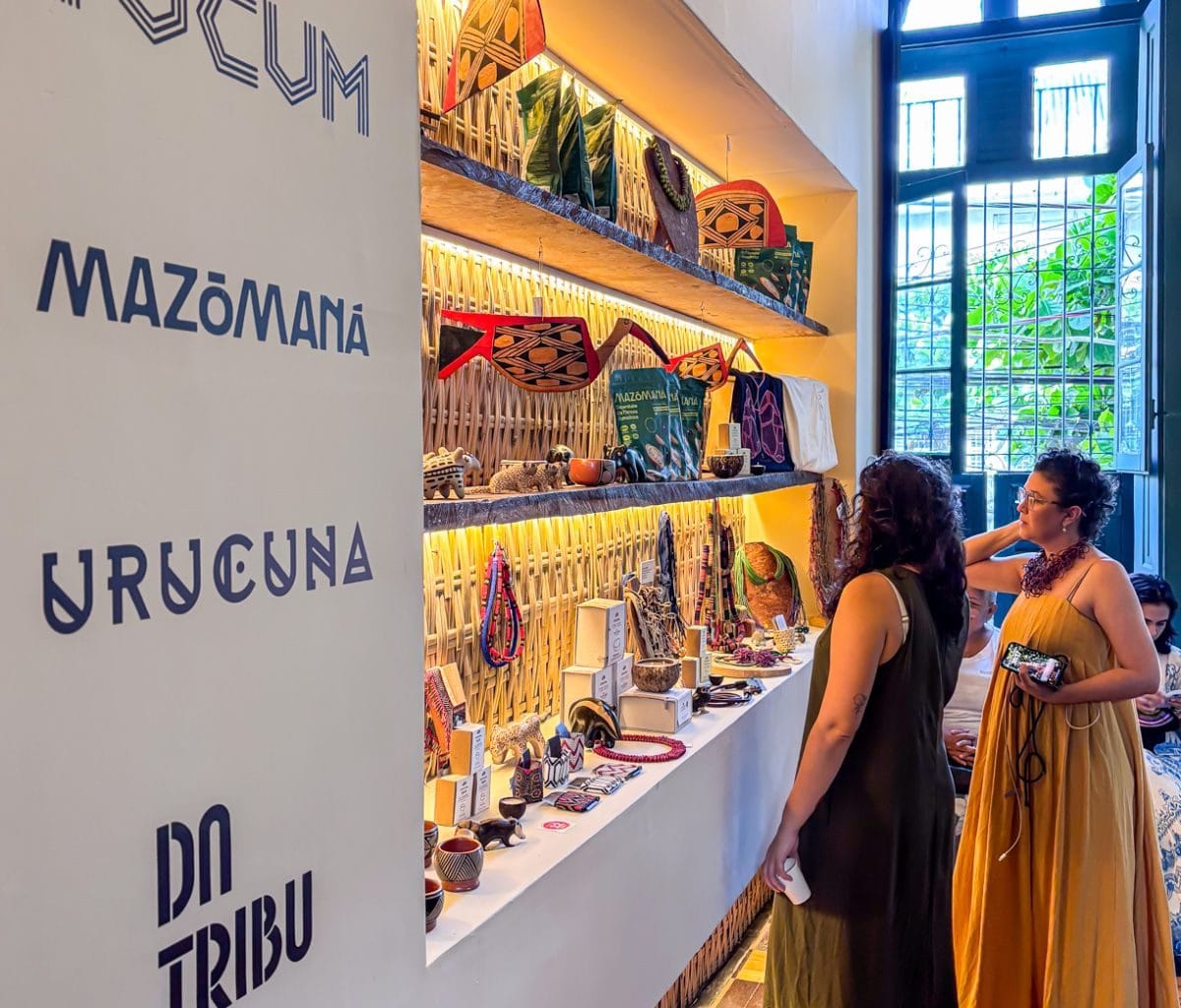
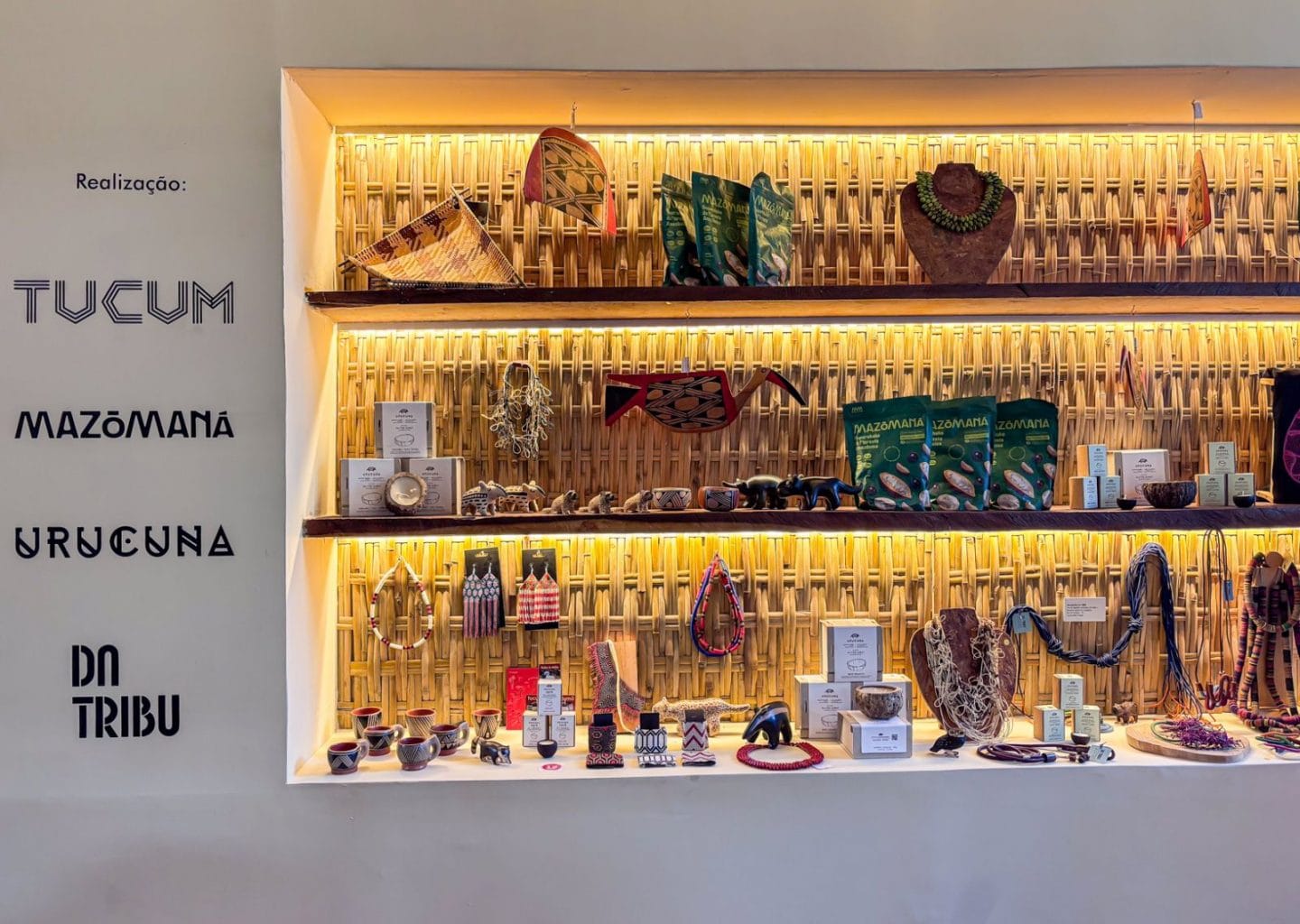
Located on Rua Bernal do Couto, in the Umarizal neighborhood, Casa Niaré brings together a shop, gallery, and a collaborative environment focused on training, commerce, cultural exchange, and networking among forest leaders, investors, organizations, and companies committed to the regenerative economy.
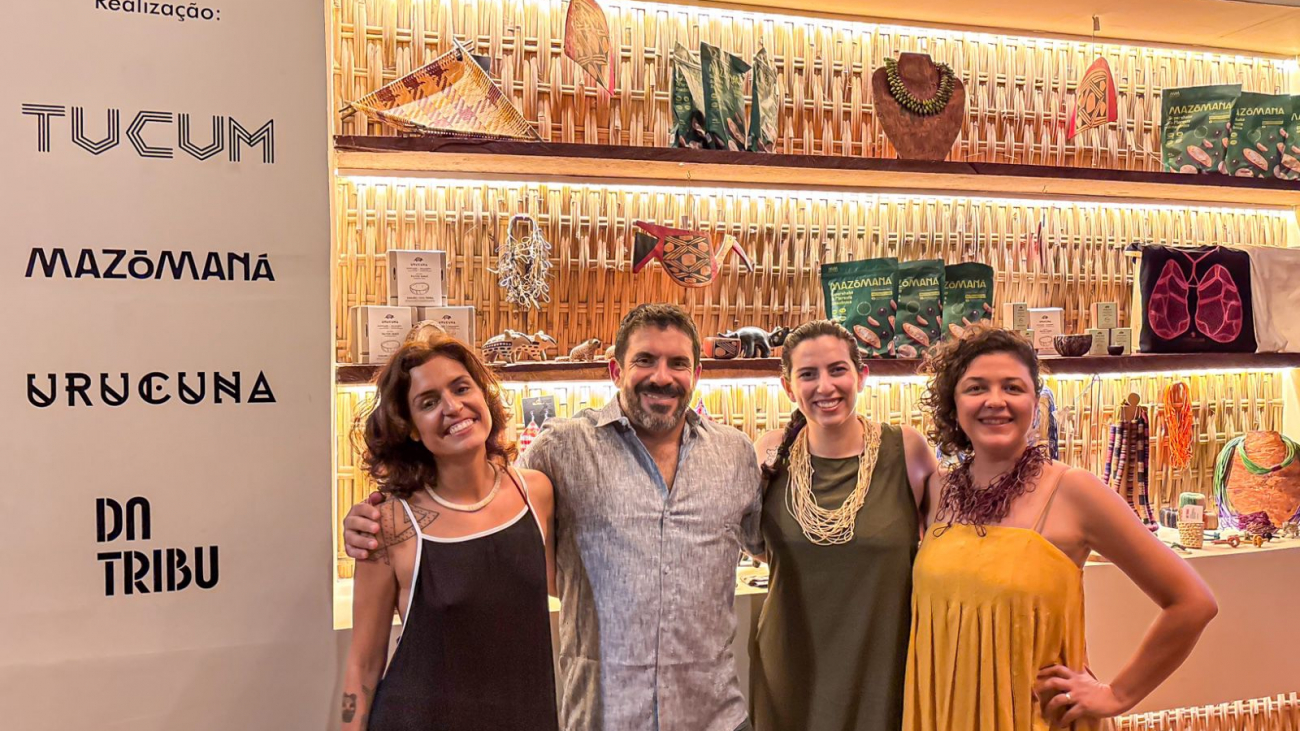
The initiative is led by forest entrepreneurs and long-standing partners of the Amazonian ecosystem, including Tucum and Mazô Maná, both impact businesses accelerated by Amaz, alongside two other forest-based business brands, Urucuna and Da Tribu. During COP30, Casa Niaré will launch the Niaré Journey, which will offer mentorship to indigenous and community entrepreneurs, with support in management, marketing, communication, and certifications.
For Amanda Santana, founder of Tucum and creative director of Casa Niaré, the space serves to consolidate a network that has been working for years to value Amazonian peoples and knowledge. “Casa Niaré comes as a legacy of COP30. More than just a space, we want to create a community that will lead the indigenous socio-bioeconomy, demonstrating the value of the standing forest,” she stated.
Initiatives led by forest communities are gaining prominence in Brazil and around the world, with solid organizational models and innovative businesses with growing economic potential that are fundamental to keeping the forest standing, generating income, and strengthening the territories.
Casa Niaré has the support of Amaz Impact Accelerator, coordinated by Idesam, which evaluates, invests in, and supports impact businesses in rural Amazonia. Gabriela Souza, New Business Leader at Idesam and manager of Amaz, emphasizes that the initiative reinforces the work of impact businesses in the forest and expands their presence in partner communities.
“The initiative is coordinated by two businesses in the AMAZ portfolio with a strong track record of impact and presence in partner communities, from production structure to governance. We see the House as a strategy for embedding these impacts, focusing on the protagonism of entrepreneurs who are still underrepresented in initiatives to promote and provide technical support,” he pointed out.
Schedule
Between November 13th and 15th, there will be roundtables and thematic dialogues bringing together forest leaders, experts, organizations, and companies committed to the socio-bioeconomy. On November 13th, from 10:00 AM to 11:30 AM, the panel "Carbon and Bioeconomy Intersections: Converging Paths to a Regenerative Economy of the Amazon" will take place, with discussions on the role of carbon as an instrument for community empowerment and territorial development.
On November 14th, at 9 am, the debate "Ethical Contracts for the Socio-bioeconomy in the Amazon" will take place, focusing on building good practices and transparent agreements that prioritize fair relationships between communities, companies, and partners. Also on the 14th, from 2 pm to 4 pm, the meeting "Markets and Investments: Allies of the Socio-bioeconomy of the Amazon" will promote connections between indigenous leaders, forest entrepreneurs, funds, and organizations that invest in regenerative and collaborative development models.
Closing the agenda, on November 15th, from 10:45 AM to 12:30 PM, the panel "Native Rubber from the Amazon: Multisectoral Strategies for Strengthening the Supply Chain" brings together representatives from communities, the market, and experts to discuss paths for innovation, valorization, and expansion of the native rubber supply chain as a strategic asset for the regional bioeconomy. All meetings have limited spaces for up to 40 people and are designed to promote open dialogue and direct connections between the audience, guests, and hosts.
More than just a physical address, Casa Niaré represents a platform connecting forest communities with a new generation of sustainable businesses, reinforcing the idea that keeping the forest standing is the path to a just and habitable future for all.