


Text: Maxi Media Communication
Image: Daniela Tipiti/Amaz
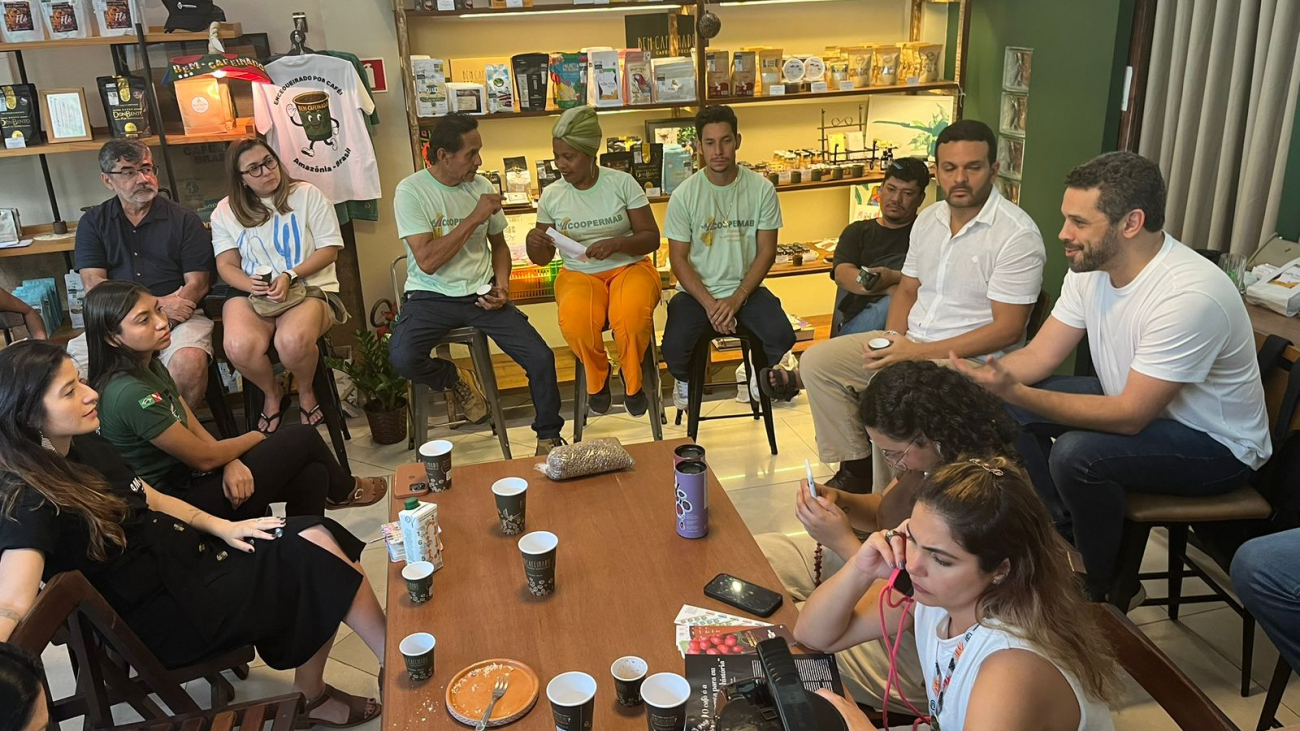
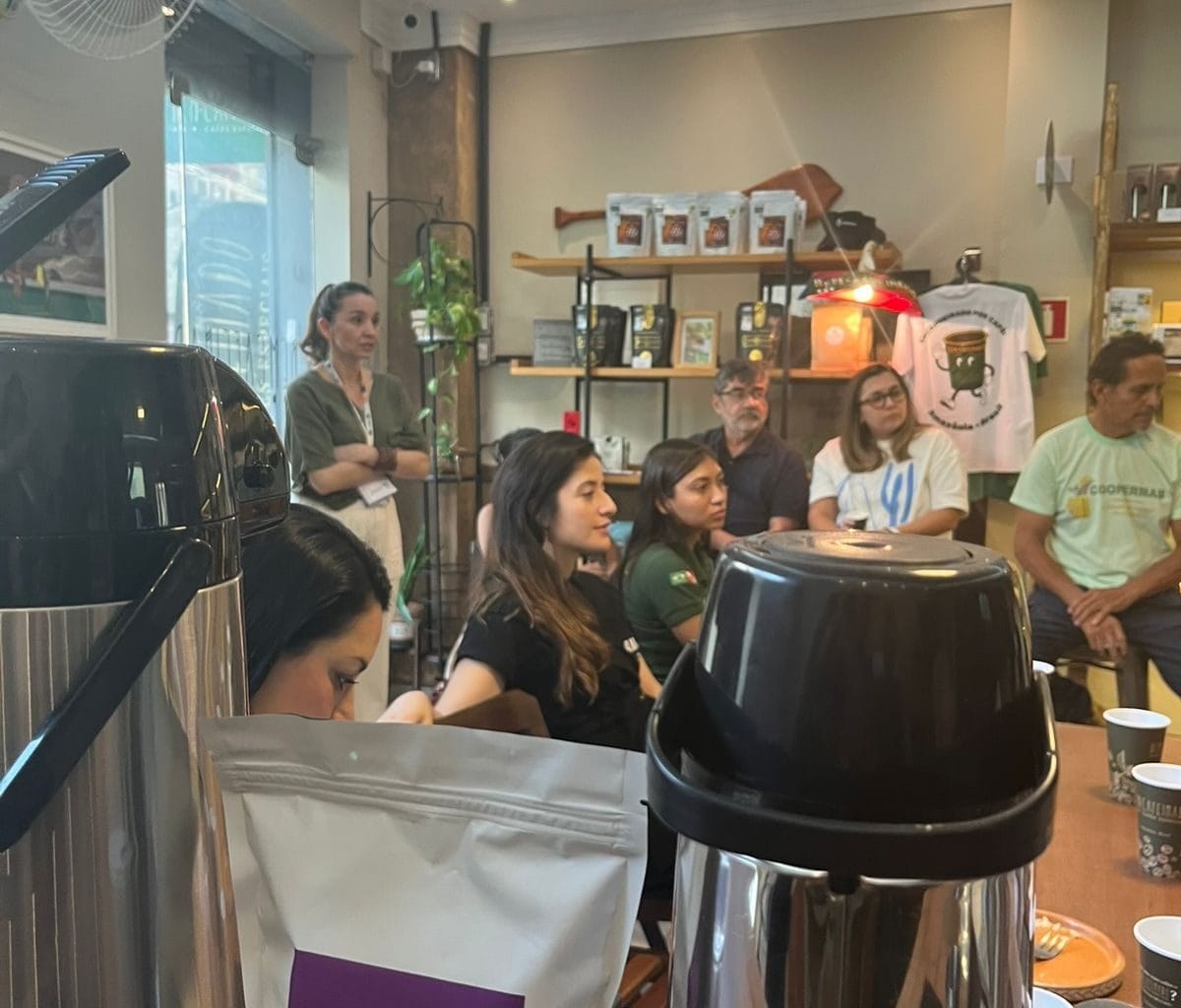
During COP30, held in the heart of the Amazon in Belém, those on the ground in the forest promoting transformations and turning the gears that actually make the bioeconomy happen have the floor. Outside the official spaces in the green and blue zones, there are places like Bem Cafeinado, a store created by Liane Dias in the Reduto neighborhood, which expands the dialogue between the various actors in the impact ecosystem with discussion groups about sustainable businesses.
“The idea is to connect important partners with people who are truly involved in the much-talked-about Amazonian bioeconomy, and promoting this integration is fundamental to avoiding fanciful narratives about climate change and the socio-bioeconomy,” argues the entrepreneur.
Paula Macedo, business portfolio manager at Amaz Impact Accelerator, an initiative coordinated by Institute for Conservation and Sustainable Development (Idesam), He explained how to overcome the challenges of accessing philanthropic and private capital during a conversation with producers and entrepreneurs working with coffee, one of the nation's passions that has been suffering the impact of climate change with drought and heat, which are harming crops in Brazil and around the world.
“Philanthropic capital is becoming increasingly scarce globally and is not enough to solve all social and environmental problems. At Amaz, we work with a fund originating from philanthropic and private capital to support businesses that are already promoting change in rural Amazonia. With this fund, we have already been able to evaluate more than 500 businesses and currently have 16 assets in our portfolio,” explained the manager.
Another Idesam initiative to foster impact businesses in the Amazon, launched at FIINSA COP 30, Zoma – a generator that aims to support entrepreneurs, researchers, and community-based and technology-driven businesses committed to a standing forest economy – was also discussed through Renato Rebelo, leader of Zoma.
“Zôma is about supporting entrepreneurs who are still at the beginning of their journey, those who have an idea, a prototype, or a product, but haven't yet been able to access the market. We want to prepare this foundation for growth and for an economy that values a living Amazon,” Renato explained during the chat.
The proposal is to act as an Amazonian venture builder, that is, a generator that not only accelerates but also structures businesses from the initial stages. Selected participants will have access to mentoring, technical and administrative support, marketing, legal and financial assistance, as well as connections with investors and strategic markets.
On the other hand, producers from the Mixed Cooperative of Family Farming of the Barreta Hub (COOPERMAB), in Vigia de Nazaré, a municipality in Pará known as the capital of Tucupi, but which was also the place where the first coffee seedlings and seeds touched Brazilian soil, brought their experience with wild coffee to the table.
“These are centuries-old trees located on our territory. The cooperative was informally established in 2021, and today we have 50 families involved in artisanal fishing and the cultivation of fruits, vegetables, and greens. We are also working to incorporate coffee, because currently we only have the ancestral trees in the middle of our forest, without any management practices,” commented Maria Souza, a member of the cooperative.
The cooperative already supplies Bacuri pulp, a native Amazonian fruit, to businesses like Aruanas, which produces food with regional flavors. Aruanas emerged from the restlessness of young Luise Lima, who, tired of seeing products in Belém supermarkets with ingredients like blueberries, such as cereal bars and jams, decided to roll up her sleeves and bring the taste of the Pará Amazon to the city's shelves.
“There are things that don’t fit in the packaging. Aruanas already helps in the recovery of 30,000 square meters of degraded areas with agroforestry systems. In addition to bringing the flavor of our land into the regional market,” points out the impact entrepreneur.

