


Text: Maxi Media Communication
Image: Courtesy of Manioca
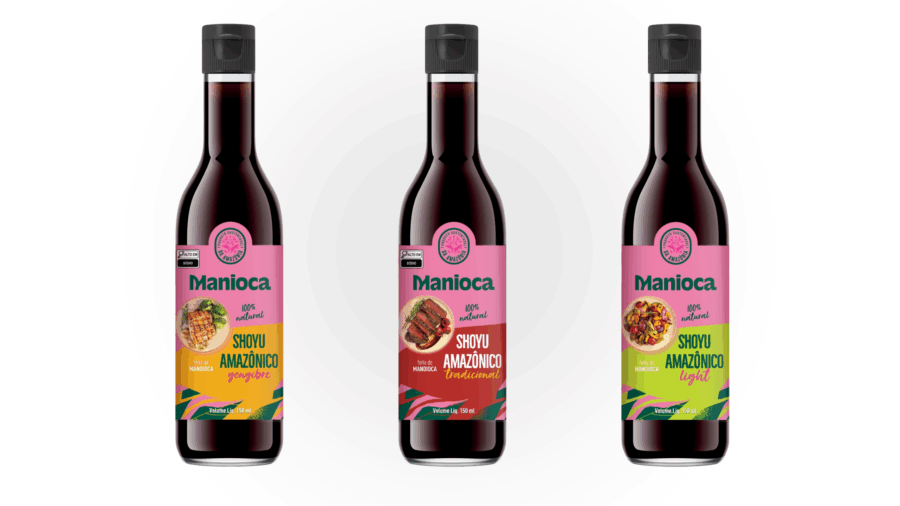
On National Cassava Day, the maniac, A leading company from Pará state specializing in socio-biodiversity ingredients, and part of the AMAZ Impact Accelerator portfolio, celebrates the success of a strategy that combined tradition and market vision: the repositioning of Tucupi Preto as the Amazonian Shoyu. The change in nomenclature and visual identity, consolidated in the 2025 rebranding, resulted in a 35% growth in product sales.
The strategy follows the growth of businesses that transform socio-biodiversity assets into value-added products, expanding the presence of Amazonian flavors on supermarket shelves in major urban centers and connecting tradition, innovation, and regional identity.
The name change to 'Amazonian soy sauce' was not a decision made in a laboratory, but a response to consumer behavior. According to Joanna Martins, founder of Manioca, customers already naturally associated the color, intense flavor, and culinary function of black tucupi with oriental soy sauce.
“The idea came from feedback from the customers themselves. During the rebranding in 2025, we understood that it was time to make it easier for consumers outside of the Amazon to understand,” explains Joanna.
The product combines notes of sweetness, acidity, smokiness, and umami – the fifth taste that helps make everything tastier. "Tucupi is a central representative of umami, which is also present in cheeses and other fermented foods," adds Joanna Martins.
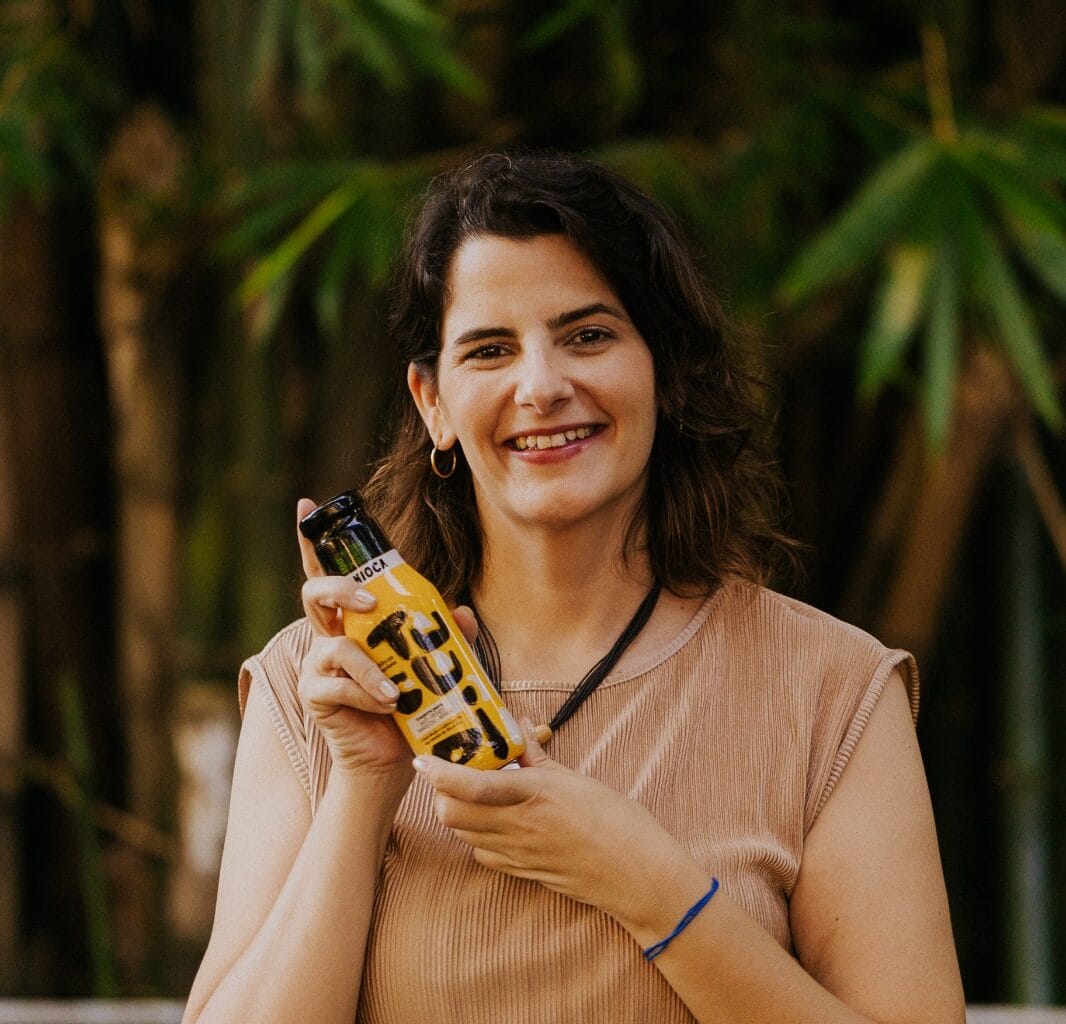
The distinguishing feature of Amazonian shoyu is its naturalness, as it contains only 3 ingredients: cassava, water, and salt – and up to 80% less sodium than traditional shoyus, in the light version – while industrialized soy sauces sold in Brazil contain up to 11 ingredients.
Celebrated on April 22nd, Cassava Day was created to highlight the historical, cultural, and economic importance of this root crop to Brazil. The date chosen by Embrapa coincides with the discovery of Brazil and emphasizes that cassava was already the staple food of the indigenous peoples who lived here when the Portuguese caravels arrived on the northeastern coast.
Roots in the forest
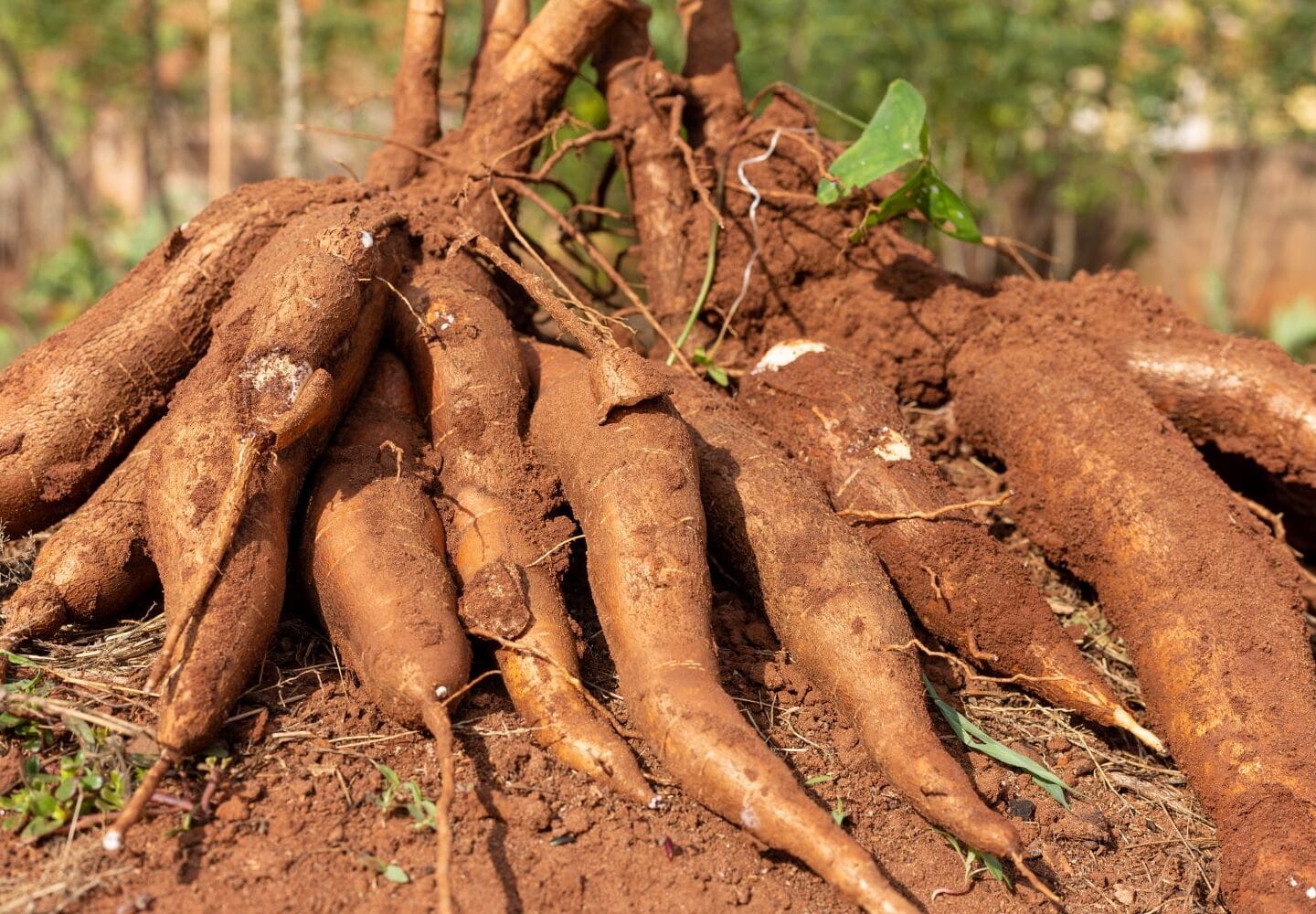
The commercial success of "forest soy sauce" is directly reflected at the base of the production pyramid. Through the Raízes Program, Manioca establishes partnerships with 23 family farmers in Pará, offering technical support and addressing the producers' needs.
“It’s always a two-way street. We help the supplier to have better quality cassava, and they deliver an input that adds value to our final product,” highlights the CEO of Manioca. This supply chain governance is one of the pillars of impact investing and has attracted the attention of strategic investors and partners such as the multinational Ajinomoto.
Manioca's trajectory exemplifies the maturing investment ecosystem in the Amazon. Supported by Idesam, which coordinates the AMAZ Impact Accelerator, the company was one of the pioneers to participate in the acceleration program in 2019.
For Gabriela Souza, head of new business at Idesam, Manioca is today a benchmark of resilience. “We have followed the strengthening of the business, from structuring the supply chain to global partnerships. Manioca today reflects how robust governance and intentional capital can scale Amazonian solutions,“ she states.
Innovation in the label, tradition in the essence.
Manioca presents tucupi not as an exotic ingredient, but as a versatile seasoning for everyday cooking — from risotto to ceviche — and to break down the barrier of "haute cuisine," the company launched a recipe e-book that teaches how to use tucupi in simple dishes, such as rice with broccoli or chicken with coconut milk.
The goal is clear: to transform tucupi into an indispensable item in the Brazilian pantry, proving that forest conservation can — and should — have a familiar and accessible flavor.


Add a Comment