1711575808076

Brands from the AMAZ portfolio are on Carrefour shelves

Photo: Carrefour Disclosure

Mazô Maná, Na'Kau, Manioca and Soul Brasil are among the brands that are part of the Floresta Faz Bem Program

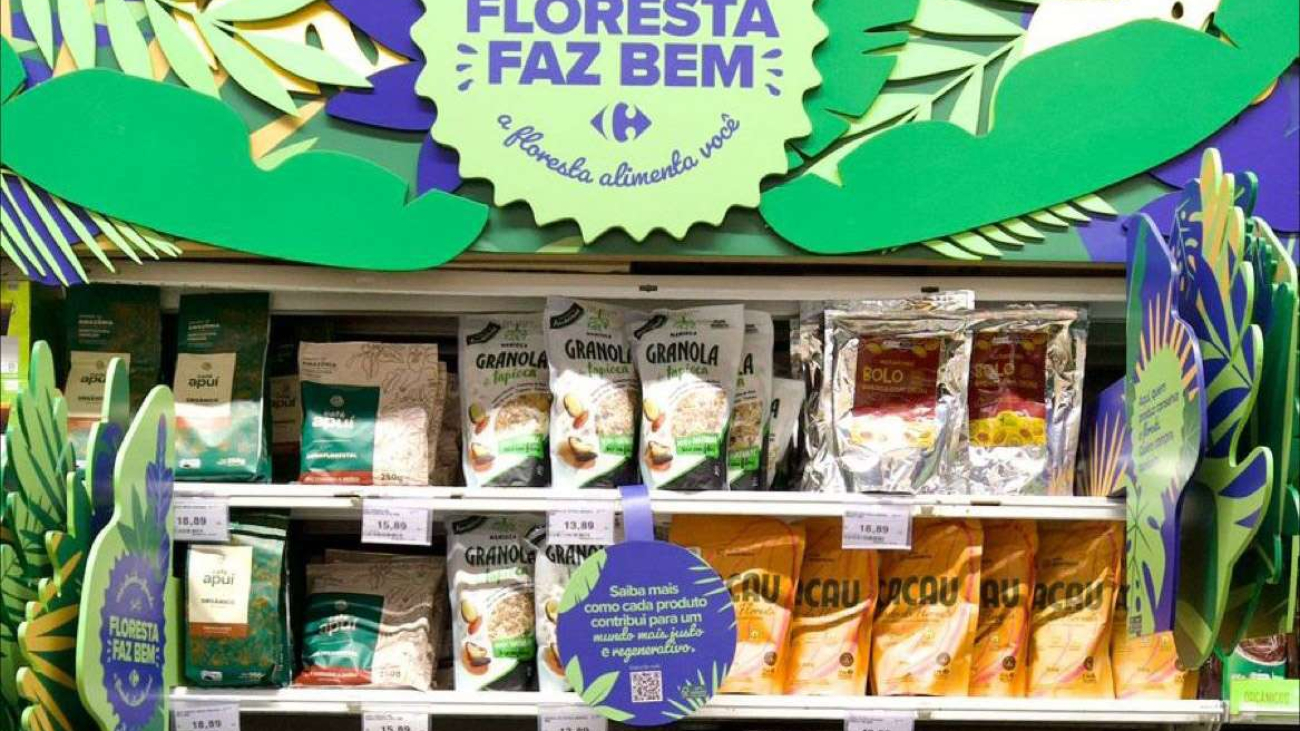
Chocolates, tapioca granola, jellies, sauces and a supershake with Amazonian ingredients can be purchased on the shelves of the Floresta Faz Bem Program, the first exclusive initiative and in a national network to encourage the sale of products produced by or in partnership with indigenous peoples and traditional communities of the Amazon.

The Carrefour Brasil Group's initiative is in line with its commitment to leading the transition of food systems in the country and promoting socio-biodiversity products.

Two Carrefour hypermarket units in the city of São Paulo – Paseo Alto das Nações and Jardim Pamplona Shopping – already offer shelves with products. The next unit to implement the Floresta Faz Bem program will be in Brasília – Brasília Sul.

The products on sale, from 13 brands, including the four in the AMAZ portfolio, include organic chocolates, coffee, jams, cocoa, cake mixes and the Amazon Forest supershake.

From Na'kau - which works with organic cocoa from the Amazon floodplains, harvested by producers from riverside communities on the Madeira and Amazon rivers - the 72% organic chocolate shelf is made up of cocoa and combinations with Amazon nuts, Café Apuí Agroflorestal, Cupuaçu and Pimenta Baniwa.

Manioca's tapioca granola contains, in addition to flaked tapioca, chestnuts, cocoa nibs, cupuaçu and cumaru, ingredients grown by traditional people and communities.

Soul Brasil sauces and jellies – organic and with the Origens Brasil seal ® – combine Amazonian ingredients for unique flavors, such as Assîssî pepper sauces (cultivated by Waiwai indigenous women) and Jiquitaia pepper (cultivated by Baniwa indigenous women), as well as mango with cumaru, banana with Amazonian cocoa and mango with Asîsî pepper.

And from Mazô Maná comes the Supershake da Floresta, a complete powdered meal made up of 14 ingredients from the forest, including açaí, babassu, chestnuts, mushrooms, cumaru and cumari pepper. The ingredients come from crops grown by indigenous peoples and family farmers, and the product has the Origens Brasil seal ®

“It's really cool to see companies whose purpose is to conserve or restore forests and generate income for communities in the Amazon, managing to position their products in large retail chains like Carrefour. This reinforces the commitment of these companies to help build the solutions that the Amazon needs, as well as providing an opportunity for people to contribute to the conservation of the forest by purchasing quality products in all regions of Brazil. Congratulations to Carrefour for the Program”, analyzes Mariano Cenamo, director of new business at Idesam and CEO of AMAZ. The list of all producers and more information can be accessed on the program website: https://www.grupocarrefourbrasil.com.br/florestafazbem/
Cópia de WhatsApp Image 2023-06-13 at 10.02.54 (1)

Manawara opens third franchise

Photo: Manawara Disclosure

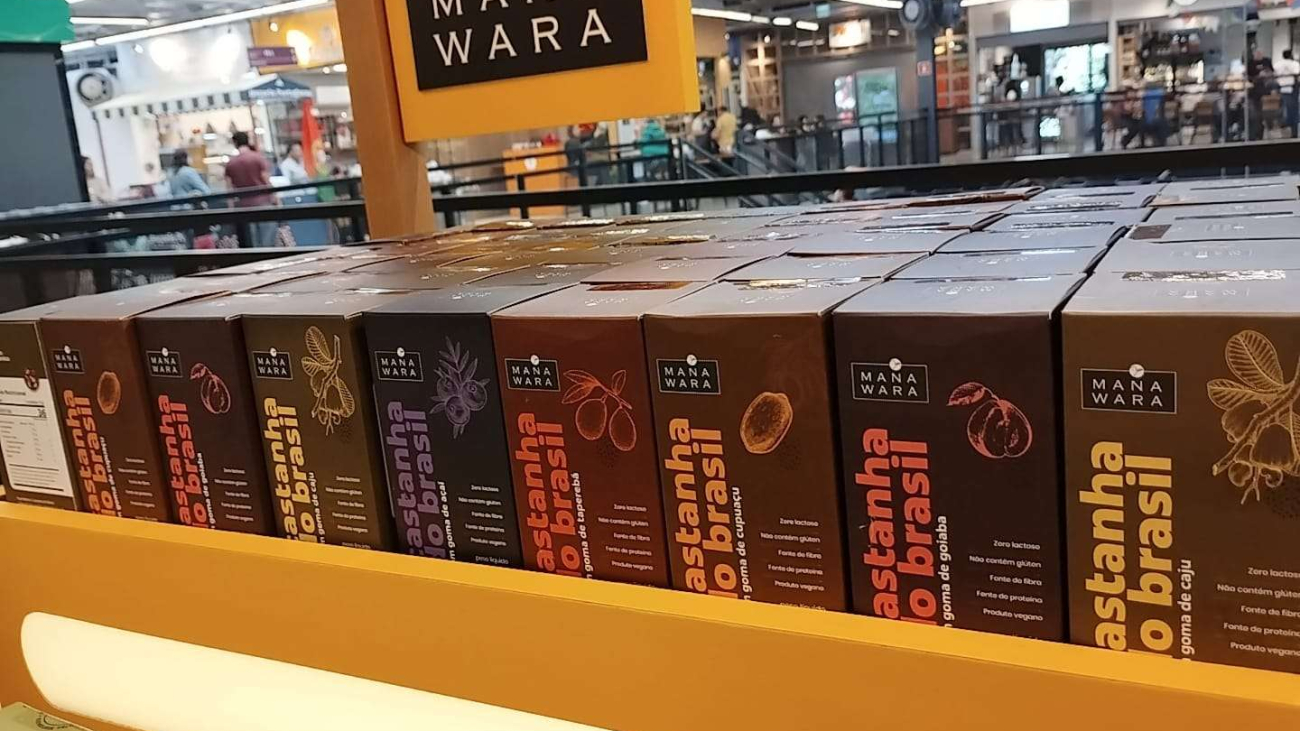
After opening two franchises – one in Manaus and another in São Paulo – Manawara opened its third unit in Shopping Osasco, in the city of Osasco, in the Metropolitan Region of São Paulo.

The unit is part of a series of franchises scheduled to open by the end of 2024. Two others should open later this year, between May and June: at Shopping Pátio Paulista, in the capital of São Paulo, and in Manaus, at Amazonas Shopping .

More units are also planned for the year in São Paulo, Rio de Janeiro and Belo Horizonte. The point of sale in the capital of São Paulo, opened in mid-2023, remains in operation and also functions as a showroom to attract future franchisees.

Mércio Sena, CEO of the company, highlights that Manawara should deliver 10 franchised units this year, with the firm intention of expanding access to Amazonian flavors. The franchise model offers more than 20 products, including fruit candies of different flavors, nuts and cookies. Foods such as açaí, guaraná, taperebá and cupuaçu are present in jujubes and other vegan products, free of gluten and lactose. And it plans to close the year 2024 with 15 new products.

In its production chain, Manawara seeks to value producers from the Amazon region. The guaraná used comes from Maués, the nuts come from Assoab (Association of Farmers of Beruri), which operates in Resex Mamirauá. The starch in the cookies comes from Iranduba, the honey from Boa Vista do Ramos, the coconut flour from producers in Acre.

WhatsApp Image 2024-04-23 at 16.03.31 copia

Manioca launches line of farofas

Photo: Divulgação Manioca

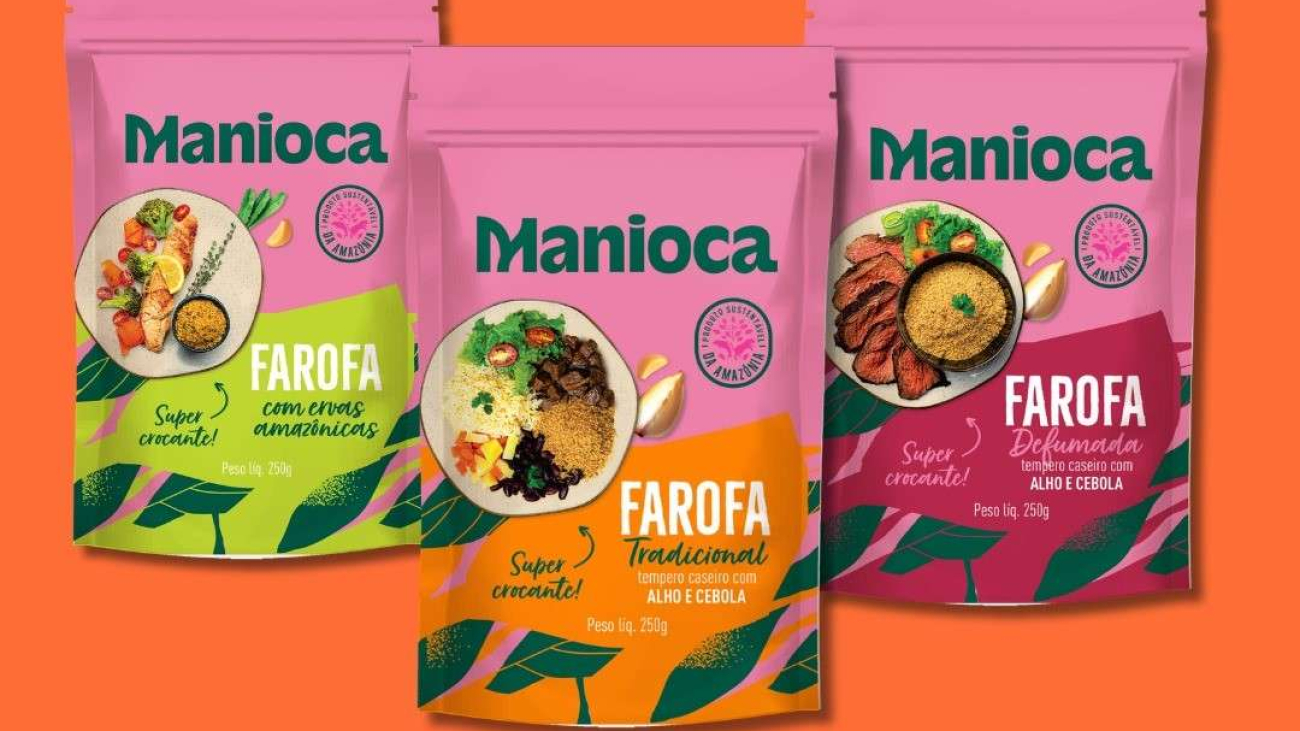
Manioca has just launched a new line of products: farofas. The novelty hits the market in three flavors: traditional, smoked and Amazonian herbs.

The main differences of the products, according to the company, are the flavor, grain size and crunchiness, originating from ancestral techniques from the region.

In addition to genuinely Amazonian yellow cassava, the farofas feature local ingredients that give a unique aroma and flavor to each of the versions offered: the traditional one has a touch of puxuri, a spice that replaces nutmeg, with a slight mentholated touch; the smoked one has cumaru, an aromatic seed known as Amazonian vanilla, which provides a light sweet touch, combining perfectly with the smokiness of its seasonings; the Amazonian herbs store presents consumers with alfavaca and chicory from Pará, herbs always used in pairs in several traditional dishes from the region.

The products will be on sale in supermarkets and emporiums across the country in 250g packages and promise to bring more flavor to Brazilians' tables.

Ingredients of Amazonian origin

The cassava used in its production is cultivated by two traditional communities in the municipalities of Moju and Acará, both in Pará, who receive technical assistance and training offered by Manioca and partner NGOs to carry out management organically and without harming the environment and its producers, ensuring quality and sustainable ingredients.

For nine years working to improve products made from cassava and with the production of farofa, Manioca is now using the food in its entirety. The starch is used in tapioca flour and pepper sauce, the liquid is transformed into tucupi vegetable broth and black tucupi sauce, Amazonian soy sauce, and now the dough becomes farofa.

Foto Omar Velásquez Rojas

Casa Tucum opens in the center of Rio de Janeiro

Photo: Omar Velásquez Rojas

Space demarcates indigenous territory in the capital of Rio de Janeiro as platform for indigenous arts in Brazil and its creators

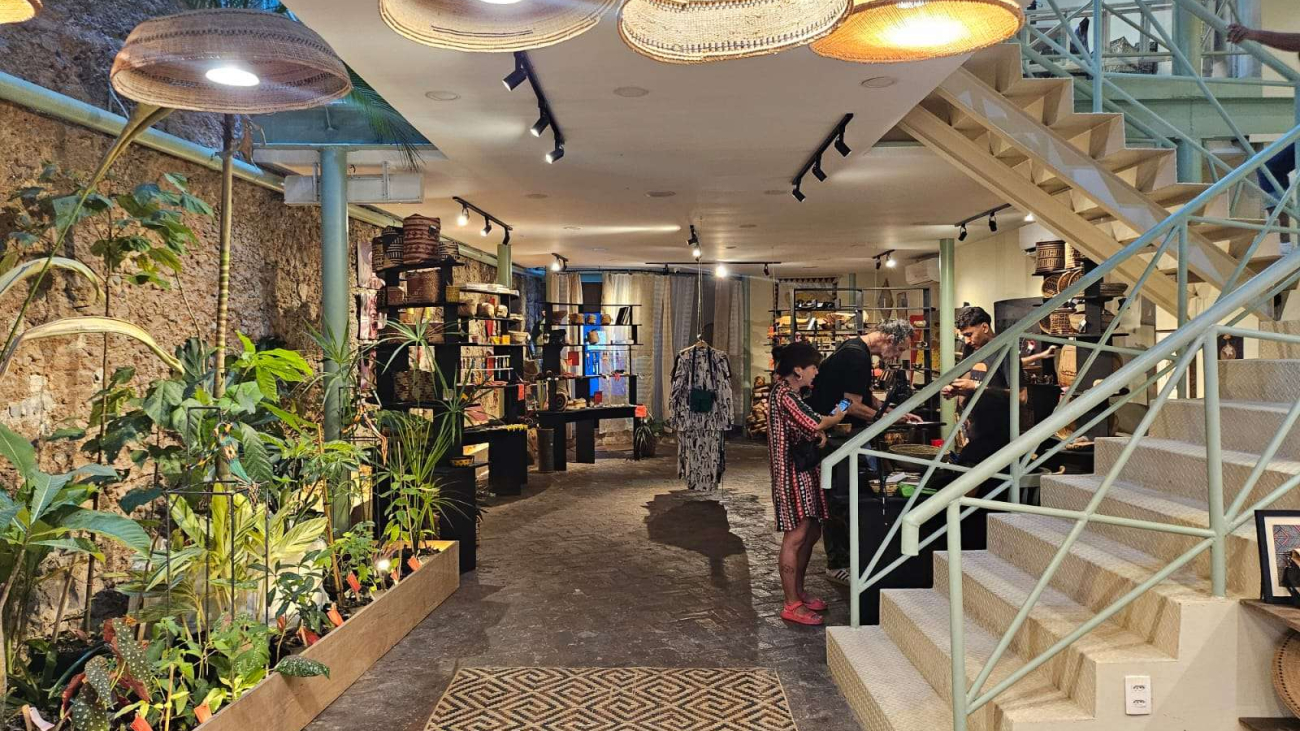
Tucum opened Casa Tucum in the city center of Rio de Janeiro (Rua do Rosário nº 30). More than a space for commercializing indigenous art and crafts from different parts of the country, the place is a cultural center that demarcates territory in the heart of the capital of Rio de Janeiro, being a space for resistance and encounter with indigenous culture, for dialogue and construction permanent.

The House was opened to the public on 19/04, Indigenous Peoples' Day, with an extensive program that included maraca and snuff circles, singing, traditional ceremonies, presentation of the house's artistic curatorship, musical performances, exhibition opening, conversation, storytelling, body painting, workshops, and continued until the end of the month with the participation of indigenous people of different ethnicities.

Leaders, experts and artists from different peoples were present to celebrate and reaffirm Brazil's indigenous arts as a tool of struggle.

The purpose of the space is to disseminate and value the diverse original narratives, promote decolonial ideas and reforest the minds of visitors. In addition to permanent cultural activities, Casa Tucum sells indigenous arts from different regions of the country.

“It was a dream come true. It was a very strong moment, an ancestral force that was formed, was present inside the house, and we actually demarcated this territory with the presence of these relatives there. The House will be a space for people to get closer to the reality and culture of our partners. A space to reaffirm the arts and indigenous peoples of Brazil”, analyzes Amanda Santana, founding partner and creative director of Tucum.

Casa Tucum is part of the Rio City Hall's Reviver Cultural project, which aims to revitalize the city center through cultural spaces.

Check out the opening video