mariano-amaz

Note of Condolence

It is with immense sadness that AMAZ announces the passing of Mariano Colini Cenamo, CEO of AMAZ and founder of Idesam, which occurred on the night of July 10, 2026.

Mariano dedicated his life to the Amazon. More than just creating an organization, he built a movement of people committed to demonstrating that conserving the forest necessarily involves valuing those who live in it. His transformative vision helped consolidate a new way of thinking about sustainable development, connecting science, entrepreneurship, innovation, bioeconomy, and social impact long before these themes occupied a central place in global discussions.

When he founded IDESAM more than two decades ago, Mariano laid the foundations for an institution that today works on different fronts to promote concrete solutions for the Amazon. His ability to bring people together, develop leaders, build bridges between different sectors, and transform challenges into opportunities has profoundly marked the institution's trajectory and influenced countless initiatives that continue to generate a positive impact in the region.

But perhaps his greatest legacy was his humanity. Mariano deeply believed in people. He encouraged talent, challenged teams to go further, celebrated collective achievements, and made trust a principle of leadership. He inspired colleagues, partners, communities, entrepreneurs, researchers, and friends to see that great transformations begin when someone decides to believe they are possible.

His departure leaves an immense void. At the same time, it leaves an equally great responsibility: to continue caring for the legacy he helped build. Each project, each partnership, each strengthened community, and each opportunity created to keep the forest standing carries a piece of his vision and his commitment to the Amazon.

In this moment of profound sorrow, IDESAM expresses its solidarity with the family, friends, colleagues, and all who had the privilege of sharing part of this journey with Mariano. Our gratitude for his life, his generosity, and his ability to inspire people will forever remain in the institution's history.

Honoring his memory will mean continuing to work with the same purpose that always guided his career: building solutions capable of reconciling forest conservation, sustainable development, and quality of life for the Amazonian populations.

Mariano leaves behind a legacy that transcends time. He will remain present in IDESAM's mission, in the people he trained, in the institutions he helped strengthen, and in every transformation built for the benefit of the Amazon.

Information about the farewell

The farewell ceremony will be held on July 11th at the Ivory Chapel, at the Jardim da Paz Cemetery and Crematorium, in Florianópolis (SC).

Funeral: From 10 AM to 1 PM.

Address: SC-401 Highway, km 17, No. 2647, João Paulo neighborhood, Florianópolis (SC), Postal Code 88030-000.

Mariano, IDESAM pays you its most sincere tribute. Your legacy will live on in the forest you so fiercely defended, in the people you inspired, and in all of us who will continue to believe—as you always believed—that it is possible to build a more just, prosperous, and sustainable Amazon.
semna do clima foto destaque

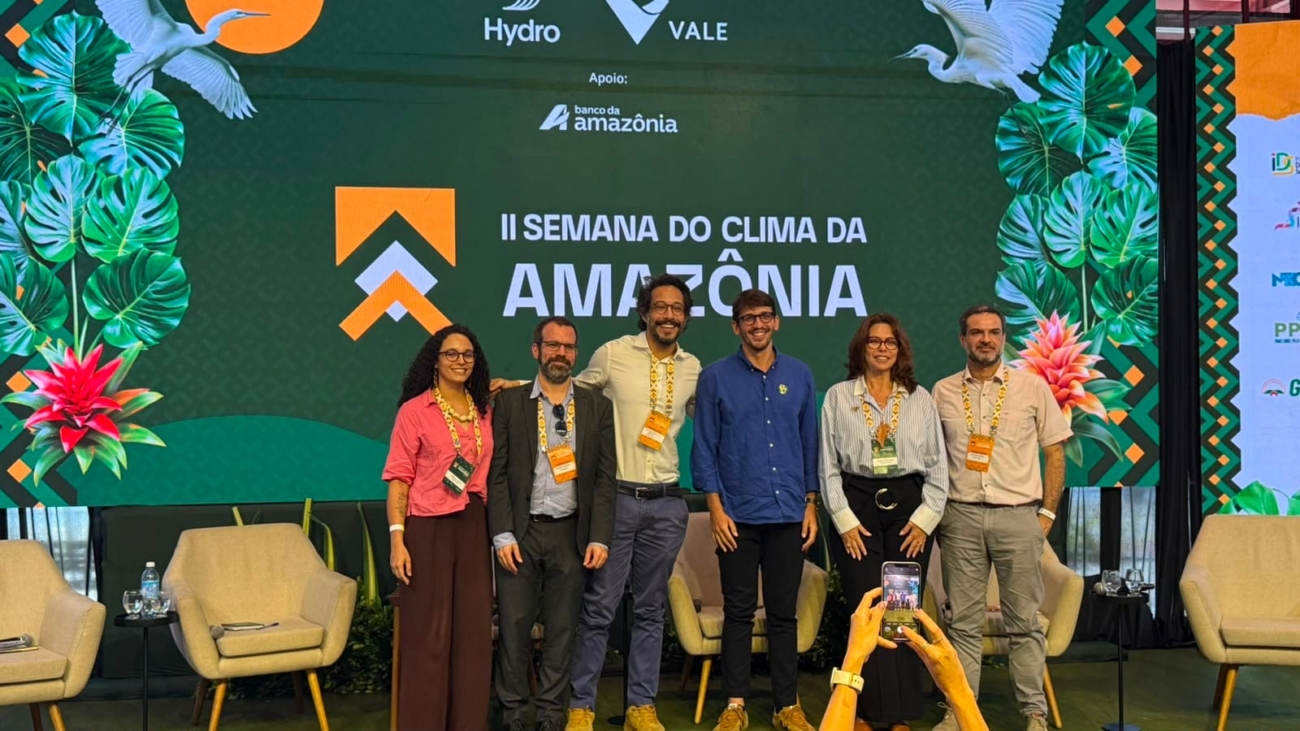
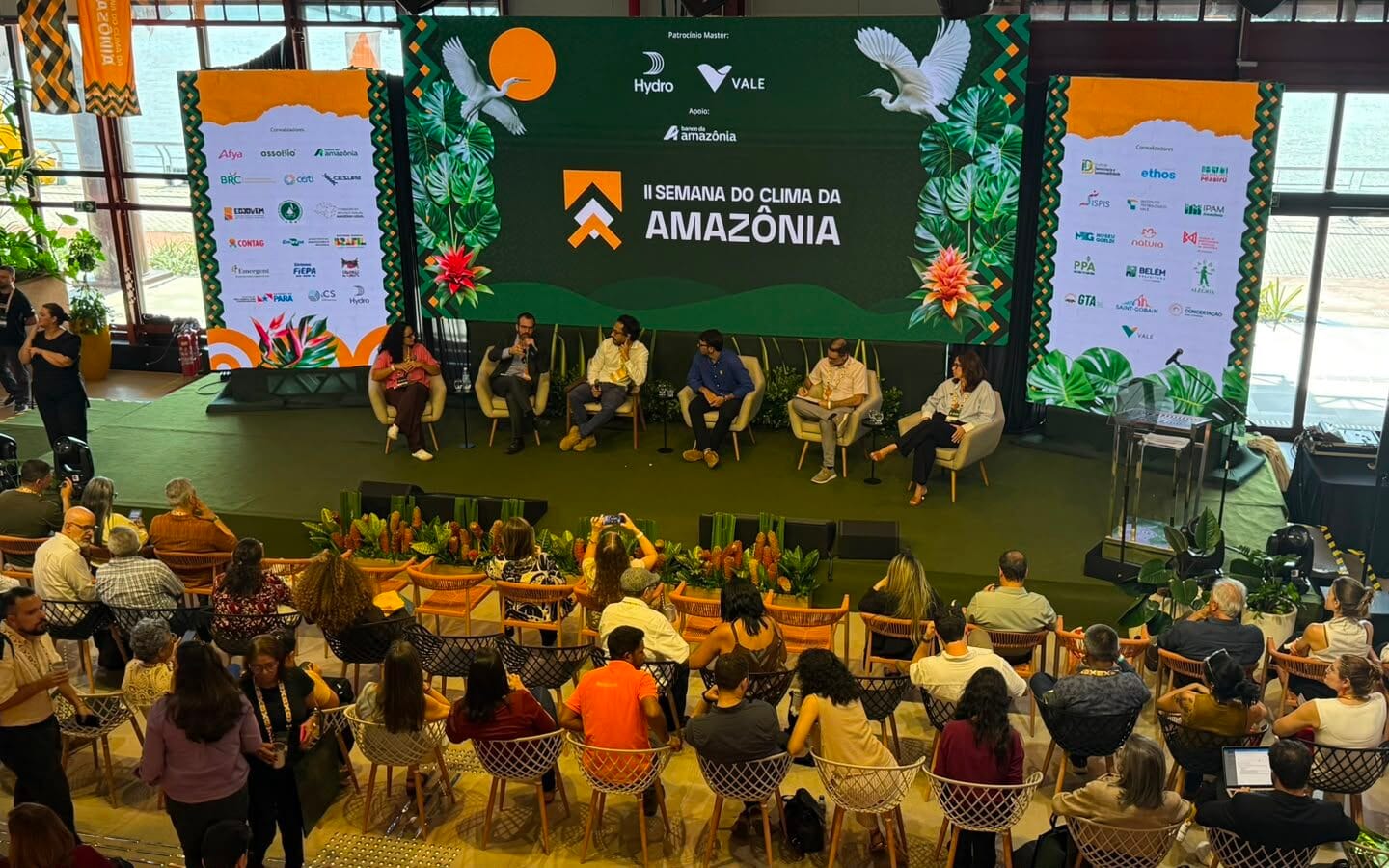
AMAZ highlights integrated funding and support for the socio-bioeconomy during Amazon Climate Week.

Text: MaxiMídia Comunicação

Photo: Disclosure Amaz

Gabriela Souza, operations manager at the accelerator, moderated a debate on capital, public policies, and the challenges of scaling up impact investments in the Amazon region.

AMAZ, the largest accelerator and investor in impact businesses focused on the Legal Amazon, conceived and coordinated by the Institute for Conservation and Sustainable Development of the Amazon (Idesam), is actively participating in the II Amazon Climate Week, which is being held in Belém (PA) between June 29 and July 4.

Representing the organization, Gabriela Souza, operations manager at AMAZ and leader of New Businesses at Idesam, moderated the panel “Sociobioeconomy and Financing,” which brought together representatives from the Ministry of Agrarian Development and Family Agriculture (MDA), the Pará State Secretariat for the Environment and Sustainability (Semas), the National Bank for Economic and Social Development (BNDES), the Partners for the Amazon Platform (PPA), and the Association of Sociobioeconomy Businesses of the Amazon (Assobio).

According to Gabriela, the central theme of the debate was building a favorable environment for socio-bioeconomy ventures to grow sustainably, with different forms of support throughout their journey.

“The idea I brought to the panel was to discuss the financing of the socio-bioeconomy from the perspective of the capital continuum and enabling conditions, understanding that we need to create infrastructure for socio-bioeconomy businesses and social organizations to succeed, from public policies and financing to land regularization and adequate investment,” he stated.

She highlighted that two words guided the discussions: adaptation and suitability. The proposal was to analyze how each participating institution operates within this logic and how different instruments can complement each other to strengthen Amazonian enterprises.

“The capital continuum is precisely about considering the needs of businesses on various fronts, from financial resources to relational and technical capital. It's about ensuring that, from the initial idea to scaling up, there are no disruptions that cause these ventures to disappear due to a lack of necessary support at a given moment,” he explained.

FINSA

The moderator also highlighted the connection of the debate with Fiinsa (Impact Investment and Sustainable Business Festival in the Amazon), an initiative that brings together actors positioned at different stages of financing the bioeconomy and seeks to build collective solutions for the sector.

Gabriela stated that she explained about Fiinsa and invited the participants to also take part in the event, whose 4th edition will take place between November 3rd and 5th in Manaus, under the coordination of Idesam and Impact Hub Manaus, with the active participation of AMAZ.

The panel's organization followed the logic of the capital continuum, starting with federal public policies, moving through state strategies, and culminating in financing instruments and the experiences of the region's own entrepreneurs.

“Implementation is very much in the spotlight right now, especially since this is the second Climate Week held in the Amazon and the first after COP. The debate now is about practice, about how to transform commitments into concrete actions,” Gabriela noted.

The 2nd Amazon Climate Week can be considered the first major international event in the Amazon after COP 30.

Challenges for small businesses

During the meeting, the president of Assobio, Paulo Reis, presented the perspective of small and medium-sized enterprises in the Amazonian bioeconomy, especially those located in urban centers that invest in adding value and verticalizing production.

According to him, one of the main obstacles is still related to the financing model available to entrepreneurs in the region.

“We need to review how financing is provided so that entrepreneurs can actually work and focus on their businesses. Today, many receive very low investments, which makes it difficult to achieve scale, innovate, and prosper economically,” he stated.

Paulo Reis argued that capital allocated to the sector should assume a greater share of the risks inherent in impact investing and contribute to increasing value creation within the Amazon itself.

“"The suggestion is to bring more risk to capital that should be at risk, but which often invests little in adding value within the Amazon region," he said.

He also drew attention to the need to expand the consumer market for Amazonian products, encouraging the appreciation of items that go beyond already established supply chains, such as açaí and cocoa.

“"Currently, we need to mobilize a market that buys a greater diversity of products from the Amazon, and not just those that are already traditional, especially in the form of raw materials," he emphasized.

The Amazon at the center of the climate debate.

For Paulo Reis, hosting a Climate Week in the Amazon represents an important step forward, allowing the region itself to present its solutions and challenges in the face of climate change.

He pointed out that similar events often occur in major international centers, such as London, Paris, and New York, which are not always directly connected to the realities of the most impacted territories.

“There is no more suitable place to discuss climate than the Amazon. We are talking about a region that is fundamental for nature conservation, for water resources and for the planet's climate balance, but which also directly suffers the impacts of climate change,” he stated.

According to the president of Assobio, the prominent role of the Amazon region in global discussions allows for the incorporation of local perspectives that are often absent from international forums.

“We need to have space to bring our opinion and our point of view. Often, these discussions take place from the perspectives of the Global North or already developed regions. The Amazon also needs to be heard as a territory that faces challenges, but which, at the same time, offers solutions for the world,” he concluded.

DCIM100MEDIADJI_0040.JPG

AmidoMato joins AMAZ's portfolio with an innovative solution for the babassu supply chain. 

Text: MaxiMedia

Photo: Courtesy of AmidoMato

A startup that develops derivatives of babassu flour was the only one selected in the 2025 Business Call, which concludes the cycle of the first investment fund from the largest impact business accelerator in the region. 

AmidoMato, a startup dedicated to the standardization and development of babassu flour derivatives for the food industry, is the winner of the AMAZ 2025 Business Call and will now be part of the portfolio of the impact accelerator coordinated by Idesam.  

This selection marks the end of a five-year cycle of investment and support for innovative ventures focused on the sustainable development of the Amazon. This year, the accelerator will not be launching a new Call for Businesses. 

AMAZ's investment complements AmidoMato's seed funding round, aimed at consolidating its production process and expanding its customer base. Founded in 2024, the startup raised R$ 2 million in a round that brought together three important investors: Grão Venture Capital, a founding partner of the business; RG Futures, the food innovation investment arm of RG ThinkFood; and Abunã, the investment arm of entrepreneurs Ilana and Denis Minev focused on initiatives in the Amazon. 

In addition to financial support, AmidoMato has strategic partners that strengthen its market presence. These include Griffith Foods, a multinational food company with which the startup signed its first major supply contract, and EBS, a company specializing in industrial technology for starches and flours. 

The company was founded by Eduardo Roxo, a biologist with a master's degree in Ecology and Agribusiness and an entrepreneur with extensive experience in Amazonian socio-biodiversity businesses. Co-founder of Atina, Mombora and Painel da Floresta, Roxo has worked with the babassu supply chain since 2007, when he participated in the development of babassu mesocarp flour for application in the cosmetics industry. 

AmidoMato aims to transform babassu mesocarp flour into a competitive ingredient against commodities widely used by the industry, such as wheat, corn, rice, and cassava. The proposal is to connect the abundant supply of raw materials existing in the Amazon and the Brazilian Mid-North to the growing global demand for flours, starches, and functional ingredients. 

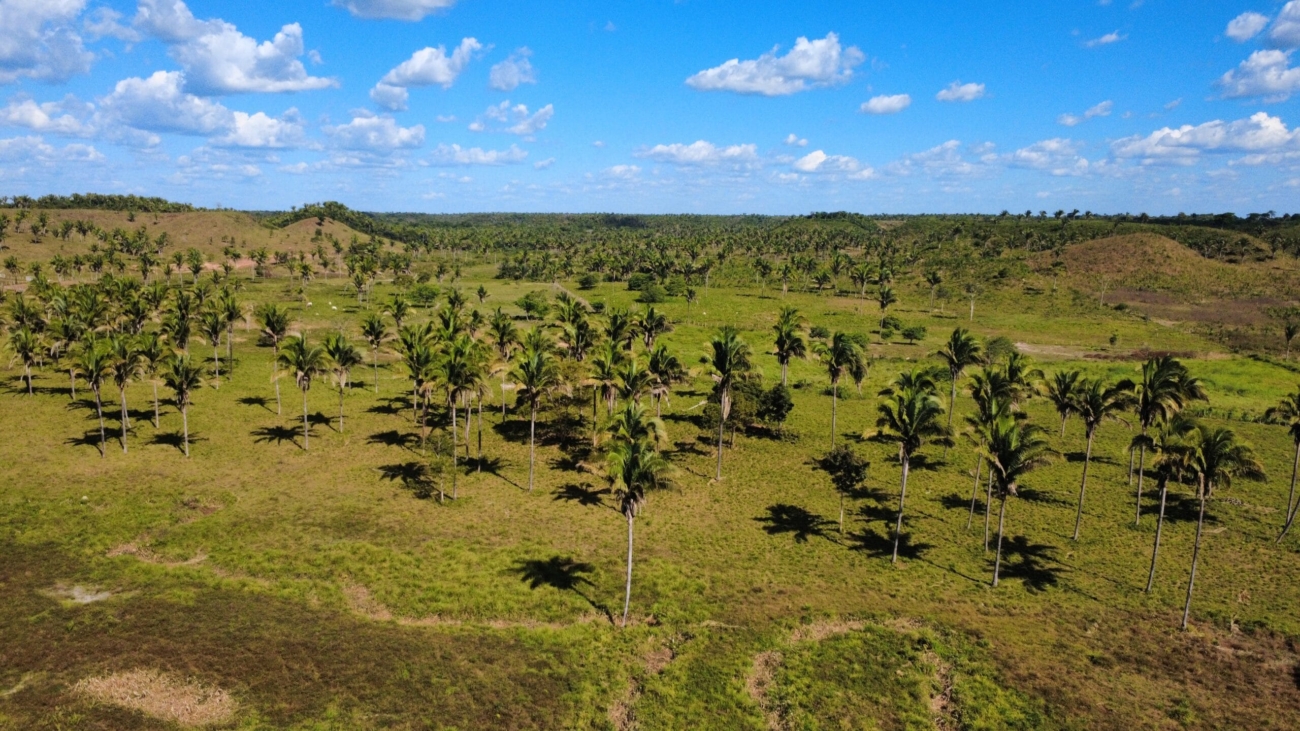
The startup directly addresses historical bottlenecks in the babassu production chain, a palm tree that occupies approximately 15 million hectares between Bolivia and Northeast Brazil. Traditionally focused on extracting oil from the kernels, the chain makes little use of the fruit's mesocarp, which tends to deteriorate rapidly after falling to the ground. 

Among the main challenges faced by the sector are the irregular supply of raw materials, contamination resulting from traditional harvesting, and the lack of standardization of essential characteristics for the industry, such as particle size, color, fiber content, and technical performance. 

“Our goal is to make babassu flour a safe, competitive, and readily available product, a new option in the world of flours that isn't limited to the niche of forest products,” says Eduardo Roxo, founder of AmidoMato. “We aim to deliver a standardized product with high nutritional quality to the industry.” 

By integrating into AMAZ's portfolio, AmidoMato strengthens its growth strategy and expands its capacity to generate positive socio-environmental impact, contributing to the valorization of productive chains of Amazonian socio-biodiversity and to the creation of new economic opportunities from the standing forest. 

The role of AMAZ in advancing impact investing in the Amazon. 

In 2018, Idesam began working to strengthen impact businesses through its Acceleration Program. From 2018 to 2020, 30 businesses were accelerated and 12 received investments. With the maturation of the program came the accelerator; thus, in 2021, AMAZ was created and for the past five years has been dedicated to selecting and accelerating nascent businesses that provide impactful solutions for the Amazonian context.  

Over the years, the accelerator has accumulated valuable experience and is now a benchmark in the impact investing ecosystem, with impressive numbers such as: 500 startups evaluated, 52 accelerated, and 29 invested in, of which 16 remain active in its business portfolio.   

“In 2026 we will close the cycle of AMAZ's first fund. Our portfolio reflects the diversity of solutions needed for the Amazonian bioeconomy: forest restoration, innovation in ingredients and products, financial and logistical solutions. Over the next 5 years we will consolidate learnings, multiply support mechanisms and strengthen the businesses we invest in,” says Gabriela Souza, New Business Leader at Idesam and operations manager at AMAZ.