


Text: Maxi Media Communication
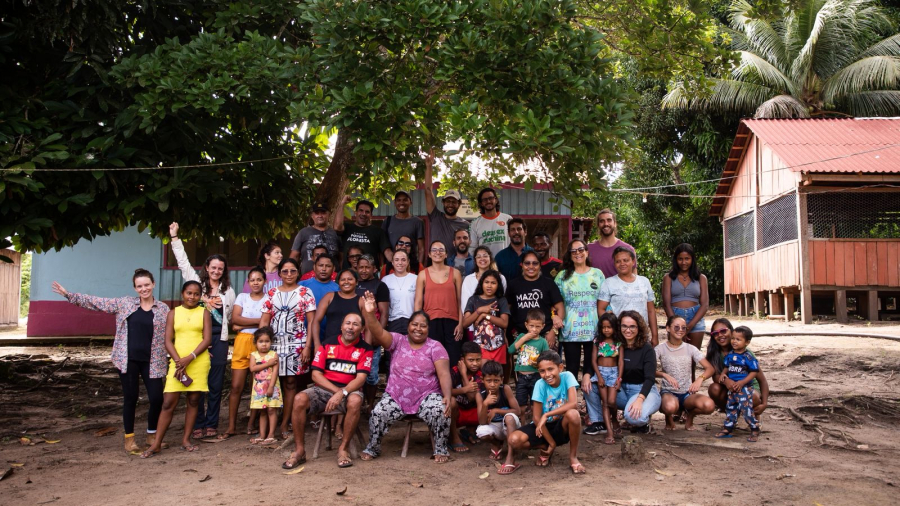
Photo: Mazô Maná Disclosure
Operating across more than 6.4 million hectares in the Legal Amazon, the AMAZ Impact Accelerator directly benefited 1,959 families and 45 social organizations, generating R$ 4 million in payments to local partners throughout 2024. The data is part of the 2025 Impact Report, released this Monday, July 28, a day when nature conservation is celebrated worldwide. The figures reinforce the potential of the bioeconomy as a driver for sustainable development in the region.
Coordinated by Idesam, AMAZ is now in its fifth year consolidating its position as the largest impact accelerator in the North, bringing together a strategic portfolio of 14 businesses by 2024, focused on the sustainable management of natural resources, ecosystem restoration, and strengthening production chains.
"The report confirms our commitment to transparency, measurement, and management of positive socio-environmental impact. Measuring the depth of transformations in the region is a challenge, but also an essential guide for us to move forward with purpose," says Mariano Cenamo, CEO of AMAZ and Director of New Business at Idesam.
Startups that strengthen the forest bioeconomy
The accelerated businesses operate in different sectors of the Amazonian bioeconomy, such as sustainable logistics, food, fashion and indigenous art, natural cosmetics, community-based tourism, and environmental regeneration. The portfolio is intentionally diverse, reflecting the region's multiple stages of maturity and territorial profiles.
To support these initiatives, the accelerator operates through an innovative model of blended finance, combining philanthropic and private resources. Since its inception, it has raised R$25 million in impact investments.
"AMAZ operates at key points in the ecosystem's development, offering technical, legal, accounting, and marketing support, in addition to financing. The JBS Fund for the Amazon recognizes that the investment made has generated a positive and concrete impact on the forest's bioeconomy," emphasizes Lucas Scarascia, Project and Operations Monitoring Manager at the Fund, one of the accelerator's financiers.
Challenges and lessons learned in measuring impact
Measuring socio-environmental impact is a challenge given the diversity of territories and business models.
In this edition, the report focused on social indicators and the total area of operation consolidated due to the complexity of data collection, standardized across different contexts – which include Indigenous Lands, Conservation Units and Extractive Reserves.
"We're developing our own tool to individually assess each area of operation, in addition to advancing the standardization of data submitted by businesses. The complexity is significant, but the quality of the information is a commitment," explains Gabriela Souza, operations leader at AMAZ.
The report also included an updated “AMAZ Glossary” and a new individual mapping of accelerated businesses.
Ambition to expand impact
With its eyes on the future, AMAZ has set bold goals for 2030:
• 80 businesses invested
• 10 thousand families benefited
• 10 million hectares preserved
• R$ 75 million invested directly in the region
• R$ 25 million raised in new investments
"We will continue building bridges between entrepreneurs, partners, and investors. Our focus remains on the well-being of those who live in the Amazon. A standing forest, with people caring for it, is the best investment we can make," concludes Mariano Cenamo.
About AMAZ
With five years of experience, Amaz is the largest impact business accelerator focused on the Legal Amazon. Coordinated by Idesam, it works to empower entrepreneurs who contribute to forest conservation, income generation, and social justice in the region.


Add a Comment