A imagem mostra Michelle Guimarães, CEO da Navegam, segurando a Revista da Exame em frente a um painel do ranking "Negócios em Expansão".

Amazonian sociobioeconomy startups stand out in ranking of fastest-growing businesses in Brazil

Two startups from the AMAZ Impact Accelerator portfolio stood out in the 2025 edition of Exame Business Ranking in Expansion, in the R$ category, with annual revenues of 5 to 30 million: Navegam, which revolutionizes mobility in the Amazon by digitalizing the sale of river tickets and facilitating access between riverside municipalities, and Mahta, which combines science and ancestral knowledge to create superfoods that regenerate both the human body and the Amazon biome.

The nationally recognized selection, conducted by Exame magazine in partnership with BTG Pactual, evaluates high-growth companies based on the percentage change in Net Operating Revenue (NOR). Navegam and Matha are part of the select group of 470 fastest-growing businesses in Brazil and have already been ranked in previous editions. In 2024, Matha ranked 3rd in this revenue bracket, and Navegam also appeared in the 2023 ranking and will return in 2025 as a benchmark in the river logistics sector in the Amazon—one of the greatest challenges in our region.

For Navegam CEO Michelle Guimarães, being in the ranking is a great opportunity to showcase the work developed by the startup, as well as inspire other entrepreneurs.

"I've had a very special relationship with Exame, dating back to the 2000s, when I was 15. I was a subscriber and dreamed of one day being featured in the magazine in some way. And today, 25 years later, my company, along with my partners and all the history we carry, is featured in Exame, in the "Burgeoning Businesses" ranking. It's a tremendous recognition," said the impact entrepreneur.

According to Mahta CEO Max Petrucci, the company's appearance on the list highlights the startup's continued evolution and reinforces the importance of business models that combine innovation, purpose, and sustainability at all stages of growth.

"For Mahta, the greatest recognition is demonstrating that it's possible to grow rapidly without compromising our commitment to social and environmental impact. While many companies see this as an obstacle to growth, for us, this mission is what drives us and defines the value we deliver to society," said Petrucci.

Max Petrucci, CEO of Mahta (Disclosure/Amaz)

Amaz's role in this journey

The presence of Mahta and Navegam in Exame's ranking also highlights the role of Amaz Aceleradora in the growth journey of these businesses. Created by the Amazon Conservation and Sustainable Development Institute (Idesam), Amaz's mission is to foster companies that have a positive socio-environmental impact and are born from the needs and potential of the Amazon region.

For Gabriela Santos, New Business Leader at Idesam, the national recognition of both startups demonstrates that it's possible to combine innovation, scale, and commitment to the region. She highlights Mahta's consistent growth trajectory and its evolution even in challenging situations, combined with an impact model based on environmental regeneration and the appreciation of sociobiodiversity.

"Mahta stands out for co-creating solutions that respect traditional knowledge, strengthen value chains with communities, and bring science to the center of positive impact. It's a business that transforms lives and territories through food and standing forests," he highlighted.
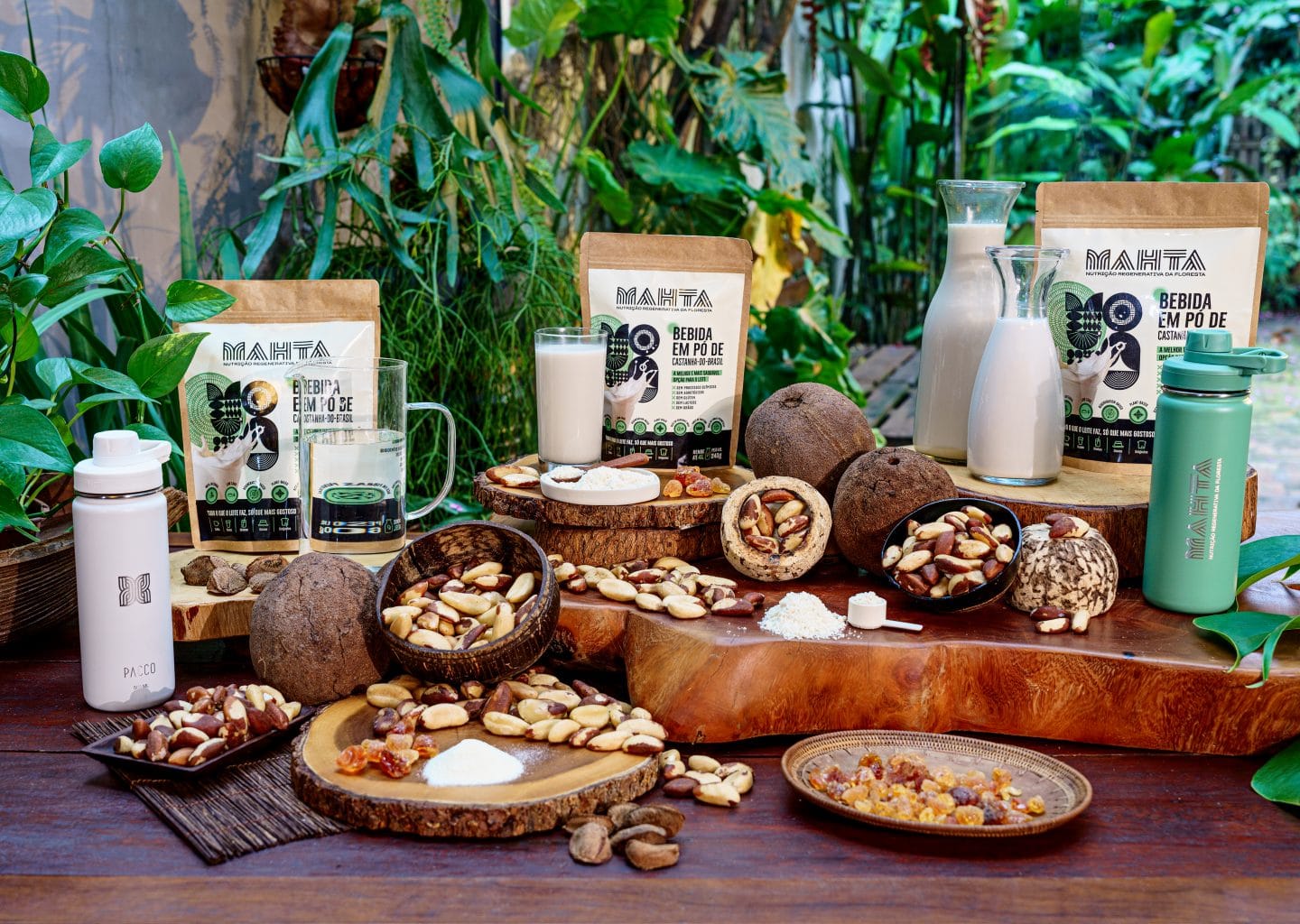
Mahta, an Amazonian superfood startup (Disclosure/Amaz)

In the case of Navegam, which appeared in 11th place in the overall ranking, Gabriela highlighted the relevance of a solution built based on direct experience in the Amazon.

"Navegam connects previously invisible communities and locations, providing access to goods, services, and opportunities through rivers. Operating in one of the region's biggest bottlenecks—logistics—it has established itself as the only company with sufficient reach and experience to make river logistics more accessible. Amaz invests in this thesis because we believe in its transformative potential, which goes far beyond the movement of goods, but also in the expansion of rights, inclusion, and dignity in the deep Amazon," he concluded.
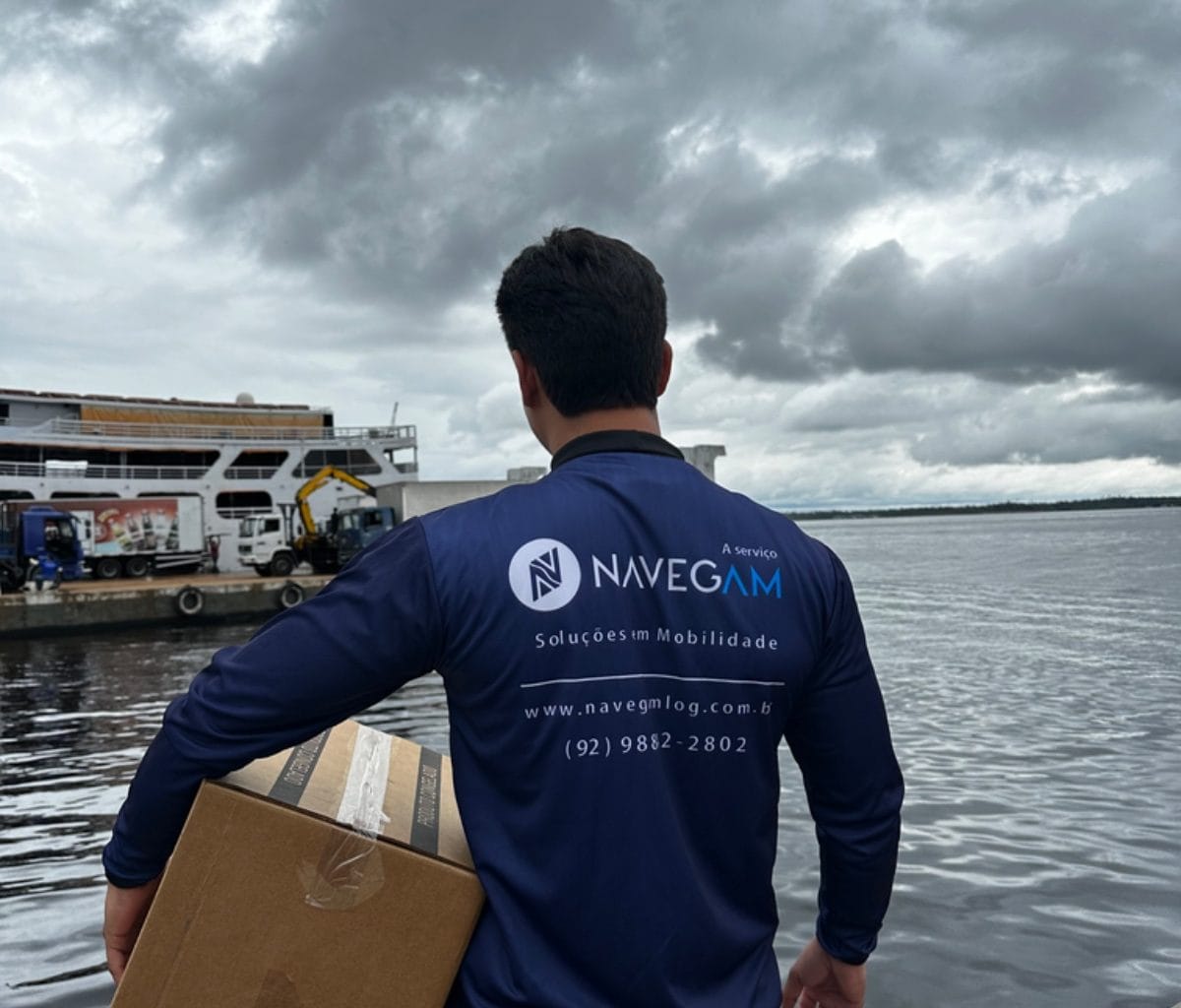
Navegam, a river mobility solutions company (Disclosure/Amaz)

Text: Maxi Media Communication

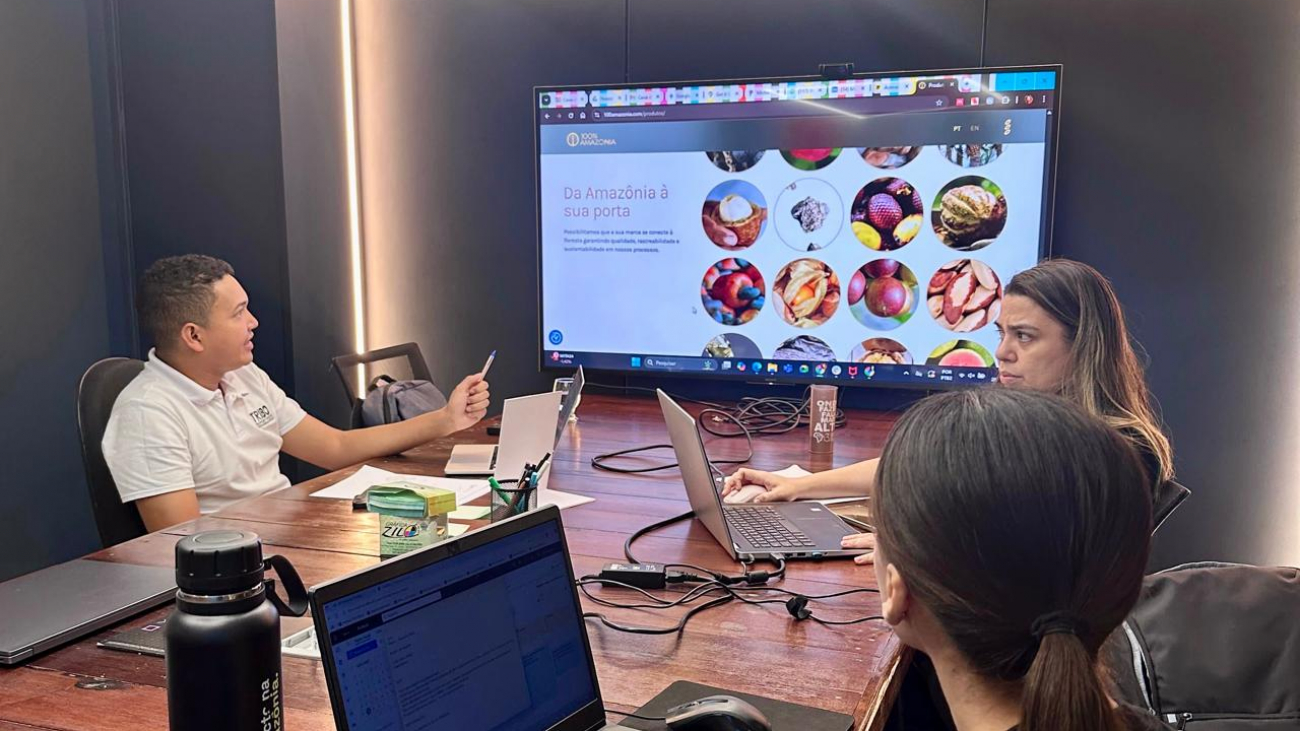
Imagem da equipe na mentoria.

Amaz focuses on innovation in mentoring phase with Tribo Superfoods

Text: Maxi Media Communication

Tribo Superfoods, a company in the Amaz portfolio, participated in an in-person mentoring session with consultant Glaucia Goettenauer of Tropos Amazônia and the Amaz acceleration team. The meeting, held at Idesam's headquarters in Manaus, focused on deepening the business's value proposition, a strategic step within the customized acceleration plan developed for each initiative supported by the accelerator.

Mentoring marks the transition between the first and second semesters of the acceleration journey, a time when each business's plans are reevaluated to define the next steps with even greater focus and clarity. At the startup, the focus on innovation and production processes was identified as a priority in the new cycle, and the activity served as a starting point for the new phase.

"The acceleration journey enters a new phase, focusing on organizing businesses and strengthening their processes. Through mentoring, like the one Tribo Superfoods experienced, each startup redefines priorities and charts its next steps more clearly, striving for growth and aligning business development with positive impact," observed Rafael Moreira, acceleration leader at Amaz.

For Glaucia Goettenauer, mentor at Tropos Amazônia, moments like these are crucial for companies at different stages of development. "Mentoring is extremely strategic and beneficial for startups to evolve and expand their horizons. In mentoring Superfoods, I brought expertise in understanding the value chain, the impact it generates, and how we can improve this product within the company's processes," she explained.

The mentor also highlighted the startup's existing potential in engaging with communities, especially in the superfruit market. "Tribo Superfoods is already generating a significant positive impact by successfully establishing this bridge between cooperatives and the market. The simple act of connecting those who harvest the açaí on the farm with the marketing channels transforms the process. There's still plenty of room to grow and strengthen this communication with producers and consumers," the expert stated.

The startup

Tribo Superfoods is a food tech company from Pará that offers products such as pulps and pieces of superfruits grown in the Amazon. The food is produced in partnership with regional producers, preserving the original flavors and knowledge, while also preserving the forest.

The startup's CEO, Maurício Pantoja, defined the meeting as a moment of in-depth diagnosis and strategic alignment. "It was a conversation that helped us look at the business itself: our purpose, structure, team, objectives, and metrics. It was a time to question ourselves, understand critical points, and consciously map out the next steps," he stated.

According to Maurício, the morning's work was intense and productive, reinforcing Tribo's commitment to quality growth and maintaining a positive impact on the families and communities the company serves. "This type of mentoring helps us better structure the business, respecting the limits of good work and expanding our capacity to generate transformation," he concluded.

painel BAS 2025

Amaz reaffirms that investment in the bioeconomy needs to adapt to meet the needs of the territory and the businesses that are already being developed. 

Text: Maxi Media Communication

Photo: Daniela Lopes

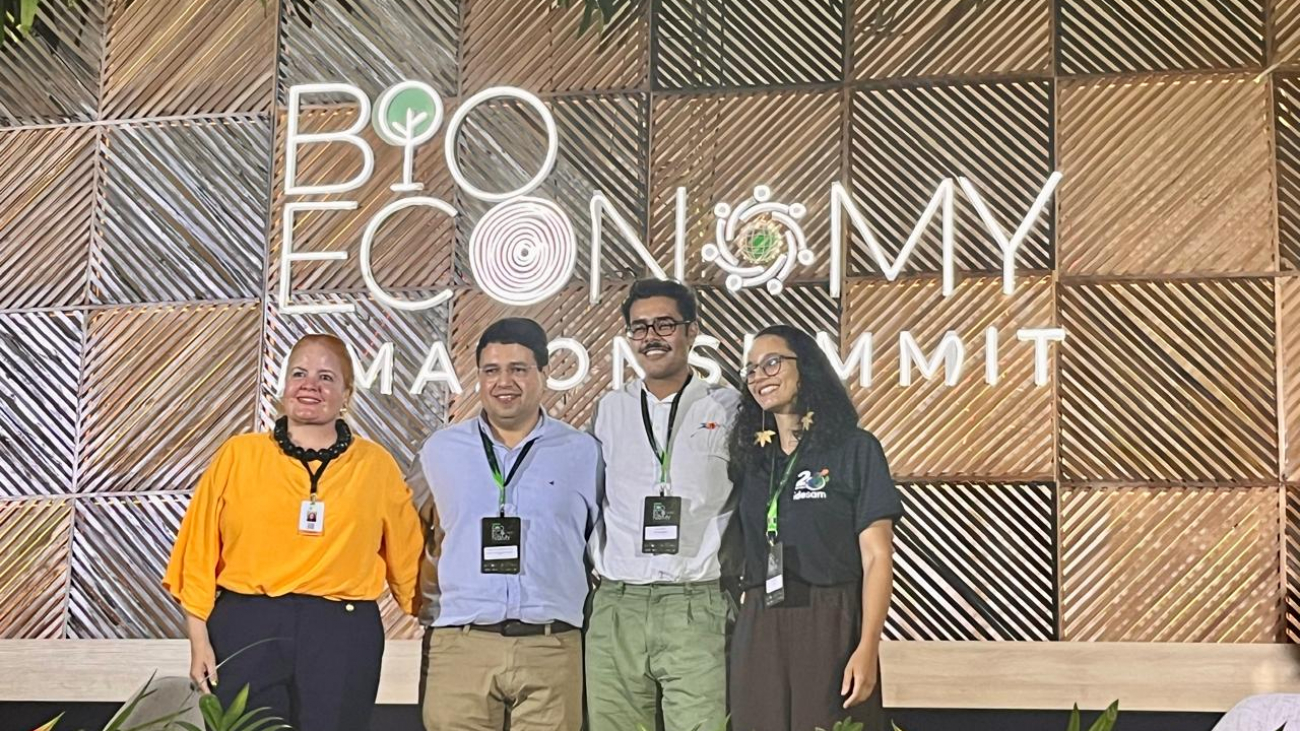
At the second edition of the Bioeconomy Amazon Summit (BAS), which took place on July 30 and 31 at the Vasco Vasques Convention Center in Manaus, the discussions, connections, and opportunities revolved around how to overcome the challenges of scale, logistics, and investment for businesses that are already active or in the incubation phase. 

Officially launched in September 2023 by the Global Compact – Rede Brasil and the venture capital firm KPTL, the Bioeconomy Amazon Summit (BAS) aims to broaden the discussion around the role of innovation and entrepreneurship in the Amazon in the global climate change agenda. 

Gabriela Souza, operations leader at Amaz, an impact accelerator coordinated by Idesam, highlighted during the panel "The Prospects for the Bioeconomy from the Perspective of Startup Ecosystem Coordinators" that capital investment in the Amazon bioeconomy needs to be patient. "The private capital that arrives must be intentional, catalytic, and patient. We must ensure that financial solutions truly understand the business demands and then design solutions. I think that when we talk about ecosystem businesses, the challenge is always figuring out what the next financial support will be, what the next fundraising will be," the manager points out. 

Also present at the debate were Carlos Carvalho, director of biobusiness at CBA, and entrepreneur Priscila Almeida of Assobio. In addition to the panels, the event hosted business roundtables and brought together 150 startups in the entrepreneurial arena. 

Impact Connections 

Startups from Amaz's portfolio were also present. Tribo Superfoods CEO Mauricio Pantoja highlighted the importance of BAS in finding strategic partnerships and new customers for the business. 

"What's important here are the great opportunities to connect with other entrepreneurs who can help our businesses, whether because they operate in the same management chain as us or even through exchanging conversations with other entrepreneurs, learning from the journey of the more experienced ones," Pantoja observed. 

In addition to Tribo Superfoods – a startup that operates in the açaí, cupuaçu, and cocoa chains, benefiting two cooperatives and impacting 340 families in communities in Igarapé-Mirí and Abaetuba, in Pará – other startups from Amaz's portfolio were at the event. 

In the entrepreneurial arena, more than 150 startups were present during the two-day event, including the agroforestry cosmetics company Moma Cosméticos, the one that operates in the superfood sector, Mazô Maná; Zeno Nativo, which also operates with food in the sustainable management chains of cocoa and Brazil nuts; and ForestiFI, a fintech that works with tokenization of forest assets, all of which are part of Amaz's business portfolio.