AMAZ Divulgação

Amazon aims for expansion with a focus on conservation, income, and social justice by 2030 

Text: Maxi Media Communication

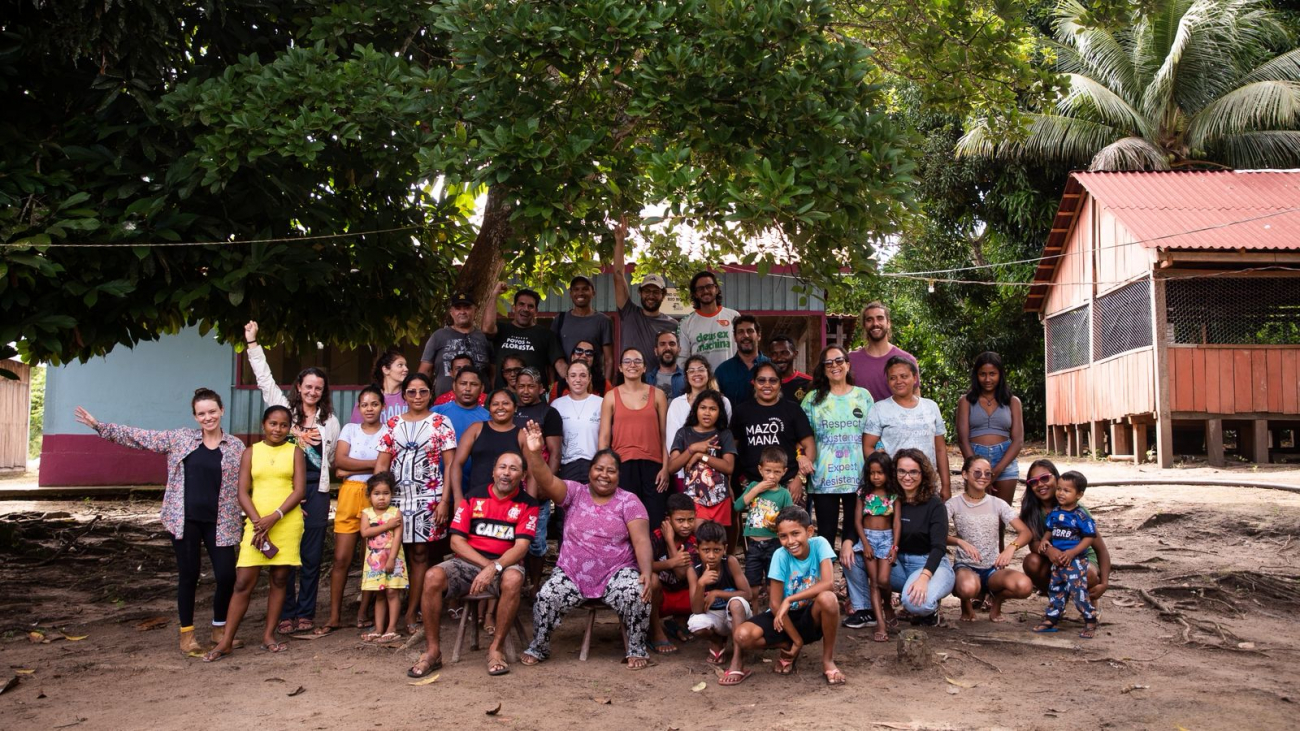
Photo: Mazô Maná Disclosure

Operating across more than 6.4 million hectares in the Legal Amazon, the AMAZ Impact Accelerator directly benefited 1,959 families and 45 social organizations, generating R$ 4 million in payments to local partners throughout 2024. The data is part of the 2025 Impact Report, released this Monday, July 28, a day when nature conservation is celebrated worldwide. The figures reinforce the potential of the bioeconomy as a driver for sustainable development in the region. 

Coordinated by Idesam, AMAZ is now in its fifth year consolidating its position as the largest impact accelerator in the North, bringing together a strategic portfolio of 14 businesses by 2024, focused on the sustainable management of natural resources, ecosystem restoration, and strengthening production chains. 

"The report confirms our commitment to transparency, measurement, and management of positive socio-environmental impact. Measuring the depth of transformations in the region is a challenge, but also an essential guide for us to move forward with purpose," says Mariano Cenamo, CEO of AMAZ and Director of New Business at Idesam. 

Startups that strengthen the forest bioeconomy 

The accelerated businesses operate in different sectors of the Amazonian bioeconomy, such as sustainable logistics, food, fashion and indigenous art, natural cosmetics, community-based tourism, and environmental regeneration. The portfolio is intentionally diverse, reflecting the region's multiple stages of maturity and territorial profiles. 

To support these initiatives, the accelerator operates through an innovative model of blended finance, combining philanthropic and private resources. Since its inception, it has raised R$25 million in impact investments. 

"AMAZ operates at key points in the ecosystem's development, offering technical, legal, accounting, and marketing support, in addition to financing. The JBS Fund for the Amazon recognizes that the investment made has generated a positive and concrete impact on the forest's bioeconomy," emphasizes Lucas Scarascia, Project and Operations Monitoring Manager at the Fund, one of the accelerator's financiers. 

Challenges and lessons learned in measuring impact 

Measuring socio-environmental impact is a challenge given the diversity of territories and business models.  

In this edition, the report focused on social indicators and the total area of operation consolidated due to the complexity of data collection, standardized across different contexts – which include Indigenous Lands, Conservation Units and Extractive Reserves. 

 "We're developing our own tool to individually assess each area of operation, in addition to advancing the standardization of data submitted by businesses. The complexity is significant, but the quality of the information is a commitment," explains Gabriela Souza, operations leader at AMAZ. 

The report also included an updated “AMAZ Glossary” and a new individual mapping of accelerated businesses. 

Ambition to expand impact 

With its eyes on the future, AMAZ has set bold goals for 2030: 

• 80 businesses invested 

• 10 thousand families benefited 

• 10 million hectares preserved 

• R$ 75 million invested directly in the region 

• R$ 25 million raised in new investments 

"We will continue building bridges between entrepreneurs, partners, and investors. Our focus remains on the well-being of those who live in the Amazon. A standing forest, with people caring for it, is the best investment we can make," concludes Mariano Cenamo. 

About AMAZ 

With five years of experience, Amaz is the largest impact business accelerator focused on the Legal Amazon. Coordinated by Idesam, it works to empower entrepreneurs who contribute to forest conservation, income generation, and social justice in the region. 

Créditos - Divulgação

Brazilian Deep Tech Forum 2025 arrives in Manaus

Idesam is a local co-organizer of the bioeconomy innovation agenda 

Held by Wylinka — a non-profit organization that transforms scientific knowledge into innovation for the country's sustainable development — together with Caos Focado — a venture builder specialized in creating deep tech startups — Brazilian Deep Tech Forum disembarks in Manaus on July 29th.

More than just an event, the Forum is where science, technology, and purpose meet to strengthen the narrative of scientific innovation in Brazil and drive a new economy based on impact and collaboration. The Manaus edition is sponsored by Natura, reinforcing its commitment to initiatives that unite biodiversity, science, and sustainable development.

Aiming to foster discussions that generate local impact, the Forum will feature panels focused on the bioeconomy, the leading role of Amazonian biodiversity, and the connection between science and the market, addressing topics such as debureaucratization, financing, and resources, bringing together experts, entrepreneurs, and agents of the innovation ecosystem.

As a local partner, Idesam adds value to the event, especially through its bioeconomy innovation initiatives and new businesses. Bioeconomy Priority Program (PPBio) was conceived by the Superintendence of the Manaus Free Trade Zone (Suframa) and coordinated by Idesam with the aim of capturing resources from mandatory investments in R&D (Computer Law) to generate new products, services and businesses for the Amazon Bioeconomy.  

Already the AMAZ is the largest impact business accelerator in the north of the country, fully dedicated to entrepreneurs who work in the Amazon region, generating positive impacts for the forest and its populations. Its acceleration program is customized to meet the real demands of the businesses that make up the portfolio during the acceleration journey. 

More than discussing the future, the Brazilian Deep Tech Forum aims to build it. And the starting point is now. Sign up and stay up to date with all the latest news from this in-person 100% event. at this link.

alimentos-regenerativos-mahta

In an international challenge for environmental regeneration, a Brazilian startup develops a supplement with inputs from the Amazon

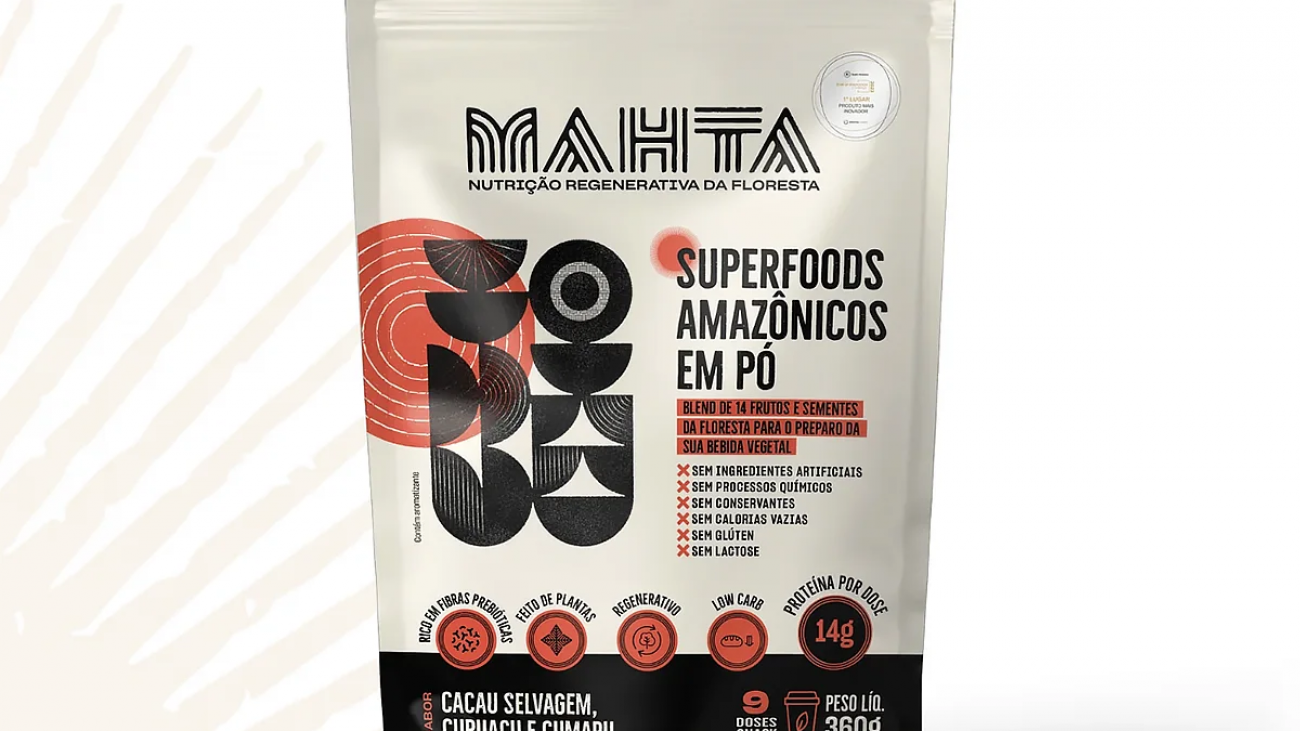
Mahta is a food tech company that produces dietary supplements with ingredients from the Amazon rainforest, delivering nutritional value to consumers and promoting conservation of the biome. Since 2021, it has been part of the portfolio of Amaz Aceleradora de Impacto, the leading company in the North Region, and was recently a finalist in the international challenge "The Great Food Redesign."

Promoted by the Ellen MacArthur Foundation, in partnership with the Sustainable Food Trust, the challenge was created in response to the report "Making Nature-Positive Food the Norm." The document recognizes the benefits of circular food design and seeks to engage the fast-moving consumer goods (FMCG) industry in building a more sustainable food system.

Through workshops and mentoring with experts, entrepreneurs created or redesigned foods focused on environmental regeneration, working from ingredient selection to the development of sustainable packaging.

One of the participants was Mahta, which uses Amazonian ingredients such as cocoa, cupuaçu, açaí, cumaru, soursop, bacuri, and taperebá to produce healthy supplements. The company develops its activities in partnership with traditional communities and small farmers operating in agroforestry systems.

"What motivated us to participate was our great admiration for the Ellen MacArthur Foundation. It's the world's largest organization working for the circular economy. When we saw the Challenge, we were very excited because it aligned perfectly with our purpose: to rethink the way we make food," explains Max Petrucci, founder and CEO of the startup.

New product development

The Amazon-backed startup received a £30,000 grant (approximately R$1,400,216,000 at the time). The funding was earmarked for the development of a protein blend containing bacuri, taperebá, and Brazil nuts, as well as other ingredients from the Amazon. Part of the funding also financed the redesign of the "Superfoods" line's packaging, now printed with renewable-source polyethylene.

Larissa Bueno, head of Research and Development (R&D) at Mahta, states that the experience of exchanging with other companies was crucial in strengthening the sustainable business ecosystem in the region.

"We understand that challenges such as logistics, quality assurance, and input supply are common to almost all businesses in the ecosystem. This further highlighted the importance of maintaining an open dialogue between these businesses and the existence of programs that encourage the circular economy when working with the biome's value chains," he says.

In addition to Mahta, ten other Brazilian companies participated in the event. In total, 57 businesses from 12 countries developed 141 new foods with potential for environmental regeneration.

Recognition

One of the most memorable moments of the challenge occurred this year on World Environment Day, celebrated on June 5th. The developed foods were displayed at Carrefour Brasil Group and Quitanda stores, two supermarket chains recognized for their commitment to sustainability.

All products also received the “Allied with Nature” seal, created to guide consumers in choosing sustainable foods.

Now, the CEO explains that Mahta's next steps include expanding its commercial operations and broadening the reach of the regenerative model.

"The Ellen MacArthur Foundation's recognition and support in expanding our distribution network through access to major retail chains is crucial. This encourages our plan to expand the impact generated by the Regenerative Forest System (SRF), which is our model," concludes Petrucci.

More about the challenge

The international challenge “The Great Food Redesign” is promoted by the Ellen MacArthur Foundation, in partnership with the Sustainable Food Trust, with support from the People's Postcode Lottery, the Gordon and Betty Moore Foundation and The Schmidt Family Foundation.

TUCUM

Tucum brings art from Brazilian indigenous peoples to Lisbon

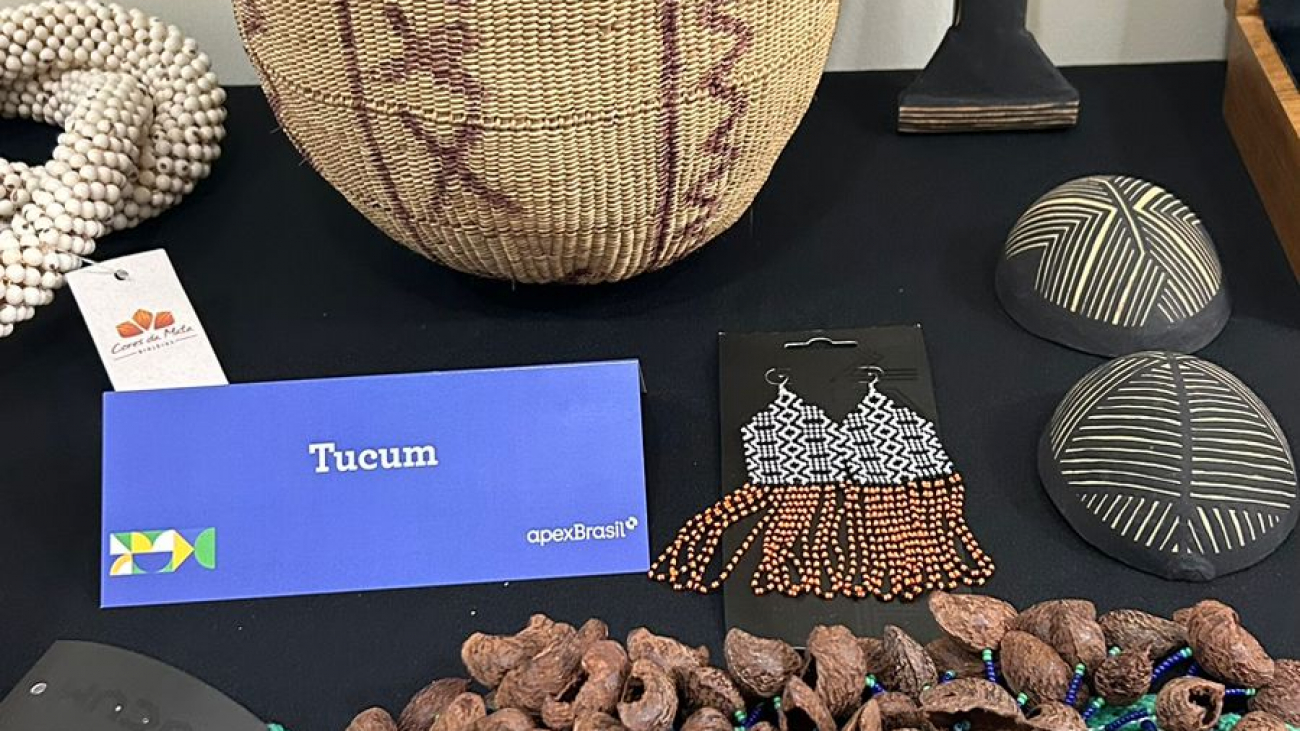
Tucum, Brazil's first indigenous marketplace and one of the businesses supported by Amaz Aceleradora de Impacto, is participating in the 7th edition of “Jornada Exportadora,” an international program that runs until this Friday, July 4, in Lisbon (Portugal).

Developed by the Brazilian Trade and Investment Promotion Agency (ApexBrasil), in partnership with the Brazilian Micro and Small Business Support Service (Sebrae), the program is aimed at entrepreneurs and businesses seeking to expand commercial borders, internationalize their brands and gain space in international markets.

The current edition focuses on the Brazilian crafts sector and benefits 20 participants, including Brazilian artisans, entrepreneurs, companies, associations and cooperatives.

On Portuguese soil, the "Export Journey" program includes webinars, mentoring sessions, seminars with experts, technical visits, and roundtables with buyers and potential European partners. The goal is to provide a comprehensive immersion into the topic, present opportunities, expand the network, and strengthen business competitiveness.

Founded in 2013 with a physical store in Rio de Janeiro, Tucum quickly recognized the potential of the digital environment. Two years later, it became the country's first Indigenous art marketplace, selling clothing, bags, organic jewelry, crafts, paintings, decorative items, and other sustainable products produced by various Indigenous peoples living in the Legal Amazon.

Amanda Santana, founding partner and creative director of Tucum, highlights the importance of this opportunity for business growth.

"We came to bring indigenous art from Brazil to Lisbon and understand how the Brazilian crafts market is perceived here. We've been operating for 12 years. Sometimes, these potential customers are abroad, which requires a different sales and shipping dynamic. So, we expect that [during the Journey] we'll learn a lot about how the Portuguese market works and develop the idea further," notes Amanda Santana.

Socio-environmental impact in 2024

Tucum currently operates in four Conservation Units (CUs) and 56 Indigenous Territories (TIs) spread across eight states in the Legal Amazon, covering a total area of 2.9 million hectares. The company also works in partnership with associations, cooperatives, groups, and artists who sell their indigenous art.

Partners include the Association of Residents of the Iriri River Extractive Reserve (AMORERI), the Association of Ticuna Women Artisans of Bom Caminho (AMATU), the Association of Ashaninka of the Amônia Apiwtxa River (APIWTXA), and the Zo'é Handicraft Fund (FAZ).

Last year alone, the company purchased R$1,400,000 worth of goods, benefiting artisans from 106 indigenous peoples living in 62 traditional territories. Some of the ethnic groups working in partnership are the Baniwa, Baré, Guarani, Kayapó, Ticuna, and Yanomami.