


Text: Maxi Media Communication
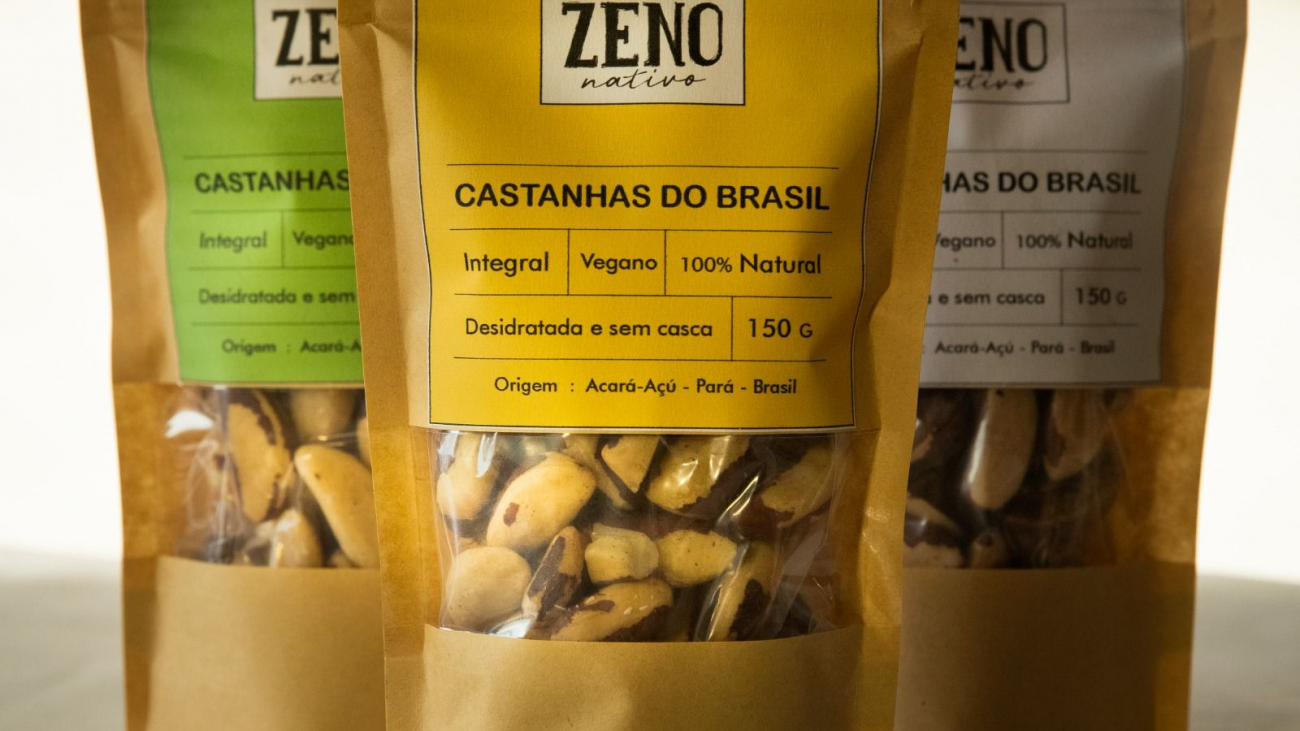
Image: Disclosure/Zeno Nativo
Fintech ForestFi and Zeno Nativo are two startups with authentic Amazonian DNA that innovate by investing in sustainable management chains. In the partnership, one contributed the technology and the other the product.
Investment culture has been gaining momentum, with several options for more conservative profiles, such as Treasury Direct, CDB, and LCI, as well as others that cater to moderate and bold investors. And now, those interested in profiting from investments that expand profits beyond monetary terms, combining benefits—such as maintaining the forest and strengthening the Amazon's sociobiodiversity product chains—with financial returns, have found the perfect option: Amazon nut tokens.
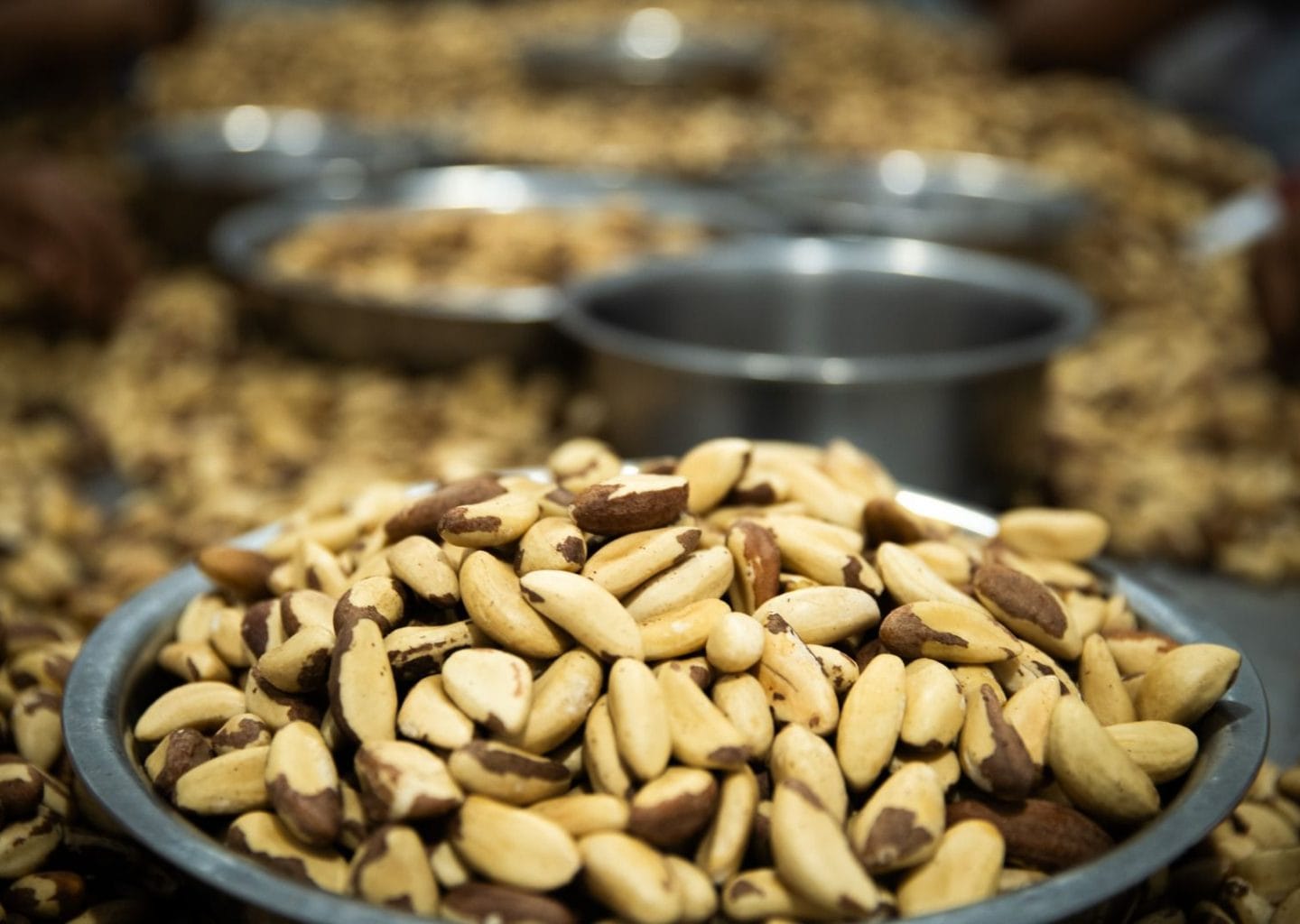
The innovation is the result of a project between ForestiFi, a Manaus-based fintech specializing in impact investing, and Zeno Nativo, which produces and sells forest products to traditional communities living near the Acará River in Pará. Both startups are part of the portfolio of AMAZ, the largest impact business accelerator in the North Region, focusing on companies operating in the Legal Amazon.
In April of this year, the startups transformed 1,850 kilograms of Amazonian nuts into digital assets and raised R$114.7 thousand in investments. In total, 82 people participated in the campaign, purchasing 4,588 tokens sold at R$25 each. With a return expected in September (five months), each token is expected to be redeemed for R$26.69—an increase of R$1.69. This represents an increase of R$7.7 thousand in value over the tokenized harvest and a final transaction of R$122.4 thousand.
The amount raised will be transferred directly to more than 50 extractive families in the Acará River region (PA), where the nuts tokenized in this campaign came from.
Glauco Aguiar, co-founder of ForestiFi, is one of those responsible for this innovation. He has worked with other Amazonian sociobiodiversity products, including native cacao, managed pirarucu, and wild guarana, but says there has always been an interest in tokenizing the nut and boosting income generation for those working in the sustainable chain.
"This allows small producers, traditionally excluded from the financial system, to access resources. [...] We've shown that the annually harvested Brazil nuts are a legitimate asset, capable of serving as collateral for fundraising," he explains.
The procedure, however, is not limited to creating a system for buying and selling assets using blockchain technology.
Organizations interested in tokenizing their products need to analyze their governance, legal security, and accounting requirements to ensure the success of investment rounds. "This allows us to address the logistical complexities of the Amazon region in a structured and efficient manner," he adds.
Furthermore, Glauco reinforces that tokenization is an allied tool for the sustainable development of the Amazon, as it encourages the organizational maturity of producer groups, which is reflected in better management practices, increased production efficiency, and the valorization of sociobiodiversity products.
Sustainable production and appreciation of sociobiodiversity
Another key player in the tokenization process is Zeno Gemaque, co-founder of Zeno Nativo. The partnership began during a networking event hosted by AMAZ. After meetings and strategic visits, the idea emerged to innovate by transforming Brazil nuts into digital assets. He celebrates the initiative's success.
"We'll purchase raw materials, in this case, Brazil nuts, to process and sell. [...]. It will be an average of 6,900 kilograms of nuts, which will benefit more than 50 extractive families [on the Acará River]," explains the entrepreneur. Processing is a process that includes selection, shelling, dehydration, packaging, and logistics of the nuts.
Since its founding in 2012, the startup has already sold more than 15 tons of nuts and five tons of fine cocoa, preserving more than 17 thousand hectares of native forest, always with organic certification issued by the Ministry of Agriculture and Livestock (MAPA).
Currently, Zeno Nativo works in collaboration with more than 300 extractive families in the Amazon, strengthening the preservation of the standing forest and generating income for the population.


"We offer sociobiodiversity products to markets that value traceability and sustainable socioenvironmental practices. This is essential to supporting standing forests, combating monoculture and river contamination, and strengthening an economy that respects nature and people," he adds.
However, Pará suffers from several socio-environmental problems, such as wildfires and illegal mining. According to the Deforestation Alert System (SAD) of the Amazon Institute of Man and Environment (Imazon), the state recorded the highest rate of deforestation last year, with 1,260 square kilometers (km²) deforested.
To change this scenario, one of the most viable alternatives is crop diversification, so that other products of regional sociobiodiversity gain value.
"We're interested in tokenizing cocoa in the future, but this will largely depend on the results of the initial experiment. We're testing the mechanism, seeing how it performs within the company and what the results are for our suppliers. From there, we'll conduct an evaluation and explore the possibility of further rounds," concludes the entrepreneur.
International recognition
This was ForestiFi's sixth project in the Amazon, which also involves work with native cacao, managed pirarucu, and wild guarana. This translates into nearly half a million reais raised since its founding two years ago.
All this dedication earned ForestiFi recognition as one of the world's most innovative sustainability startups by Change 100, a campaign by the We Make Change platform with the support of major partners such as Microsoft Entrepreneurship for Positive Impact and Techstars. The announcement was made during the "Change Now" event held in Paris in April.
ForestiFi's focus is strengthening the Amazonian bioeconomy through blockchain technology, connecting small rural producers to sustainable investment markets. The startup has transformed access to financial capital in Northern Brazil, using tokenization as a tool to finance sustainable production activities, protect forest areas, and generate positive socio-environmental impact.
"This recognition reinforces the relevance of our work and opens doors to new international connections. [...] From now on, we will intensify our expansion strategy, consolidating ForestiFi as a global benchmark in the tokenization of natural assets," concludes Glauco.
About ForestiFi
ForestiFi is an impact investment platform that connects investors to sustainable Amazon supply chains, using tokenization technology to ensure traceability, liquidity, and transparency. It has already structured tokens linked to products such as native cocoa, managed pirarucu, and wild guarana.
About Zeno Nativo
Founded by Zeno Gemaque and Coi Belluzzo, Zeno Nativo operates in the municipality of Acará, Pará, processing nuts and cocoa native to the Amazon rainforest. Focused on quality, traceability, and valuing the forest's indigenous peoples, the company operates B2B, B2B2C, and B2C models, serving domestic and international markets.
About Amaz Accelerator
ForestiFI and Zeno Nativo are part of the Amaz Aceleradora de Impacto portfolio, an initiative of the Amazon Conservation and Sustainable Development Institute (Idesam) that supports businesses with solutions to the challenges of the Amazon, from sustainability to income generation for local communities.
Initiatives like this are considered strategic for forest preservation, supporting startups that combine environmental conservation, sustainable use of biodiversity, and economic value generation. This helps strengthen local production chains, increase positive socio-environmental impacts, and promote innovative solutions that contribute to the region's sustainable development.

