Alter do Chão (2)

Tourism Day: sustainable experiences to discover the Amazon

Text: Maxi Media Communication

Photo: Disclosure/Vivalá

From immersing yourself in indigenous villages in Acre to the beaches of Alter do Chão in Pará, to riverside inns on the Rio Negro and the adventure of Pico da Neblina, different experiences reveal several 'Amazons' in one. Exploring the region through the lens of impact tourism, practiced responsibly and with community leadership, is the best option, especially for locals.

Vivalá, a company supported by Amaz Aceleradora, operates experiences ranging from paradisiacal beaches to Pico da Neblina, connecting visitors to local communities and nature.

"Each itinerary reveals a different Amazon: from the forest to the savannah, passing by rivers and beaches. Multiple immersions are necessary to fully understand the region's diversity and enjoy unique experiences," explains Daniel Cabrera, founder of Vivalá.

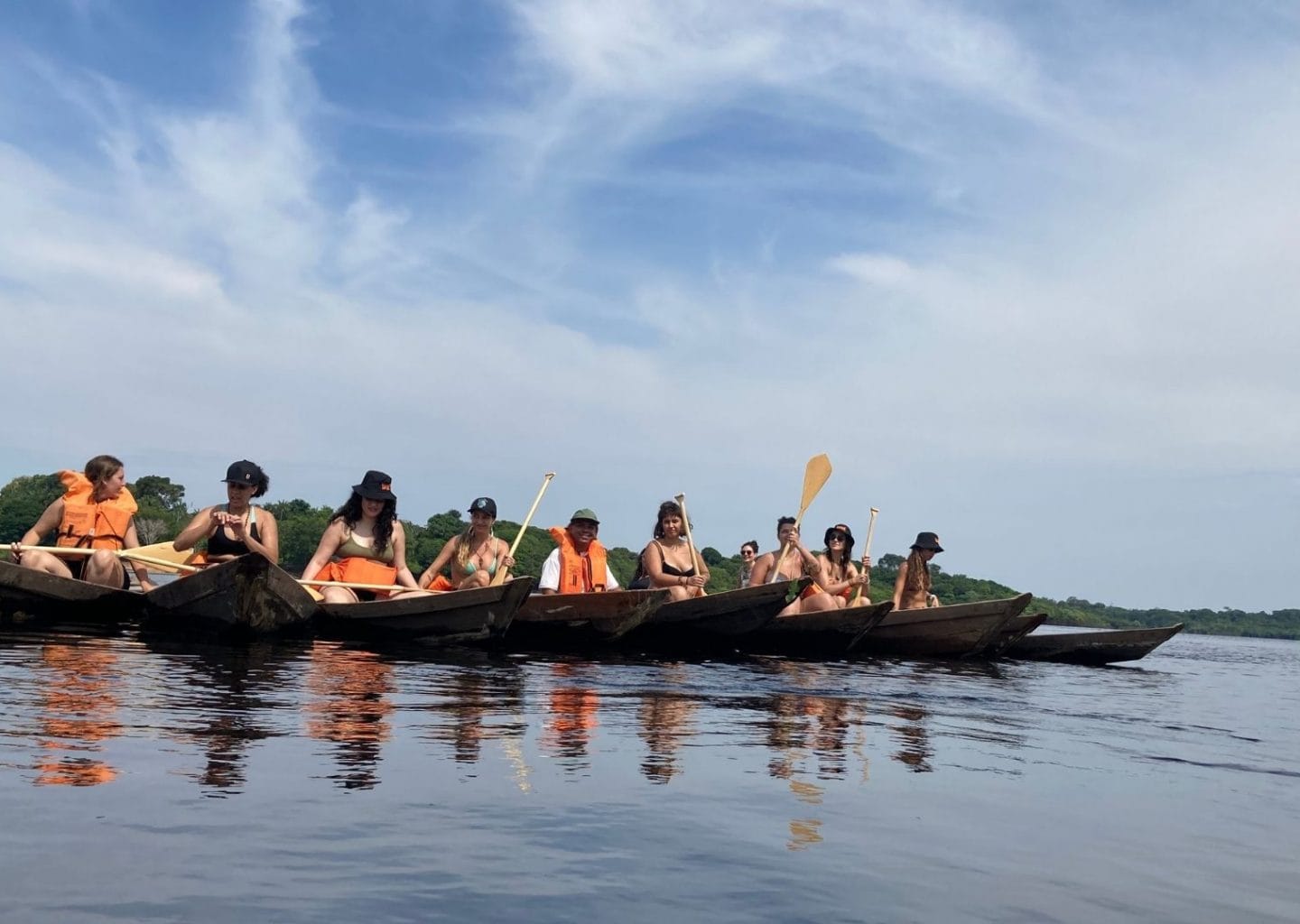
At Pico da Neblina (AM), travelers trek to the highest point in Brazil, sail the Cauaburis River, and participate in the blessing of Yanomami chiefs. In the Rio Negro region (AM), the journey includes jungle trails, river bathing, sky-gazing from canoes, interactions with river dolphins regulated by ICMBio, craft workshops, and visits to local wildlife conservation projects.
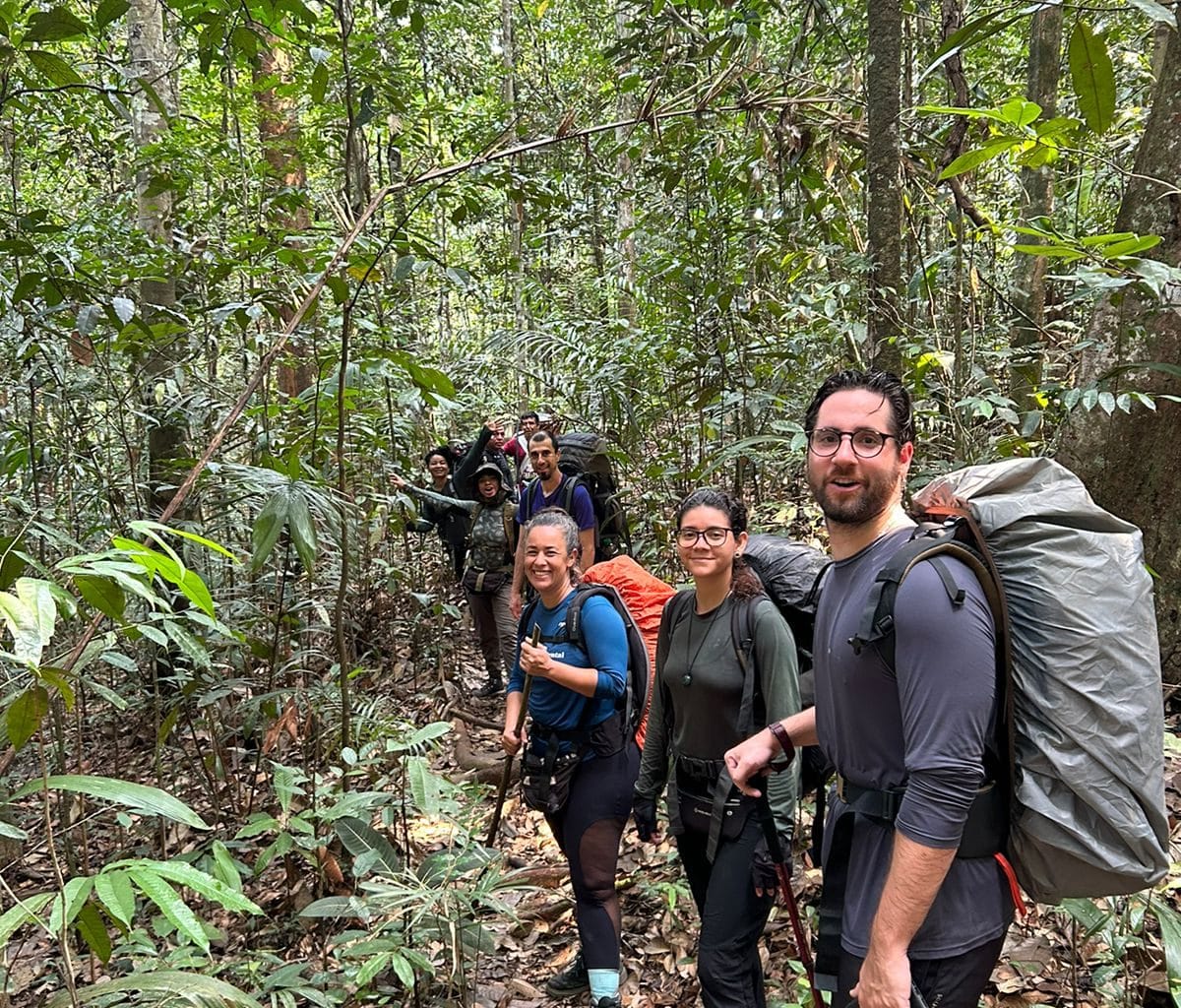
Pico da Neblina Trail (Disclosure/Vivalá)
Tour on the Rio Negro (Disclosure/Vivalá)

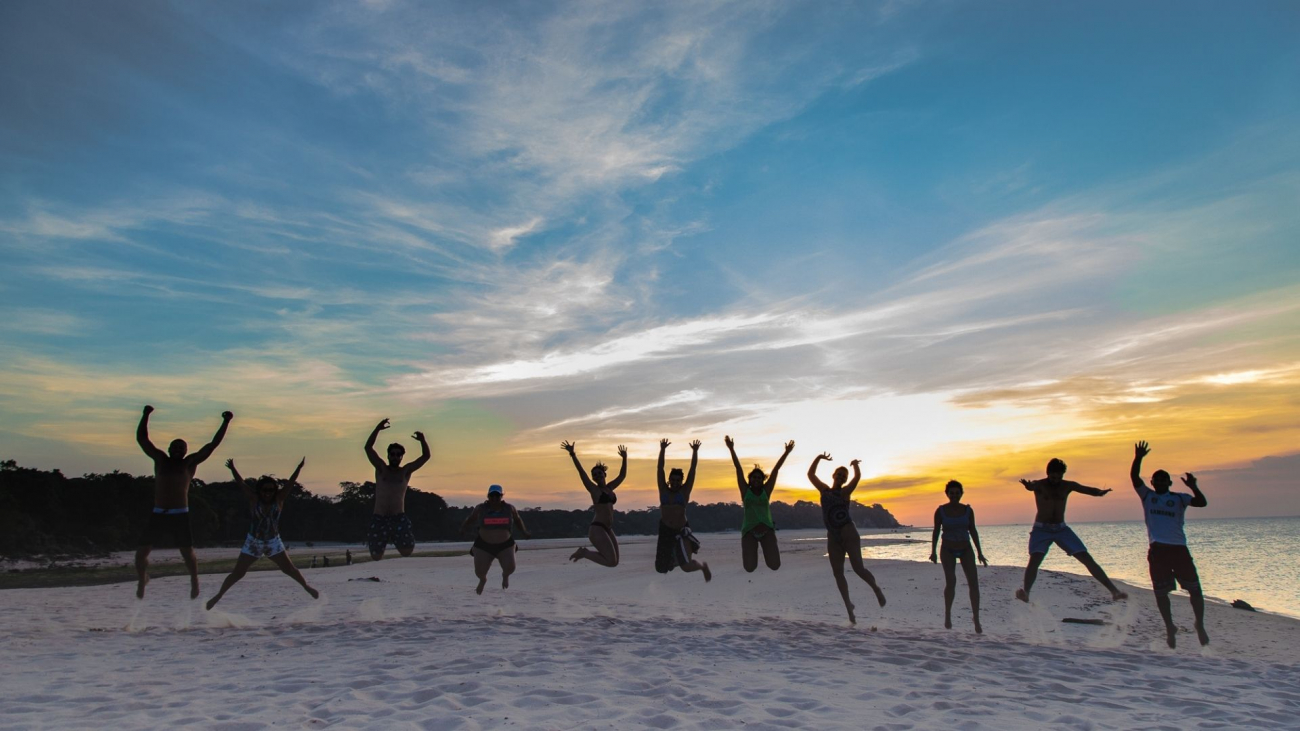
Between beaches and Amazon rivers, in Pará, Alter do Chão offers navigation along the Jari Canal, the Vovó Samaúma trail, riverside dining, and carimbó and craft workshops. Also in Pará, another option is to visit Belém and Marajó Island. Visitors can stroll along creeks, participate in pottery and chocolate workshops, and experience the extraction of açaí and Turu berries, as well as experience local culture in flour mills and community fishermen's houses.
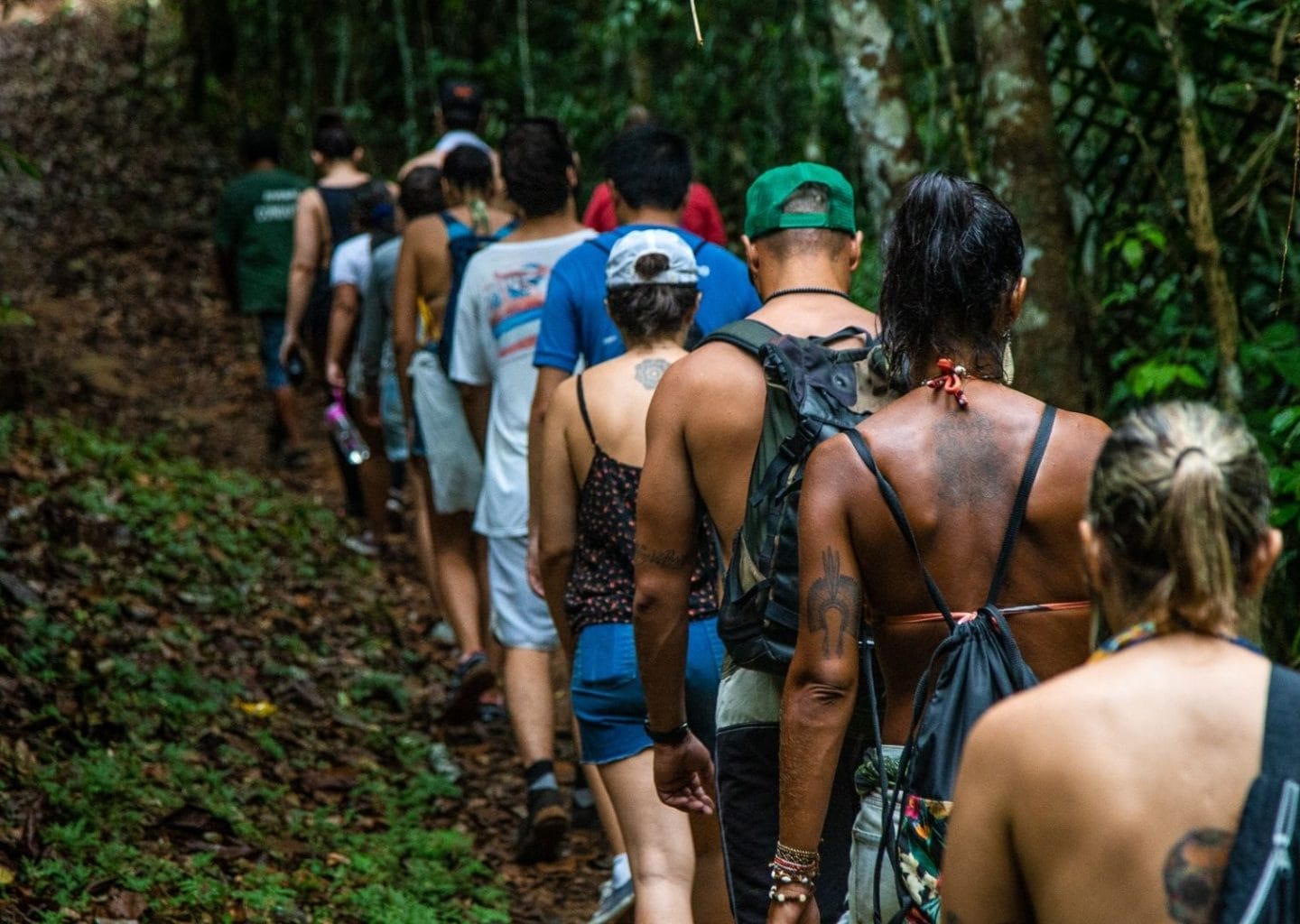
Tourists on an expedition to Alter do Chão (Disclosure/Vivalá)

For those seeking a deeper dive into the ancestral culture of indigenous peoples, a visit to the Shanenawa village (AC) offers jungle trails, dancing and singing, body painting and weaving workshops, traditional ceremonies, and learning about ancestral medicines.

“Sustainable tourism has transformed our way of life,” says Chief Teka Shanenawa, from the Shanenawa village, a place frequented by DJ Alok.
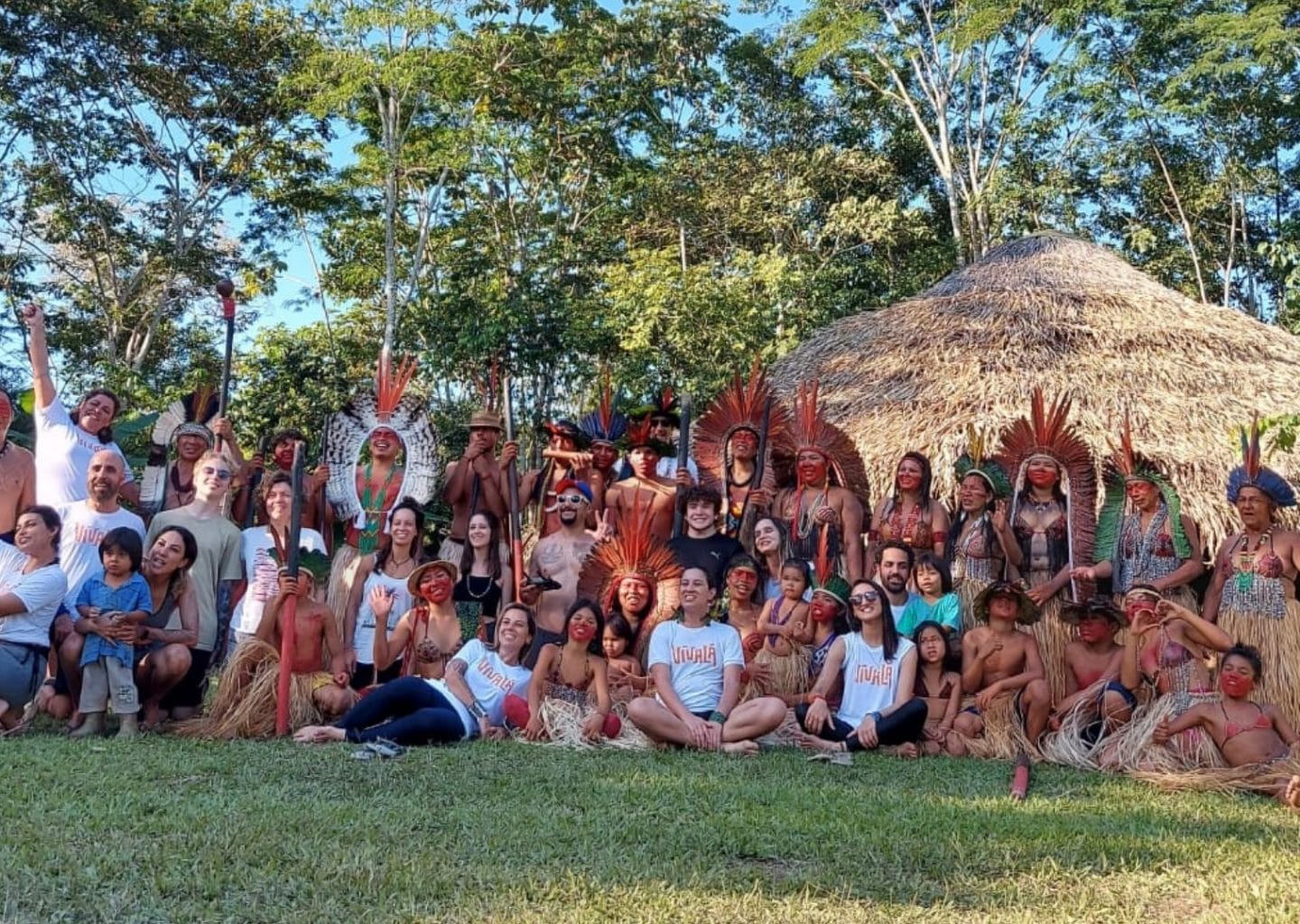
Visit to the Shanenawa village (Disclosure/Vivalá)

Expeditions are available starting at R$1,125.50, with all packages including accommodations, meals, and travel insurance. More information and reservations can be found on the website. www.vivala.com.br.

Supporting the Amazon on every journey

Amaz is the largest business accelerator and investor in the North of the country. Coordinated by the Amazon Conservation and Sustainable Development Institute (Idesam), it supports initiatives that promote a positive impact on the region, such as Vivalá, including sustainable tourism experiences that value local culture, environmental preservation, and the development of Amazonian communities.
Creditos-Take-Filmes-3-2048x1365

COP30 hosts event dedicated to sustainable Amazon businesses

Text: Up Intelligent Communication

Photo: Disclosure/Idesam

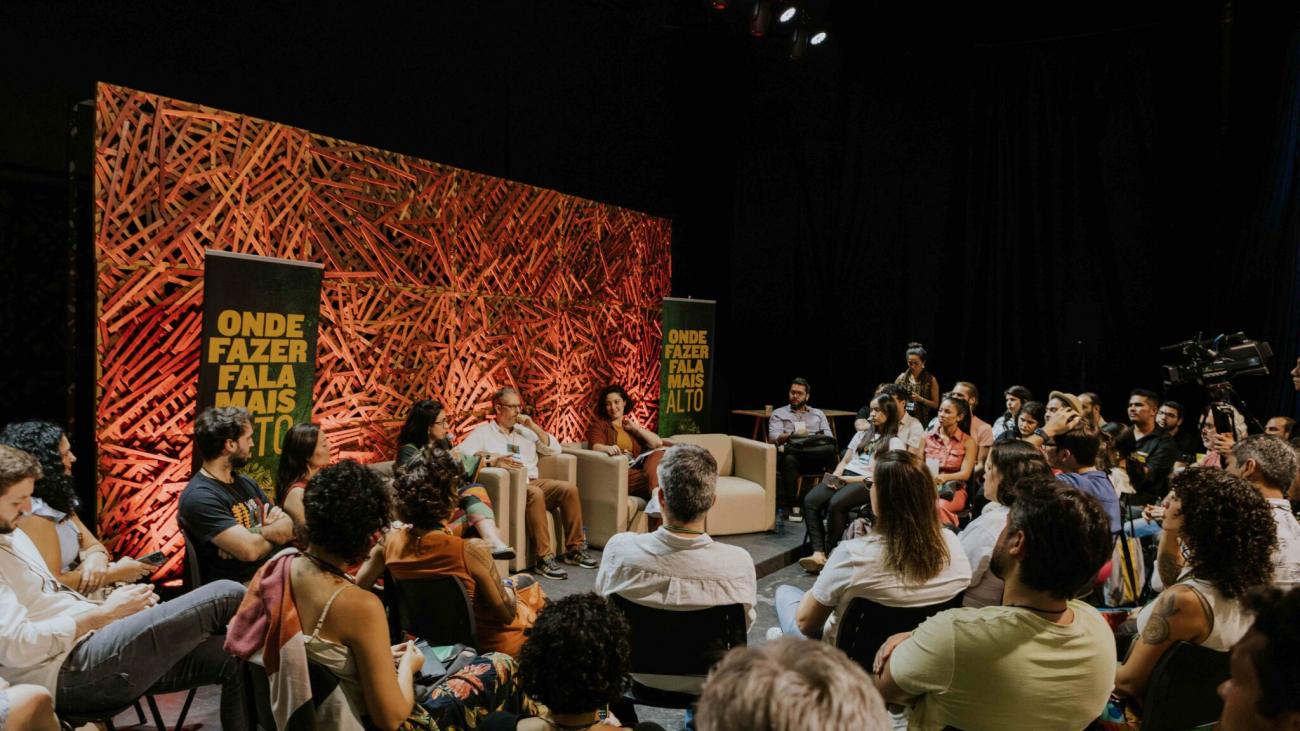
Belém will host one of the most strategic Amazon meetings during COP30: the Amazon Impact Investing and Sustainable Business Festival (FIINSA). The event will take place on November 10, from 8 a.m. to 9 p.m. (time to be confirmed), at the Law Campus of the Pará State University Center (CESUPA), bringing together Indigenous leaders, entrepreneurs, public administrators, investors, researchers, and civil society representatives in an environment of listening, dialogue, and collective development.

The "FIINSA 2025 COP30 – Where action speaks louder" is organized by Idesam and Impact Hub Manaus, co-organized by CESUPA and supported by a broad network of partners. The initiative aims to be a catalyst for positive partnerships, viable businesses, and innovative solutions—built by the Amazon, for the Amazon.

The festival has already established itself as a space for connection and relevance. Since its first edition in 2018, it has promoted strategic initiatives to strengthen sociobiodiversity economies and expand sustainable businesses. Now, in its special edition, FIINSA COP30 expands its reach, bringing debates on how to take forest businesses out of the discourse and into practice, how to create Amazonian economies that respect time and local communities, and how to redistribute decision-making power in the region, among other topics.

Priority themes

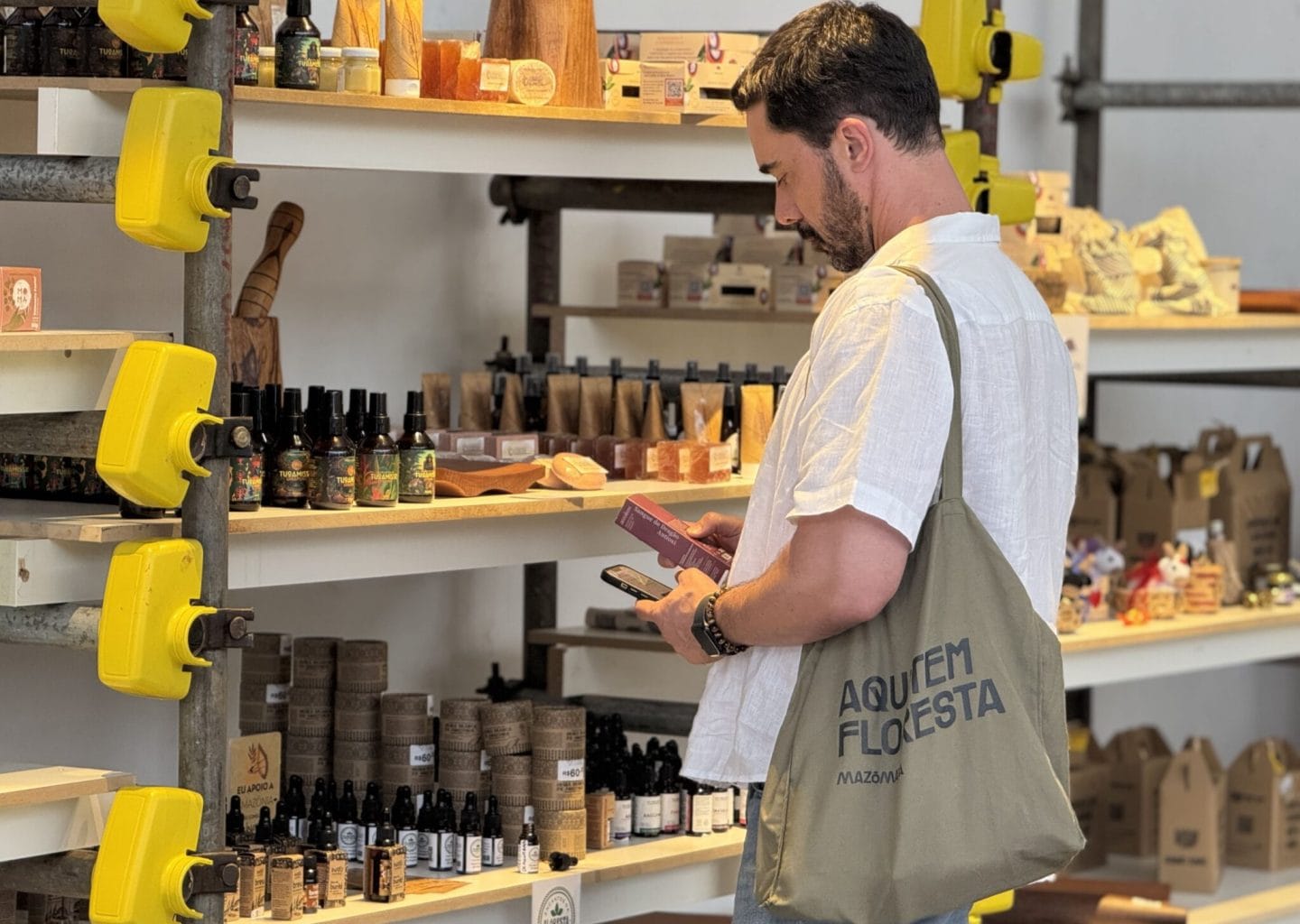
The program includes thematic panels, debates to generate action proposals, a fair showcasing sociobiodiversity products (Mercado Amazônia), social and networking spaces, and cultural and gastronomic experiences. Performances and immersions are also confirmed, such as a simulated "herbal bath"—a Pará tradition linked to protective rituals—and forest-inspired areas to foster connections among participants.

"We want to highlight the solutions emerging from the territories and their connections with businesses, investors, and other ecosystem actors who are already transforming local realities. COP30 places the Amazon at the center of the world, and FIINSA wants to highlight how this ecosystem transforms local realities," says André Vianna of Idesam.

Always with a dynamic format, the panels and discussion groups will feature a diversity of voices to enrich the discussions. At the end, an official document will be produced with demands, proposals, and solutions co-created during the festival, aimed at strengthening the bioeconomy and sustainable businesses in the Amazon forests and rivers.

"The festival is more than an event; it's a meeting place for creators, investors, and believers in the Amazon. Our focus is to strengthen the bioeconomy, foster businesses with socio-environmental impact, and promote sustainable investment models," emphasizes the Impact Hub Manaus spokesperson.

For more information, visit the website: https://fiinsa.org.br.

Disclosure/Idesam

About

The Amazon Impact Investing and Sustainable Business Festival (FIINSA) is organized by Idesam (Amazon Institute for Conservation and Sustainable Development) and Impact Hub Manaus, co-organized by CESUPA. It is sponsored by Fundo Vale, Soros Economic Development Fund, and Bemol. Institutional partners include Instituto Sabin, Projeto Saúde e Alegria, Assobio, Redes Amazônidas pelo Clima, Amazon Entrepreneurship Center, Alliance for Impact Investing and Business, Conexsus, and Casa Amazônia.