mariano-amaz

Note of Condolence

It is with immense sadness that AMAZ announces the passing of Mariano Colini Cenamo, CEO of AMAZ and founder of Idesam, which occurred on the night of July 10, 2026.

Mariano dedicated his life to the Amazon. More than just creating an organization, he built a movement of people committed to demonstrating that conserving the forest necessarily involves valuing those who live in it. His transformative vision helped consolidate a new way of thinking about sustainable development, connecting science, entrepreneurship, innovation, bioeconomy, and social impact long before these themes occupied a central place in global discussions.

When he founded IDESAM more than two decades ago, Mariano laid the foundations for an institution that today works on different fronts to promote concrete solutions for the Amazon. His ability to bring people together, develop leaders, build bridges between different sectors, and transform challenges into opportunities has profoundly marked the institution's trajectory and influenced countless initiatives that continue to generate a positive impact in the region.

But perhaps his greatest legacy was his humanity. Mariano deeply believed in people. He encouraged talent, challenged teams to go further, celebrated collective achievements, and made trust a principle of leadership. He inspired colleagues, partners, communities, entrepreneurs, researchers, and friends to see that great transformations begin when someone decides to believe they are possible.

His departure leaves an immense void. At the same time, it leaves an equally great responsibility: to continue caring for the legacy he helped build. Each project, each partnership, each strengthened community, and each opportunity created to keep the forest standing carries a piece of his vision and his commitment to the Amazon.

In this moment of profound sorrow, IDESAM expresses its solidarity with the family, friends, colleagues, and all who had the privilege of sharing part of this journey with Mariano. Our gratitude for his life, his generosity, and his ability to inspire people will forever remain in the institution's history.

Honoring his memory will mean continuing to work with the same purpose that always guided his career: building solutions capable of reconciling forest conservation, sustainable development, and quality of life for the Amazonian populations.

Mariano leaves behind a legacy that transcends time. He will remain present in IDESAM's mission, in the people he trained, in the institutions he helped strengthen, and in every transformation built for the benefit of the Amazon.

Information about the farewell

The farewell ceremony will be held on July 11th at the Ivory Chapel, at the Jardim da Paz Cemetery and Crematorium, in Florianópolis (SC).

Funeral: From 10 AM to 1 PM.

Address: SC-401 Highway, km 17, No. 2647, João Paulo neighborhood, Florianópolis (SC), Postal Code 88030-000.

Mariano, IDESAM pays you its most sincere tribute. Your legacy will live on in the forest you so fiercely defended, in the people you inspired, and in all of us who will continue to believe—as you always believed—that it is possible to build a more just, prosperous, and sustainable Amazon.
semna do clima foto destaque

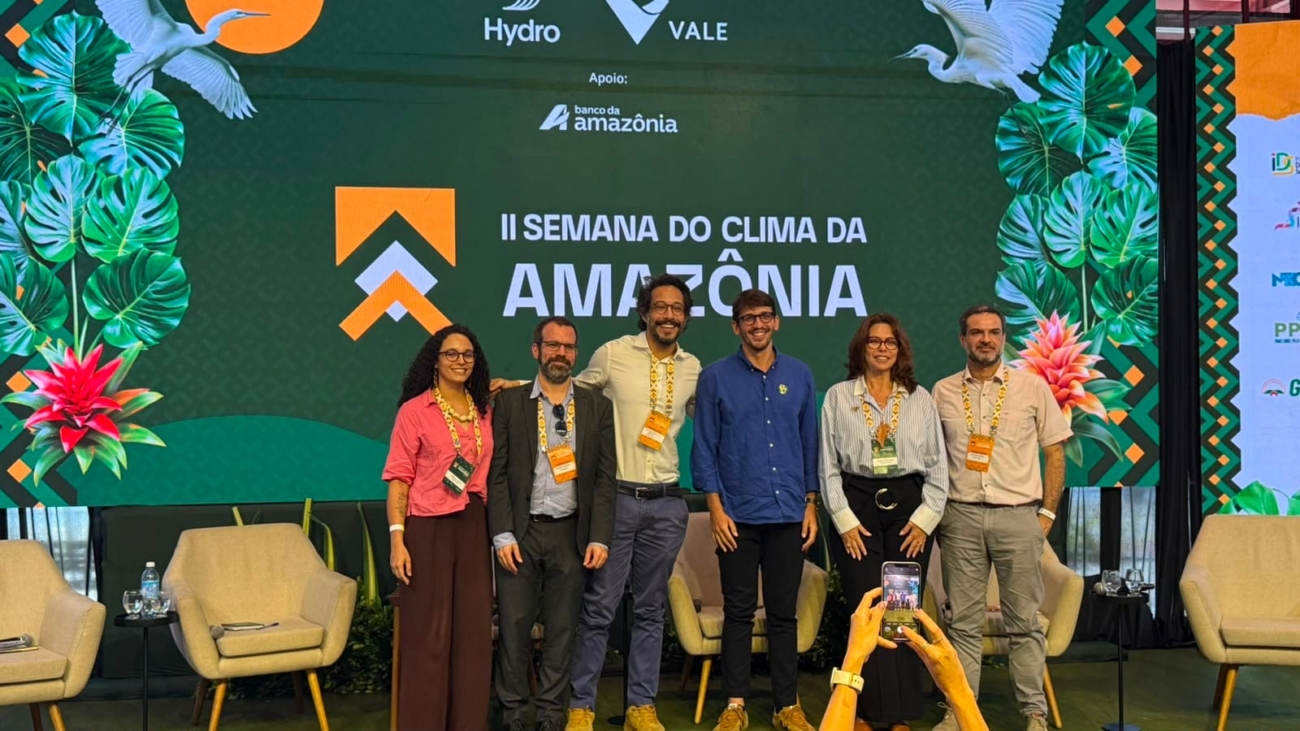
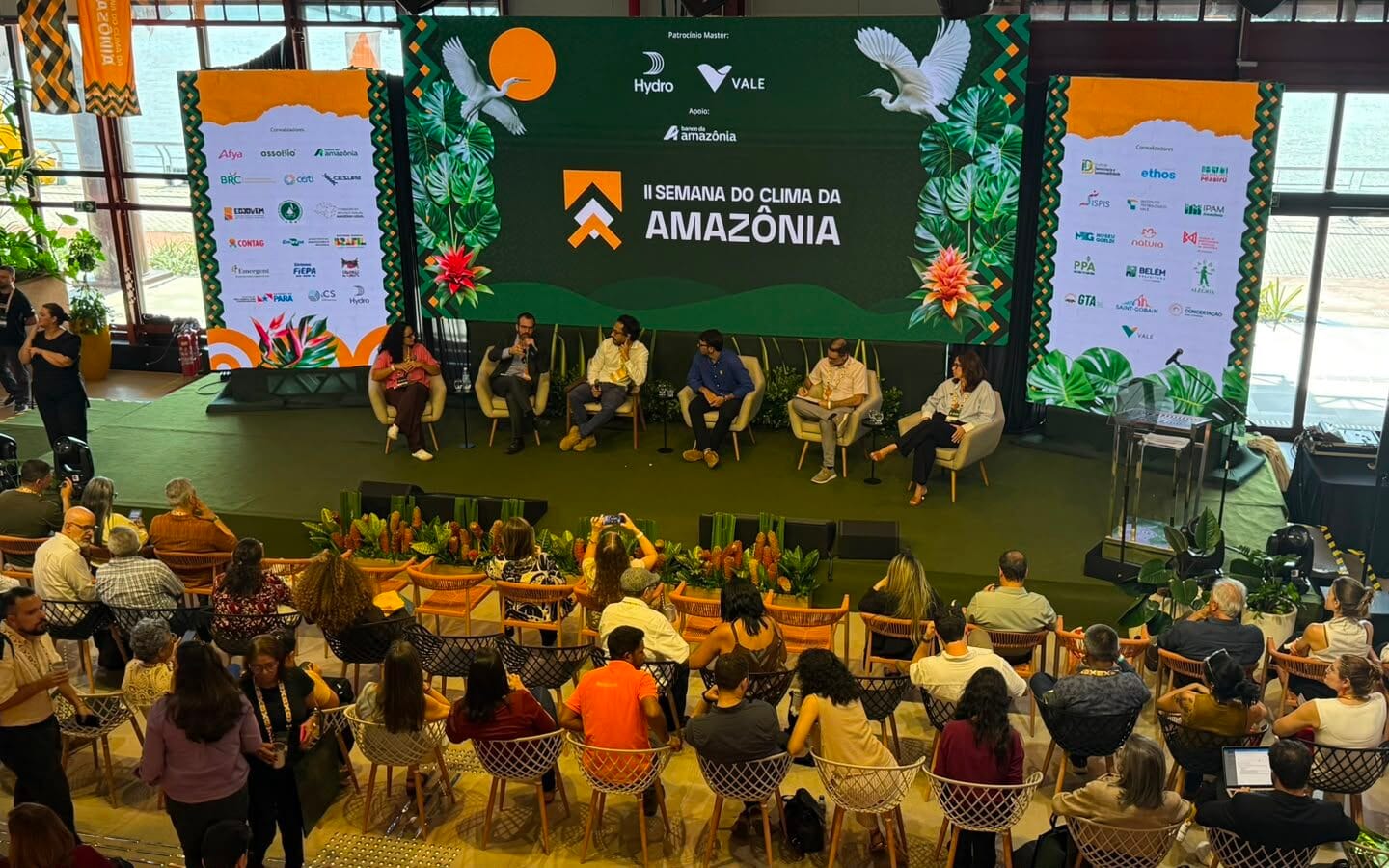
AMAZ highlights integrated funding and support for the socio-bioeconomy during Amazon Climate Week.

Text: MaxiMídia Comunicação

Photo: Disclosure Amaz

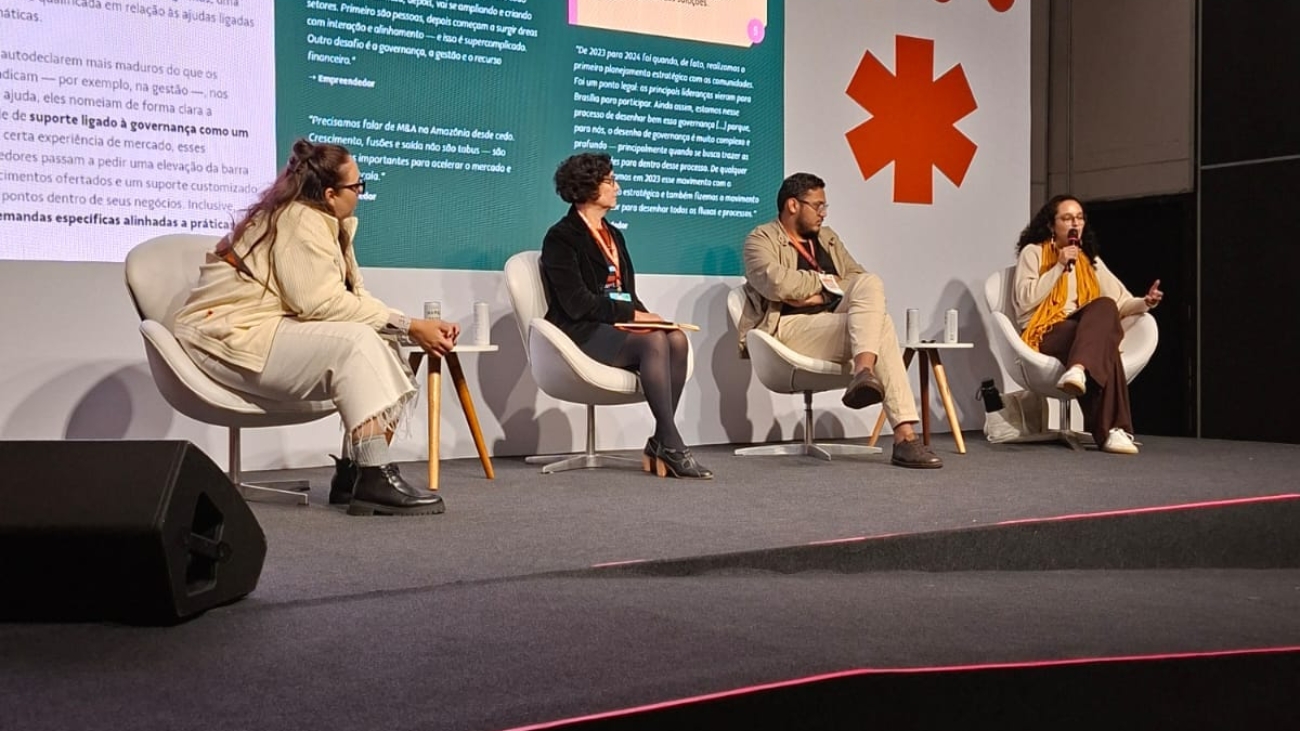
Gabriela Souza, operations manager at the accelerator, moderated a debate on capital, public policies, and the challenges of scaling up impact investments in the Amazon region.

AMAZ, the largest accelerator and investor in impact businesses focused on the Legal Amazon, conceived and coordinated by the Institute for Conservation and Sustainable Development of the Amazon (Idesam), is actively participating in the II Amazon Climate Week, which is being held in Belém (PA) between June 29 and July 4.

Representing the organization, Gabriela Souza, operations manager at AMAZ and leader of New Businesses at Idesam, moderated the panel “Sociobioeconomy and Financing,” which brought together representatives from the Ministry of Agrarian Development and Family Agriculture (MDA), the Pará State Secretariat for the Environment and Sustainability (Semas), the National Bank for Economic and Social Development (BNDES), the Partners for the Amazon Platform (PPA), and the Association of Sociobioeconomy Businesses of the Amazon (Assobio).

According to Gabriela, the central theme of the debate was building a favorable environment for socio-bioeconomy ventures to grow sustainably, with different forms of support throughout their journey.

“The idea I brought to the panel was to discuss the financing of the socio-bioeconomy from the perspective of the capital continuum and enabling conditions, understanding that we need to create infrastructure for socio-bioeconomy businesses and social organizations to succeed, from public policies and financing to land regularization and adequate investment,” he stated.

She highlighted that two words guided the discussions: adaptation and suitability. The proposal was to analyze how each participating institution operates within this logic and how different instruments can complement each other to strengthen Amazonian enterprises.

“The capital continuum is precisely about considering the needs of businesses on various fronts, from financial resources to relational and technical capital. It's about ensuring that, from the initial idea to scaling up, there are no disruptions that cause these ventures to disappear due to a lack of necessary support at a given moment,” he explained.

FINSA

The moderator also highlighted the connection of the debate with Fiinsa (Impact Investment and Sustainable Business Festival in the Amazon), an initiative that brings together actors positioned at different stages of financing the bioeconomy and seeks to build collective solutions for the sector.

Gabriela stated that she explained about Fiinsa and invited the participants to also take part in the event, whose 4th edition will take place between November 3rd and 5th in Manaus, under the coordination of Idesam and Impact Hub Manaus, with the active participation of AMAZ.

The panel's organization followed the logic of the capital continuum, starting with federal public policies, moving through state strategies, and culminating in financing instruments and the experiences of the region's own entrepreneurs.

“Implementation is very much in the spotlight right now, especially since this is the second Climate Week held in the Amazon and the first after COP. The debate now is about practice, about how to transform commitments into concrete actions,” Gabriela noted.

The 2nd Amazon Climate Week can be considered the first major international event in the Amazon after COP 30.

Challenges for small businesses

During the meeting, the president of Assobio, Paulo Reis, presented the perspective of small and medium-sized enterprises in the Amazonian bioeconomy, especially those located in urban centers that invest in adding value and verticalizing production.

According to him, one of the main obstacles is still related to the financing model available to entrepreneurs in the region.

“We need to review how financing is provided so that entrepreneurs can actually work and focus on their businesses. Today, many receive very low investments, which makes it difficult to achieve scale, innovate, and prosper economically,” he stated.

Paulo Reis argued that capital allocated to the sector should assume a greater share of the risks inherent in impact investing and contribute to increasing value creation within the Amazon itself.

“"The suggestion is to bring more risk to capital that should be at risk, but which often invests little in adding value within the Amazon region," he said.

He also drew attention to the need to expand the consumer market for Amazonian products, encouraging the appreciation of items that go beyond already established supply chains, such as açaí and cocoa.

“"Currently, we need to mobilize a market that buys a greater diversity of products from the Amazon, and not just those that are already traditional, especially in the form of raw materials," he emphasized.

The Amazon at the center of the climate debate.

For Paulo Reis, hosting a Climate Week in the Amazon represents an important step forward, allowing the region itself to present its solutions and challenges in the face of climate change.

He pointed out that similar events often occur in major international centers, such as London, Paris, and New York, which are not always directly connected to the realities of the most impacted territories.

“There is no more suitable place to discuss climate than the Amazon. We are talking about a region that is fundamental for nature conservation, for water resources and for the planet's climate balance, but which also directly suffers the impacts of climate change,” he stated.

According to the president of Assobio, the prominent role of the Amazon region in global discussions allows for the incorporation of local perspectives that are often absent from international forums.

“We need to have space to bring our opinion and our point of view. Often, these discussions take place from the perspectives of the Global North or already developed regions. The Amazon also needs to be heard as a territory that faces challenges, but which, at the same time, offers solutions for the world,” he concluded.

DCIM100MEDIADJI_0040.JPG

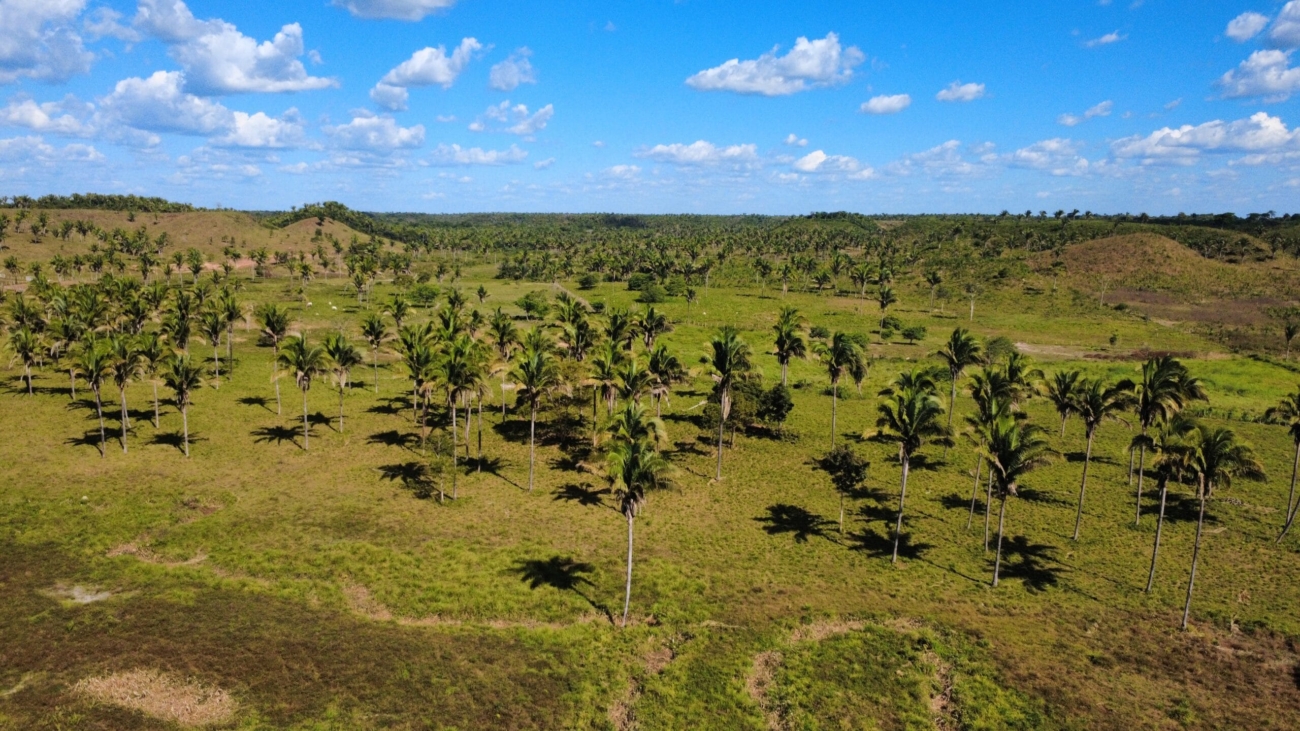
AmidoMato joins AMAZ's portfolio with an innovative solution for the babassu supply chain. 

Text: MaxiMedia

Photo: Courtesy of AmidoMato

A startup that develops derivatives of babassu flour was the only one selected in the 2025 Business Call, which concludes the cycle of the first investment fund from the largest impact business accelerator in the region. 

AmidoMato, a startup dedicated to the standardization and development of babassu flour derivatives for the food industry, is the winner of the AMAZ 2025 Business Call and will now be part of the portfolio of the impact accelerator coordinated by Idesam.  

This selection marks the end of a five-year cycle of investment and support for innovative ventures focused on the sustainable development of the Amazon. This year, the accelerator will not be launching a new Call for Businesses. 

AMAZ's investment complements AmidoMato's seed funding round, aimed at consolidating its production process and expanding its customer base. Founded in 2024, the startup raised R$ 2 million in a round that brought together three important investors: Grão Venture Capital, a founding partner of the business; RG Futures, the food innovation investment arm of RG ThinkFood; and Abunã, the investment arm of entrepreneurs Ilana and Denis Minev focused on initiatives in the Amazon. 

In addition to financial support, AmidoMato has strategic partners that strengthen its market presence. These include Griffith Foods, a multinational food company with which the startup signed its first major supply contract, and EBS, a company specializing in industrial technology for starches and flours. 

The company was founded by Eduardo Roxo, a biologist with a master's degree in Ecology and Agribusiness and an entrepreneur with extensive experience in Amazonian socio-biodiversity businesses. Co-founder of Atina, Mombora and Painel da Floresta, Roxo has worked with the babassu supply chain since 2007, when he participated in the development of babassu mesocarp flour for application in the cosmetics industry. 

AmidoMato aims to transform babassu mesocarp flour into a competitive ingredient against commodities widely used by the industry, such as wheat, corn, rice, and cassava. The proposal is to connect the abundant supply of raw materials existing in the Amazon and the Brazilian Mid-North to the growing global demand for flours, starches, and functional ingredients. 

The startup directly addresses historical bottlenecks in the babassu production chain, a palm tree that occupies approximately 15 million hectares between Bolivia and Northeast Brazil. Traditionally focused on extracting oil from the kernels, the chain makes little use of the fruit's mesocarp, which tends to deteriorate rapidly after falling to the ground. 

Among the main challenges faced by the sector are the irregular supply of raw materials, contamination resulting from traditional harvesting, and the lack of standardization of essential characteristics for the industry, such as particle size, color, fiber content, and technical performance. 

“Our goal is to make babassu flour a safe, competitive, and readily available product, a new option in the world of flours that isn't limited to the niche of forest products,” says Eduardo Roxo, founder of AmidoMato. “We aim to deliver a standardized product with high nutritional quality to the industry.” 

By integrating into AMAZ's portfolio, AmidoMato strengthens its growth strategy and expands its capacity to generate positive socio-environmental impact, contributing to the valorization of productive chains of Amazonian socio-biodiversity and to the creation of new economic opportunities from the standing forest. 

The role of AMAZ in advancing impact investing in the Amazon. 

In 2018, Idesam began working to strengthen impact businesses through its Acceleration Program. From 2018 to 2020, 30 businesses were accelerated and 12 received investments. With the maturation of the program came the accelerator; thus, in 2021, AMAZ was created and for the past five years has been dedicated to selecting and accelerating nascent businesses that provide impactful solutions for the Amazonian context.  

Over the years, the accelerator has accumulated valuable experience and is now a benchmark in the impact investing ecosystem, with impressive numbers such as: 500 startups evaluated, 52 accelerated, and 29 invested in, of which 16 remain active in its business portfolio.   

“In 2026 we will close the cycle of AMAZ's first fund. Our portfolio reflects the diversity of solutions needed for the Amazonian bioeconomy: forest restoration, innovation in ingredients and products, financial and logistical solutions. Over the next 5 years we will consolidate learnings, multiply support mechanisms and strengthen the businesses we invest in,” says Gabriela Souza, New Business Leader at Idesam and operations manager at AMAZ. 

WhatsApp Image 2026-06-01 at 16.06.26 (1)

The Amazon ecosystem reaches a new level, and the debate focuses on scale and attracting new markets at Impacta Mais 2026.

Text: Maxi Media Communication

Image: Press release/AMAZ

At a time when discussions about bioeconomy, impact investing, and sustainable development in the Amazon are gaining depth, AMAZ Impact Accelerator participated in... Impacta Mais 2026 bringing to the center of the debate an increasingly urgent topic: the maturity of the impact investing ecosystem in the region and the necessary paths for its expansion.

Held in São Paulo, Impacta Mais is today the leading Brazilian event focused on impact investing and businesses, bringing together investors, companies, governments, foundations, universities, intermediary organizations, and entrepreneurs working to build socio-environmental solutions in the country.

Representing AMAZ at the event were Gabriela Santos, New Business Leader at Idesam, and Macaulay Abreu, co-founder and partner of Navegam and ForestiFi, both businesses of Accelerator portfolio. The two were part of the launch panel for the study "Structuring Impact Businesses and the complexity of support: the Vale Fund experience from 2020 to 2025", conducted by the Vale Fund in partnership with Pipe Social.

In addition to presenting data, the study proposes a reflection on the lessons learned over five years of supporting impact businesses and intermediary organizations, revealing the challenges of strengthening ventures operating in complex contexts, especially in the Amazon. Among the main points discussed were the need for more adaptable support models, the importance of understanding different levels of business maturity, and the strategic role of connections between organizations, investors, and entrepreneurs.

The discussion also reinforced the need to rethink the very logics of capital circulation within the impact economy, especially in territories like the Amazon, where the challenges demand different timelines, strategies, and instruments than traditional investment models.

“When we talk about democratization, we think about the different audiences that are working on this conservation and restoration agenda. We understand democratization to include everything from the formation of associations and cooperatives at the base of the production chains that keep the forest standing, to dynamic organizations and large-scale businesses,” pointed out Márcia Soares, Amazon and Partnerships Manager at the Vale Fund, who also participated in the debate.

According to Gabriela Santos, the discussion highlights an important shift in the very stage of development of the Amazonian ecosystem.

“Before, we were discussing a lot about what the bioeconomy was, how to build this ecosystem, and what the paths for these investments would be. Now, the discussion has changed levels. We already have structured entrepreneurs, a clearer vision of how to support these businesses, and the next step is to understand how we expand this ecosystem beyond the current niche, accessing new markets and investors capable of further enhancing the impact generated,” he highlighted.

The statement points to a transformation that has been collectively built in recent years: the shift from an ecosystem still focused on validating concepts to a scenario that is beginning to demand scale, articulation, and long-term sustainability. In this context, the strengthening of intermediary organizations, accelerators, and support programs is taking on a central role in connecting capital, technical knowledge, and local entrepreneurs.

Gabriela also highlighted the importance of a systemic vision for the development of the Amazonian bioeconomy, based less on isolated disputes and more on complementarity between initiatives.

“The Vale Fund has this very systemic position, of being able to look at various initiatives and the complementarity between them. There is an important lesson to be learned about how to work together, and not just in competition for resources,” he stated.

Macaulay Abreu's participation brought to the debate the practical perspective of someone who experiences the different cycles of impact business development within the Amazonian ecosystem. With a background linked to acceleration processes and support for ventures in the region, he emphasized how structured programs can directly influence the sustainability and evolution of businesses.

“"The study highlights how support programs are part of a business's development cycle and how important it is that they are aligned with both the maturity of the ecosystem and the maturity of the entrepreneurs involved," he explained.

Amaz's presence at Impacta Mais also coincides with a time when the organization itself has been deepening processes of review, systematization of learnings, and reflection on the role of so-called intermediary organizations in the Amazon.

The experience gained in recent years shows that developing impact businesses in the region requires strategies capable of addressing multiple complexities simultaneously: territorial challenges, market access, entrepreneurial training, connecting with investors, and strengthening local production chains.

WhatsApp Image 2026-05-26 at 14.20.54 (1)

Amazonian impact businesses participate in meeting on artificial intelligence, innovation, and digital sovereignty.  

Text: Maxi Media Communication

Image: Press release/AMAZ

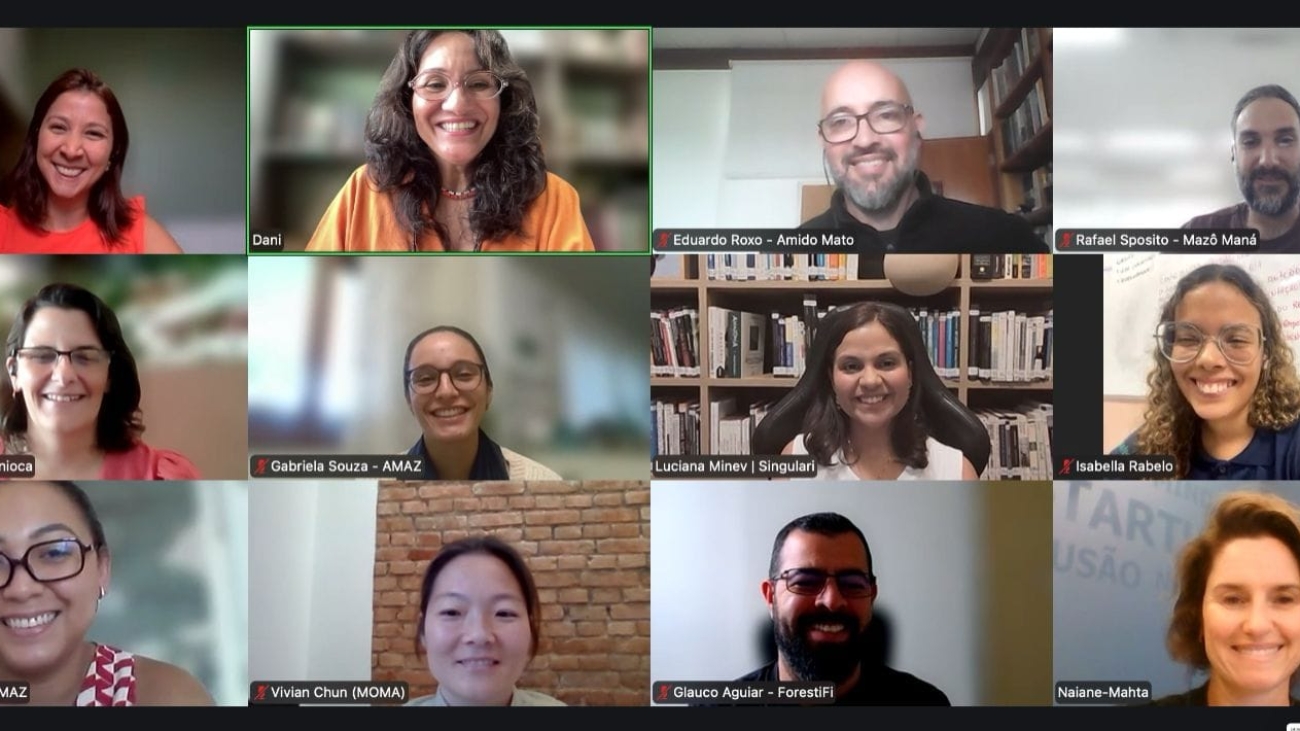
In a scenario where AI is no longer a technology restricted to large companies and is beginning to reshape work routines, managers and impact entrepreneurs – working in the areas of food, cosmetics, fashion, crafts, and logistics in the Amazon – participated in a meeting promoted by AMAZ, an impact business accelerator coordinated by... Idesam, in partnership with Singulari Consulting to discuss the strategic use of artificial intelligence in business management. 

The meeting fostered reflection on innovation, organizational culture, data security, and the challenges of digital transformation in the Amazonian context. Gabriela Souza, Innovation Leader at Idesam and Operational Manager of AMAZ, highlighted the importance of broadening the debate on artificial intelligence among businesses supported by the accelerator, considering the different levels of familiarity with the tools. 

“AI has already been used in different ways within Amazon and also by the portfolio businesses. So this meeting was very much aimed at bringing this discussion to the table, promoting exchanges between entrepreneurs and understanding how these tools can be adapted to different realities and business models,” he stated. 

Throughout the program, Luciana Minev, co-founder of Singulari Consultoria, highlighted that artificial intelligence is already part of the routine of most organizations, although it is still used without strategic direction in many cases. 

“Today, 88% of organizations use artificial intelligence in some way. But only a small percentage of these projects generate real value for the business. Companies are using AI, but not yet in a strategic, structured, and secure way,” he stated. 

According to Luciana, the main challenge lies not only in accessing the tools, but in how people and organizations understand the role of AI within work processes. "Our understanding is that the adoption of AI is a matter of strategy and culture, not technology," she explained. 

She further highlighted that there are different ways to incorporate AI into business, ranging from acquiring platforms to strengthening the individual capabilities of teams. 

“"There is a path linked to the acquisition of technology, but there is another, less explored path that generates a lot of value, which is literacy and individual empowerment for the use of these tools," he said. 

Data Security and Digital Sovereignty  

The meeting also provided an opportunity to discuss data security, digital sovereignty, and the impacts of technology on Amazonian territories. During the conversation, Tucum's CEO, Amanda Santana, drew attention to the problems of data circulation and the use of artificial intelligence in contexts related to the Amazon and indigenous peoples. 

“It’s important to maintain a critical perspective because this concerns national sovereignty, the sovereignty of territories, and the Amazon. When these technologies operate within indigenous territories, for example, there is also a discussion about data, collective intellectual property, and risks linked to biopiracy,” he stated. 

The exchanges fostered during the meeting also sparked new perspectives among the participating entrepreneurs, especially regarding the practical possibilities of using AI in daily business operations. Representing Manioca, Joanna Martins shared how her relationship with technology changed after closer contact with the tools. 

“It was great. It’s a whole new world. It’s almost like learning to read again,” she said. Joanna recounted that, despite initial resistance, she began to see new possibilities through practical experimentation. 

“At first I resisted a bit because I didn’t understand that we needed to feed the tool. But when I started teaching it, it began to make sense and made life much easier. Today I use it a lot at Manioca and the Institute, mainly for research and conversations. And you have opened up another universe here that I will begin to explore,” he stated. 

Amaz drives impact businesses in the Amazon. 

The activity was part of the agenda to strengthen the businesses supported by Amaz Impact Accelerator, which works to promote ventures committed to the sustainable development of the Amazon region. 

Through mentorship, strategic connections, training, and specialized support, the accelerator supports businesses that combine innovation, socio-environmental impact, and the appreciation of the territories and knowledge of the Amazon.

foto amaz (2)

Cassava Day: the repositioning that transformed the ancient tucupi into the Amazonian shoyu.

Text: Maxi Media Communication
Image: Courtesy of Manioca

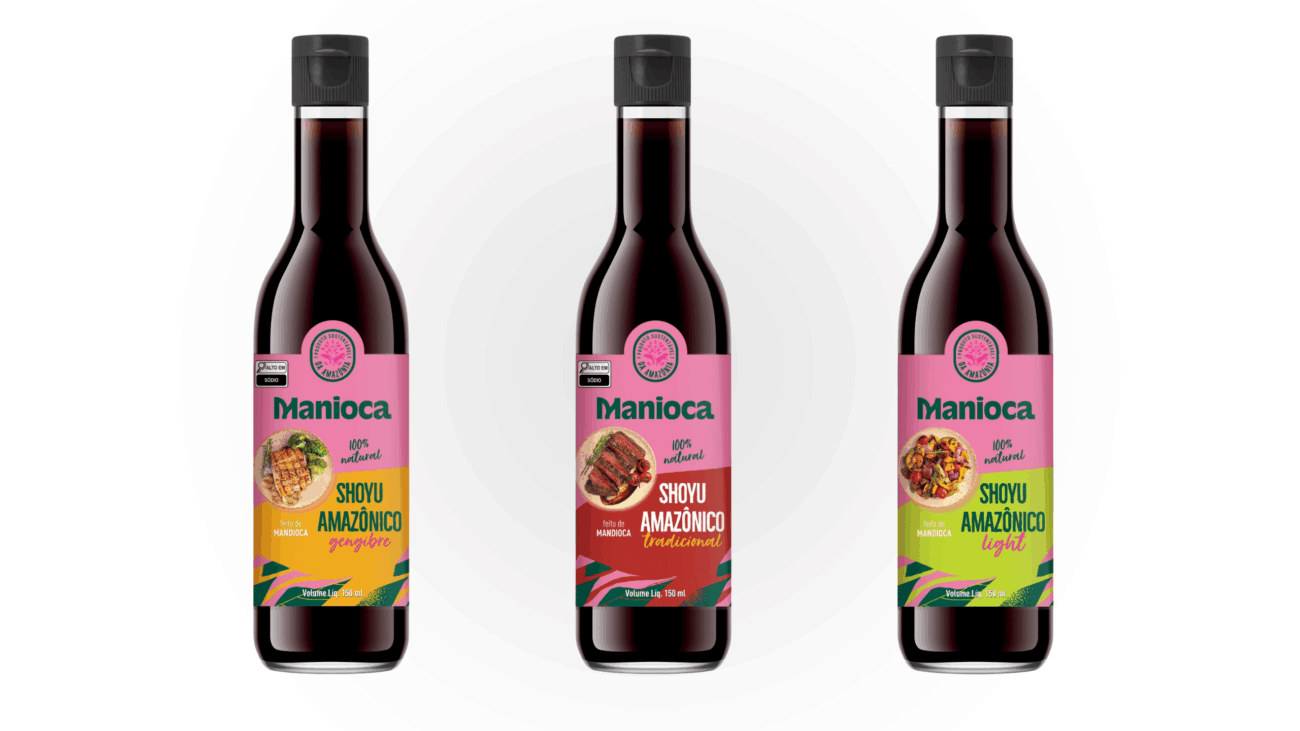
On National Cassava Day, the maniac, A leading company from Pará state specializing in socio-biodiversity ingredients, and part of the AMAZ Impact Accelerator portfolio, celebrates the success of a strategy that combined tradition and market vision: the repositioning of Tucupi Preto as the Amazonian Shoyu. The change in nomenclature and visual identity, consolidated in the 2025 rebranding, resulted in a 35% growth in product sales.

The strategy follows the growth of businesses that transform socio-biodiversity assets into value-added products, expanding the presence of Amazonian flavors on supermarket shelves in major urban centers and connecting tradition, innovation, and regional identity.

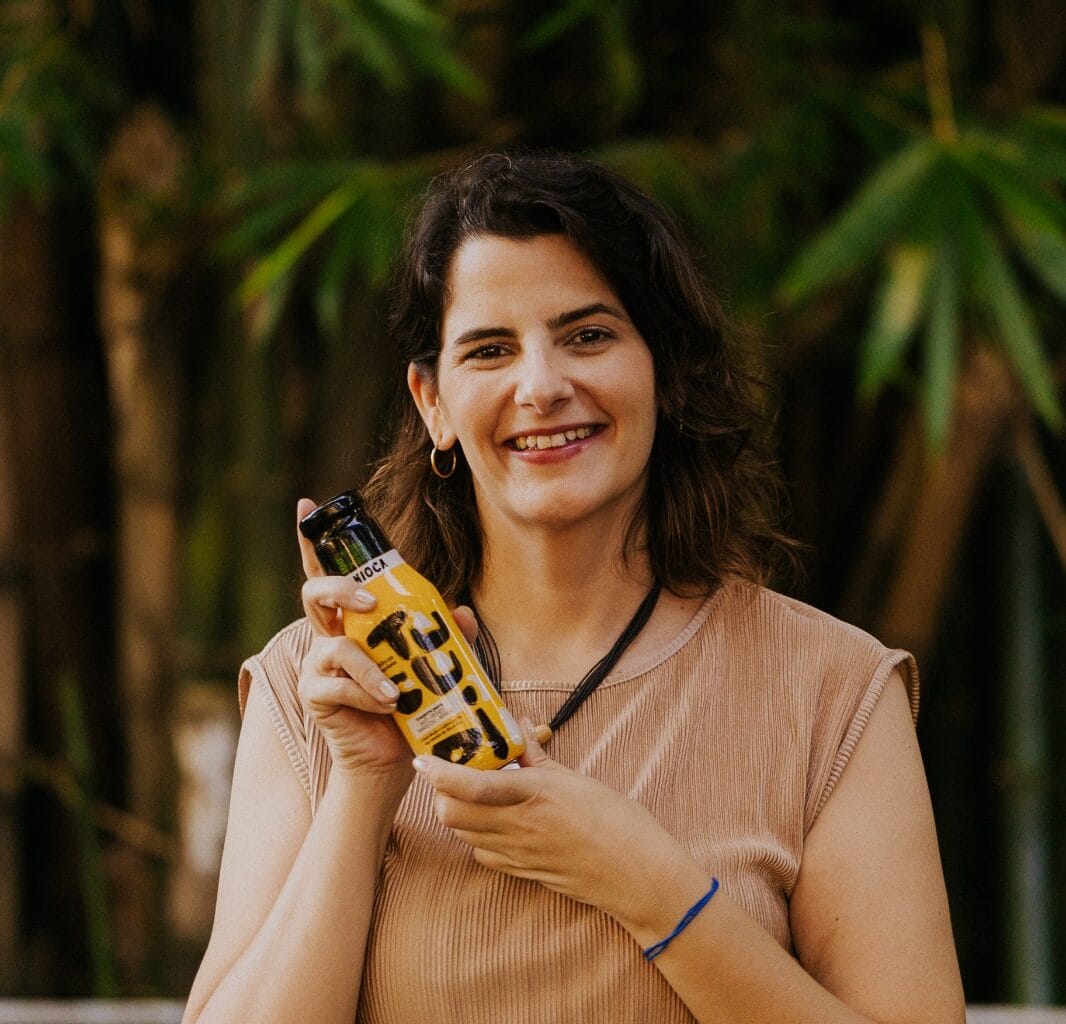
The name change to 'Amazonian soy sauce' was not a decision made in a laboratory, but a response to consumer behavior. According to Joanna Martins, founder of Manioca, customers already naturally associated the color, intense flavor, and culinary function of black tucupi with oriental soy sauce.

“The idea came from feedback from the customers themselves. During the rebranding in 2025, we understood that it was time to make it easier for consumers outside of the Amazon to understand,” explains Joanna.

The product combines notes of sweetness, acidity, smokiness, and umami – the fifth taste that helps make everything tastier. "Tucupi is a central representative of umami, which is also present in cheeses and other fermented foods," adds Joanna Martins.

Joanna Martins, founder of Manioca (Disclosure/Manioca)

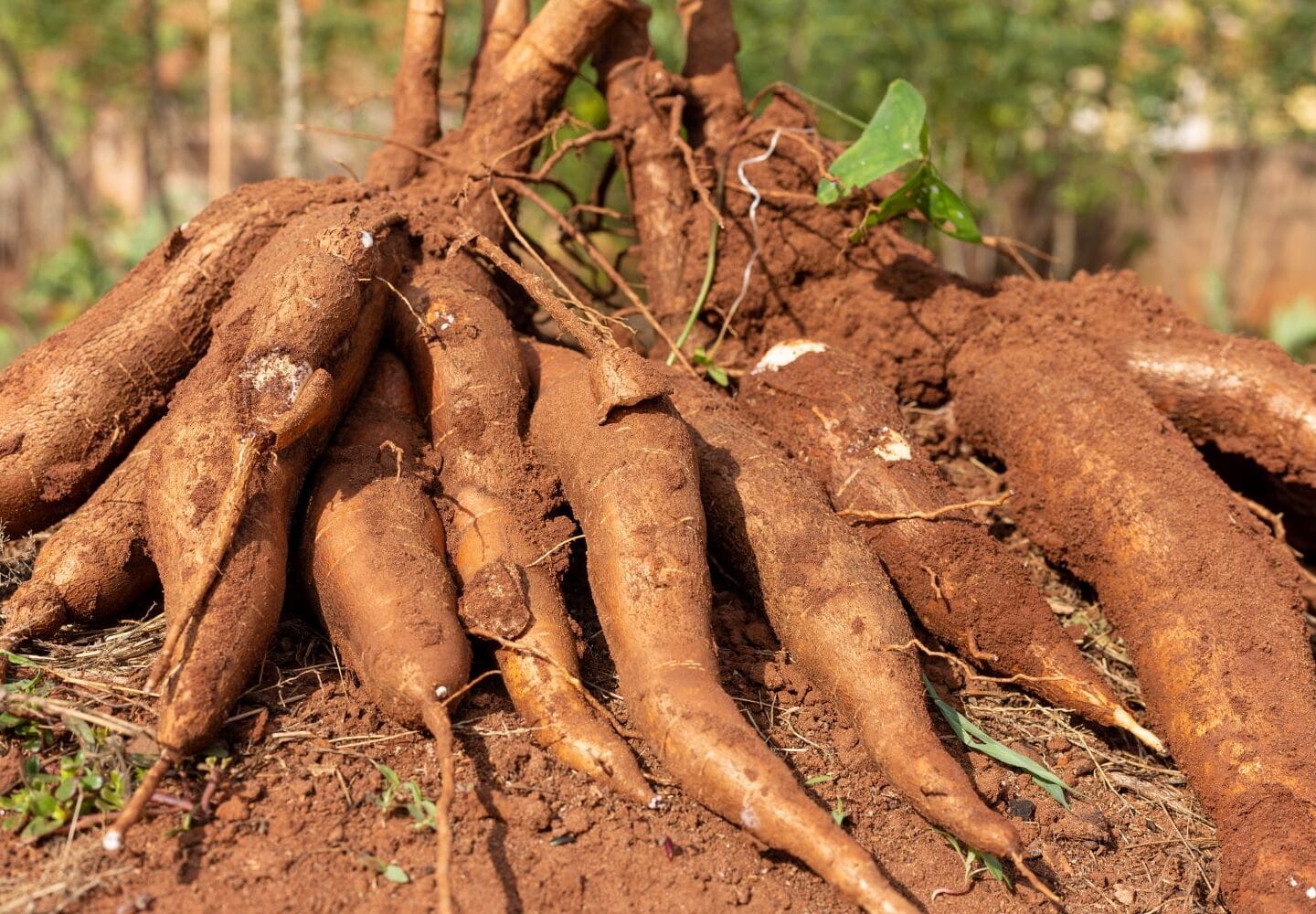
The distinguishing feature of Amazonian shoyu is its naturalness, as it contains only 3 ingredients: cassava, water, and salt – and up to 80% less sodium than traditional shoyus, in the light version – while industrialized soy sauces sold in Brazil contain up to 11 ingredients.

Celebrated on April 22nd, Cassava Day was created to highlight the historical, cultural, and economic importance of this root crop to Brazil. The date chosen by Embrapa coincides with the discovery of Brazil and emphasizes that cassava was already the staple food of the indigenous peoples who lived here when the Portuguese caravels arrived on the northeastern coast.

Disclosure/Manioc

Roots in the forest

The commercial success of "forest soy sauce" is directly reflected at the base of the production pyramid. Through the Raízes Program, Manioca establishes partnerships with 23 family farmers in Pará, offering technical support and addressing the producers' needs.

“It’s always a two-way street. We help the supplier to have better quality cassava, and they deliver an input that adds value to our final product,” highlights the CEO of Manioca. This supply chain governance is one of the pillars of impact investing and has attracted the attention of strategic investors and partners such as the multinational Ajinomoto.

Manioca's trajectory exemplifies the maturing investment ecosystem in the Amazon. Supported by Idesam, which coordinates the AMAZ Impact Accelerator, the company was one of the pioneers to participate in the acceleration program in 2019.

For Gabriela Souza, head of new business at Idesam, Manioca is today a benchmark of resilience. “We have followed the strengthening of the business, from structuring the supply chain to global partnerships. Manioca today reflects how robust governance and intentional capital can scale Amazonian solutions,“ she states.

Innovation in the label, tradition in the essence.

Manioca presents tucupi not as an exotic ingredient, but as a versatile seasoning for everyday cooking — from risotto to ceviche — and to break down the barrier of "haute cuisine," the company launched a recipe e-book that teaches how to use tucupi in simple dishes, such as rice with broccoli or chicken with coconut milk.

The goal is clear: to transform tucupi into an indispensable item in the Brazilian pantry, proving that forest conservation can — and should — have a familiar and accessible flavor.

WhatsApp Image 2026-03-10 at 09.18.03

Post-COP 30: Meeting of impact entrepreneurs consolidates legacy of connections and strengthens bioeconomy in the Amazon.

Text: Maxi Media Communication

Image: Press release

Networking with high-impact entrepreneurs and technology to connect with local impact entrepreneurs is the definitive strategic step to scale the bioeconomy. Four months after the historic COP 30 in Belém, efforts to convert global commitments into local results are gaining new momentum. To refine this connection, Endeavor is conducting an exclusive immersion program with executives and investors in Manaus and Novo Airão, consolidating the legacy of partnerships from the climate conference.

The initiative has the technical collaboration of Idesam, an organization that has been leading the transition to a regenerative economic model in the region for two decades. The event is held in partnership with Impact Hub Manaus and Singulari, with strategic sponsorship from Sebrae.

Idesam's participation in the immersion program highlights the robustness of the solutions developed to unlock the potential of the forest and strengthen local communities. The focus is on income generation through the union of scientific rigor and the wisdom of traditional populations. As one of the main articulators in the sector, Idesam brings to the meeting the accumulated learning gained through the PPBio (Priority Program for Bioeconomy), of AMAZ Accelerator Impact and Zôma — a forest-based business generator officially launched during FIINSA at COP 30.

“Our participation in the immersion program reinforces Idesam's role as a bridge between scientific knowledge, venture capital, and local entrepreneurs. With over 20 years of presence in the region, we are deeply connected to the territory and understand the real challenges faced by those who do business here. After all, the 'time of the forest' has its own dynamic, distinct from the time of the traditional financial market,‘ emphasizes Renato Rebelo, coordinator of Zoma.

Regional Programming and Strengthening

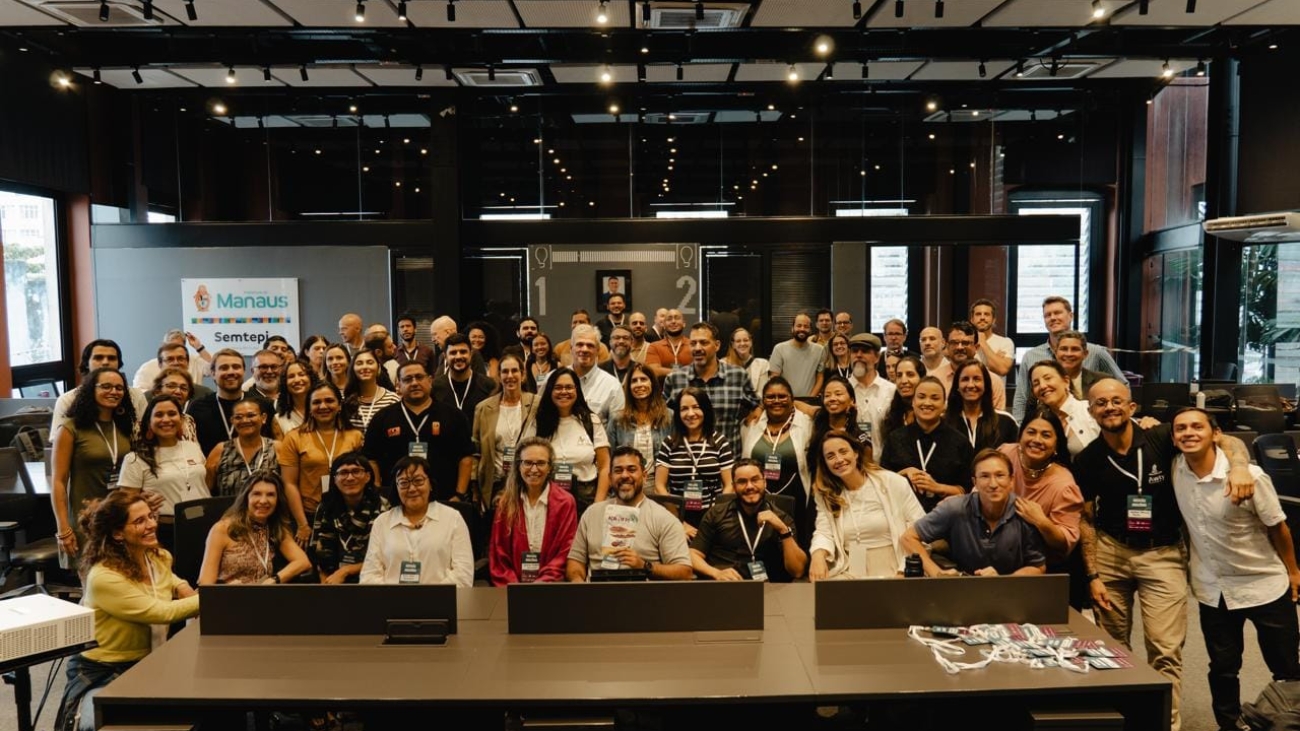
The agenda began last Thursday with a round of networking between executives invited by Endeavor and local startups at the Cassina Innovation Center, a historical and technological landmark in Manaus. This Friday, the group visited the Amazon Biobusiness Center (CBA) and the Business Incubation and Development Center (CIDE). Over the weekend, activities move to Novo Airão, where investors will learn firsthand about the challenges and potential of businesses related to community-based tourism and the sustainable cosmetics market.

“An entrepreneur is someone who believes in a dream and has the mindset to grow quickly, but, in our context, this growth must be accompanied by generating a positive impact on people's lives. We are here to open paths and facilitate connections, investing so that this engine keeps turning,” observes Daniella Mello, Director of Communication and Partnerships at Endeavor.

Impact at the grassroots level and global visibility.

For those doing business in the Amazon, maintaining this ecosystem of connections is vital, especially in the post-COP 30 scenario. One of the great legacies of the global conference was precisely to position forest-based businesses in an unprecedented international showcase.

“These exchanges are fundamental. Often we already know the way, but hearing validation from entrepreneurs operating in the national market is essential to consolidate our strategy. We have had significant growth with the support of PPBio and now, to scale and face logistical and market challenges, we need to be fully integrated into this network,” says Emerson Lima, researcher at Terra Amazônia Superplants, a company specializing in food supplements based on active ingredients from Amazonian biodiversity.

About Idesam

Idesam is a non-profit organization that works to create a new economy in the Amazon. Focusing on conservation and social well-being, it works to accelerate businesses, develop public policies, and structure sustainable production chains. www.idesam.org

WhatsApp Image 2026-02-23 at 14.47.32 (1)

Lack of credit hinders socio-bioeconomy in the Pan-Amazon region, reveals Impact Finance.

Text: Maxi Media Communication
Images: Press release/Impact Finance

Impact Finance (formerly Impact Not a Bank) conducted the study "Financing the Pan-Amazonian Bioeconomy." The survey reveals that only 8.5% of the mapped financial mechanisms focus exclusively on the socio-bioeconomy – that is, mechanisms entirely geared towards community, traditional, and extractive supply chains, focusing on food security, inclusion, and the economy of the standing forest – while 34% support bioeconomy supply chains more broadly.

The survey analyzed 141 active financial instruments in the eight countries of the region and reveals a diverse, yet fragmented ecosystem. Although there is a variety of mechanisms, ranging from subsidies and capital funds to instruments such as biodiversity credits and debt-for-nature swaps, the main challenge identified is not the lack of resources, but the difficulty of access for local entrepreneurs and the inadequacy of financial models to the territorial realities of the Amazon.

“The study results show that resources are available, but they are still poorly adapted to the reality of those who conserve, live, and produce in the Amazon. We need mechanisms that originate from the territory, with transparent governance, more compatible criteria, and adequate de-risking instruments, so that capital actually reaches the socio-bioeconomy production chains,” says Gabriel Ribenboim, CEO and co-founder of Impact Finance.

The study also points out that 57.5% operate with blended financing, integrating public, private, and philanthropic capital, a structure considered strategic for reducing risks and expanding the flow of investments aimed at sustainable and inclusive supply chains.

The complete study, “Financing the Bioeconomy of the Pan-Amazon,” can be accessed on the website: naturefinance.net.

Impact Finance

Impact Finance's participation in the study reflects its practical work within the socio-environmental impact finance ecosystem in Brazil. The organization has established itself as a strategic ally of bioeconomy businesses by structuring financial solutions that combine public, private, and philanthropic capital, with a special focus on governance, the design of hybrid instruments, and the measurement of socio-environmental impact.

Unlike traditional financial institutions, Impact Finance was designed to place socio-environmental impact at the heart of decision-making. Structured as an integrated social and environmental finance platform, in the concept of a one-stop-shop, it serves both those seeking to allocate and monitor capital with impact, and those who need to access resources in a structured, transparent way aligned with socio-environmental results.

The model combines financial products, such as digital accounts, cards, and credit, with a digital infrastructure for managing finances and social and environmental goals – the Impact Map – and the offering of specialized structuring and management services. Everything is designed so that companies and civil society organizations can directly access financial products and management tools, powered by artificial intelligence, that facilitate resource organization, financial control, monitoring, and reporting of socio-environmental results.

One of the mechanisms operated by the platform is 'Amazon Food&Forest', which combines credit, technical assistance, and robust social and environmental management criteria to support sustainable production chains that keep the forest standing.

impact business

Impact Finance is part of the business portfolio of AMAZ, an impact accelerator coordinated by Idesam, focused on strengthening ventures that originate and operate in rural Amazonia. In addition to an acceleration program with strategically customized mentoring tailored to the profile and stage of the business, AMAZ offers financial and strategic support to initiatives facing similar challenges related to resource management, access to capital, and financial sustainability. It also fosters connections between various actors in the socio-bioeconomy, including the 16 businesses currently active in AMAZ's portfolio.

One example of this action is the Tucum Fund, a mechanism aimed at financing the indigenous socio-bioeconomy through initiatives that generate sustainable, financeable, and controlled-risk income. The initiative seeks to promote the economic development of indigenous communities, valuing traditional knowledge and natural resources, while strengthening environmental and cultural preservation.

With goals projected for five years, the Tucum Fund aims to benefit more than 2,400 artisans in 31 territories, involving 54 ethnic groups across three biomes: the Amazon, Cerrado, and Atlantic Forest, encompassing approximately 32 million hectares of Indigenous Lands and Protected Areas. Impact Finance is involved in the financial structuring of the initiative, contributing to the organization of resource flows and the consolidation of socio-environmental and governance criteria.

“This partnership between Tucum and Impact Finance, both businesses in AMAZ's portfolio, has brought only benefits to both companies. We are always actively listening to businesses, promoting connections between them, building bridges with angel investors, in addition to specific mentoring, customized according to the needs of each initiative,” explains Gabriela Souza, leader of new businesses at Idesam and manager of Amaz.