Mercado Amazônia1

Sociobioeconomy products gain prominence at COP30 festival

Text: Maxi Media Communication

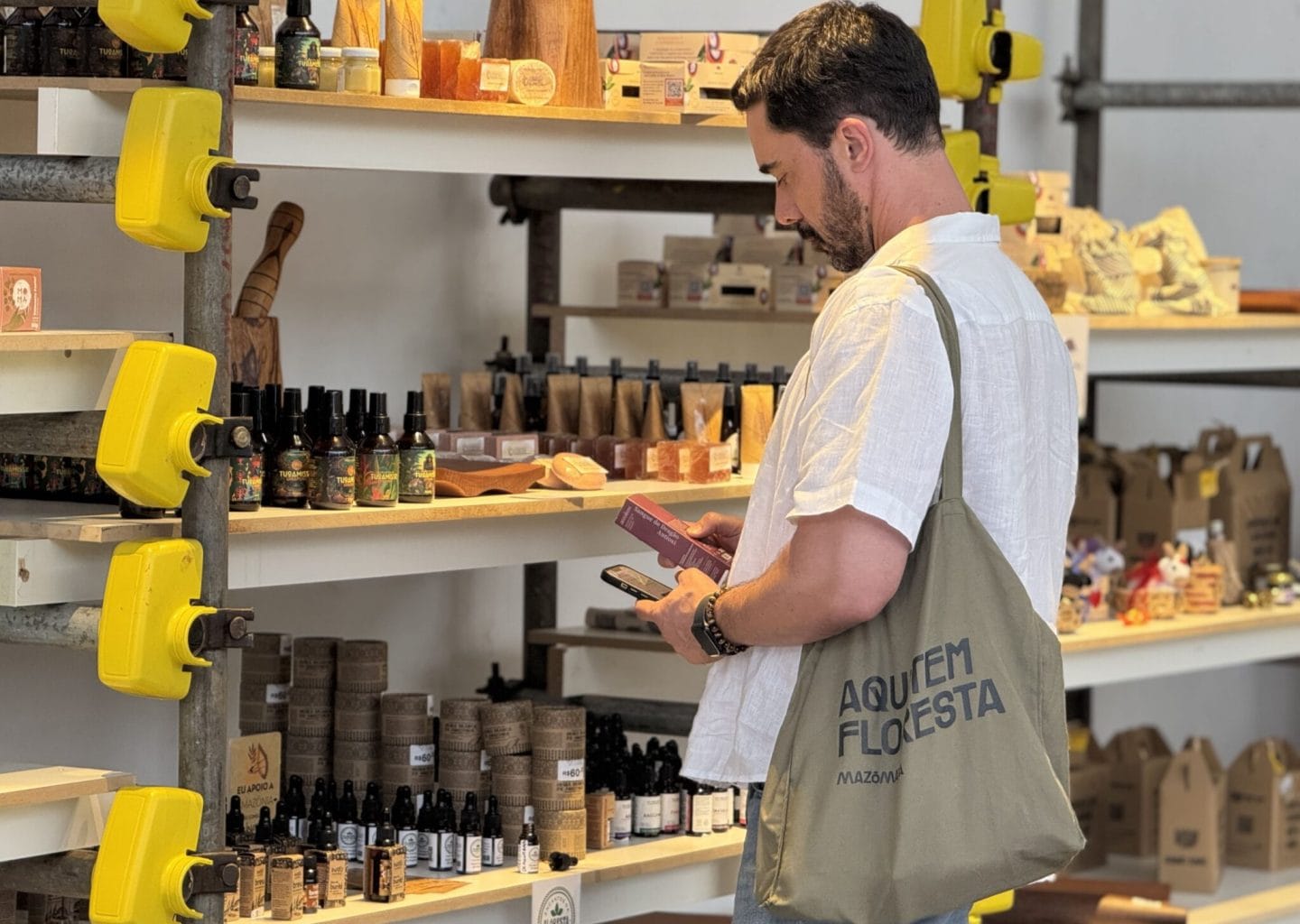
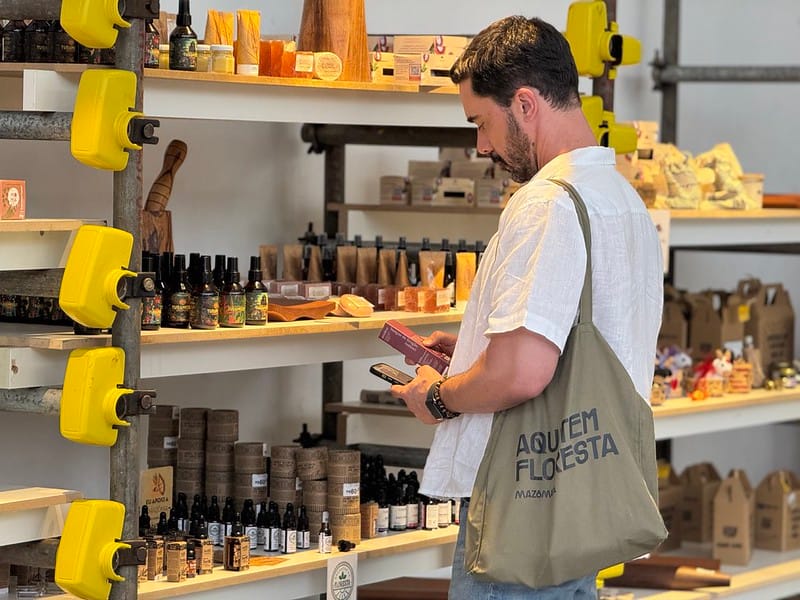
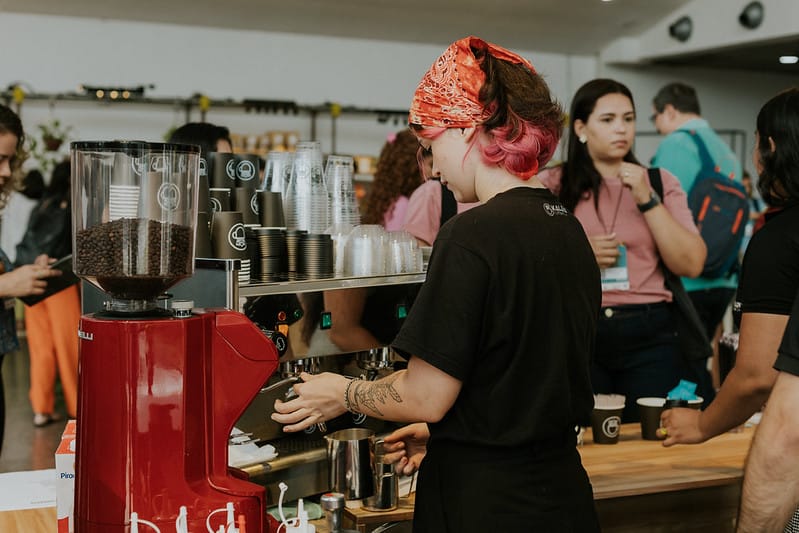
One of the main highlights of the Amazon Impact Investing and Sustainable Business Festival (FIINSA), a special COP30 edition, to be held on November 10, is the Amazon Market, a space that will bring together 50 brands from the rainforest, showcasing products and services. The event will take place at the Pará State University Center (CESUPA), Alcindo Cacela 2 Campus, in Belém, Pará.

The ventures participating in Mercado Amazônia are part of the portfolio of businesses supported by the “Lab de Impacto” acceleration program, run by Impact Hub Manaus, by AMAZ Aceleradora de Impacto, coordinated by Idesam, and will be curated by the Amazon Sociobioeconomy Business Association (ASSOBIO).
Disclosure/Idesam

“"ASSOBIO brings together small and medium-sized companies committed to positive environmental, social, and economic impacts in the Amazon region. Participating in FIINSA is essential, as it reinforces our role in providing visibility and generating business opportunities for our members, in addition to strengthening partnerships with institutions that share this commitment. Our participation marks a new milestone that demonstrates the network's strength and growth, reaffirming our mission to value the economy of the standing forest," comments Carol VilaNova, head of ASSOBIO's events department.

These initiatives promote socio-environmental impact in different Amazonian territories, operating in segments such as food, biocosmetics, waste management, logistics, among others.

According to Marcus Bessa, founder of Impact Hub Manaus and one of the event organizers, Mercado Amazônia has established itself as an essential space for providing visibility and strengthening sociobioeconomy businesses.

According to him, with each edition of FIINSA, not only sales volume grows, but also connections between entrepreneurs, investors, and partners. Sales reached R$14,000 in the first edition (2019), R$62,000 in the second (2022), and R$115,000 last year—results that demonstrate the potential of Amazonian businesses to drive the economy and generate positive impacts.

“"FIINSA is a meeting point for those who dream, invest, and make the Amazon happen. We believe that every impactful business carries a seed of transformation, and our role is to create the right environment for these seeds to grow and become benchmarks for sustainability and innovation in the country. The more strategic players are connected, the better for the region," says Bessa. 

In addition to the Amazon Market, FIINSA's program includes panels, discussion groups, cultural and gastronomic experiences, as well as community and networking spaces inspired by the Amazon rainforest. To learn more, visit fiinsa.org.br. 

The 50 brands that will participate in the Amazon Market are: Biozer da Amazônia Ind., Darvore Cosmetics da Amazônia Ltda., Ekilibre Amazônia, Inatu, Moma, Rondônia Soap Factory, Tekohá Regenerative Cosmetics, Amazônia Agroforestry, Amazonique, Açaí Coffee Mill, Mahta Trade and Import of Natural Products Ltda., Mazo Mana, Tribo SuperFoods, Terramazonia, Amazônia Bee, Apoena Bioindustrial Ltda., Cacauaré, Jackfruit Meat, Chocobic Food Industry (Na Floresta), Cupu do Quintal, Deveras Amazônia, Jambu Sinimbu, JuCarepa, Manioca, Taberna da Amazônia, Zeno Nativo, Tucum, Urucuna Cosmetics and Crafts Ltda., Yanciã, Smartfoods, Mead, AMZ Tropical, Seiva, Bossa Pack, Da Tribu, Impact Bank, ForestiFi, Ubim Tourism, Paiter Museum Soe, Cacau Raiz, Yawa Studio, Dr. da Borracha, Mel Bonal, Aruanas, Sioduhi Studio, Encantos da Floresta, Wasai, among others.
Disclosure/Idesam

More about FIINSA

The Amazon Impact Investing and Sustainable Business Festival (FIINSA) is organized by Idesam and Impact Hub Manaus, co-organized by CESUPA. It is sponsored by Fundo Vale, Soros Economic Development Fund, Bemol, CNP Seguradora, and Suframa's Priority Bioeconomy Program (PPBio). Support is provided by the Sabin Institute, Bezos Earth Fund, Carbon Disclosure Project (CDP), and the Amazon Investor Coalition. Partners include the Health and Happiness Project, the Amazon Sociobioeconomy Business Association (Assobio), the Amazonian Climate Network (RAC), the Amazon Entrepreneurship Center, the Alliance for Impact Investing and Business, the Sustainable Connections Institute (Conexsus), the Arapyaú Institute, and Casa Amazônia.

About Idesam

Idesam is an Amazonian organization operating in the Legal Amazon since 2004. Its mission is to promote the appreciation and sustainable use of natural resources in the Amazon and to seek alternatives for environmental conservation, social development, and climate change mitigation. Accredited as an Institute of Science and Technology, it is qualified as a Social Organization of Public Interest (OSCIP). Among the recognitions already received, it was named the best environmental organization in the North Region by the Best NGOs Award 2020 and 2023. It received the 2022 Social Entrepreneur Award, sponsored by Folha de São Paulo and the Schwab Foundation, in the "Innovation and Environment" category, and is accredited as an actor in the United Nations Decade of Ecosystem Restoration (2021-2030). To learn more, visit: www.idesam.org.

About Impact Hub Manaus

Impact Hub Manaus carries a deeply Amazonian identity. With 10 years of experience, the organization seeks to strengthen the region's impact entrepreneurship and innovation ecosystem by promoting acceleration programs, investments, community engagement, training, and events focused on the bioeconomy and social innovation. Since 2015, it has connected entrepreneurs, investors, social leaders, and partners. In its first decade, it built a community of over 500 members, supported over 3,000 entrepreneurs, invested in over 40 social businesses, mobilized over R$ 2 million in resources, and brought impact to more than 10 cities in the Legal Amazon. More than just results, the Hub represents a collective movement for an innovative, sustainable, and leading Amazon, where economic development goes hand in hand with environmental conservation and the empowerment of those who live in the region.
WhatsApp Image 2025-10-10 at 11.41.49

Amaz reinforces opportunities and highlights challenges for impact businesses in Amazonas in a workshop to develop the Bioeconomy Plan 

Text: Maxi Media Communication

Image: Disclosure/Amaz

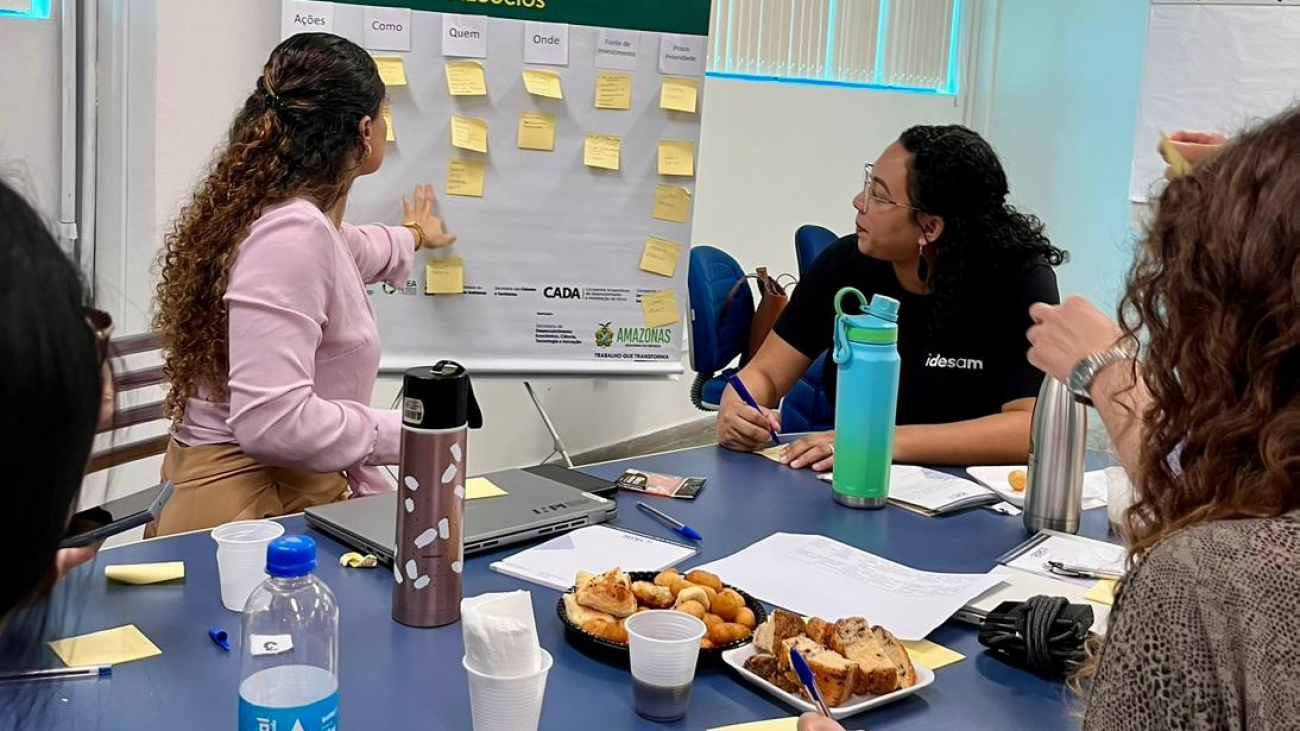
Amaz Aceleradora participated in the workshop for the construction of Amazonas Bioeconomy Action Plan, Promoted by the State Secretariat for Economic Development, Science, Technology, and Innovation (Sedecti). The meeting, held at the Amazon Biobusiness Center (CBA), discussed the plan's governance pillar with stakeholders from the public and private sectors, as well as social organizations. 

The Amazonas State Bioeconomy Plan is a state government initiative that has been developed through participatory processes, including public consultations and direct dialogue with the 62 municipalities. The goal is to structure a development model that values the standing forest and sociobiodiversity, transforming natural resources into innovative economic and social solutions. 

With five years of experience supporting businesses with socio-environmental impact in the Amazon, Amaz contributes to strengthening sustainable production chains and expanding access to investment and training for entrepreneurs in the region. The initiative's participation in this process reinforces the importance of integrating the perspective of those already working directly in the impact ecosystem into the formulation of public policies focused on the bioeconomy. 

According to Gabriela Santos, New Business Leader at Idesam, the Amazon Institute for Conservation and Sustainable Development, which coordinates the Amaz Impact Accelerator, among other initiatives focused on strengthening New Businesses, the meeting represented a crucial step in the collective development of the State Bioeconomy Plan, which directly impacts the organization's operations, the supported businesses, and the entire impact ecosystem. The manager emphasized that Amaz's participation has been marked by collaboration throughout the entire process, especially in identifying challenges ranging from strengthening value chains to commercializing sociobiodiversity products. 

"The exchange with representatives from the public, private, and third sectors ensures that the plan will be designed taking into account the experiences and lessons learned from each of these sectors, as well as opportunities for collective work, particularly in terms of policies and structures that enable and benefit the business ecosystem. In this way, we position ourselves as a key player in the implementation of the plan's definitions," he emphasized. 

Discussions on the Bioeconomy Action Plan continue throughout this week. During this phase, participants will delve deeper into the debate surrounding the Plan's other pillars, which include topics such as decarbonization, renewable energy, people and culture, business ecosystems, and genetic heritage. 

Biatris Rocha, advisor to the Department of Bioeconomy and Strategic Actions at Sedecti, highlighted the importance of the regional consultation process for the plan's success.  

"Based on the regional consultations, which began in February, we will be able to incorporate the communities' perspectives, ensuring that the plan is not only technical, but also representative of local demands," Biatris stated. 

db574b8b-c31a-444b-a27a-d704e79349d1

Startups innovate with tokenization of Amazonian nuts

Text: Maxi Media Communication

Image: Disclosure/Zeno Nativo

Fintech ForestFi and Zeno Nativo are two startups with authentic Amazonian DNA that innovate by investing in sustainable management chains. In the partnership, one contributed the technology and the other the product.

Investment culture has been gaining momentum, with several options for more conservative profiles, such as Treasury Direct, CDB, and LCI, as well as others that cater to moderate and bold investors. And now, those interested in profiting from investments that expand profits beyond monetary terms, combining benefits—such as maintaining the forest and strengthening the Amazon's sociobiodiversity product chains—with financial returns, have found the perfect option: Amazon nut tokens.

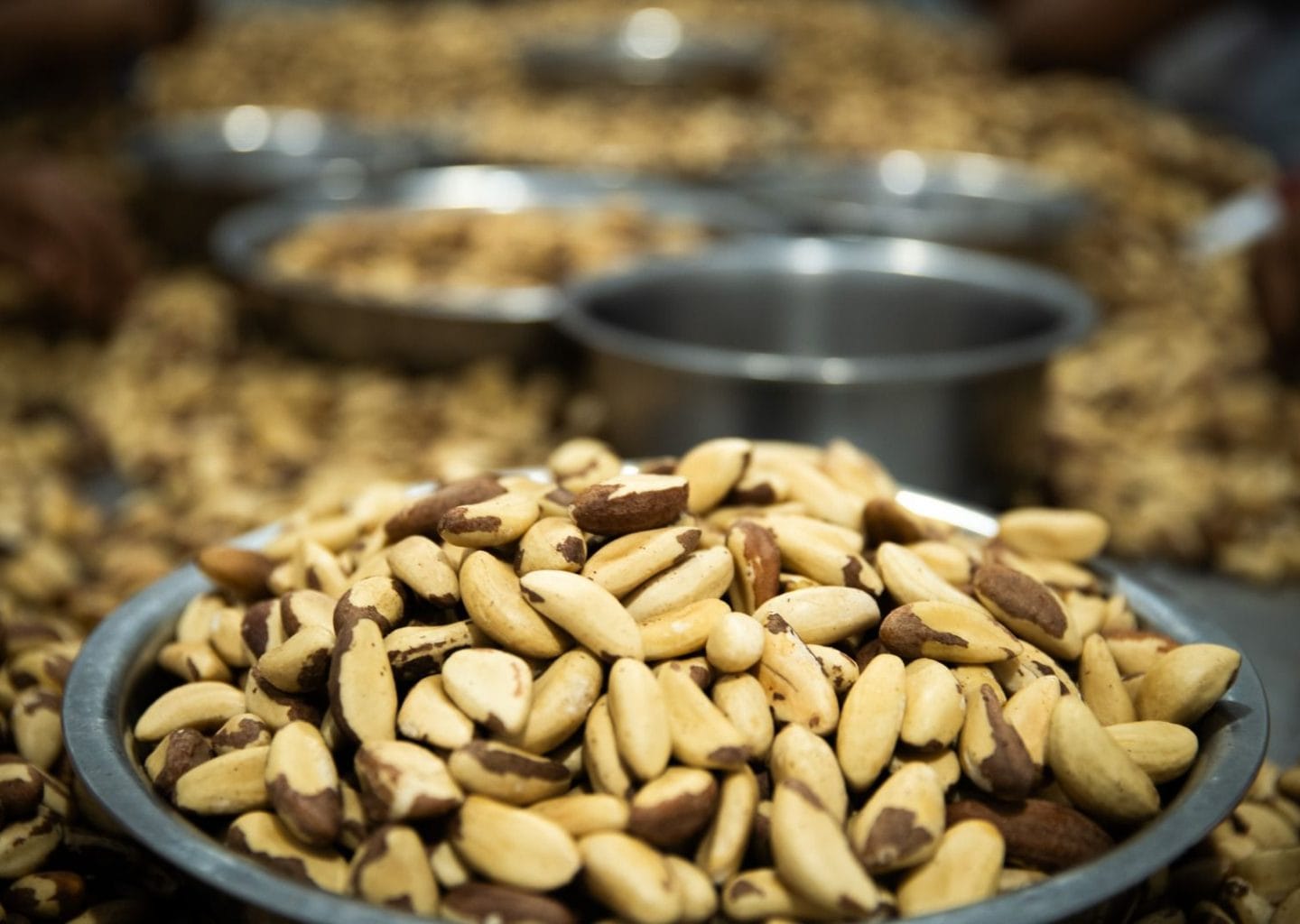
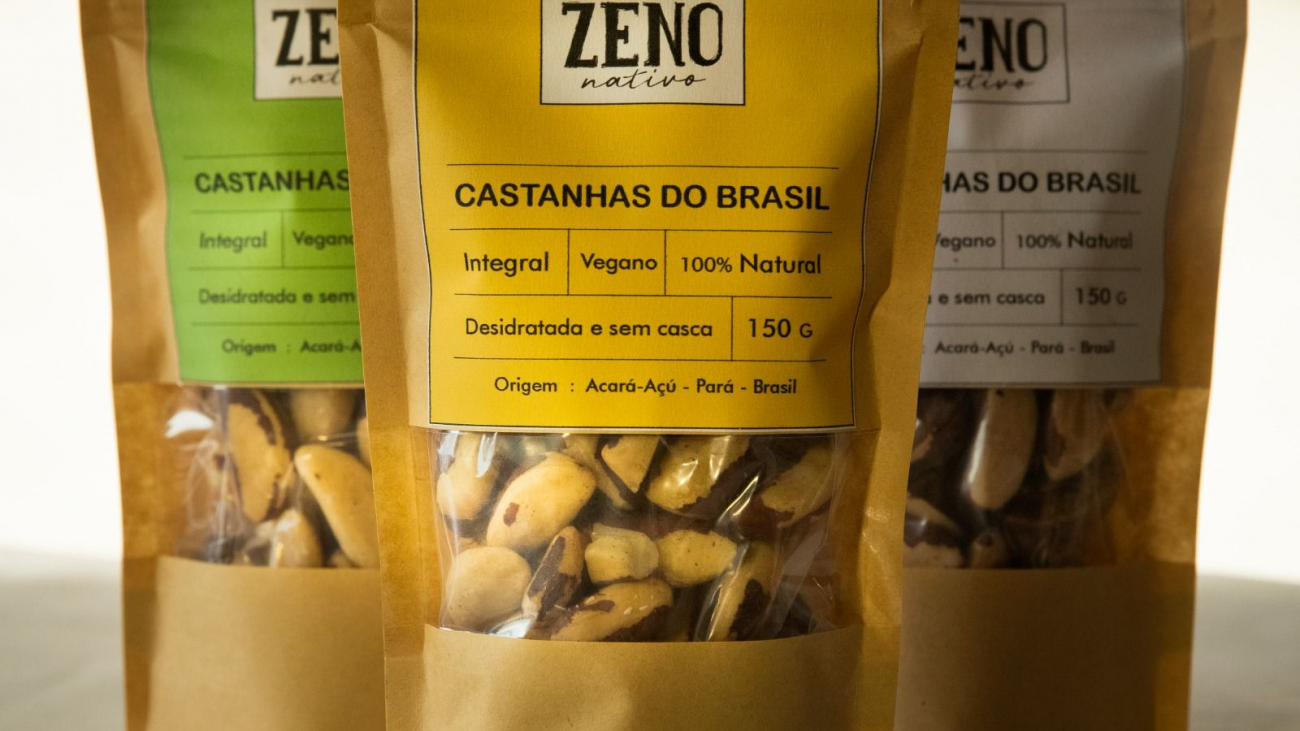
Amazon chestnut (Disclosure/Zeno Nativo)

The innovation is the result of a project between ForestiFi, a Manaus-based fintech specializing in impact investing, and Zeno Nativo, which produces and sells forest products to traditional communities living near the Acará River in Pará. Both startups are part of the portfolio of AMAZ, the largest impact business accelerator in the North Region, focusing on companies operating in the Legal Amazon.

In April of this year, the startups transformed 1,850 kilograms of Amazonian nuts into digital assets and raised R$114.7 thousand in investments. In total, 82 people participated in the campaign, purchasing 4,588 tokens sold at R$25 each. With a return expected in September (five months), each token is expected to be redeemed for R$26.69—an increase of R$1.69. This represents an increase of R$7.7 thousand in value over the tokenized harvest and a final transaction of R$122.4 thousand.

The amount raised will be transferred directly to more than 50 extractive families in the Acará River region (PA), where the nuts tokenized in this campaign came from.
Glauco Aguiar, co-founder of ForestiFi, is one of those responsible for this innovation. He has worked with other Amazonian sociobiodiversity products, including native cacao, managed pirarucu, and wild guarana, but says there has always been an interest in tokenizing the nut and boosting income generation for those working in the sustainable chain.

"This allows small producers, traditionally excluded from the financial system, to access resources. [...] We've shown that the annually harvested Brazil nuts are a legitimate asset, capable of serving as collateral for fundraising," he explains.
The procedure, however, is not limited to creating a system for buying and selling assets using blockchain technology.

Organizations interested in tokenizing their products need to analyze their governance, legal security, and accounting requirements to ensure the success of investment rounds. "This allows us to address the logistical complexities of the Amazon region in a structured and efficient manner," he adds.

Furthermore, Glauco reinforces that tokenization is an allied tool for the sustainable development of the Amazon, as it encourages the organizational maturity of producer groups, which is reflected in better management practices, increased production efficiency, and the valorization of sociobiodiversity products.

Sustainable production and appreciation of sociobiodiversity

Another key player in the tokenization process is Zeno Gemaque, co-founder of Zeno Nativo. The partnership began during a networking event hosted by AMAZ. After meetings and strategic visits, the idea emerged to innovate by transforming Brazil nuts into digital assets. He celebrates the initiative's success.

"We'll purchase raw materials, in this case, Brazil nuts, to process and sell. [...]. It will be an average of 6,900 kilograms of nuts, which will benefit more than 50 extractive families [on the Acará River]," explains the entrepreneur. Processing is a process that includes selection, shelling, dehydration, packaging, and logistics of the nuts.
Since its founding in 2012, the startup has already sold more than 15 tons of nuts and five tons of fine cocoa, preserving more than 17 thousand hectares of native forest, always with organic certification issued by the Ministry of Agriculture and Livestock (MAPA).

Currently, Zeno Nativo works in collaboration with more than 300 extractive families in the Amazon, strengthening the preservation of the standing forest and generating income for the population.

(Disclosure/Zeno Nativo)

"We offer sociobiodiversity products to markets that value traceability and sustainable socioenvironmental practices. This is essential to supporting standing forests, combating monoculture and river contamination, and strengthening an economy that respects nature and people," he adds.

However, Pará suffers from several socio-environmental problems, such as wildfires and illegal mining. According to the Deforestation Alert System (SAD) of the Amazon Institute of Man and Environment (Imazon), the state recorded the highest rate of deforestation last year, with 1,260 square kilometers (km²) deforested.

To change this scenario, one of the most viable alternatives is crop diversification, so that other products of regional sociobiodiversity gain value.

"We're interested in tokenizing cocoa in the future, but this will largely depend on the results of the initial experiment. We're testing the mechanism, seeing how it performs within the company and what the results are for our suppliers. From there, we'll conduct an evaluation and explore the possibility of further rounds," concludes the entrepreneur.

International recognition

This was ForestiFi's sixth project in the Amazon, which also involves work with native cacao, managed pirarucu, and wild guarana. This translates into nearly half a million reais raised since its founding two years ago.

All this dedication earned ForestiFi recognition as one of the world's most innovative sustainability startups by Change 100, a campaign by the We Make Change platform with the support of major partners such as Microsoft Entrepreneurship for Positive Impact and Techstars. The announcement was made during the "Change Now" event held in Paris in April.

ForestiFi's focus is strengthening the Amazonian bioeconomy through blockchain technology, connecting small rural producers to sustainable investment markets. The startup has transformed access to financial capital in Northern Brazil, using tokenization as a tool to finance sustainable production activities, protect forest areas, and generate positive socio-environmental impact.

"This recognition reinforces the relevance of our work and opens doors to new international connections. [...] From now on, we will intensify our expansion strategy, consolidating ForestiFi as a global benchmark in the tokenization of natural assets," concludes Glauco.

About ForestiFi

ForestiFi is an impact investment platform that connects investors to sustainable Amazon supply chains, using tokenization technology to ensure traceability, liquidity, and transparency. It has already structured tokens linked to products such as native cocoa, managed pirarucu, and wild guarana.

About Zeno Nativo

Founded by Zeno Gemaque and Coi Belluzzo, Zeno Nativo operates in the municipality of Acará, Pará, processing nuts and cocoa native to the Amazon rainforest. Focused on quality, traceability, and valuing the forest's indigenous peoples, the company operates B2B, B2B2C, and B2C models, serving domestic and international markets.

About Amaz Accelerator

ForestiFI and Zeno Nativo are part of the Amaz Aceleradora de Impacto portfolio, an initiative of the Amazon Conservation and Sustainable Development Institute (Idesam) that supports businesses with solutions to the challenges of the Amazon, from sustainability to income generation for local communities.

Initiatives like this are considered strategic for forest preservation, supporting startups that combine environmental conservation, sustainable use of biodiversity, and economic value generation. This helps strengthen local production chains, increase positive socio-environmental impacts, and promote innovative solutions that contribute to the region's sustainable development.

Alter do Chão (2)

Tourism Day: sustainable experiences to discover the Amazon

Text: Maxi Media Communication

Photo: Disclosure/Vivalá

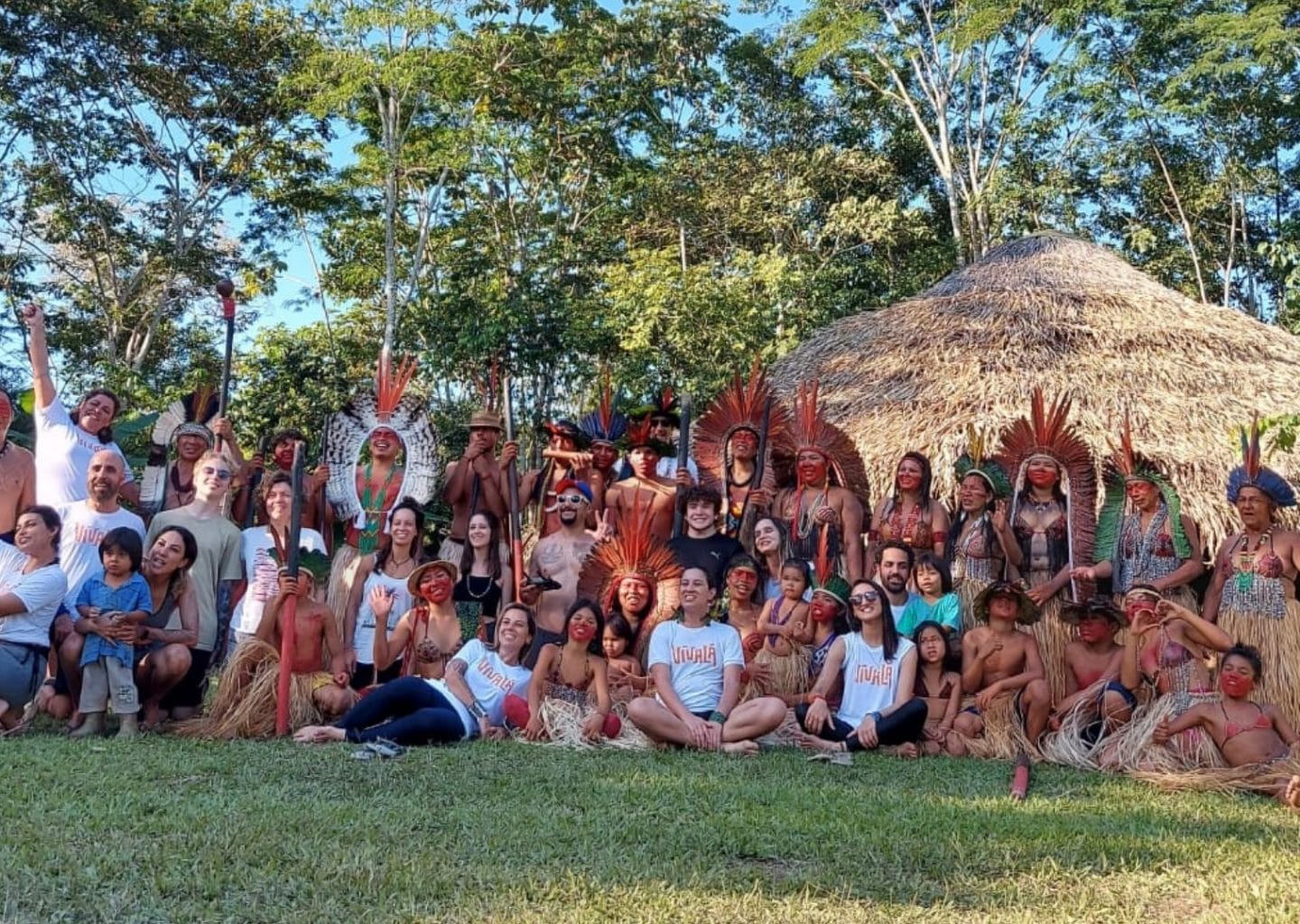
From immersing yourself in indigenous villages in Acre to the beaches of Alter do Chão in Pará, to riverside inns on the Rio Negro and the adventure of Pico da Neblina, different experiences reveal several 'Amazons' in one. Exploring the region through the lens of impact tourism, practiced responsibly and with community leadership, is the best option, especially for locals.

Vivalá, a company supported by Amaz Aceleradora, operates experiences ranging from paradisiacal beaches to Pico da Neblina, connecting visitors to local communities and nature.

"Each itinerary reveals a different Amazon: from the forest to the savannah, passing by rivers and beaches. Multiple immersions are necessary to fully understand the region's diversity and enjoy unique experiences," explains Daniel Cabrera, founder of Vivalá.

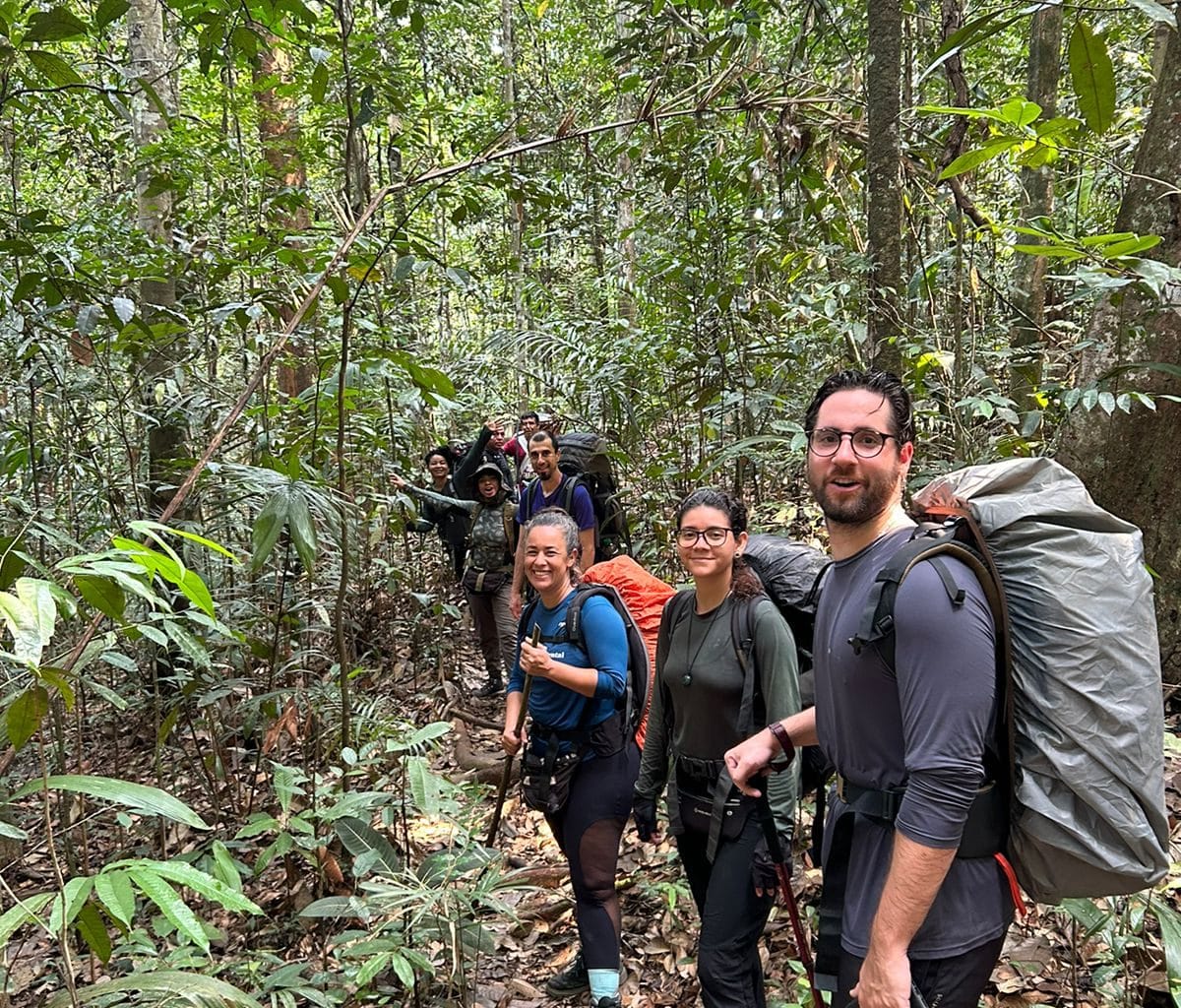
At Pico da Neblina (AM), travelers trek to the highest point in Brazil, sail the Cauaburis River, and participate in the blessing of Yanomami chiefs. In the Rio Negro region (AM), the journey includes jungle trails, river bathing, sky-gazing from canoes, interactions with river dolphins regulated by ICMBio, craft workshops, and visits to local wildlife conservation projects.

Pico da Neblina Trail (Disclosure/Vivalá)
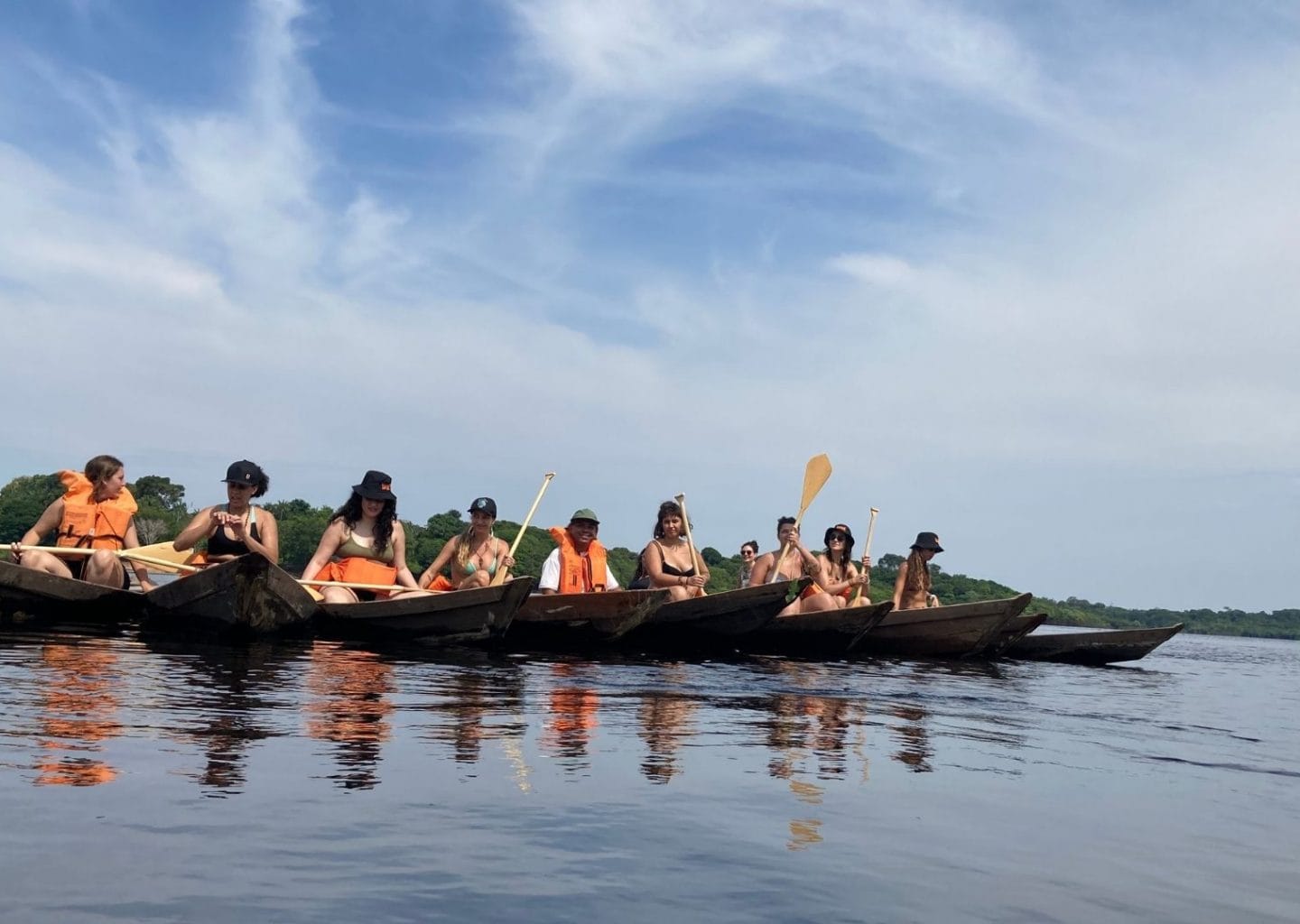
Tour on the Rio Negro (Disclosure/Vivalá)

Between beaches and Amazon rivers, in Pará, Alter do Chão offers navigation along the Jari Canal, the Vovó Samaúma trail, riverside dining, and carimbó and craft workshops. Also in Pará, another option is to visit Belém and Marajó Island. Visitors can stroll along creeks, participate in pottery and chocolate workshops, and experience the extraction of açaí and Turu berries, as well as experience local culture in flour mills and community fishermen's houses.

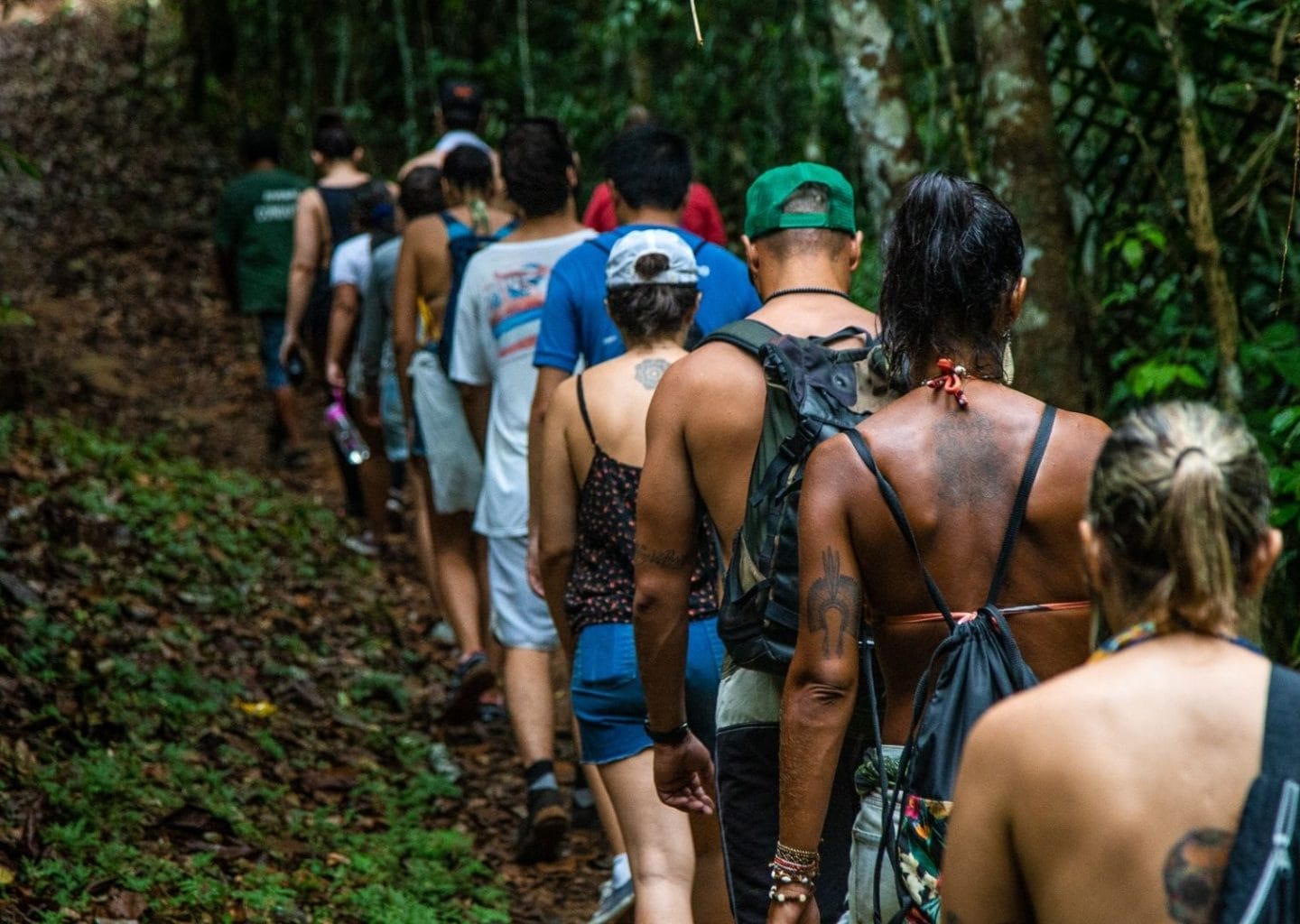
Tourists on an expedition to Alter do Chão (Disclosure/Vivalá)

For those seeking a deeper dive into the ancestral culture of indigenous peoples, a visit to the Shanenawa village (AC) offers jungle trails, dancing and singing, body painting and weaving workshops, traditional ceremonies, and learning about ancestral medicines.

“Sustainable tourism has transformed our way of life,” says Chief Teka Shanenawa, from the Shanenawa village, a place frequented by DJ Alok.

Visit to the Shanenawa village (Disclosure/Vivalá)

Expeditions are available starting at R$1,125.50, with all packages including accommodations, meals, and travel insurance. More information and reservations can be found on the website. www.vivala.com.br.

Supporting the Amazon on every journey

Amaz is the largest business accelerator and investor in the North of the country. Coordinated by the Amazon Conservation and Sustainable Development Institute (Idesam), it supports initiatives that promote a positive impact on the region, such as Vivalá, including sustainable tourism experiences that value local culture, environmental preservation, and the development of Amazonian communities.

Creditos-Take-Filmes-3-2048x1365

COP30 hosts event dedicated to sustainable Amazon businesses

Text: Up Intelligent Communication

Photo: Disclosure/Idesam

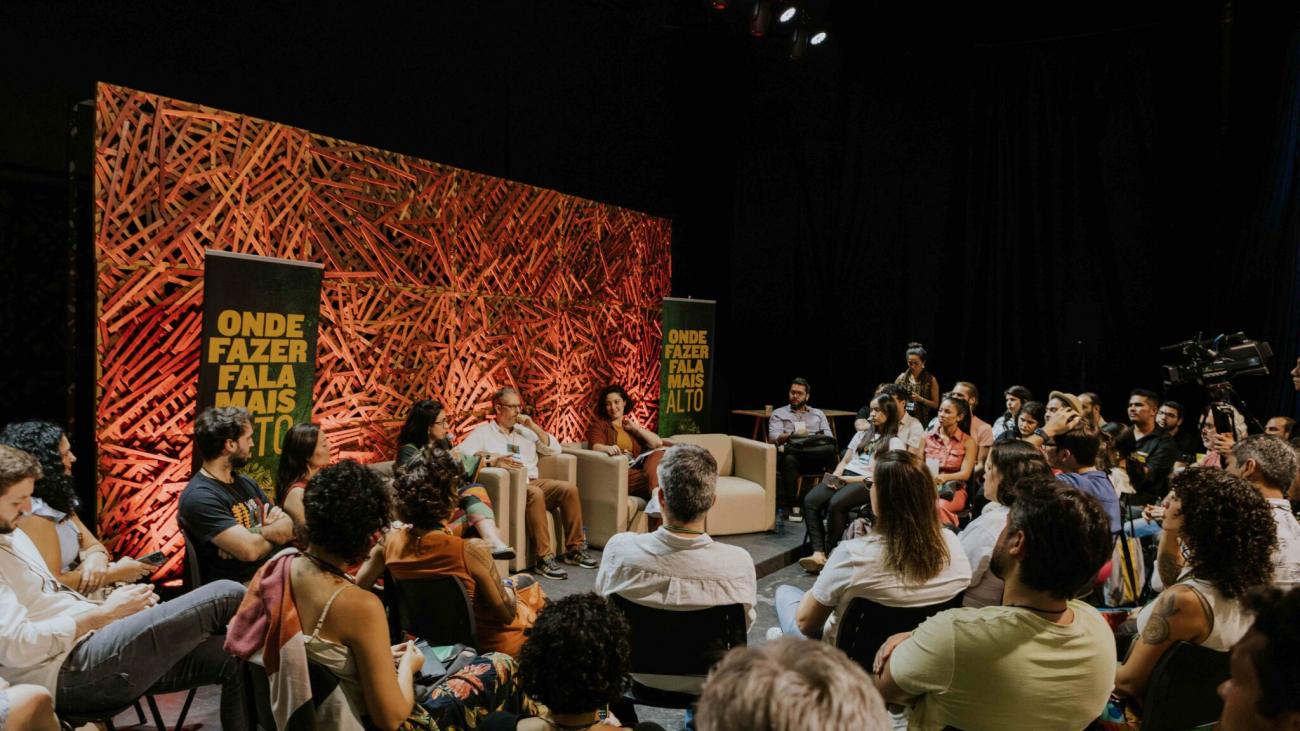
Belém will host one of the most strategic Amazon meetings during COP30: the Amazon Impact Investing and Sustainable Business Festival (FIINSA). The event will take place on November 10, from 8 a.m. to 9 p.m. (time to be confirmed), at the Law Campus of the Pará State University Center (CESUPA), bringing together Indigenous leaders, entrepreneurs, public administrators, investors, researchers, and civil society representatives in an environment of listening, dialogue, and collective development.

The "FIINSA 2025 COP30 – Where action speaks louder" is organized by Idesam and Impact Hub Manaus, co-organized by CESUPA and supported by a broad network of partners. The initiative aims to be a catalyst for positive partnerships, viable businesses, and innovative solutions—built by the Amazon, for the Amazon.

The festival has already established itself as a space for connection and relevance. Since its first edition in 2018, it has promoted strategic initiatives to strengthen sociobiodiversity economies and expand sustainable businesses. Now, in its special edition, FIINSA COP30 expands its reach, bringing debates on how to take forest businesses out of the discourse and into practice, how to create Amazonian economies that respect time and local communities, and how to redistribute decision-making power in the region, among other topics.

Priority themes

The program includes thematic panels, debates to generate action proposals, a fair showcasing sociobiodiversity products (Mercado Amazônia), social and networking spaces, and cultural and gastronomic experiences. Performances and immersions are also confirmed, such as a simulated "herbal bath"—a Pará tradition linked to protective rituals—and forest-inspired areas to foster connections among participants.

"We want to highlight the solutions emerging from the territories and their connections with businesses, investors, and other ecosystem actors who are already transforming local realities. COP30 places the Amazon at the center of the world, and FIINSA wants to highlight how this ecosystem transforms local realities," says André Vianna of Idesam.

Always with a dynamic format, the panels and discussion groups will feature a diversity of voices to enrich the discussions. At the end, an official document will be produced with demands, proposals, and solutions co-created during the festival, aimed at strengthening the bioeconomy and sustainable businesses in the Amazon forests and rivers.

"The festival is more than an event; it's a meeting place for creators, investors, and believers in the Amazon. Our focus is to strengthen the bioeconomy, foster businesses with socio-environmental impact, and promote sustainable investment models," emphasizes the Impact Hub Manaus spokesperson.

For more information, visit the website: https://fiinsa.org.br.

Disclosure/Idesam

About

The Amazon Impact Investing and Sustainable Business Festival (FIINSA) is organized by Idesam (Amazon Institute for Conservation and Sustainable Development) and Impact Hub Manaus, co-organized by CESUPA. It is sponsored by Fundo Vale, Soros Economic Development Fund, and Bemol. Institutional partners include Instituto Sabin, Projeto Saúde e Alegria, Assobio, Redes Amazônidas pelo Clima, Amazon Entrepreneurship Center, Alliance for Impact Investing and Business, Conexsus, and Casa Amazônia.

WhatsApp Image 2025-09-15 at 09.27.28

Startups with an impact on the Amazon win innovation and sustainability awards

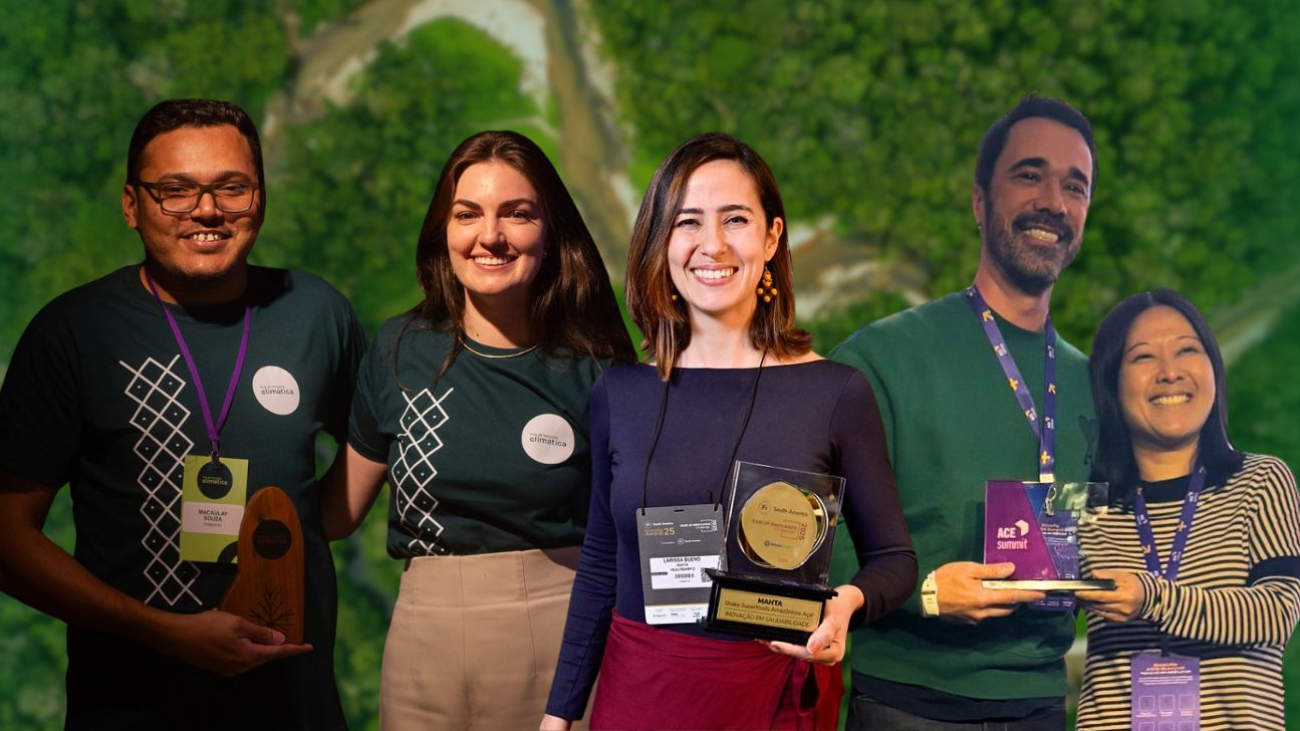
Foodtechs Mazô Maná and Mahta and fintech ForestiFI, startups in the Amaz portfolio—an impact business accelerator coordinated by Idesam—have won national and international awards, demonstrating how Amazonian biodiversity can inspire innovative solutions with socio-environmental impact.

Mazô Maná was named Startup of the Year in the ESG category in the Future Builders program, promoted by ACE Ventures, during the ACE Summit 2025. Founded in 2022 in Altamira, Pará, with the mission of nourishing the world through the abundance and wisdom of the forest, the company combines multiple Amazonian ingredients into a supershake and works in partnership with traditional communities and indigenous peoples of the Terra do Meio region, in the Xingu region.

For Zé Porto, the company's co-CEO, the recognition validates a business model that breaks with the traditional startup logic, placing the forest at the center of the solution. "Mazô Maná was born from a need for the forest and built a multifaceted model around it to generate impact. This award shows that it's possible to think of innovation beyond financial gain, placing the forest at the center of the solution," he stated.

Mazô Maná creates superfoods with ingredients from the Amazon (Disclosure/Amaz)

Zé also emphasized that Mazô Maná's essence is directly connected to ESG principles, not as a side strategy, but as part of the business's very structure. According to the entrepreneur, this approach has resulted in concrete impacts, such as the creation of compensation mechanisms for forest peoples and the promotion of Amazonian ingredients alongside large companies.

"We don't treat ESG as a separate chapter; it's part of Mazô Maná's design. All governance is built with transparency and community inclusion, and this generates real impacts, from mechanisms that reward socio-environmental services to encouraging large companies to recognize the value of Amazonian ingredients," he noted.

Superfood wins Startup Innovation Awards

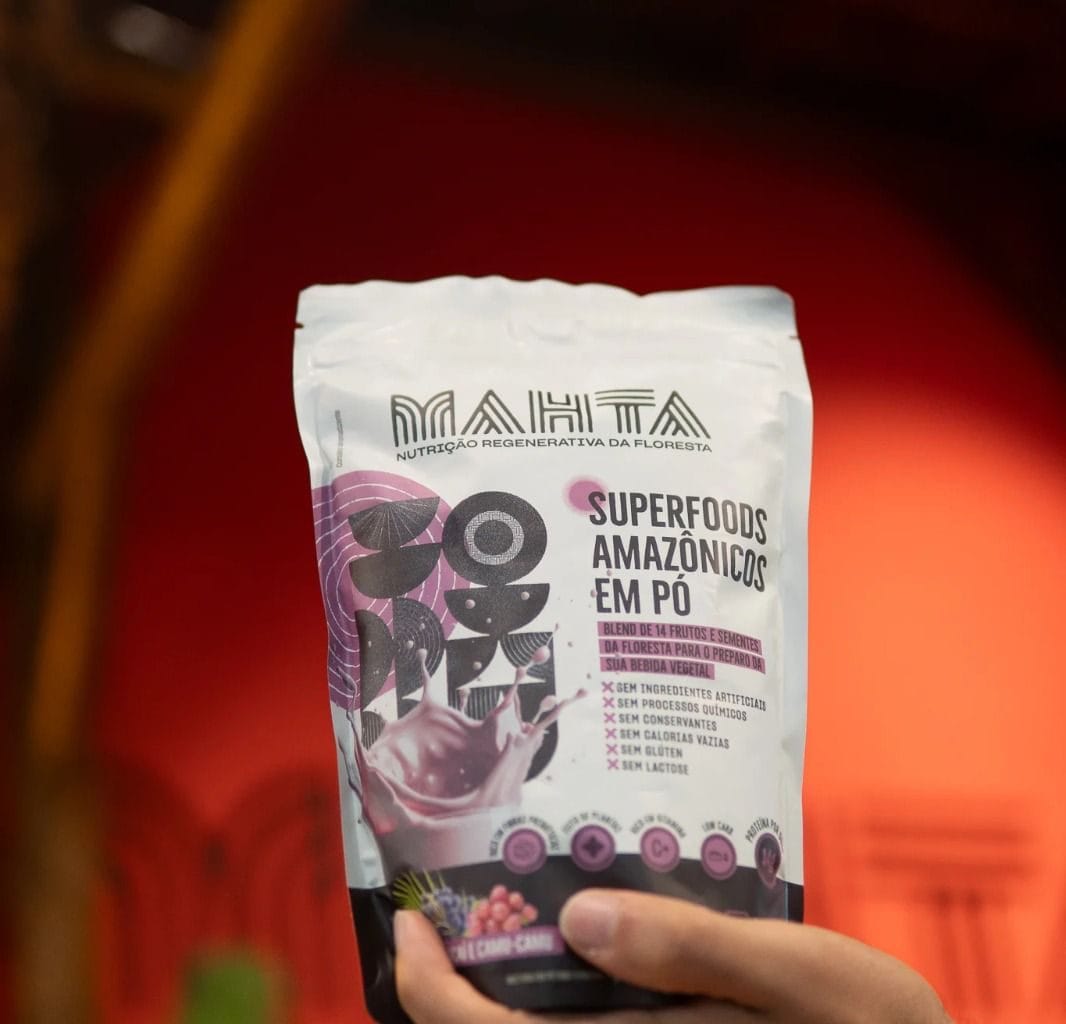
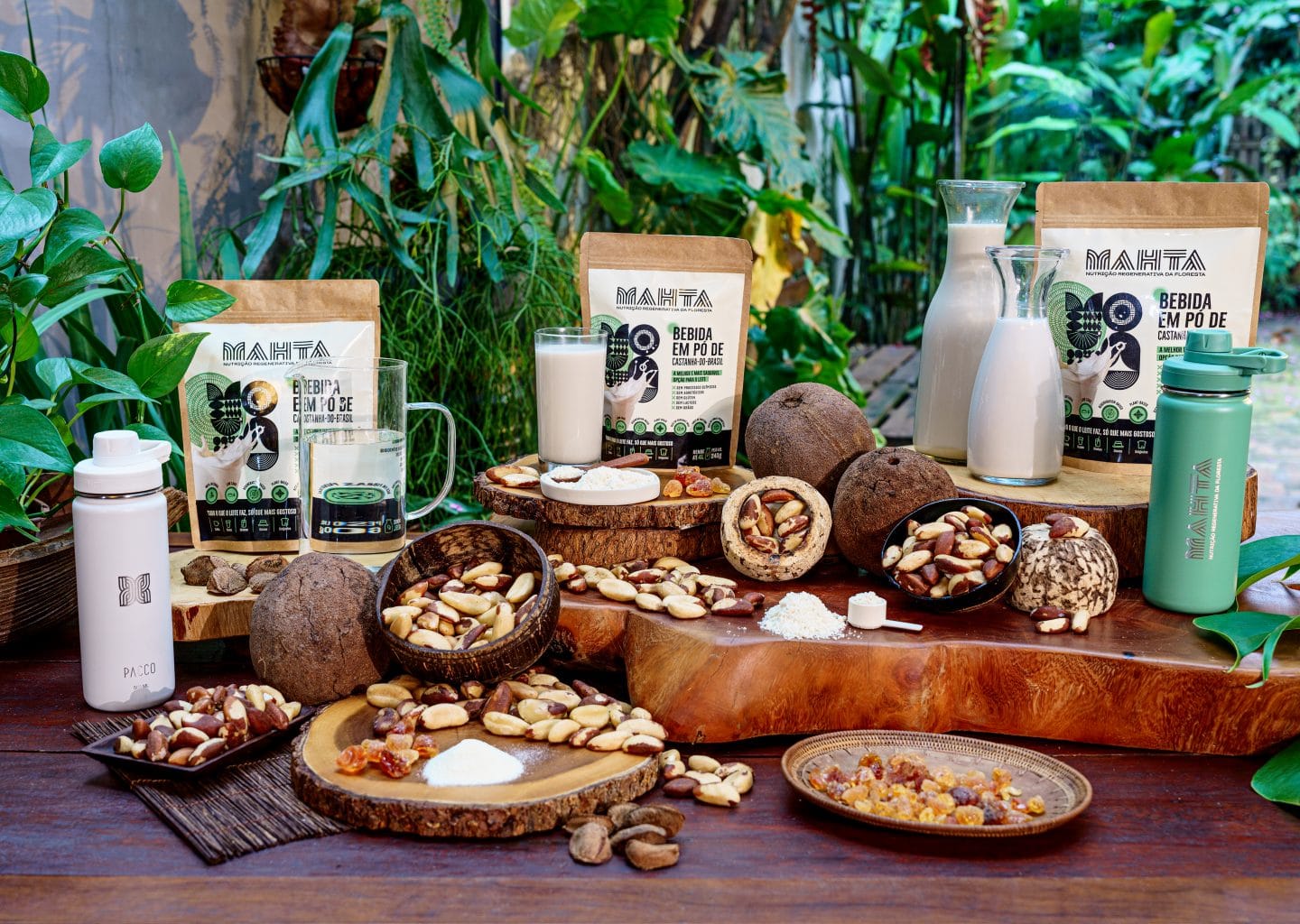
Mahta, a foodtech company that operates in the area of dietary supplements and currently operates with 5 products, won the gold medal at the Startup Innovation Awards – promoted by Food Ingredients South America – in the Innovation in Health category, with the product Mahta Shake de Superfoods (acai and camu-camu flavor).

The blend combines 14 ingredients, including seven freeze-dried Amazonian fruits, Brazil nut pie as a protein source, and agroforestry cupuaçu pulp developed in partnership with the RECA Cooperative in Rondônia. For Larissa Bueno, the startup's innovation manager, the award reinforces the role of Amazonian biodiversity as a driver of food innovation.

Mahta develops powdered functional foods with ingredients from the forest (Disclosure/Amaz)

"We know that one of the best ways to preserve biodiversity is through sustainable use. For Mahta, innovation is a key tool for enabling the widespread application of Amazonian biodiversity and the development of its value chains. However, this use must be carried out according to the principles that regulate access to biodiversity and from a systemic perspective that involves nutritional technology, social justice, and regenerative land use practices," he emphasized.

The award is one of the most traditional in the food and beverage segment and has historically recognized companies and products that combine science and functionality. In 2023, Mahta won 1st and 2nd place in the 'Most Innovative Product' category, with its Superfoods Shake (cocoa flavor) and Mahta Coffee (Original flavor), respectively. In 2024, first place went to Mahta's Brazil nut powder drink in the 'Most Innovative Product' category.

Being a finalist in the awards once again puts the startup in the national spotlight, reinforcing its commitment to a healthier, fairer future connected to the community that believes in the potential of the Amazon rainforest.

ForestiFI at COP 30

ForestiFi, a fintech that tokenizes assets from sustainable Amazon management chains, was selected at the Demoday hosted by the Climate Innovation Hub in São Paulo. The startup received a R$45,000 investment to expand its investment platform, as well as travel and accommodations for company representatives to attend COP 30 in Belém.

According to Macaulay Abreu, co-founder of ForestiFi, the contribution represents more than a financial incentive, opening the way for strategic connections at a global level, especially in the context of the next COP. "The resource ends up being something incremental. Our main focus will be to prepare for the agenda that will be developed at the COP together with the program's organizers and sponsors. The expectation is to expand strategic connections, develop new fundraising tools, and continue to improve what we are already doing," he explained.

ForestiFi facilitates and enhances investments in production chains in the Amazon (Disclosure/Amaz)

For him, the recognition at the event also reinforces the company's consistent work in the Amazon region. The startup tokenizes natural assets via blockchain, generating traceability and income for farmers and extractivists, while connecting local projects with investors interested in socio-environmental impact.

"There were several high-level businesses competing, but we believe that the participation and the model we're developing were the key to this recognition. This demonstrates that our work is pioneering in the region and that the results achieved have been significant, recognized by partners, beneficiary organizations, and investors alike," the co-founder added.

The ACE Summit and Food Ingredients South America are benchmark events in their segments, valuing initiatives that incorporate socio-environmental criteria, such as the ESG category (Environmental, Social, and Governance), used to evaluate companies that integrate sustainability, social responsibility, and transparency into their operations. The Climate Innovation Hub is an initiative that supports businesses focused on adapting to and mitigating the negative effects of climate change.

The Amazon Accelerator

Mazô Maná, Mahta, and ForestiFi are part of the Amaz Aceleradora de Impacto portfolio, an initiative of the Amazon Conservation and Sustainable Development Institute (Idesam) that supports businesses with solutions to the region's challenges, from sustainability to income generation for local communities.

Initiatives like this are considered strategic for forest preservation, supporting startups that combine environmental conservation, sustainable use of biodiversity, and economic value generation. This helps strengthen local production chains, increase positive socio-environmental impacts, and promote innovative solutions that contribute to the region's sustainable development.

Text: Maxi Media Communication

WhatsApp Image 2025-09-10 at 10.58.25

Amazon startups participate in Encontro+B Amazônia 2025 in Belém

The startups in the portfolio of Amaz Aceleradora de Impacto, coordinated by Idesam, participated in Encontro+B Amazônia 2025, which took place from September 3rd to 5th in Belém, Pará. The companies, through their founders and partners, participated in panels, connections, and experiences that put the Amazon at the center of the global agenda.

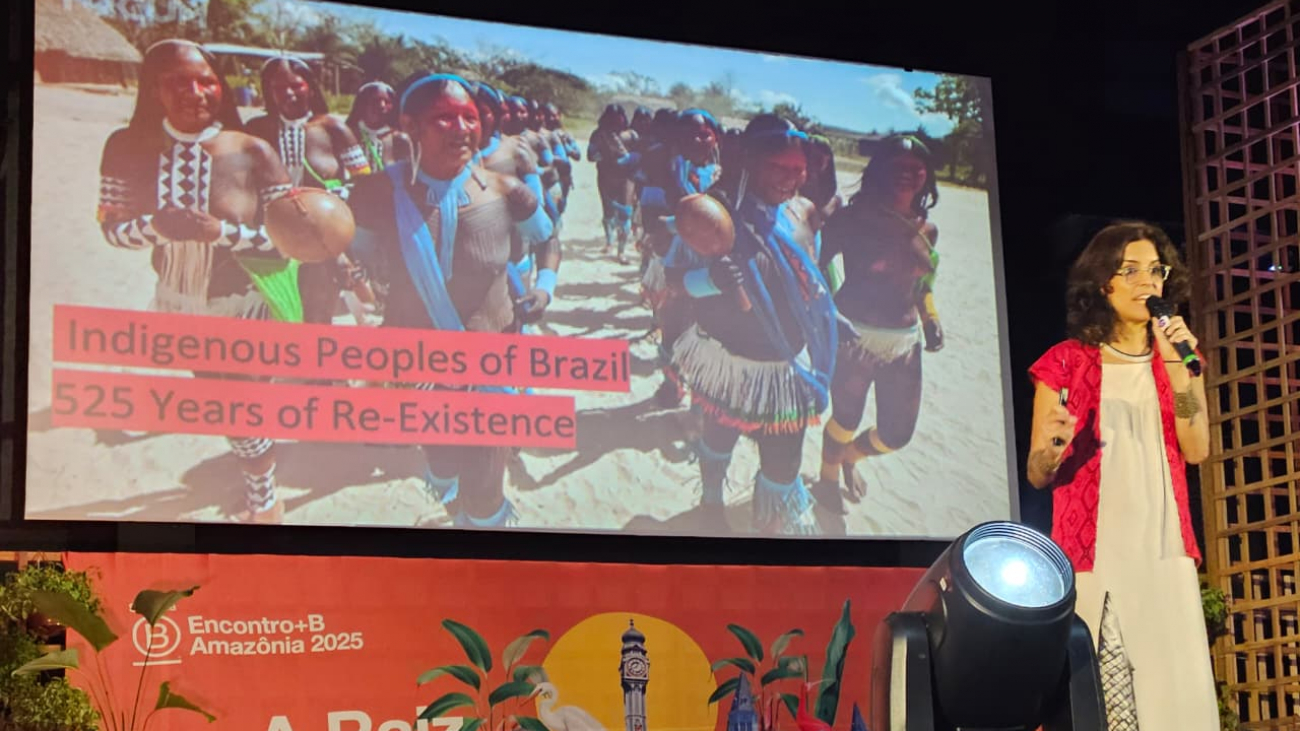
Among the highlights is Tucum, represented by CEO Amanda Santana, who participated in the "Raising the Bar" panel on the first day of the event, presenting "B Corp Case Study: Increasing the Level of Impact." For Santana, the B certification reflects the company's purpose and connects its operations to the transformations demanded by the market.

"Since Sistema B arrived in Brazil, we've recognized it. Unlike many companies that need to adapt, Tucum was practically born a B Corp. It's always been a challenge for us, as we're a small business, but during the pandemic, we decided to focus on it because it was part of our purpose," he stated.

Regarding Encontro+B, the businesswoman highlighted the excitement of participating for the first time, especially in an edition held in the Amazon. "I'm very excited; it's a great honor and also a great responsibility to represent the region. I was invited to present the Tucum case study on the first day, as one of the highlights of impact, and that makes me anxious and honored. It will be special to be in Belém, looking into the eyes of so many people, so close to COP30. I think it will be a meeting to remember," she exclaimed.

In addition to Tucum, two other startups from Amaz's portfolio will also be on stage at Encontro+B. Manioca, represented by Paulo Reis, and Mahta, led by Max Petrucci, will participate on the second day (4) to expand the dialogue on the theme "Activating the Future." The panel highlights the perspective that collective actions will be key to the legacy leading up to COP30, reinforcing the role of B Corps as agents of transformation.

It is no coincidence that, at a decisive moment for the planet, Sistema B — a global movement that seeks to redefine capitalism through companies committed to socio-environmental impact — chose the city of Belém (PA) to host the sixth edition of Encontro+B Amazônia 2025.

The event marks a strategic step towards the COP, in November, also in the capital of Pará, and promises to connect business leaders, indigenous communities, civil society representatives, investors and academics under the motto "The Root of the Future."

Other perspectives

Foodetch Tribos Superfoods, also part of Amaz's impact business portfolio, is pursuing certification. The startup's CEO, Maurício Pantoja, attended the event as an attendee and stated that he sees the meeting as a strategic opportunity to learn and be inspired by companies that have already followed this path.

"The certification proved to be very compatible with the business style and relationships we've been seeking. For us, in addition to market validation, it's also an opportunity to partner with other companies that believe in social and environmental impact, not only in the Amazon, but throughout Brazil and the world," explained Maurício.

The businessman also emphasized that his participation in Encontro+B Amazônia was strategic in accelerating the certification process. "This week was incredibly important for meeting companies that have already followed this path, understanding how they maintain consistency over time, and, most importantly, learning through side conversations how we can prepare to earn the seal. Even if it takes a while, the idea is to already apply the B System standards in our daily lives," he added.

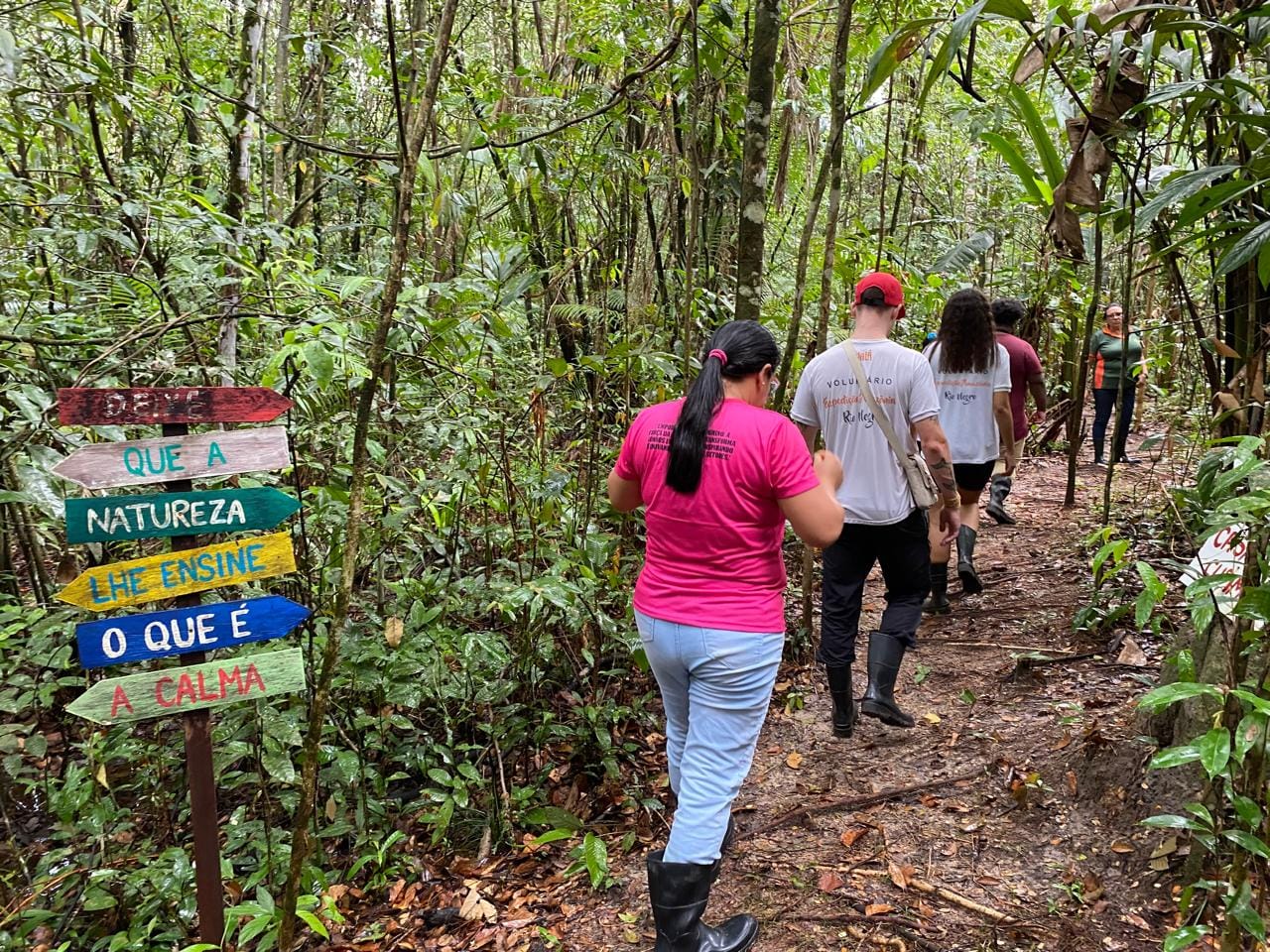
Vivalá, another business in the accelerator's portfolio, also played a special role at the event. On Friday (5), the date Amazon Day is celebrated, the startup, in partnership with Natura, conducted two immersion experiences in local communities, bringing 80 people to experience the sociobioeconomy firsthand. The initiative is part of a project that seeks to transform tourism into an alternative source of income.

"Being at Encontro+B and providing these experiences is a way to show that tourism can be an ally of conservation and sustainable development. It's about generating income, but also valuing the knowledge and culture of Amazonian communities," said Pedro Gayotto, co-founder of Vivalá.

Vivalá team during Amazonian immersion (Disclosure/Amaz)

Held since 2012, Encontro+B is one of the B Movement's main events in Latin America. Now in its sixth edition, it features the motto "The Root of the Future" and brings together entrepreneurs, investors, organizations, and communities to discuss impactful solutions that point the way toward a more just, sustainable, and collective future.

Text: Maxi Media Communication

A imagem mostra Michelle Guimarães, CEO da Navegam, segurando a Revista da Exame em frente a um painel do ranking "Negócios em Expansão".

Amazonian sociobioeconomy startups stand out in ranking of fastest-growing businesses in Brazil

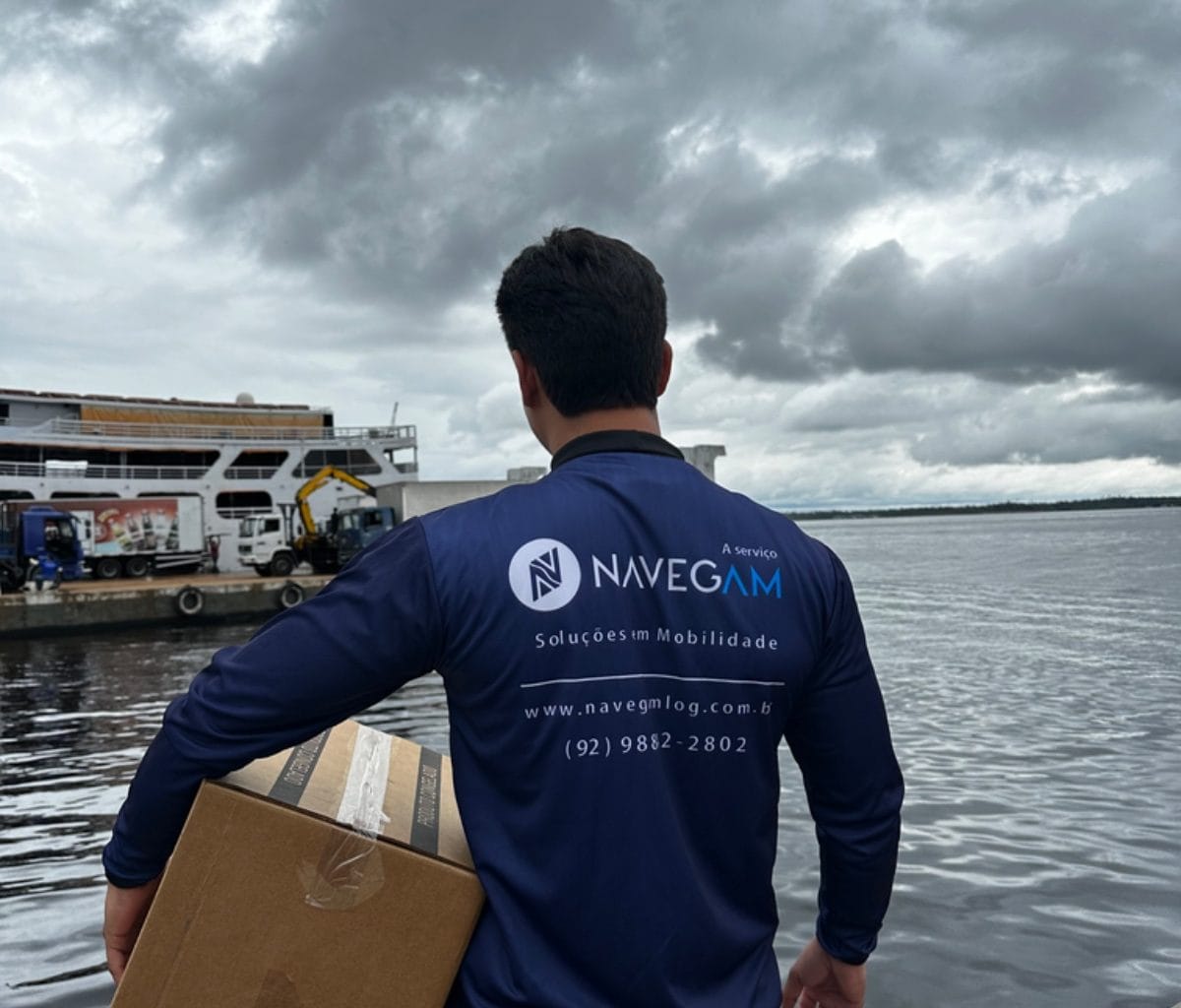
Two startups from the AMAZ Impact Accelerator portfolio stood out in the 2025 edition of Exame Business Ranking in Expansion, in the R$ category, with annual revenues of 5 to 30 million: Navegam, which revolutionizes mobility in the Amazon by digitalizing the sale of river tickets and facilitating access between riverside municipalities, and Mahta, which combines science and ancestral knowledge to create superfoods that regenerate both the human body and the Amazon biome.

The nationally recognized selection, conducted by Exame magazine in partnership with BTG Pactual, evaluates high-growth companies based on the percentage change in Net Operating Revenue (NOR). Navegam and Matha are part of the select group of 470 fastest-growing businesses in Brazil and have already been ranked in previous editions. In 2024, Matha ranked 3rd in this revenue bracket, and Navegam also appeared in the 2023 ranking and will return in 2025 as a benchmark in the river logistics sector in the Amazon—one of the greatest challenges in our region.

For Navegam CEO Michelle Guimarães, being in the ranking is a great opportunity to showcase the work developed by the startup, as well as inspire other entrepreneurs.

"I've had a very special relationship with Exame, dating back to the 2000s, when I was 15. I was a subscriber and dreamed of one day being featured in the magazine in some way. And today, 25 years later, my company, along with my partners and all the history we carry, is featured in Exame, in the "Burgeoning Businesses" ranking. It's a tremendous recognition," said the impact entrepreneur.

According to Mahta CEO Max Petrucci, the company's appearance on the list highlights the startup's continued evolution and reinforces the importance of business models that combine innovation, purpose, and sustainability at all stages of growth.

"For Mahta, the greatest recognition is demonstrating that it's possible to grow rapidly without compromising our commitment to social and environmental impact. While many companies see this as an obstacle to growth, for us, this mission is what drives us and defines the value we deliver to society," said Petrucci.

Max Petrucci, CEO of Mahta (Disclosure/Amaz)

Amaz's role in this journey

The presence of Mahta and Navegam in Exame's ranking also highlights the role of Amaz Aceleradora in the growth journey of these businesses. Created by the Amazon Conservation and Sustainable Development Institute (Idesam), Amaz's mission is to foster companies that have a positive socio-environmental impact and are born from the needs and potential of the Amazon region.

For Gabriela Santos, New Business Leader at Idesam, the national recognition of both startups demonstrates that it's possible to combine innovation, scale, and commitment to the region. She highlights Mahta's consistent growth trajectory and its evolution even in challenging situations, combined with an impact model based on environmental regeneration and the appreciation of sociobiodiversity.

"Mahta stands out for co-creating solutions that respect traditional knowledge, strengthen value chains with communities, and bring science to the center of positive impact. It's a business that transforms lives and territories through food and standing forests," he highlighted.

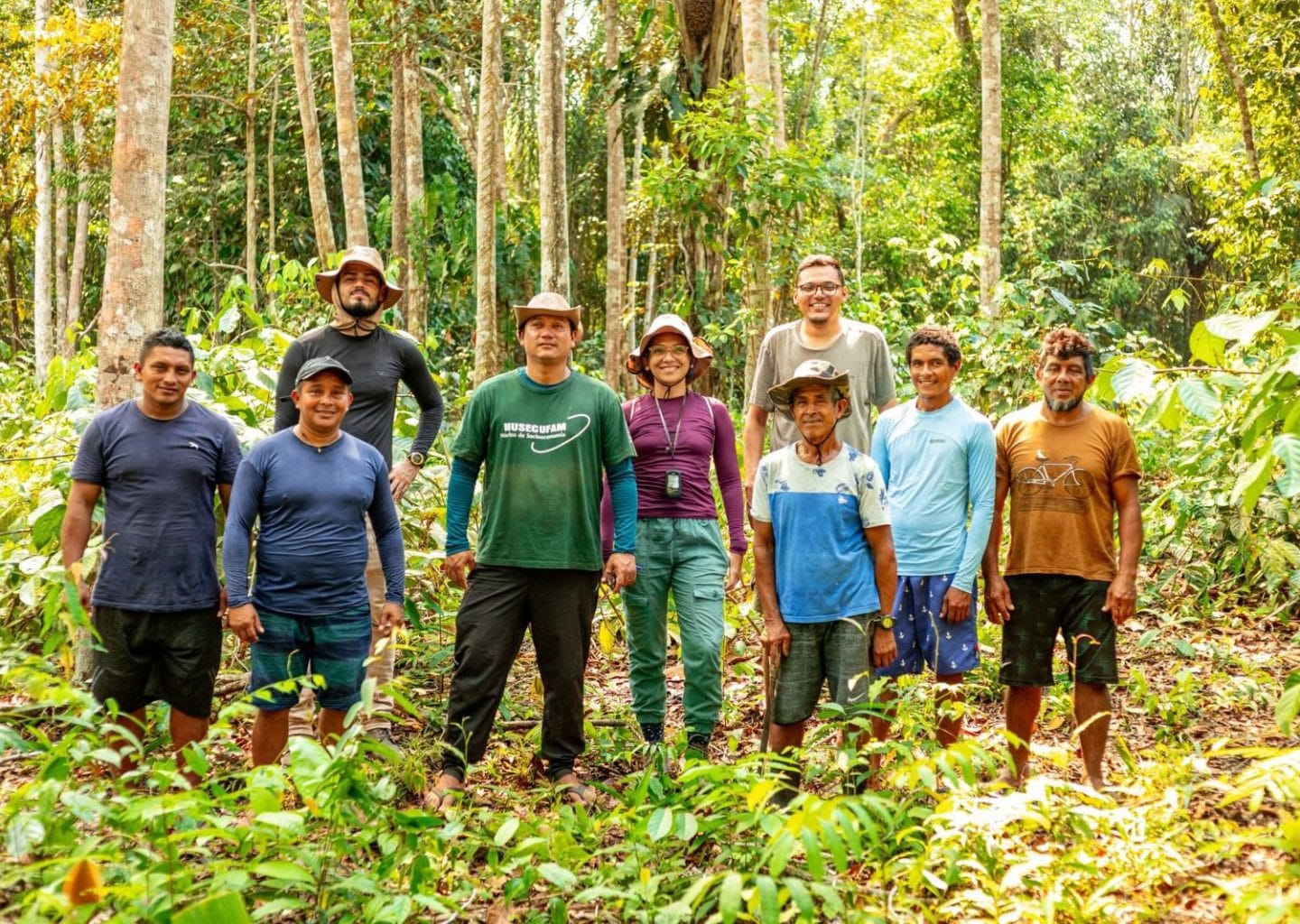
Mahta, an Amazonian superfood startup (Disclosure/Amaz)

In the case of Navegam, which appeared in 11th place in the overall ranking, Gabriela highlighted the relevance of a solution built based on direct experience in the Amazon.

"Navegam connects previously invisible communities and locations, providing access to goods, services, and opportunities through rivers. Operating in one of the region's biggest bottlenecks—logistics—it has established itself as the only company with sufficient reach and experience to make river logistics more accessible. Amaz invests in this thesis because we believe in its transformative potential, which goes far beyond the movement of goods, but also in the expansion of rights, inclusion, and dignity in the deep Amazon," he concluded.

Navegam, a river mobility solutions company (Disclosure/Amaz)

Text: Maxi Media Communication

Imagem da equipe na mentoria.

Amaz focuses on innovation in mentoring phase with Tribo Superfoods

Text: Maxi Media Communication

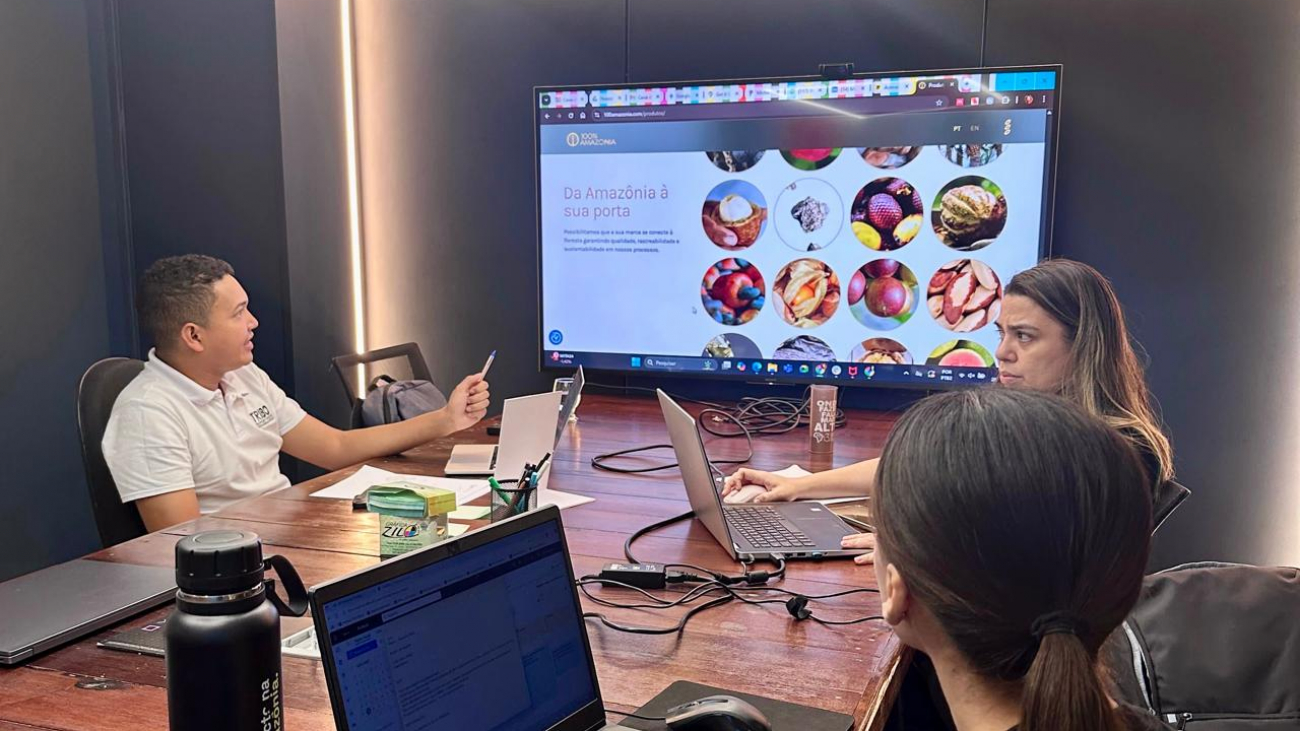
Tribo Superfoods, a company in the Amaz portfolio, participated in an in-person mentoring session with consultant Glaucia Goettenauer of Tropos Amazônia and the Amaz acceleration team. The meeting, held at Idesam's headquarters in Manaus, focused on deepening the business's value proposition, a strategic step within the customized acceleration plan developed for each initiative supported by the accelerator.

Mentoring marks the transition between the first and second semesters of the acceleration journey, a time when each business's plans are reevaluated to define the next steps with even greater focus and clarity. At the startup, the focus on innovation and production processes was identified as a priority in the new cycle, and the activity served as a starting point for the new phase.

"The acceleration journey enters a new phase, focusing on organizing businesses and strengthening their processes. Through mentoring, like the one Tribo Superfoods experienced, each startup redefines priorities and charts its next steps more clearly, striving for growth and aligning business development with positive impact," observed Rafael Moreira, acceleration leader at Amaz.

For Glaucia Goettenauer, mentor at Tropos Amazônia, moments like these are crucial for companies at different stages of development. "Mentoring is extremely strategic and beneficial for startups to evolve and expand their horizons. In mentoring Superfoods, I brought expertise in understanding the value chain, the impact it generates, and how we can improve this product within the company's processes," she explained.

The mentor also highlighted the startup's existing potential in engaging with communities, especially in the superfruit market. "Tribo Superfoods is already generating a significant positive impact by successfully establishing this bridge between cooperatives and the market. The simple act of connecting those who harvest the açaí on the farm with the marketing channels transforms the process. There's still plenty of room to grow and strengthen this communication with producers and consumers," the expert stated.

The startup

Tribo Superfoods is a food tech company from Pará that offers products such as pulps and pieces of superfruits grown in the Amazon. The food is produced in partnership with regional producers, preserving the original flavors and knowledge, while also preserving the forest.

The startup's CEO, Maurício Pantoja, defined the meeting as a moment of in-depth diagnosis and strategic alignment. "It was a conversation that helped us look at the business itself: our purpose, structure, team, objectives, and metrics. It was a time to question ourselves, understand critical points, and consciously map out the next steps," he stated.

According to Maurício, the morning's work was intense and productive, reinforcing Tribo's commitment to quality growth and maintaining a positive impact on the families and communities the company serves. "This type of mentoring helps us better structure the business, respecting the limits of good work and expanding our capacity to generate transformation," he concluded.

painel BAS 2025

Amaz reaffirms that investment in the bioeconomy needs to adapt to meet the needs of the territory and the businesses that are already being developed. 

Text: Maxi Media Communication

Photo: Daniela Lopes

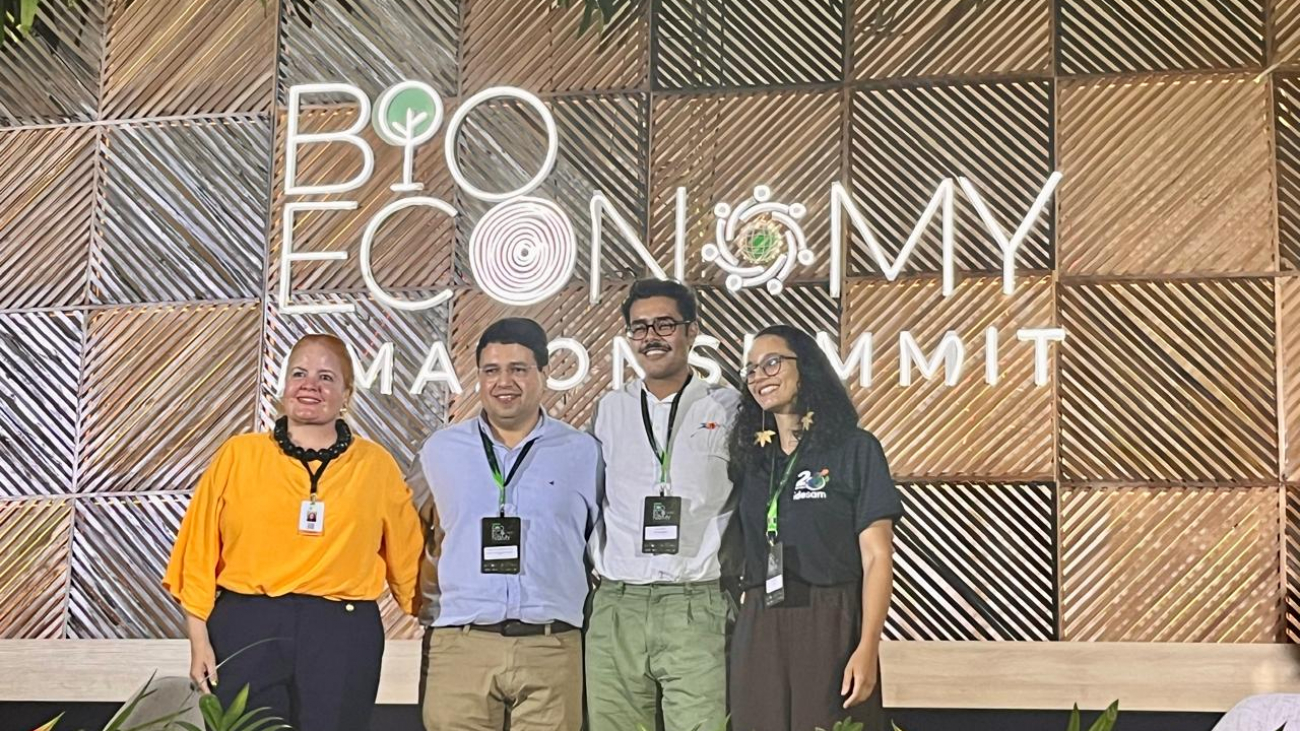
At the second edition of the Bioeconomy Amazon Summit (BAS), which took place on July 30 and 31 at the Vasco Vasques Convention Center in Manaus, the discussions, connections, and opportunities revolved around how to overcome the challenges of scale, logistics, and investment for businesses that are already active or in the incubation phase. 

Officially launched in September 2023 by the Global Compact – Rede Brasil and the venture capital firm KPTL, the Bioeconomy Amazon Summit (BAS) aims to broaden the discussion around the role of innovation and entrepreneurship in the Amazon in the global climate change agenda. 

Gabriela Souza, operations leader at Amaz, an impact accelerator coordinated by Idesam, highlighted during the panel "The Prospects for the Bioeconomy from the Perspective of Startup Ecosystem Coordinators" that capital investment in the Amazon bioeconomy needs to be patient. "The private capital that arrives must be intentional, catalytic, and patient. We must ensure that financial solutions truly understand the business demands and then design solutions. I think that when we talk about ecosystem businesses, the challenge is always figuring out what the next financial support will be, what the next fundraising will be," the manager points out. 

Also present at the debate were Carlos Carvalho, director of biobusiness at CBA, and entrepreneur Priscila Almeida of Assobio. In addition to the panels, the event hosted business roundtables and brought together 150 startups in the entrepreneurial arena. 

Impact Connections 

Startups from Amaz's portfolio were also present. Tribo Superfoods CEO Mauricio Pantoja highlighted the importance of BAS in finding strategic partnerships and new customers for the business. 

"What's important here are the great opportunities to connect with other entrepreneurs who can help our businesses, whether because they operate in the same management chain as us or even through exchanging conversations with other entrepreneurs, learning from the journey of the more experienced ones," Pantoja observed. 

In addition to Tribo Superfoods – a startup that operates in the açaí, cupuaçu, and cocoa chains, benefiting two cooperatives and impacting 340 families in communities in Igarapé-Mirí and Abaetuba, in Pará – other startups from Amaz's portfolio were at the event. 

In the entrepreneurial arena, more than 150 startups were present during the two-day event, including the agroforestry cosmetics company Moma Cosméticos, the one that operates in the superfood sector, Mazô Maná; Zeno Nativo, which also operates with food in the sustainable management chains of cocoa and Brazil nuts; and ForestiFI, a fintech that works with tokenization of forest assets, all of which are part of Amaz's business portfolio.