AMAZ Divulgação

Amazon aims for expansion with a focus on conservation, income, and social justice by 2030 

Text: Maxi Media Communication

Photo: Mazô Maná Disclosure

Operating across more than 6.4 million hectares in the Legal Amazon, the AMAZ Impact Accelerator directly benefited 1,959 families and 45 social organizations, generating R$ 4 million in payments to local partners throughout 2024. The data is part of the 2025 Impact Report, released this Monday, July 28, a day when nature conservation is celebrated worldwide. The figures reinforce the potential of the bioeconomy as a driver for sustainable development in the region. 

Coordinated by Idesam, AMAZ is now in its fifth year consolidating its position as the largest impact accelerator in the North, bringing together a strategic portfolio of 14 businesses by 2024, focused on the sustainable management of natural resources, ecosystem restoration, and strengthening production chains. 

"The report confirms our commitment to transparency, measurement, and management of positive socio-environmental impact. Measuring the depth of transformations in the region is a challenge, but also an essential guide for us to move forward with purpose," says Mariano Cenamo, CEO of AMAZ and Director of New Business at Idesam. 

Startups that strengthen the forest bioeconomy 

The accelerated businesses operate in different sectors of the Amazonian bioeconomy, such as sustainable logistics, food, fashion and indigenous art, natural cosmetics, community-based tourism, and environmental regeneration. The portfolio is intentionally diverse, reflecting the region's multiple stages of maturity and territorial profiles. 

To support these initiatives, the accelerator operates through an innovative model of blended finance, combining philanthropic and private resources. Since its inception, it has raised R$25 million in impact investments. 

"AMAZ operates at key points in the ecosystem's development, offering technical, legal, accounting, and marketing support, in addition to financing. The JBS Fund for the Amazon recognizes that the investment made has generated a positive and concrete impact on the forest's bioeconomy," emphasizes Lucas Scarascia, Project and Operations Monitoring Manager at the Fund, one of the accelerator's financiers. 

Challenges and lessons learned in measuring impact 

Measuring socio-environmental impact is a challenge given the diversity of territories and business models.  

In this edition, the report focused on social indicators and the total area of operation consolidated due to the complexity of data collection, standardized across different contexts – which include Indigenous Lands, Conservation Units and Extractive Reserves. 

 "We're developing our own tool to individually assess each area of operation, in addition to advancing the standardization of data submitted by businesses. The complexity is significant, but the quality of the information is a commitment," explains Gabriela Souza, operations leader at AMAZ. 

The report also included an updated “AMAZ Glossary” and a new individual mapping of accelerated businesses. 

Ambition to expand impact 

With its eyes on the future, AMAZ has set bold goals for 2030: 

• 80 businesses invested 

• 10 thousand families benefited 

• 10 million hectares preserved 

• R$ 75 million invested directly in the region 

• R$ 25 million raised in new investments 

"We will continue building bridges between entrepreneurs, partners, and investors. Our focus remains on the well-being of those who live in the Amazon. A standing forest, with people caring for it, is the best investment we can make," concludes Mariano Cenamo. 

About AMAZ 

With five years of experience, Amaz is the largest impact business accelerator focused on the Legal Amazon. Coordinated by Idesam, it works to empower entrepreneurs who contribute to forest conservation, income generation, and social justice in the region. 

Créditos - Divulgação

Brazilian Deep Tech Forum 2025 arrives in Manaus

Idesam is a local co-organizer of the bioeconomy innovation agenda 

Held by Wylinka — a non-profit organization that transforms scientific knowledge into innovation for the country's sustainable development — together with Caos Focado — a venture builder specialized in creating deep tech startups — Brazilian Deep Tech Forum disembarks in Manaus on July 29th.

More than just an event, the Forum is where science, technology, and purpose meet to strengthen the narrative of scientific innovation in Brazil and drive a new economy based on impact and collaboration. The Manaus edition is sponsored by Natura, reinforcing its commitment to initiatives that unite biodiversity, science, and sustainable development.

Aiming to foster discussions that generate local impact, the Forum will feature panels focused on the bioeconomy, the leading role of Amazonian biodiversity, and the connection between science and the market, addressing topics such as debureaucratization, financing, and resources, bringing together experts, entrepreneurs, and agents of the innovation ecosystem.

As a local partner, Idesam adds value to the event, especially through its bioeconomy innovation initiatives and new businesses. Bioeconomy Priority Program (PPBio) was conceived by the Superintendence of the Manaus Free Trade Zone (Suframa) and coordinated by Idesam with the aim of capturing resources from mandatory investments in R&D (Computer Law) to generate new products, services and businesses for the Amazon Bioeconomy.  

Already the AMAZ is the largest impact business accelerator in the north of the country, fully dedicated to entrepreneurs who work in the Amazon region, generating positive impacts for the forest and its populations. Its acceleration program is customized to meet the real demands of the businesses that make up the portfolio during the acceleration journey. 

More than discussing the future, the Brazilian Deep Tech Forum aims to build it. And the starting point is now. Sign up and stay up to date with all the latest news from this in-person 100% event. at this link.

alimentos-regenerativos-mahta

In an international challenge for environmental regeneration, a Brazilian startup develops a supplement with inputs from the Amazon

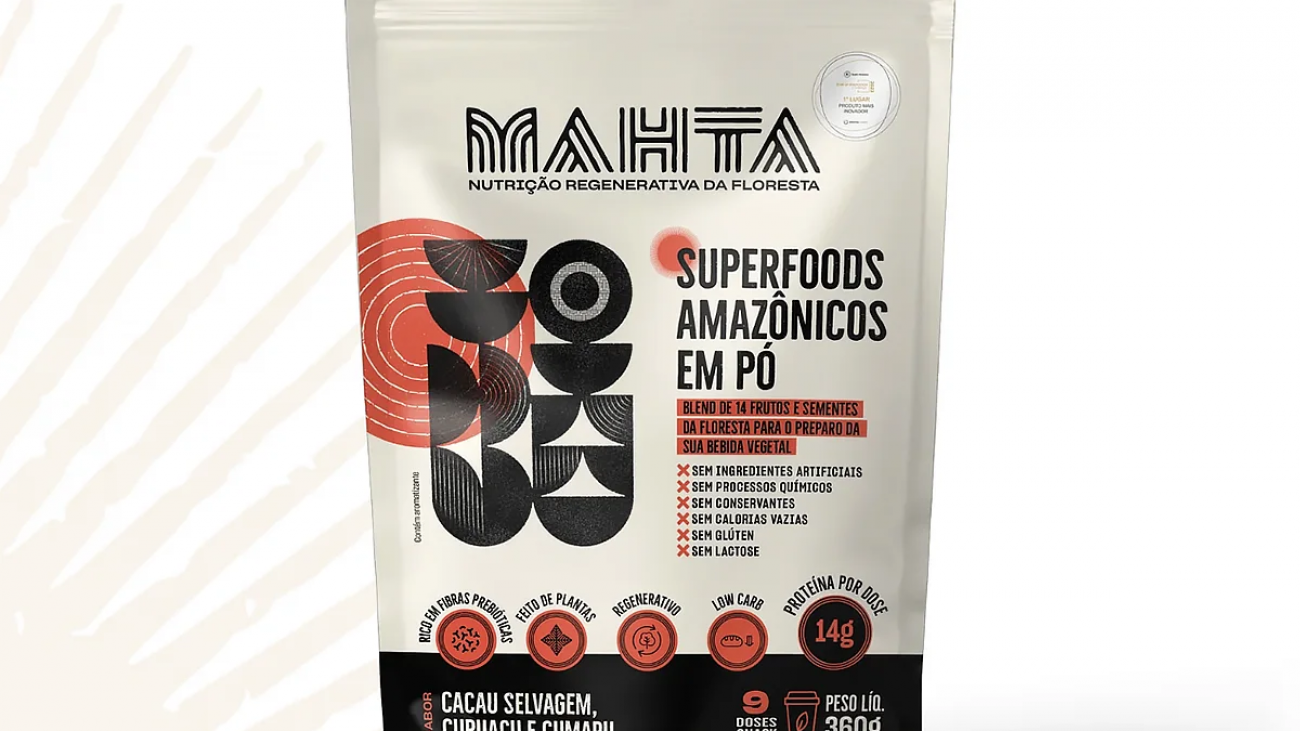
Mahta is a food tech company that produces dietary supplements with ingredients from the Amazon rainforest, delivering nutritional value to consumers and promoting conservation of the biome. Since 2021, it has been part of the portfolio of Amaz Aceleradora de Impacto, the leading company in the North Region, and was recently a finalist in the international challenge "The Great Food Redesign."

Promoted by the Ellen MacArthur Foundation, in partnership with the Sustainable Food Trust, the challenge was created in response to the report "Making Nature-Positive Food the Norm." The document recognizes the benefits of circular food design and seeks to engage the fast-moving consumer goods (FMCG) industry in building a more sustainable food system.

Through workshops and mentoring with experts, entrepreneurs created or redesigned foods focused on environmental regeneration, working from ingredient selection to the development of sustainable packaging.

One of the participants was Mahta, which uses Amazonian ingredients such as cocoa, cupuaçu, açaí, cumaru, soursop, bacuri, and taperebá to produce healthy supplements. The company develops its activities in partnership with traditional communities and small farmers operating in agroforestry systems.

"What motivated us to participate was our great admiration for the Ellen MacArthur Foundation. It's the world's largest organization working for the circular economy. When we saw the Challenge, we were very excited because it aligned perfectly with our purpose: to rethink the way we make food," explains Max Petrucci, founder and CEO of the startup.

New product development

The Amazon-backed startup received a £30,000 grant (approximately R$1,400,216,000 at the time). The funding was earmarked for the development of a protein blend containing bacuri, taperebá, and Brazil nuts, as well as other ingredients from the Amazon. Part of the funding also financed the redesign of the "Superfoods" line's packaging, now printed with renewable-source polyethylene.

Larissa Bueno, head of Research and Development (R&D) at Mahta, states that the experience of exchanging with other companies was crucial in strengthening the sustainable business ecosystem in the region.

"We understand that challenges such as logistics, quality assurance, and input supply are common to almost all businesses in the ecosystem. This further highlighted the importance of maintaining an open dialogue between these businesses and the existence of programs that encourage the circular economy when working with the biome's value chains," he says.

In addition to Mahta, ten other Brazilian companies participated in the event. In total, 57 businesses from 12 countries developed 141 new foods with potential for environmental regeneration.

Recognition

One of the most memorable moments of the challenge occurred this year on World Environment Day, celebrated on June 5th. The developed foods were displayed at Carrefour Brasil Group and Quitanda stores, two supermarket chains recognized for their commitment to sustainability.

All products also received the “Allied with Nature” seal, created to guide consumers in choosing sustainable foods.

Now, the CEO explains that Mahta's next steps include expanding its commercial operations and broadening the reach of the regenerative model.

"The Ellen MacArthur Foundation's recognition and support in expanding our distribution network through access to major retail chains is crucial. This encourages our plan to expand the impact generated by the Regenerative Forest System (SRF), which is our model," concludes Petrucci.

More about the challenge

The international challenge “The Great Food Redesign” is promoted by the Ellen MacArthur Foundation, in partnership with the Sustainable Food Trust, with support from the People's Postcode Lottery, the Gordon and Betty Moore Foundation and The Schmidt Family Foundation.

TUCUM

Tucum brings art from Brazilian indigenous peoples to Lisbon

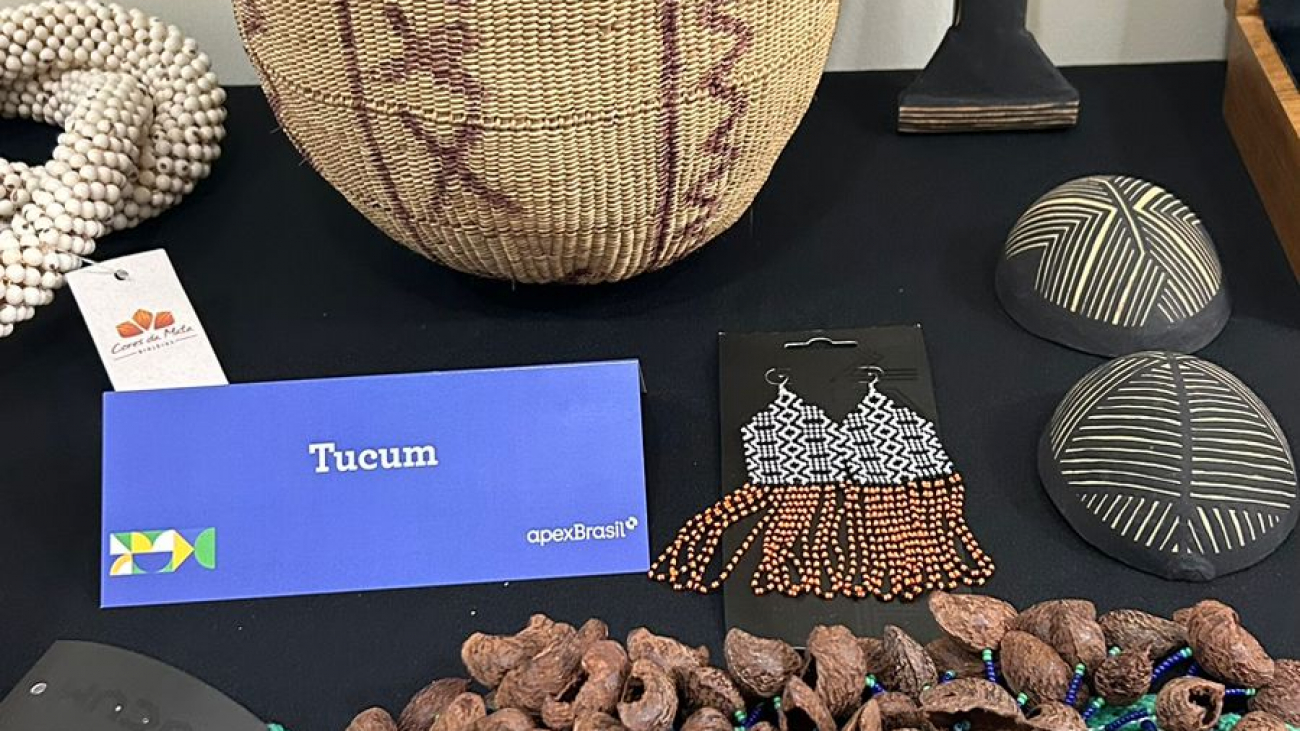
Tucum, Brazil's first indigenous marketplace and one of the businesses supported by Amaz Aceleradora de Impacto, is participating in the 7th edition of “Jornada Exportadora,” an international program that runs until this Friday, July 4, in Lisbon (Portugal).

Developed by the Brazilian Trade and Investment Promotion Agency (ApexBrasil), in partnership with the Brazilian Micro and Small Business Support Service (Sebrae), the program is aimed at entrepreneurs and businesses seeking to expand commercial borders, internationalize their brands and gain space in international markets.

The current edition focuses on the Brazilian crafts sector and benefits 20 participants, including Brazilian artisans, entrepreneurs, companies, associations and cooperatives.

On Portuguese soil, the "Export Journey" program includes webinars, mentoring sessions, seminars with experts, technical visits, and roundtables with buyers and potential European partners. The goal is to provide a comprehensive immersion into the topic, present opportunities, expand the network, and strengthen business competitiveness.

Founded in 2013 with a physical store in Rio de Janeiro, Tucum quickly recognized the potential of the digital environment. Two years later, it became the country's first Indigenous art marketplace, selling clothing, bags, organic jewelry, crafts, paintings, decorative items, and other sustainable products produced by various Indigenous peoples living in the Legal Amazon.

Amanda Santana, founding partner and creative director of Tucum, highlights the importance of this opportunity for business growth.

"We came to bring indigenous art from Brazil to Lisbon and understand how the Brazilian crafts market is perceived here. We've been operating for 12 years. Sometimes, these potential customers are abroad, which requires a different sales and shipping dynamic. So, we expect that [during the Journey] we'll learn a lot about how the Portuguese market works and develop the idea further," notes Amanda Santana.

Socio-environmental impact in 2024

Tucum currently operates in four Conservation Units (CUs) and 56 Indigenous Territories (TIs) spread across eight states in the Legal Amazon, covering a total area of 2.9 million hectares. The company also works in partnership with associations, cooperatives, groups, and artists who sell their indigenous art.

Partners include the Association of Residents of the Iriri River Extractive Reserve (AMORERI), the Association of Ticuna Women Artisans of Bom Caminho (AMATU), the Association of Ashaninka of the Amônia Apiwtxa River (APIWTXA), and the Zo'é Handicraft Fund (FAZ).

Last year alone, the company purchased R$1,400,000 worth of goods, benefiting artisans from 106 indigenous peoples living in 62 traditional territories. Some of the ethnic groups working in partnership are the Baniwa, Baré, Guarani, Kayapó, Ticuna, and Yanomami.

WhatsApp Image 2025-06-17 at 14.34.50

Amaz holds meeting with the accelerated business community and supports joining Cadimpacto

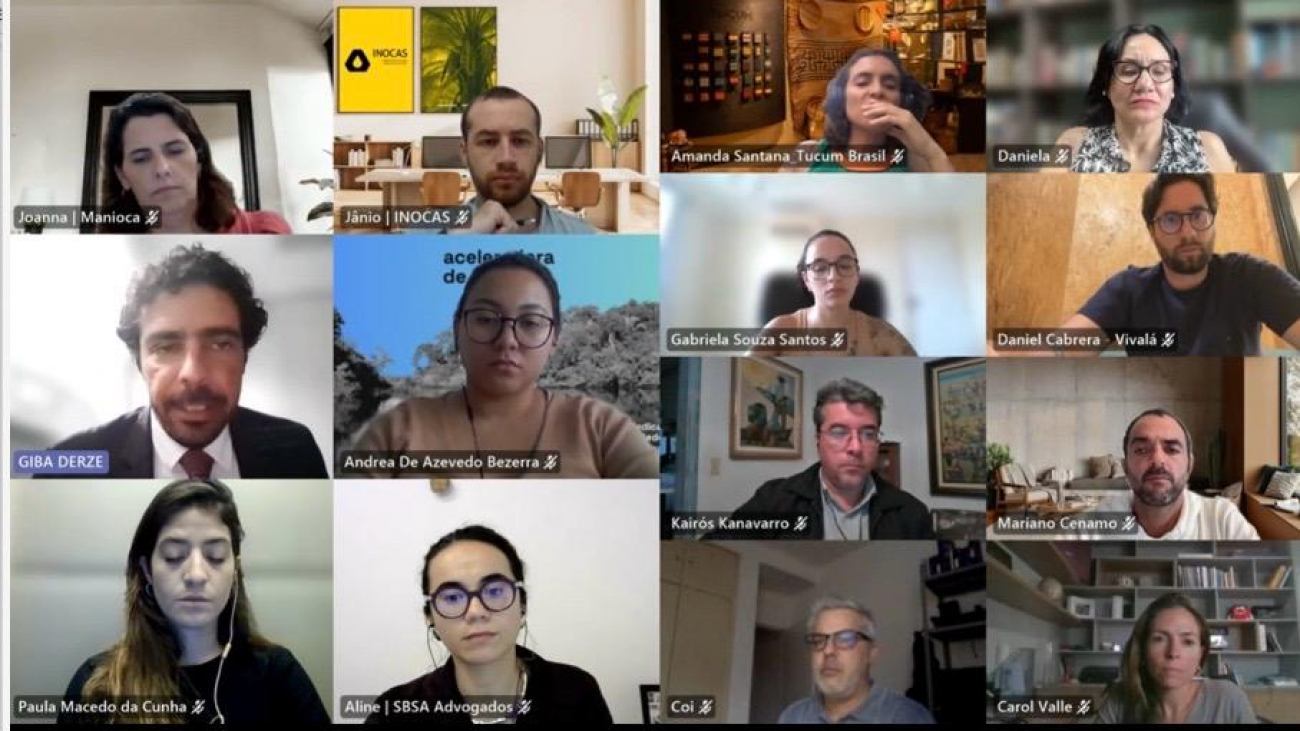
Amaz Aceleradora de Impacto, in partnership with SBSA Advogados, promoted a remote meeting of the “Acceleration Journey”. Held on June 5, the meeting had more than 30 participants and addressed several issues of legal and contractual importance for accelerated businesses.

Gabriela Souza, operations leader at Amaz, highlights that the objective of the “Journey” is to create a space for ideas to mature.

“This was the first online meeting of the community together with all the businesses that are part of our portfolio. […]. The idea is that these meetings will be recurring to address issues that generate knowledge, debates and exchange of experiences among entrepreneurs.”, points out the Amaz manager.

The main topic of discussion was the National Registry of Impact Enterprises (Cadimpacto). The platform, launched in March by the Ministry of Development, Industry, Commerce and Services (MDIC), seeks to map and provide visibility to companies, initiatives and commercial activities throughout Brazil that align financial results with positive socio-environmental impacts.

Furthermore, Cadimpacto presents itself strategically for future partnerships, investments and public policies.

The deadline for joining is June 30th via the link: https://www.gov.br/pt-br/servicos/solicitar-cadastramento-na-plataforma-do-cadastro-nacional-de-empreendimentos-de-impacto-cadimpacto. Registration follows Bronze, Silver and Gold levels — which are defined according to the degree of business maturity, financial sustainability and impact measurement.

Debates

In addition to “Cadimpacto”, the meeting addressed other important legal concepts, such as “sector 2.5” and “certified B Corp”. One of the moments was reserved for the concept of “impact business”, created by Decree 11.791/2023 and which serves as a guide for the creation of public policies.

Another discussion dealt with the regulation of the concept of “benefit corporation” (in Portuguese, “benefit societies”), which is still being processed, through Bill (PL) No. 3,284/2021 in the National Congress.

Tucum, a company specializing in connecting people with indigenous art and aesthetic expressions, participated in the debates through its founder Amanda Santana. The business holds the B Seal, which recognizes initiatives committed to positive socio-environmental impact. 

“We began our search for the B Seal from the beginning (of the business), twelve years ago. Something we did in the second contract change was to include a clause, committing ourselves to transform the company into a 'B Corp', based on social and environmental impacts and above profit,” highlights the entrepreneur.

She recognizes the importance of certification, but points out limitations in the current system and points to be corrected.

 “The tool really needs improvements, because it looks at the (socio-environmental) impact, but I think it is not capable of evaluating the type of impact we have, because, as businesses in the Amazon, we could score much more, but many of our practices are not even considered,” he concludes.

oficina de aceleraçào Amaz

Businesses supported by AMAZ participate in strategic meeting to expand and formalize socio-environmental impact 

Text: Maxi Mïdia

Photo: Disclosure Amaz

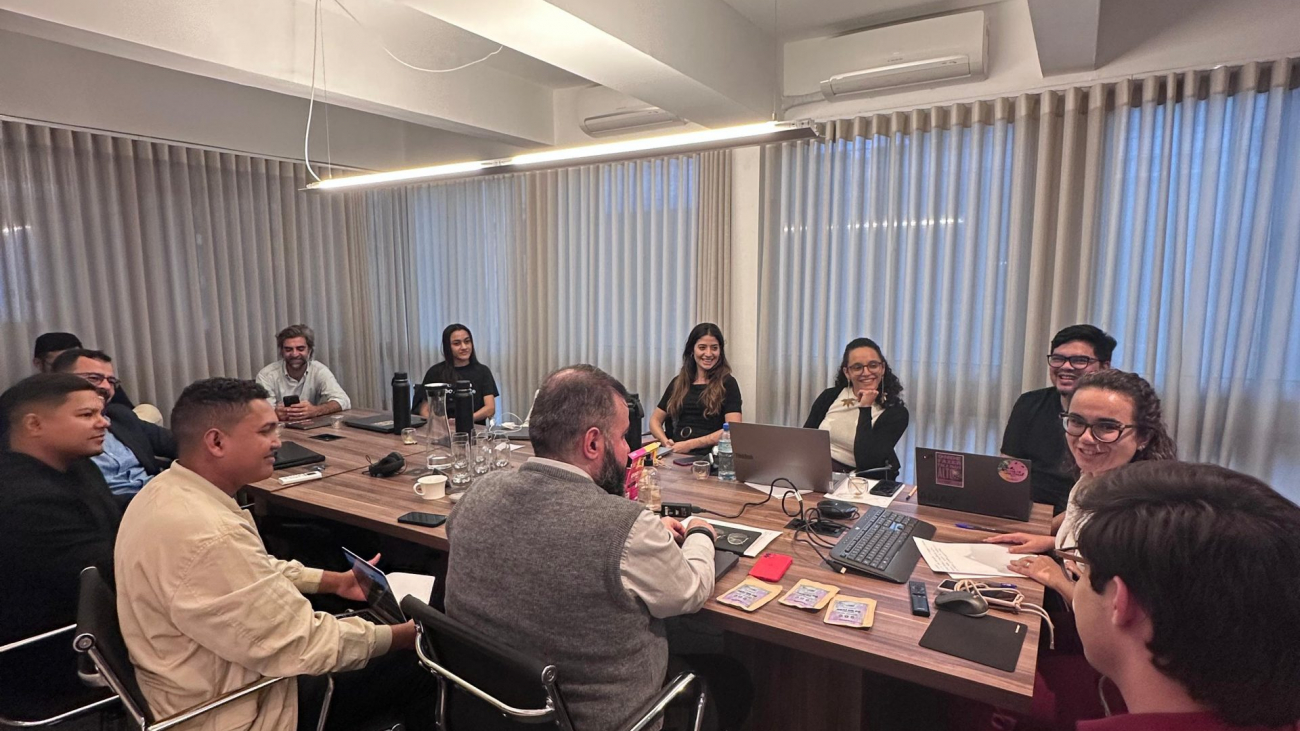
The startups Tribo Superfoods, ForestiFi and Impact Not a Bank, invested in 2024 by AMAZ Aceleradora de Impacto, participated in the second meeting of the “Acceleration Journey”, held in São Paulo, in partnership with SBSA Advogados and CIPÓ Consultoria. 

    Since 2022, the accelerator has been providing customized training so that portfolio businesses can strengthen their impact theses and become more competitive for future investment rounds and to face market challenges. In general, the acceleration journey focuses on commercial management strategies, communication, relationships with communities and suppliers, impact measurement and management, and investor acquisition. 

“The objective is to support them so that they are better prepared to deal with investment rounds and evolution as a whole, especially in aspects of formalization, planning and business development”, concludes Rafael Moreira, AMAZ selection and acceleration leader. 

This was the second meeting of the day with impact businesses that operate in rural Amazonia. The businesses will continue with individual activities, planned according to the specific needs of each enterprise, until November of this year. 

The SBSA, a pioneering law firm specializing in the Third Sector, is collaborating on this issue. The partnership has been going on for a few years now and, according to lawyer and partner Aline Souza, this meeting was yet another action to strengthen the impact ecosystem in the Amazon region. 

“We have been partners with AMAZ since its creation. We were delighted to receive the current acceleration journey, in which we presented content on tax matters, impact-oriented governance and a map of legal terms that need to be prioritized, helping them to position themselves increasingly better in the market and mitigate risks. There was a very important return on the acceptance and incorporation of the learnings,” says the specialist. 

Adding value to the meeting, AMAZ had the participation of CIPÓ Consultoria, a startup specialized in providing services in strategic management of regenerative businesses. The representation was made by Fabio Vernalha and André Saab, who worked on themes of strategy for impact, definition of channels and pricing for each of the businesses. 

Acceleration Workshop 

Over the course of three days, the immersion prioritized strategic direction for business expansion and the formalization of socio-environmental impact, through networking, lectures, workshops, legal consultancy and individual meetings with entrepreneurs. 

Some of the topics covered were: portfolio strategies, brand positioning, pricing, customer experience, tax reform trends, compliance, impact governance and legal obligations in contracts. 

Maurício Pantoja, CEO of Tribo Superfoods, participated in the event. The startup is dedicated to the production and export of açaí, cupuaçu and cocoa purees, impacting more than 340 families in communities in Igarapé-Miri and Abaetetuba, in the state of Pará. 

“Today we had a day full of learning that involved an initial theoretical part, which was very well made tangible by the SBSA team, bringing very critical and important concepts to our business”, shared the entrepreneur. 

Gabriel Ribenboim, CEO and co-founder of Impact Not a Bank — a platform specializing in financial solutions for socio-environmental ventures and projects in the Amazon — shares that one of the things he learned was paying due attention to customer demands. 

“The AMAz acceleration process has offered not only technical and strategic support, but also a deep immersion in the Amazon sociobioeconomy ecosystem, allowing us to refine our offering and our business model based on the real demands and potential of the region. In the highlight of this second meeting, with a focus on fair contracts in the Amazon, we strengthen our commitment to caring in our relationships with our customers,” the entrepreneur points out.  

Glauco Aguiar, co-founder of ForestiFi, a platform specialized in tokenizing Amazonian biodiversity products and connecting production systems to sustainable markets, highlights that knowledge is very valuable for business growth. 

“Accelerating with AMAZ has been fundamental. Access to high-value mentors and strategic connections with the portfolio opened doors and accelerated decisions. The legal, strategic and impact knowledge paths are extremely assertive. The immersion in São Paulo was a great example of this: a week of dense content on strategy, pricing, fair contracts and tax reform, with individual mentoring that solved specific bottlenecks in our operation,” he says. 

20231017-AMAZ-OFICINA-PREACELERACAO@RODRIGODUARTE

AMAZ contributes to the review of the new C 2.0 Model, a strategic tool used to accelerate impact businesses

Text: Maxi Media

Photo: Rodrigo Duarte

Model C, an essential tool in business modeling developed through a partnership between Move Social and Sense-Lab, has gained a “version 2.0”. AMAZ, the largest impact accelerator in the North Region, has been using the methodology since the beginning of its trajectory to support forest entrepreneurs in the construction of strategies that generate real impact. There are more than 17 accelerated businesses and 14 invested, which together help in the preservation of more than 633 thousand hectares of forest and support 750 families in 56 municipalities in the Amazon.

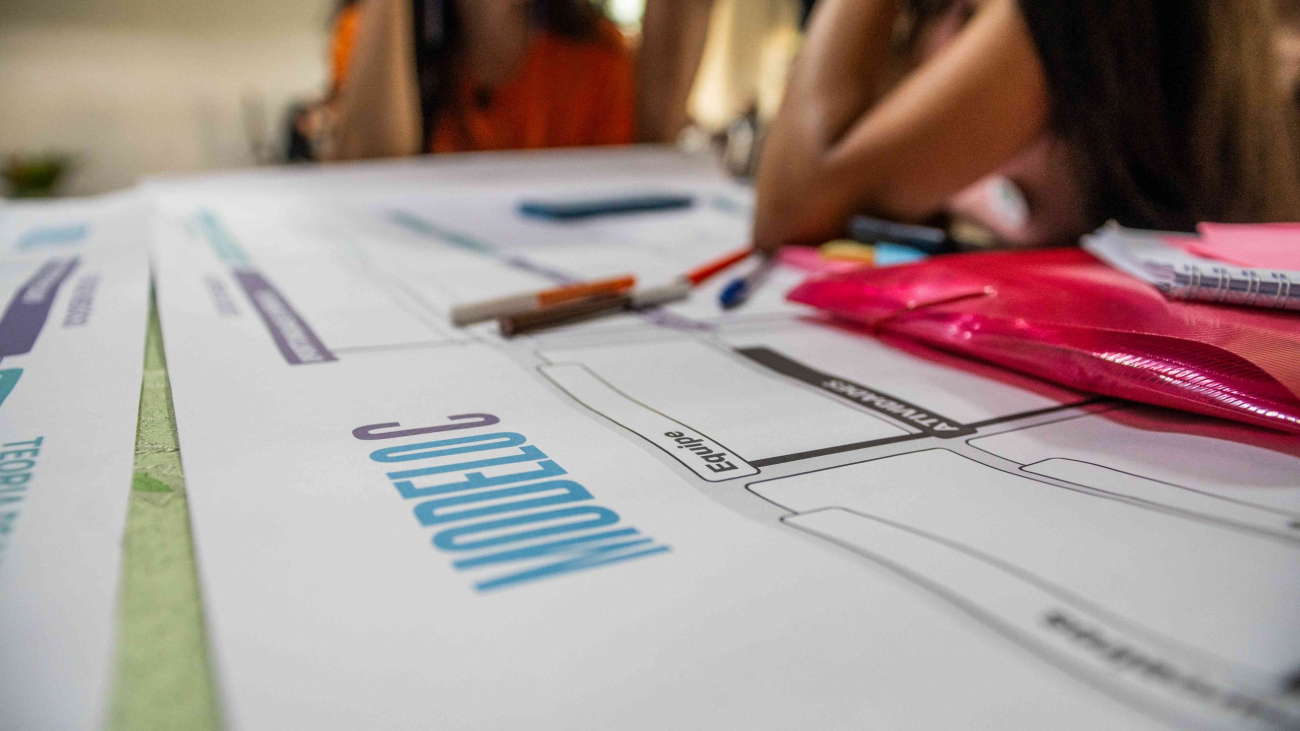
The new version was launched during Impacta Mais 2025, held in March with the support of AMAZ, Grupo Boticário, Fundo Vale, Instituto Sabin and ICE. The C Model contributes to the modeling and strategic management of businesses, both to understand the intentions of businesses in the ideation stage and to build a diagnostic image of those already in operation. To this end, it integrates the Theory of Change with the Business Model Canvas.

Mariano Cenamo, CEO of the accelerator and founder of the Amazon Conservation and Sustainable Development Institute (Idesam), was one of those responsible for the review. He shares a little more about how the accelerator uses the tool.

“MOVE and Sense-Lab have been extremely important partners for AMAZ since the beginning of our strategy development up until the present moment. […]. On our side, it has been very good for planning the business acceleration process, that is, we apply it in the pre-acceleration workshop, when a diagnosis and planning is carried out with the businesses that are in the final phase prior to the pitch day, where we make the investment decision, and there we can have a good overview of the business model and the construction of the impact thesis. The businesses finish the pre-acceleration workshop, the last phase of selecting those that we will accelerate, presenting the Model C,” explains Cenamo.

The versatility of the tool, which is also useful at other times in the process of accelerating and monitoring business, and extensive dialogue with the ends in the construction of more improved versions were also highlighted by the manager as a differential in Model C.

“It is a very useful tool that we want to continue using and improving. We have even suggested some points for further development of Model C, which as the business advances we feel can be used to go into fundamental details such as, for example, governance strategy and tactical-operational plan”, adds the CEO of AMAZ.

The accelerator has 21 impact businesses in its portfolio. One of them is MOMA, which develops natural cosmetics from original inputs from the Amazon rainforest, contributing to the preservation and regeneration of the ecosystem's natural resources.

Founder Vivian Chun shares that the tool has been used since the beginning of activities, also helping in planning the next steps.

“It is a tool that helped us comprehensively design the entire business in its different aspects – the market, the production chain, what we offer as a differential, how we are compensated, in relation to the impact as well, what is the soul of the business, what we want to achieve as a purpose, etc. […]. This perspective that the C Model provides is very important to revalidate what is making sense for the business, what strategies we followed or did not follow, whether the partners are firm, whether the result we expect is consistent with what happened”, explains the founder of MOMA.

Revision
The revision of the model was motivated by changes in the field of socio-environmental impact since its launch, in the language and methodological approach, adaptation for more individual uses and for more complex businesses. As explained by Antonio Ribeiro, consulting partner at Move Social.

“We started by listening to people in the impact field, seeking to gather input on the practice with Model C. With this input, we carried out a broad review of the tool, and arrived at a preliminary proposal and guidelines for testing. Then came the testing phase with stakeholders, in different territories, seeking to identify possibilities for additional adjustments. Finally, we arrived at this version 2.0, which is now public and accessible”, he details.

More than 500 impact businesses, 14 accelerators, 10 investors and catalysts, eight universities and at least ten training courses currently use Model C in Brazil.

Version 2.0 of the tool is available for download, free of charge, in Portuguese, Spanish and soon also in English: www.modeloc.co.

inova amazonia summit : amapá 2025 -

AMAZ presents examples of innovation led by traditional communities at the “Inova Amazônia Summit”

Text: Maxi Media

Photo: Disclosure

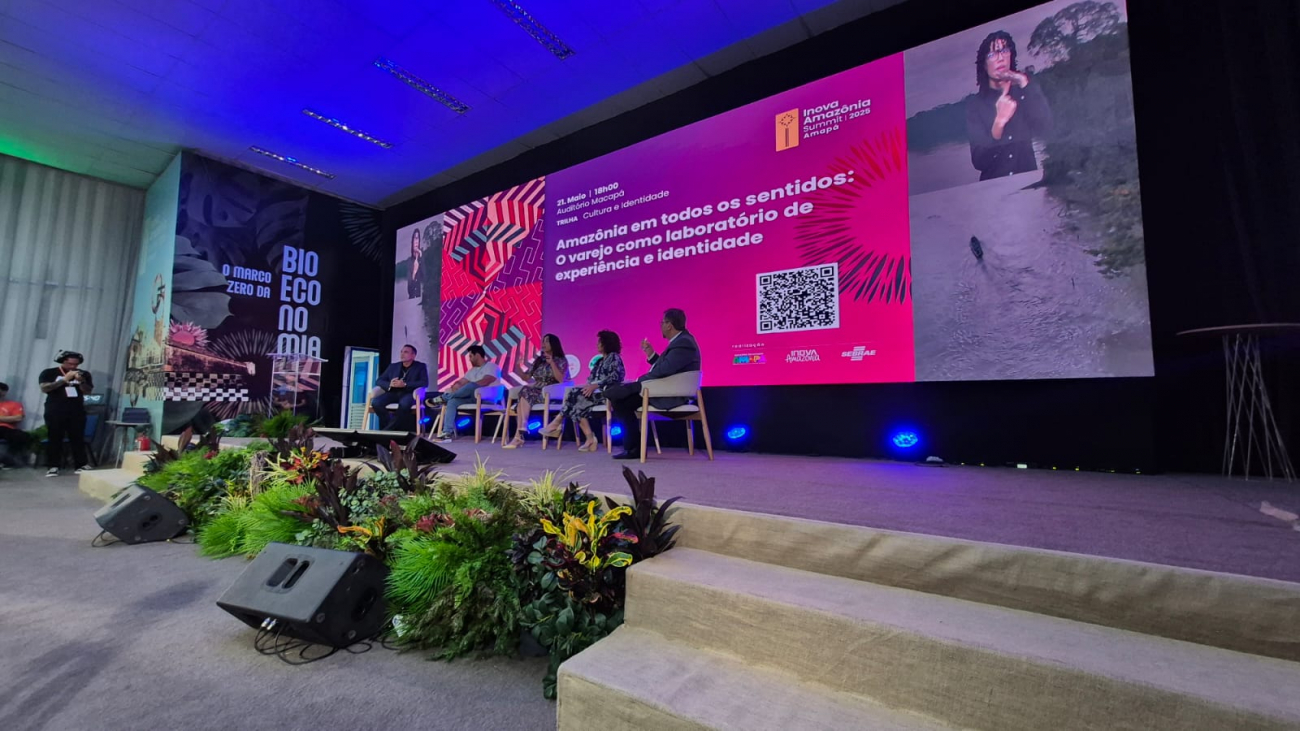
AMAZ Aceleradora de Impacto is participating in the “Inova Amazônia Summit”, which ends this Friday, the 23rd. In the track that is addressing topics on technology and information, we will present socio-environmental impact solutions that are underway.

The event takes place in Macapá (AP) and brought together several actors from the ecosystem over three days to discuss solutions with socio-environmental impact.

Isis Arébalo, New Business Analyst, will represent AMAZ in the panel “Everything new again: The Power of Local Communities to Generate Innovations and Impact on the Forest”, which will be held in the Macapá auditorium, at 5:30 pm this Friday.

The event will present practical examples of innovation led by Amazonian communities that combine traditional knowledge and technologies to respond to the region's social, economic and environmental challenges.

Isis Arébalo highlights that the creation of public policies and partnerships with companies can boost community-based businesses with a real impact on the forest, but those who live in the forest must take the lead.

“The importance of the topic lies precisely in recognizing that the sustainable development of the Amazon is only possible with the strengthening of those who live in and know the territory”, emphasizes the AMAZ analyst.

More about the event

The “Inova Amazônia Summit” is promoted by the Government of the State of Amapá, in partnership with the Brazilian Micro and Small Business Support Service (Sebrae). Over three days, the event aims to bring together more than five thousand people, including students, investors, entrepreneurs, startups, experts and government representatives.

The program includes workshops, lectures and panels to discuss bioeconomy, innovation, tourism, traditional communities, investments, technology, impact entrepreneurship, social inclusion and other topics related to the development of the Amazon. Registration is free and can be done through the link: https://agenciaamapa.com.br/noticia/30417/sebraeap.beevent.com.br/evento/inova-amazonia-summit.

ForestiFi Divulgaçao

ForestFi, a startup from Manaus, is elected as one of the 100 most innovative companies in the world 

Text: Vinicius Souza, for Maxi Media

Photo: ForestiFi Disclosure

The selection process received hundreds of applications from around the world and was supported by leading organizations such as Microsoft Entrepreneurship for Positive Impact, ChangeNOW and Techstars. 

An approach that helps to keep the forest standing, through blockchain technology, and connects rural production systems to sustainable investment markets. This is the great differentiator of ForestiFi, a fintech that tokenizes Amazonian bioeconomy assets supported by AMAZ Aceleradora de Impacto, which was elected as one of the most innovative sustainability startups in the world by Change 100, the global campaign of We Make Change. 

The announcement was made during “ChangeNOW”, the largest global event for solutions for the planet, in Paris. The selection received hundreds of applications from around the world and was supported by leading organizations, such as Microsoft Entrepreneurship for Positive Impact and Techstars. The list of all the selected candidates is available on the website: www.wemakechange.org/change100. 

“This recognition comes to validate the work we have been doing with ForestiFi over just over a year of operation, in which we have developed this alternative investment mechanism in the bioeconomy production chains in the Amazon,” says co-founder Macaulay Abreu. 

Founded in 2023 in the state of Amazonas, the platform tokenizes Amazonian biodiversity products such as guarana and chestnuts and guarantees transparency, greater efficiency, lower costs and security in transactions. 

Forestifi offers a platform where investors can purchase sociobiodiversity asset tokens. The amounts directly benefit rural production systems and contribute to the recovery of degraded areas, while also earning interest for those who invested. 

Since the beginning of its work, the platform has already tokenized native cocoa, managed pirarucu and wild guarana, moving almost R$500 thousand. In April, in partnership with Zeno Nativo — another startup supported by AMAZ —, ForestiFi transformed 1,850 kilos of Amazonian nuts into digital assets, raising R$114.7 thousand that benefited more than 50 extractive families in the Acará River region (PA). 

As one of the Change 100 startups, the startup will be connected to strategic resources, support programs and a global network of more than 50,000 remote volunteers, including experts from companies such as Standard Chartered Bank, PA Consulting and Grundfos. In addition, ForestiFi is preparing to connect more investors to sociobiodiversity production systems. “Our focus is on expanding the number of available assets and facilitating access for new investors to these products, strengthening organizations through the purchase of tokens. In addition, by the end of this year, we intend to launch a new version of the platform, with new investment models focused on production chains”, adds Abreu. 

AMAZ support 

Since the beginning of 2025, ForestiFi has been one of the startups supported by AMAZ, the main accelerator of socio-environmental impact businesses operating in the Legal Amazon. Currently, the business is in the “Traction” phase, a period in which the company focuses on accelerating results in the market, such as attracting customers and increasing revenue. 

AMAZ operations leader Gabriela Santos praises the election as a milestone for the regional ecosystem. 

“We are generating impact at the cutting edge and, at the same time, being able to reinforce the bioeconomy as a vector of innovation in the Amazon. AMAZ and Idesam [Institute for Conservation and Sustainable Development of the Amazon] work to strengthen and shed light on solutions that are being developed locally and can be replicated as success stories, which requires continuous and close support in the long term, from investors and partners,” he highlights. 

About ForestiFi 

ForestiFi is an impact investment platform that connects investors to sustainable Amazon supply chains, using tokenization technology to ensure traceability, liquidity, and transparency. It has already structured tokens linked to products such as native cocoa, managed pirarucu, and wild guarana. 

Congresso Gife. divulgação

AMAZ defends bioeconomy as a way to tackle inequalities and climate emergencies at the 13th GIFE Congress

Text: Maxi Media and GIFE Disclosure

Photo: GIFE Disclosure

The AMAZ Impact Accelerator coordinated by Idesam will be at the 13th Congress of the Group of Institutes, Foundations and Companies (GIFE), the main event on philanthropy in Latin America, which this year welcomes 185 speakers, experts and leaders from the sector, civil society organizations and government representatives in more than 30 activities.  

The program starts this Wednesday (7) and runs until Friday (9) with the theme “Deconcentrate: power, knowledge and wealth”. 

Gabriela Santos, operations leader, will be AMAZ’s representative at the event. She will contribute to the panel “The Value of Standing Forests: Bioeconomy and a New Development Paradigm for People, Climate and Nature”, which will take place on Friday, the 9th, from 9 am to 10:30 am. 

“The Bioeconomy agenda is still emerging in the [philanthropy] sector. In the year of COP30 [30th United Nations Climate Change Conference], where all eyes are on the Amazon, our participation is of great importance to, first of all, occupy these spaces, bringing light to the climate emergency beyond adaptation actions, but as a call for mitigation. What can we do today to support and strengthen organizations that are already working in territories essential to the maintenance of our environmental, social and cultural riches in the Amazon”, explains the operations leader at Amaz. 

The panel was jointly designed by the Arapyaú Institute and the Climate and Society Institute (iCS), in order to convey the reality of the Amazon territory and how it is possible to engage beyond the South-Southeast axis. 

Other experts who work in the region will also be present: Cleiciane Marques, a riverside resident, mobilizer of the Chestnut Collective and executive analyst of the Iratapuru Fund; Braulina Baniwa, indigenous researcher of sociobioeconomy in the Amazon and co-author of the publication “Indigenous bioeconomy: ancestral knowledge and social technologies”; Hélia Félix, farmer and technical manager of the Cacauway chocolate factory; and Débora Passos, manager of Project Management and Strategic Planning at the Arapyaú Institute. 

Schedule  

During the three days, the program will include debates, panels and exchanges of experiences. Among the topics covered are: bioeconomy and traditional communities, tax reform and ISP, collaborative philanthropy and food systems, plural education, ethical use of Artificial Intelligence (AI), the power of Big Tech and the leading role of youth.  

One of the main personalities invited to the Congress, activist, filmmaker and philanthropist Abigail Disney spoke at the opening plenary International situation and Brazilian context – after all, what kind of country do we want?. At the age of 64, Abigail inherited a fortune of 10 million dollars left by her great-uncle Walt Disney at the age of 21. It is estimated that, of her current wealth of around 500 million dollars, she has donated more than 70 million dollars to causes related to vulnerable women.  

Highlighting the importance of women in society and in philanthropy, Abigail stated that Private Social Investment can, in a structured and coordinated manner, “change the reality of a country”, together with the capillarity of government actions. She also emphasized that in order to have “deconcentration of wealth and wisdom”, power cannot be limited only to those who have resources. “What if we all choose to live with the same importance?”, she reflected.