Captura de Tela 2024-10-04 às 07.48.12

AMAZ Report 2024: Impact, Innovation and Sustainable Use of the Amazon Rainforest

Good news! We are pleased to announce our 2024 report. Fresh out of the oven, it presents the results achieved through hard collective work and our goals for 2030. The content highlights the application of Theory of Change, strategic methodology used by AMAZ and which guides all actions to support sustainable businesses, promoting environmental conservation, social inclusion and income generation.

This theory is based on the idea that the growth of impact businesses in the Amazon can generate positive transformation, protecting biodiversity, benefiting local communities and driving socioeconomic development.

With short, medium and long-term guidelines, we plan to significantly expand our operations in the largest tropical forest in the world. 

See our goals in numbers: 

  • 80 businesses supported 
  • 10 million hectares preserved or restored 
  • R$ 200 million in leveraged investments
  • 10 thousand families benefited 

One of the main innovations presented in the report is the use of **innovative financial instruments**, such as seed capital, which has been essential for the initial development of impact businesses in the Amazon. Seed capital is a contribution made to businesses in their early stages, usually in small amounts through angel investors, family or friends, to foster (seed) their development. 

and allows entrepreneurs with promising ideas to obtain the necessary resources to start their operations and test innovative solutions that contribute to forest conservation. This type of financing is crucial for small businesses to grow and consolidate, creating value for the region and its communities.

Another highlight of the AMAZ Report 2024 is the central role of the strategy of venture building, a model for incubating and accelerating new impact businesses. Through this model, it not only offers financial resources, but also closely monitors entrepreneurs, providing mentoring, technical training and strategic networking, ensuring that solutions can scale and generate long-term environmental and social impact.

The challenge of assessing the socio-environmental impact of companies through indicators and targets is a constant in any portfolio of accelerators or impact funds. At AMAZ, we can identify some difficulties, ranging from data collection and analysis to the various priorities that entrepreneurs face in their early-stage companies. In addition, there are high logistical and operational costs, complex territorial management processes and close relationships with their customer and supplier chains, where the impact usually occurs.

We seek to condense AMAZ's operations and business portfolio into measurable and understandable terms, which is not always a simple task. The achievement of results is planned for the long term, with annual milestones that serve as a reference, although they do not indicate linear growth.
Access the report in Portuguese here.

Access the report in English here.

52199707897_587399ca4e_o-2048x1365

The “Amazon at Home, Forest Standing” development program is accepting applications for new businesses until September 30th

Partnership with Mercado Livre focuses on the digital market and seeks companies that have a production chain located in the Brazilian Amazon

By Climate Ventures Communications 

The “Amazônia em Casa, Floresta em Pé (ACFP)” program, which promotes businesses in the Amazon sociobiodiversity, is selecting participants. With applications open until September 30, the initiative seeks companies that can flourish in the digital market, developing strategies aimed at reaching the end consumer, through a partnership with the Mercado Livre platform, responsible for the logistics and sale of products. 

Companies that are in the traction or market entry phase and have part or all of their production chains in the Brazilian Amazon can participate in the program. This criterion allows companies that use inputs from the region but finish their products in other parts of the country to participate. Currently, the ACFP has 50 participating businesses from different segments, such as food, beverages and cosmetics.  

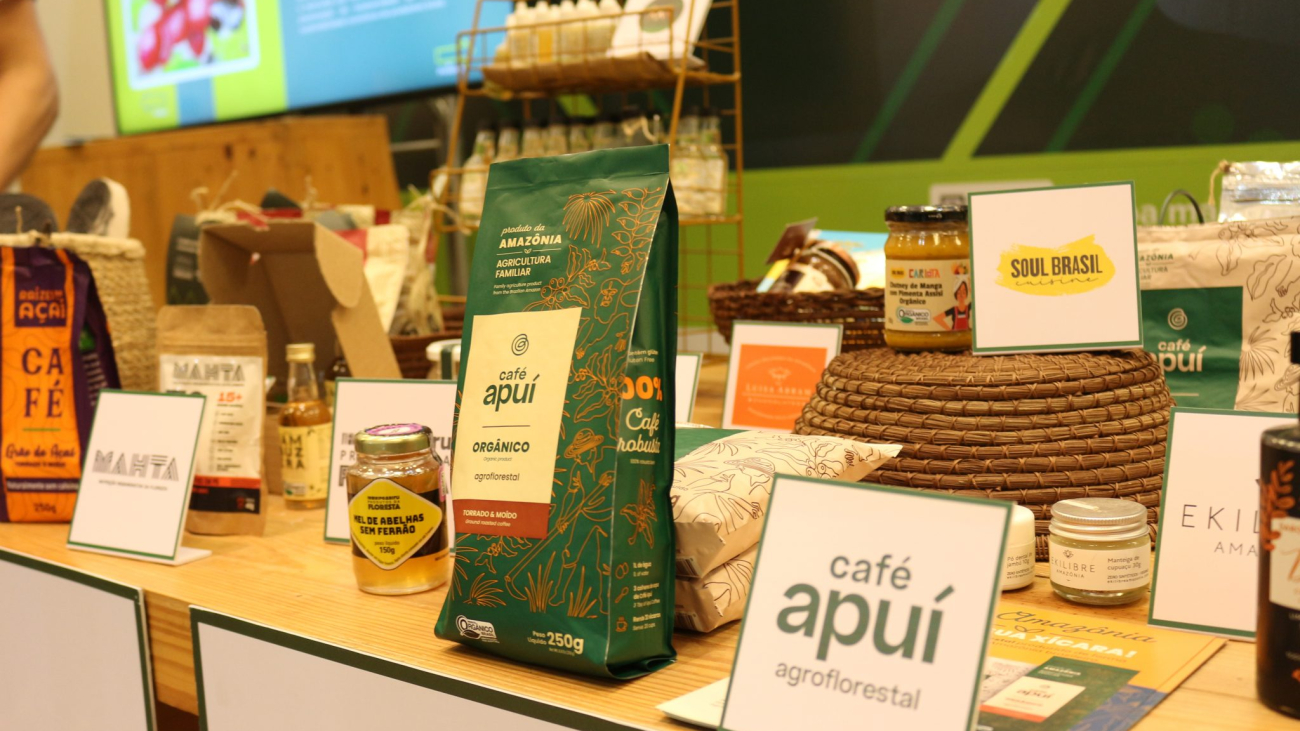
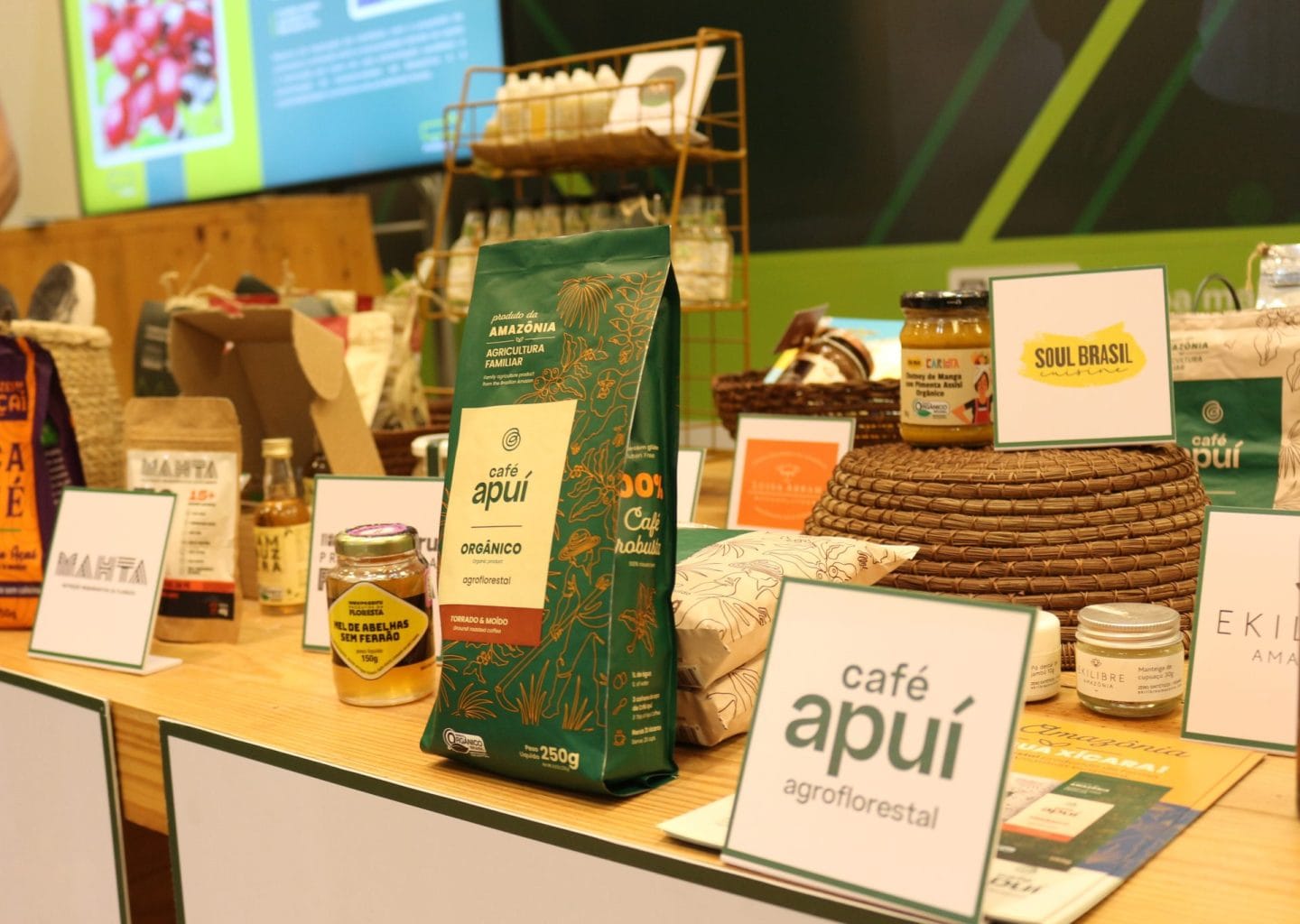
The brands present on the platform include Manioca, which produces natural foods; MOMA, which produces biocosmetics; SoulBrasil, which produces sauces, peppers and jams; Warabu, which produces chocolates; Café Apuí Agroflorestal; and Inatú Amazônia, which produces vegetable oils and natural products. Over the last two years, the program has generated R$3.2 million in sales. 

“The Brazilian Amazon covers an area of over five million square kilometers. Due to its vastness, entrepreneurs in the region face challenges in logistics and marketing, which impact not only production capacity but also prices. What we want to do is offer these businesses a program that helps them become more competitive and gain access to platforms and information that will allow their products to reach even more consumers,” says Whilla Castelhano, Program Manager at Climate Ventures, the institute that created the initiative, together with Idesam and AMAZ Aceleradora de Impacto. 

Marketing and awareness 

The selected businesses receive training and mentoring, in addition to participating in lectures, events and business fairs. The aim is to develop marketing, communication and awareness strategies with the entrepreneurs, in addition to encouraging the market to increase the consumption of products from companies committed to generating positive impacts on the Amazon biome. 

“ACFP is a knowledge agent that prepares Amazonian sociobiodiversity businesses aimed at the B2C sector (direct sales to consumers). We believe that these ventures can make a significant difference in preserving the forest, and that there is a consumer market willing to learn about and value their products,” concludes Castelhano. 

Registration can be done through the link: www.amazoniaemcasa.org.br/selecao-2025. ACFP news is also shared through its Instagram profile: www.instagram.com/amazoniaemcasaflorestaempe 

 Amazon at Home, Forest Standing, in numbers: 

 45 businesses have women in leadership, management or decision-making positions, and 36 have black, brown or indigenous people in leadership, management or decision-making positions;

  • 27 have quality certifications and/or positive impact on the environment;
  • 7 are able to export;
  • 6,674 families are positively impacted through businesses supported by the program.

 About Climate Ventures 

Climate Ventures is an institute dedicated to boosting the climate innovation ecosystem in Brazil. We believe that Brazil has great potential to lead the transition to a green economy. Our work is divided into two main axes: orchestration, where we map, coordinate and strategically connect the main actors in the ecosystem, promoting partnerships and business connections between investors, entrepreneurs, CEOs and regulators; and knowledge production, where we generate information and critical analysis to support decision-making, providing insights to leaders at the forefront of the transition to the green economy. 

 Website: www.climateventures.co 

Imagem JPEG 103

AMAZ Impact Accelerator is now accredited by CAPDA

Initiative that supports forest businesses enters the R&D&I ecosystem

Idesam Communication

The Committee for Research and Development Activities in the Amazon (CAPDA) granted accreditation to AMAZ Aceleradora de Impacto to operate its impact business acceleration program in Suframa's R&D&I ecosystem.  

CAPDA Resolution No. 55, of July 25, 2024, which formalizes the accreditation, requires AMAZ to keep the list of technology-based start-ups linked to it up to date and to prove, at any time, compliance with the requirements necessary to maintain the accreditation. With CAPDA's approval, as of this resolution, AMAZ can provide business acceleration services, limited to 5% of the project budget. 

Within the scope of the Information Technology Law, impact businesses that have approval and investment from companies in the Manaus Industrial Hub (PIM) may be accelerated, counting on the expertise of Idesam's impact acceleration program, in addition to the experience in executing R&D Law programs, from the preparation of the work plan to independent auditing. 

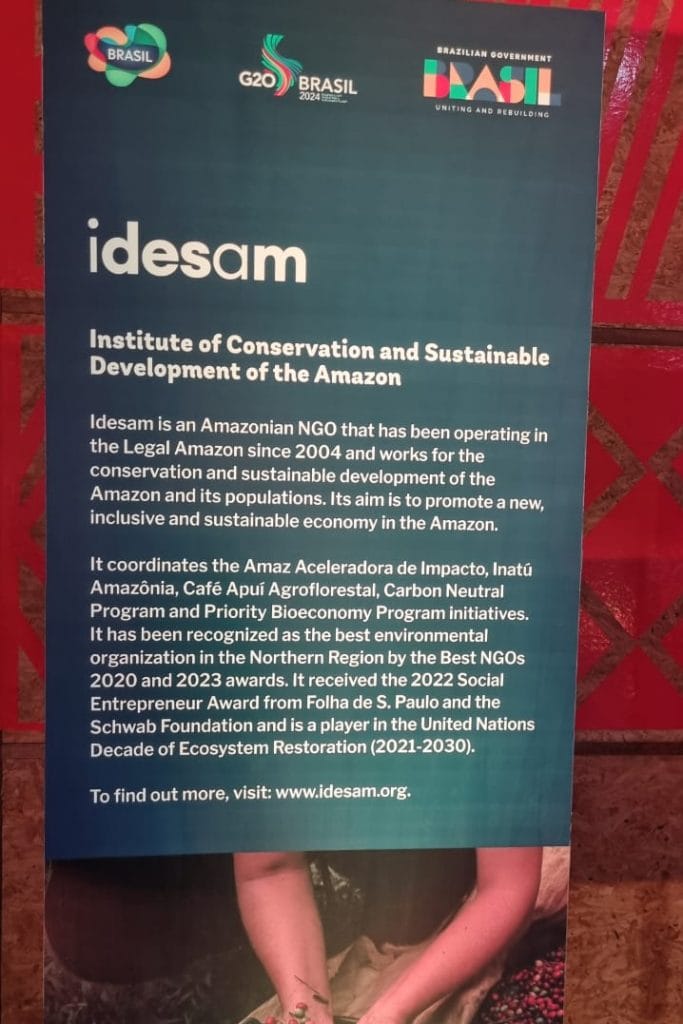
AMAZ Impact Accelerator was created by Idesam to help build a new economy in the Amazon, through investments in innovative and scalable startups and impact businesses that generate income and prosperity through the conservation, restoration and sustainable use of the forest. It currently has 18 impact businesses in its portfolio, having accelerated a total of 33 impact businesses that contribute to the new economy of the Amazon. 

mahta natural tech (369 de 441)

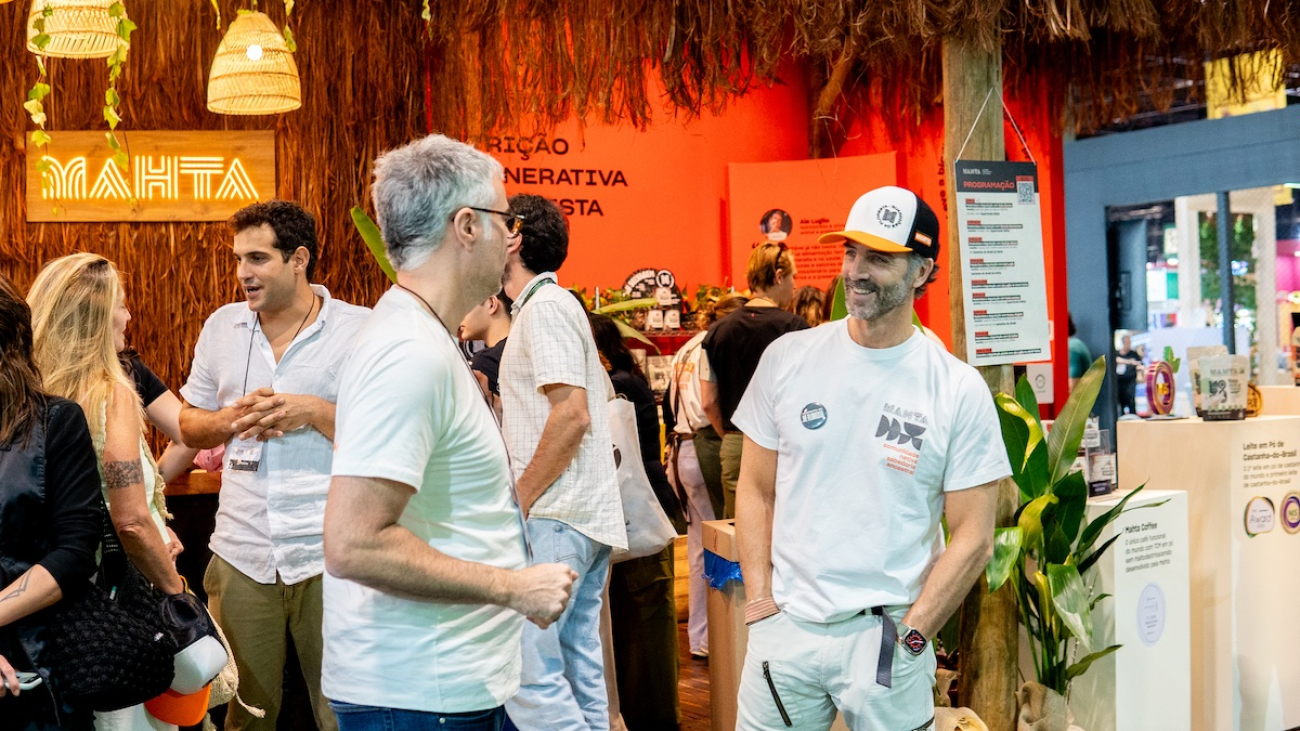
Mahta is awarded at Naturaltech, launches new product and plans to achieve breakeven 

The year 2024 has been one of great growth for Mahta, which has been accumulating awards, increasing revenue and attracting professionals to strengthen the team. 

In June, the company won another award: nut milk powder, a product from the company's portfolio, was chosen as the best drink at Naturaltech, the largest natural products fair in Latin America.

The award continues a series of recognitions that began in 2023, which demonstrates excellence in product development and a lot of innovation in the use of Amazonian ingredients: Mahta took 1st place in the Fi Innovation Awards and Startup Innovation Challenge, from FISA (Food Ingredients South América) with Mahta Superfoods Amazônicos Powder, and came in second place with Mahta Coffee. It also won the Golden Açaí Award from the NIS (Nutri Ingredients Summit) with nut milk powder.

Also at this year's edition of Naturaltech, the company launched its fourth product, Mahta Coffee with wild cocoa from the Amazon. And it aroused a lot of interest from the retailers present at its stand.

“We were highly sought after at Naturaltech, more than a hundred retailers showed interest in putting our products on sale. We also had numerous prescribers – nutritionists, nutritionists and health professionals – who came to us interested in prescribing the products for their clients. The results were very good”, describes Max Petrucci, founding partner of Mahta

With the success in sales through the website, the company begins to expand its presence in retail, entering the main self-service chains in São Paulo and Brazil. It is now possible to find the products in the Santa Luzia, Quitanda and Varanda emporiums, for example, and the expansion has been carried out in a qualified and careful manner. The next step, after consolidation in retail in the country, will be international expansion.

Mahta also continues to add great talents to the team, such as Alessandra Luglio, a nutrition professional, and Rafael Oliveira, one of the founders of Impact Bank, who joins as communications and community advisor.

Having doubled revenue in six months – December 2023 to June 2024 – the prospect by the end of the year is to double this mark again. “With this, we can reach revenues of R$ 20 million in annual recurring revenue during this period, a very privileged revenue situation”, analyzes Petrucci.

Manawara01

Manawara opens another franchise in São Paulo

Photo: Manawara Disclosure

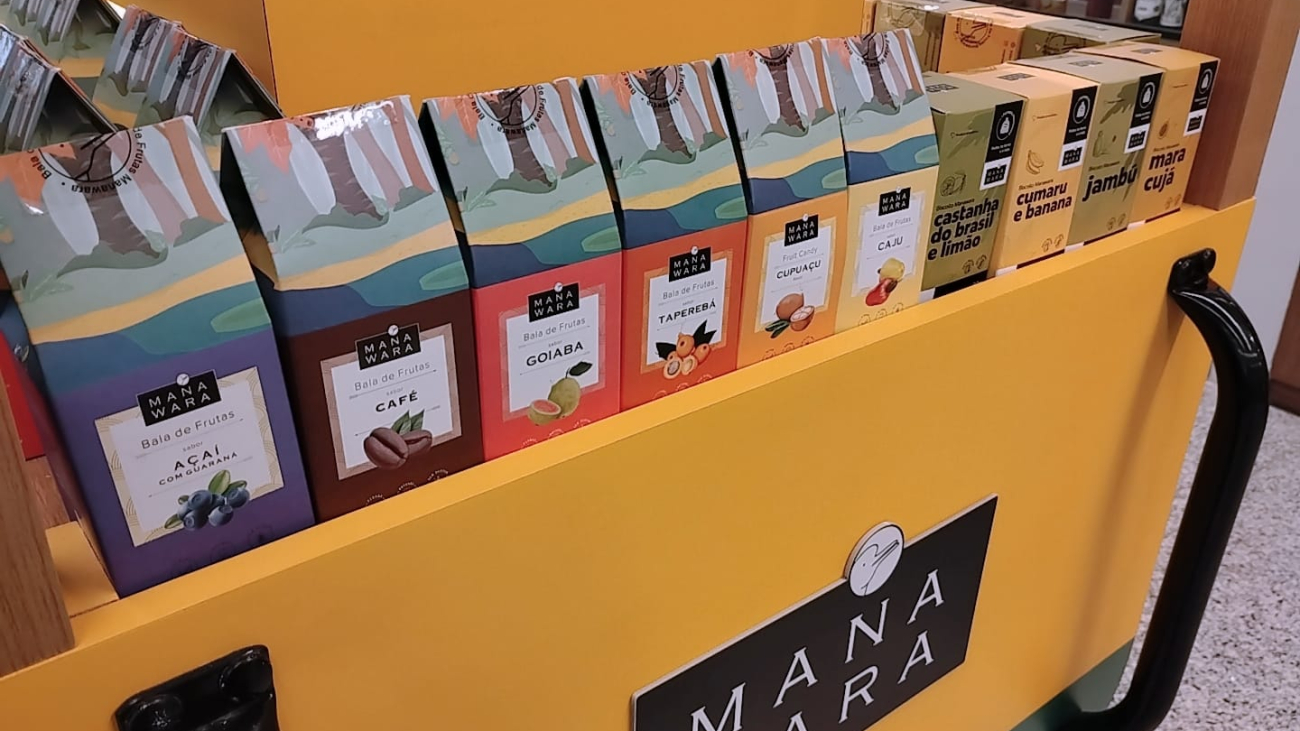
In June, Manawara opened its fourth franchise. The new unit is located at Shopping Pátio Paulista, in the city of São Paulo, and is part of a series of franchises scheduled to open by the end of 2024.

The first franchise was opened in Manaus, at Shopping Manauara. Then came two more: at Shopping Parque Cidade, in the south zone of the city of São Paulo, and at Shopping Osasco, in the city of Osasco, Metropolitan Region of São Paulo.

Manawara plans to deliver 10 franchised units this year, with the firm intention of expanding access to Amazonian flavors. The franchise model offers more than 20 products, including fruit candies of different flavors, nuts and cookies. Foods such as açaí, guaraná, taperebá and cupuaçu are present in jujubes and other vegan products, free of gluten and lactose.

In its production chain, the company seeks to value producers from the Amazon region. The guarana used comes from Maués, the nut comes from Assoab (Association of Farmers of Beruri), which operates in Resex Mamirauá. The flour in the cookies comes from Iranduba, the honey from Boa Vista do Ramos, the coconut flour from producers in Acre.

Vivalá divulgação

Vivalá launches new travel destination: Monte Roraima

Photo: Vivalá Disclosure

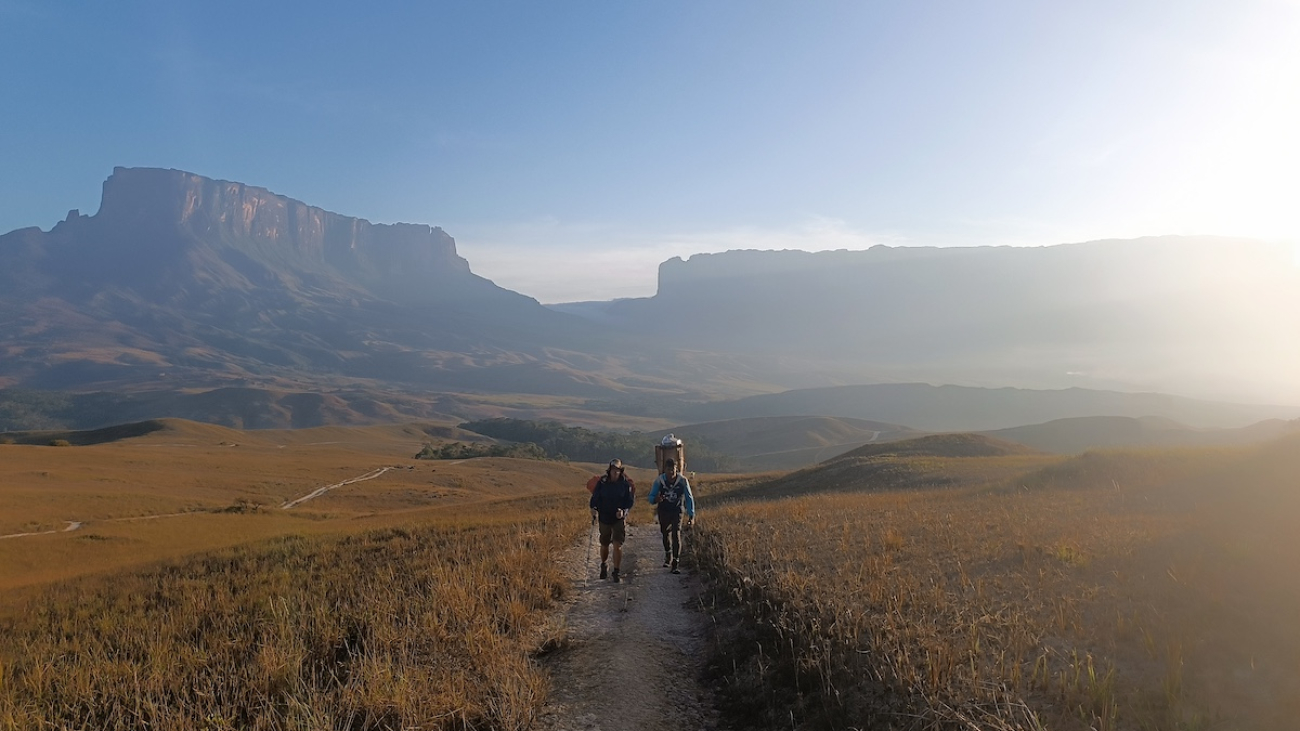
The border between Brazil, Venezuela and Guyana is the arrival point for new Vivalá expedition: Mount Roraima, one of the oldest mountains in the world, with the longest summit on the planet (34 km²), guarded by the Monte Roraima National Park.

Considered a true sanctuary, surrounded by Taurepang indigenous hosts and protectors, the destination has been sought out by an increasing number of trekkers.

“There are those who venture to Monte to overcome physical challenges, however, the real meaning of this expedition lies in understanding the sacred aspects of the ancestral wisdom of indigenous people from different ethnicities who revere, respect and understand this unique space on planet Earth as a source of life, spirituality and, above all, transformation. The exchange I had with the Taurepang completely transformed me and was a watershed in my conception of the world”, highlights Alberto Rabelo, producer of Vivalá experiences and the route to Monte Roraima. 

The expedition is offered in collaboration with Roraima Adventures (RRAdv), a specialist in the region for over 20 years and a pioneer in expeditions to Mount Roraima.

According to the general director of RRAdv, Joaquim Magno, the partnership in the script is due to the common objectives of social businesses. “The contribution is reciprocal, as both companies provide an experience that has a common objective, which is to take travelers to live an experience at the destination, but with quality, safety, positive impact and a dream come true.” 

The itinerary was created not only to offer the traveler an unforgettable experience, but also to positively impact the place. This impact is the result of sustainable tourism, which seeks to contribute to the environmental preservation of the location, the participating communities and the travelers' experience. 

“From the first contact with our marketing material and sales team until the return of the expedition, our traveler receives all the support and guidance to make their experience as pleasant as possible, which includes good practices related to sustainability and safety,” highlights Daniel Cabrera who, in addition to being co-founder and executive director of Vivalá, is a member of the board of Abeta – Brazilian Association of Ecotourism and Adventure Tourism Companies.

The social impact of the Expedition to Mount Roraima begins with the route and during the climb, guided by local indigenous people, who know and have direct contact with the region. The expedition lasts ten days and is recommended for people who are already physically prepared, as it is a 100 km walk.

There are planned departures once or twice a month, which include land transport from Boa Vista to the Paraitepuy Indigenous Community, where the group passes both on the way and on the way back. The expedition offers pre-trip training, accommodation in Boa Vista and Santa Elena de Uairén, transportation, all camping support, including collective camping equipment, food, entry fee to the Communities and a qualified team to guide the expedition.

Vivalá, which works to develop sustainable tourism in Brazil, is present in 24 conservation units in the country, covering the Amazon, Atlantic Forest, Cerrado and Caatinga biomes. It works together with more than 700 people from indigenous, riverside, quilombola, country and caiçara populations.

With 15 national and international awards and recognitions, the company has embarked more than 3,000 travelers, as well as injecting more than R$4 million into local economies through the purchase of community-based services and direct consumption by travelers.

WhatsApp-Image-2024-06-17-at-12.37.04-768x1024-1

G20 Manaus: Idesam, Suframa and MDIC present more than 30 bioeconomy products

The Exhibition is organized by the GIB agenda and the Brazilian Forest Service 

Text: Press/ Idesam
Photo: Disclosure/ Idesam

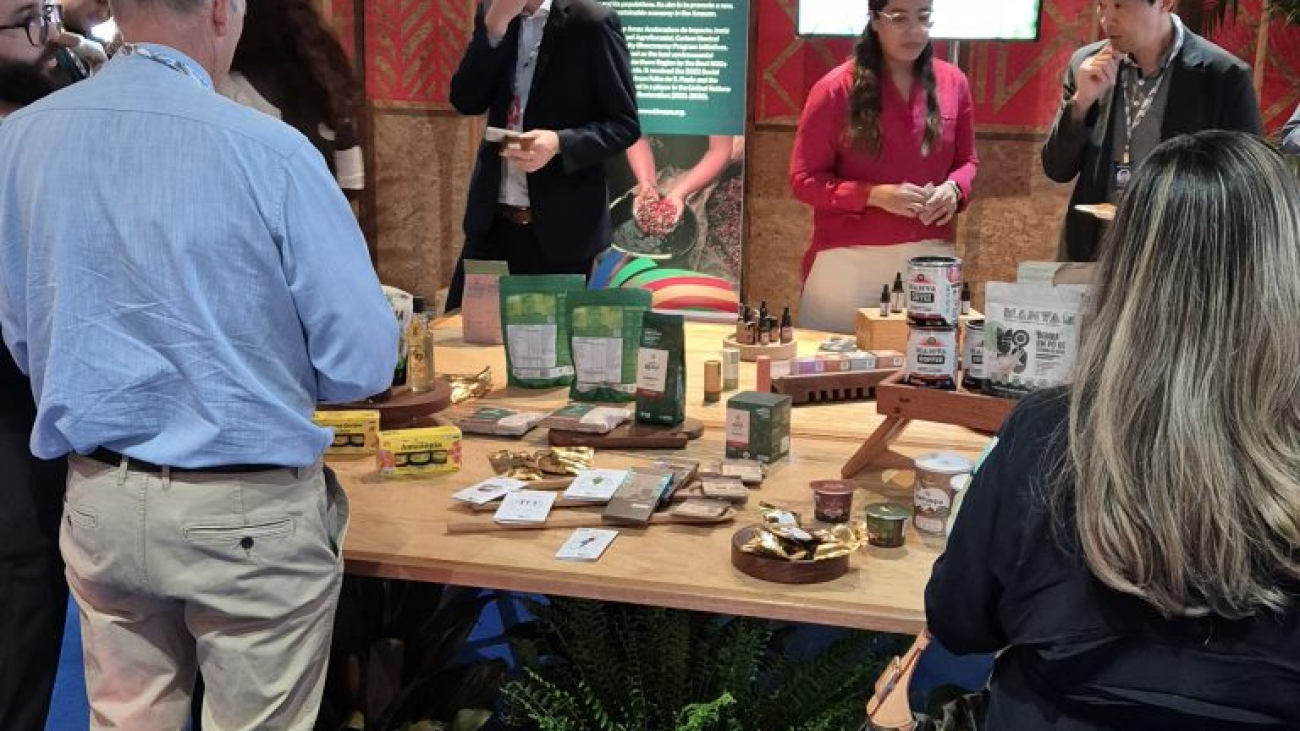
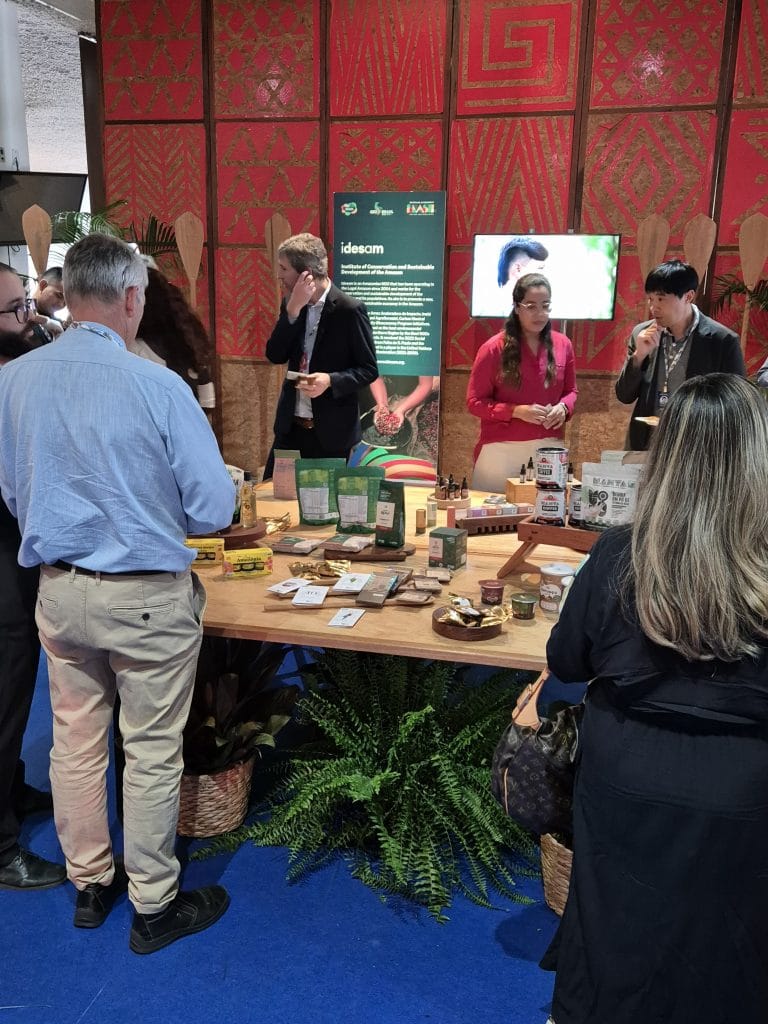
Delegations participating in the G20 Working Groups will have the opportunity to visit the exhibition entitled 'Climate and Environmental Sustainability'. In addition to Idesam, the exhibiting organizations are MMA, ICMBio, SFB; Sebrae and InovaAmazonia and Origens, CBA, CIDE and Casa Ribeirinha. 

The exhibition is closed to guests and takes place at the Vasco Vasques Convention Center and is an integral part of the G20 meeting on Climate and Environmental Sustainability and the Bioeconomy Initiative meeting. The objective of the exhibition is to highlight local projects and initiatives that contribute in an innovative way to facing the environmental and climate challenges of the Amazon. 

Sociobiodiversity products in the G20. Photo: Disclosure/Idesam

The products presented are divided into three categories: technology, cosmetics and food. They are: stingless bee honey, from Amazon Bee; smart burger, smart meatballs and smart sausage, from the Amazon Smart Food; açaí energy drink, from Engenho Café de Açaí; seedlings of Amazonian species, from Ananas Biofactory; Amazonian fruit extract, functional blends, chestnut oil and blend oil, from Terramazonia; amazon foodlab, from Ekuia; Brazil nuts and cocoa beans, from Native Zeno; regenerative nutrition of the forest, Mahta; natural and healthy foods, from mazo maná; gluten-free, vegan and trans fat-free options, from manawara; condiments, Soul Brasil Cuisine; Amazon chocolate from Na'Kau; natural foods, maniac; and the Apuí Agroforestry Coffee, from the Agroforestry Amazon; in the food category. 

Exfoliating gel, cleansing foam, clays and clear oils, from Amazon Biozer; easy cleaning lines, Amakos; essential oils, Forest Charms; products made from the leather of Amazonian fish, Yara Couros; nanocosmetics, from Darvore; natural vegan cosmetics, from balance; cosmetics, Moma Natural; and vegetable and essential oils and certified wooden objects, from Inatu Amazonia; in the cosmetics category. 

Climate intelligence platform, ESG platform, agrosmart Nexus and BoosterAGRO app, from Agrosmart; biofertilizer – Biochar Fert Açaí NK+, from Biofert; commercialization of microwave technology, Innovatus; commercialization of pracaxi oil and artisanal presses, Innovate Management; marketing of fingerlings, Gigas Baby; agricultural system implementation service, Add+; bicycle parts with tucumã and açaí fibers, from AGJTech; açaí harvesting machine, from Agranus; and Amazonian ibogaine, from Hylaea; in the technology category.  

Photo: Disclosure/ Idesam

According to the program, the objective is to highlight practical and innovative solutions that inspire significant and sustainable changes, in addition to strengthening awareness about the importance of acting to protect our natural resources. 

G20 in Manaus 

Manaus will host, between June 17th and 19th, 2024, the meeting of the G20 Bioeconomy Initiative. This is the first G20 event held in the capital of Amazonas. In the same week, on June 19th and 21st, the meeting of the G20 Working Group on Climate and Environmental Sustainability takes place, both events held at the Vasco Vasques Convention Center. 

The G20, which brings together the largest economies in the world (19 countries, in addition to the African Union and the European Union), has been under the presidency of Brazil since December 1, 2023. This is the first time that the topic of bioeconomy has been discussed multilaterally, an initiative proposed by the Brazilian presidency at the G20. The meeting in Manaus focuses on the sustainable use of biodiversity for the bioeconomy, with national and international participants discussing strategies for the conservation, preservation and recovery of biodiversity. 

G20 Interfaith Forum 

In parallel, Manaus also hosts the G20 Interreligious Forum Meeting Cycle, addressing the theme 'Environment, Sustainable Development and Religious Engagement: Contributions to the G20'. André Vianna, technical director of Idesam, participates in the debate 'Creating value and prosperity and regenerating nature: religious dynamics and social, biological and economic factors'. This workshop discusses paths to prosperity with a focus on food security, climate justice and forest preservation, highlighting the role of religious beliefs and institutions in regenerating nature. 

The first session will be moderated by Romanna Remor, President of the Board of Directors of the Roble del Sur Foundation, and will feature panelists such as Patrícia Cota Gomes, Deputy Director of Imaflora; André Viana, Technical Director of Idesam; Ernesto Souza, agroforestry farmer residing in the Uatumã Sustainable Development Reserve (RDS); and Paulo Oliveira, Owner of Cocar&Co. 

Idesam's participation in the G20 meetings in Manaus highlights the importance of socio-biodiversity and bioeconomy on the global agenda, reinforcing the commitment to sustainable development and conservation of the Amazon. 

Zeno Nativo - Acará - divulgacao

Zeno Nativo completes factory renovation and expansion

Photo: Zeno Nativo Disclosure

THE Native Zeno, a company accelerated and invested by AMAZ in 2024, completed the renovation and expansion of the nut and cocoa bean processing factory. Located in Acará, state of Pará, the renovated structure increases productivity by 50%.

The work was carried out with financial support from AMAZ: “We used just over 30% of the AMAZ contribution. This reform was already on the horizon, we took advantage of the resource to improve not only productivity, but the environment for employees, providing more quality and safety”, says Zeno Gemaque, founder of Zeno Nativo.

The renovation of the space took almost four months, a time offset by increased productivity from now on. Furthermore, Zeno highlights the reduction in the possibility of food contamination, as the environment has improved and has become even more suitable for handling chestnuts and almonds. And also the air conditioning of the entire area, which makes the factory's work process healthier for employees.

“In addition to all this, we also renovated and expanded our cocoa drying greenhouse, which now uses a new technique that has greatly improved the aesthetics of cocoa and the environment. These works make a big difference to our enterprise”, says Zeno.

Zeno Nativo works with the production of Brazil nuts and cocoa beans native to the Acará River region, contributing to the conservation of the Amazon. The chestnuts are recognized for their quality and are sold especially at the Ver-o-Peso market, in Belém, and elsewhere. Cocoa beans serve chocolate makers in Brazil and around the world. 

amaz-moma-capa

About the importance of getting to know production chains and communities: MOMA visits RDS Uatumã

Photo: Rodrigo Duarte/courtesy MOMA

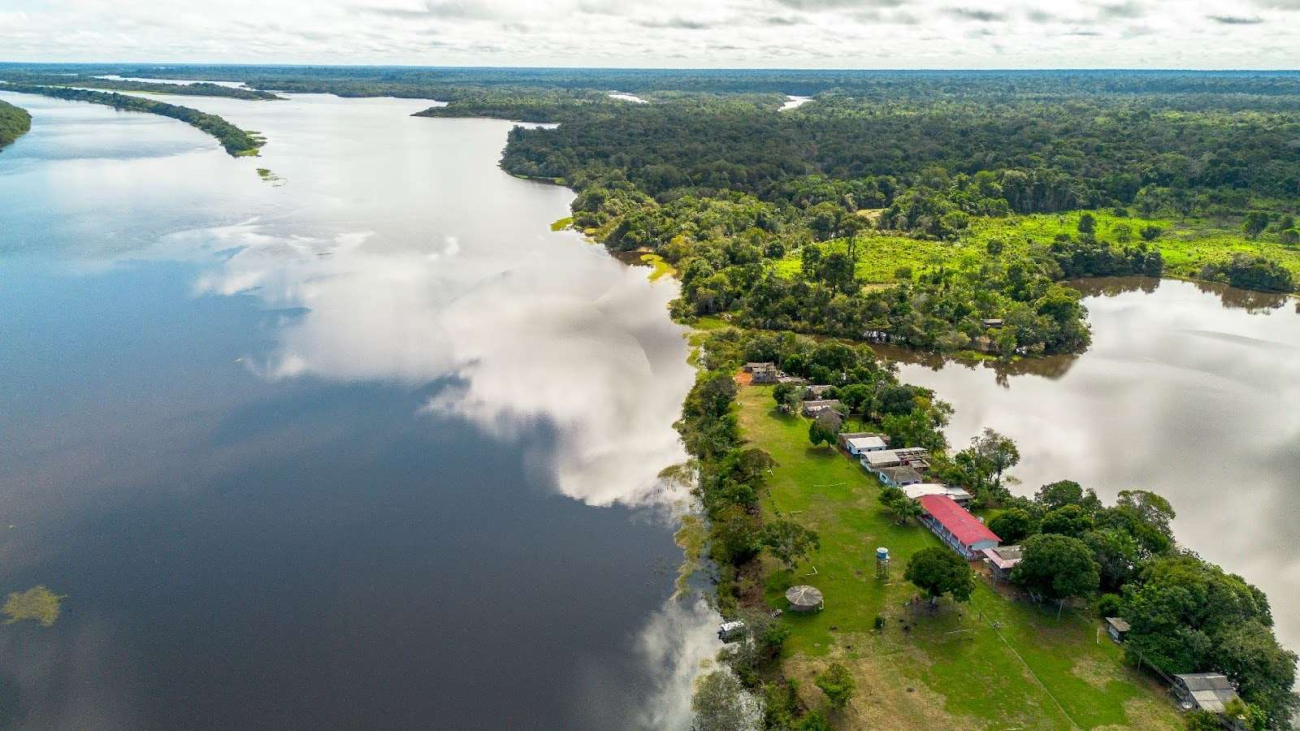
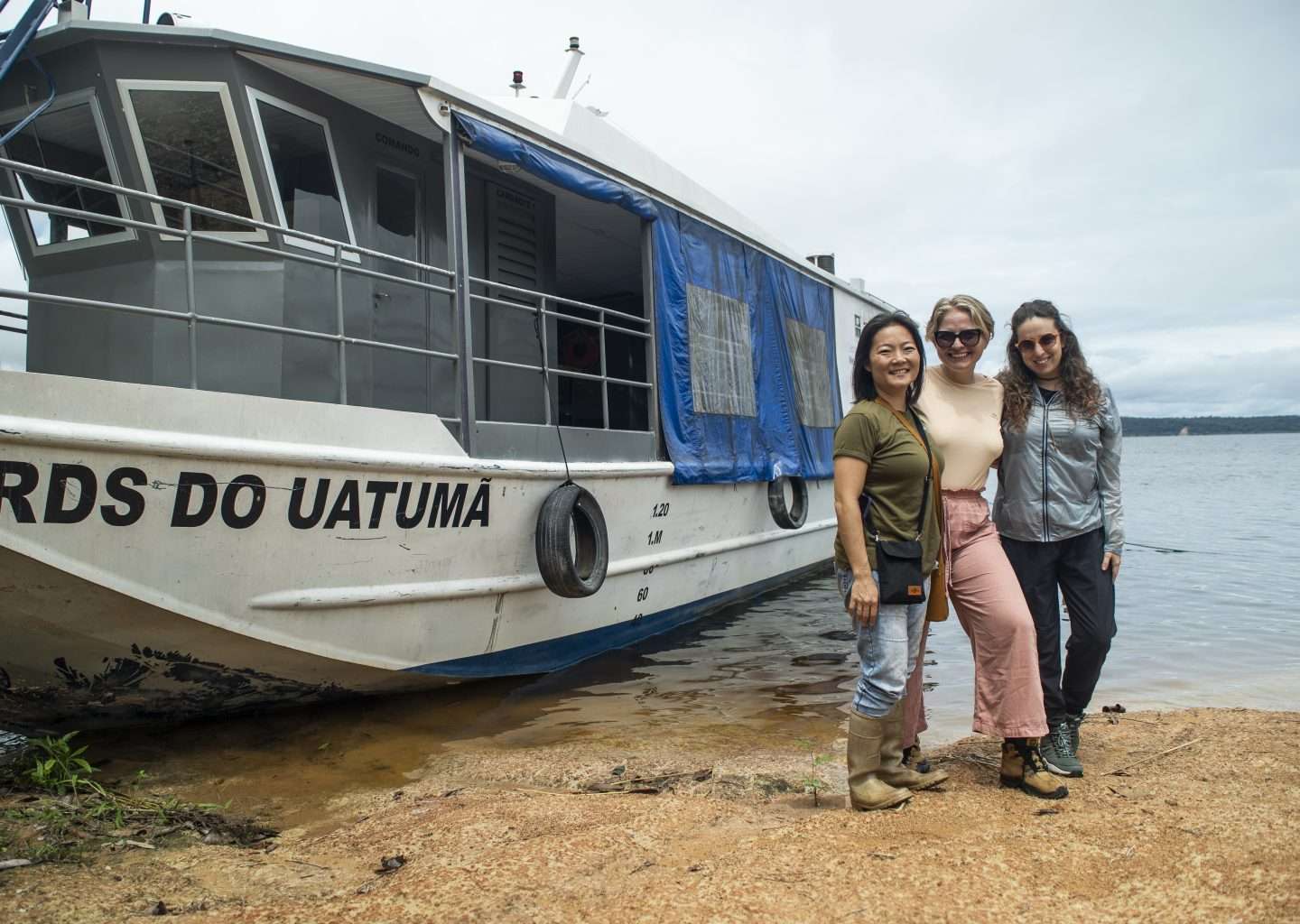
At the beginning of May, Vivian Chun, founder of MOMA – business accelerated and invested by AMAZ this year – visited the Uatumã Sustainable Development Reserve (RDS), in the state of Amazonas.

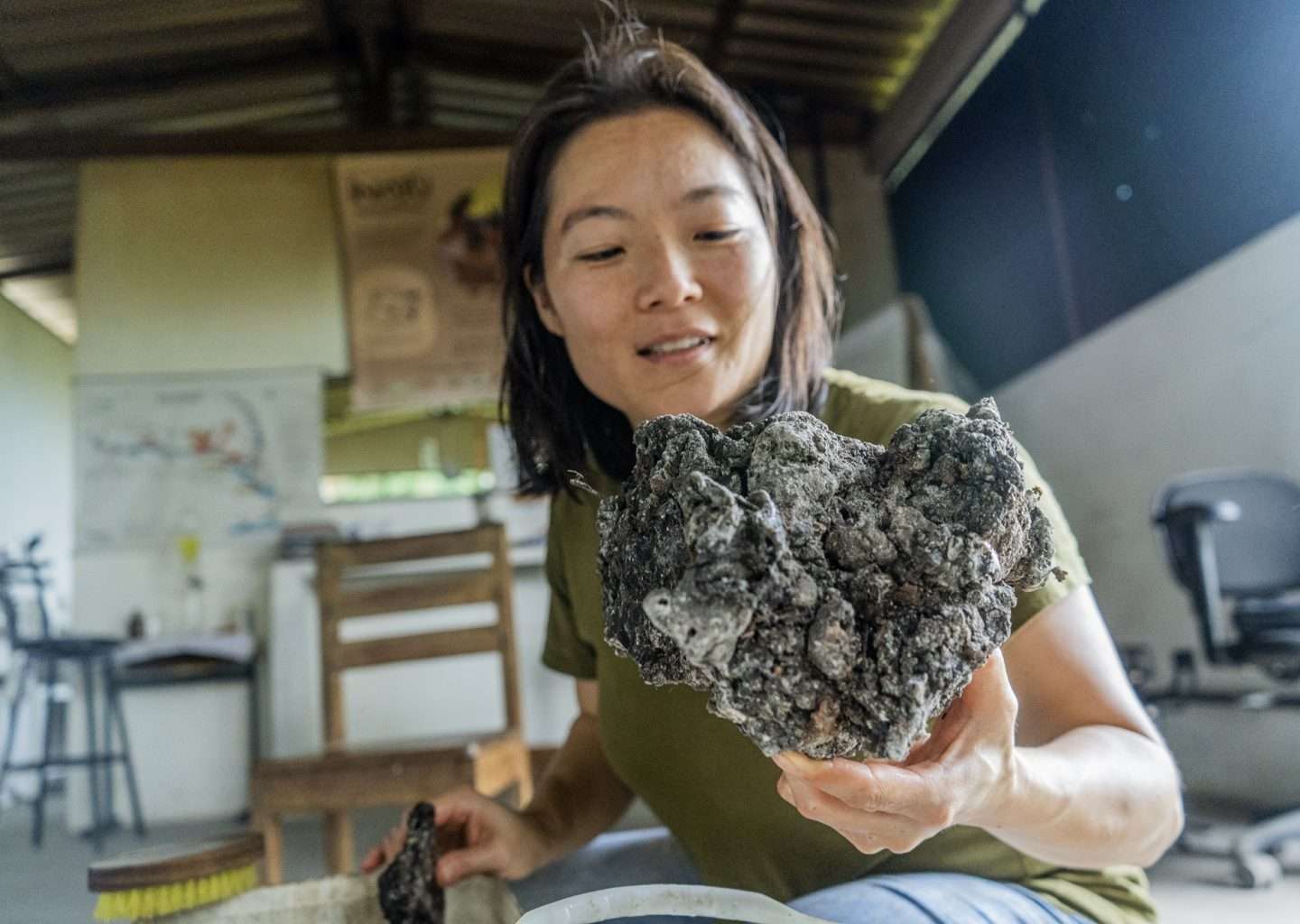
Accompanied by Julia Tatto, co-founder of Urucuna, and by Louise Lauschner, market access specialist in Idesam, Vivian, who uses raw materials from the Amazon and other Brazilian biomes in her products and practices fair trade – MOMA products have the Origens Brasil seal -, was in the RDS of Uatumã to meet the community that extracts and processes white rosin, produced by the species breu-branco-verdadeiro, a tree native to the Amazon that can reach up to 30 meters in height.

The fragrant resin has the appearance of a gray rock and solidifies at the base of the trunk, and its extraction and processing require a lot of time and artisanal work. 

Photo: Rodrigo Duarte/courtesy MOMA

One of the points highlighted by Vivian after the visit is related to fair trade:

“Since I started buying white rosin, in 2022, the value per liter has more than doubled. Of course we feel this impact, we have a complete cost plan for the final product for commercialization, but I would like to highlight that, being there with the community and seeing the manual work of extraction and processing, the current price still seems cheap to me. . First you need to enter the forest, which is a place that poses risks. Then there is the collection, transport to the plant, where the pitch is washed, and any and all wood residue is extracted, in each piece. The resin sticks, and this process takes time. After being washed, the rosin is crushed with a pestle, goes into the vats, and then goes through the distillation process, in short. Seeing this entire process, we value the raw material even more. There are many hands behind a liter of pitch.”

MOMA uses white rosin in five products: two deodorants, rosin and lavender shampoo and conditioner, and rosin and basil soap – the latter will soon no longer be produced, but will be replaced by another that will also contain the resin in its composition. .

The resin and vegetable oils and butters used in MOMA and Urucuna products have been purchased from Inatu Amazonia, a collective brand created by Idesam and extractive associations from the RDS of Uatumã within the scope of the Cidades Florestais project, financed by the Amazon Fund, to facilitate communication with the market. 

Idesam has worked directly at RDS since 2006, having been responsible for coordinating the preparation of the Management Plan and the implementation of its programs.

Louise Lauschner, market access specialist at Idesam, met Vivian a few years ago, during the entrepreneur's search for products with origin and traceability, and highlights that she has always shown concern about fair trade.

“This commitment is not only with Inatu Amazônia, but also with other suppliers in the Amazon and other biomes. It is rare to have a raw material buyer who goes to the extraction and processing site to meet the extractivists and understand where the product they receive comes from with traceability. This relationship is very interesting, because there is a real exchange between the production knowledge that the community has and that of the entrepreneur, the product industry. And from the beginning, Vivian demonstrated this interest in getting to know the extraction sites, she buys from other associations and wants to know the processes in more depth as well. This represents a benefit for her, because she gains even more knowledge to talk about the origin of the products.”

Photo: Rodrigo Duarte/courtesy MOMA

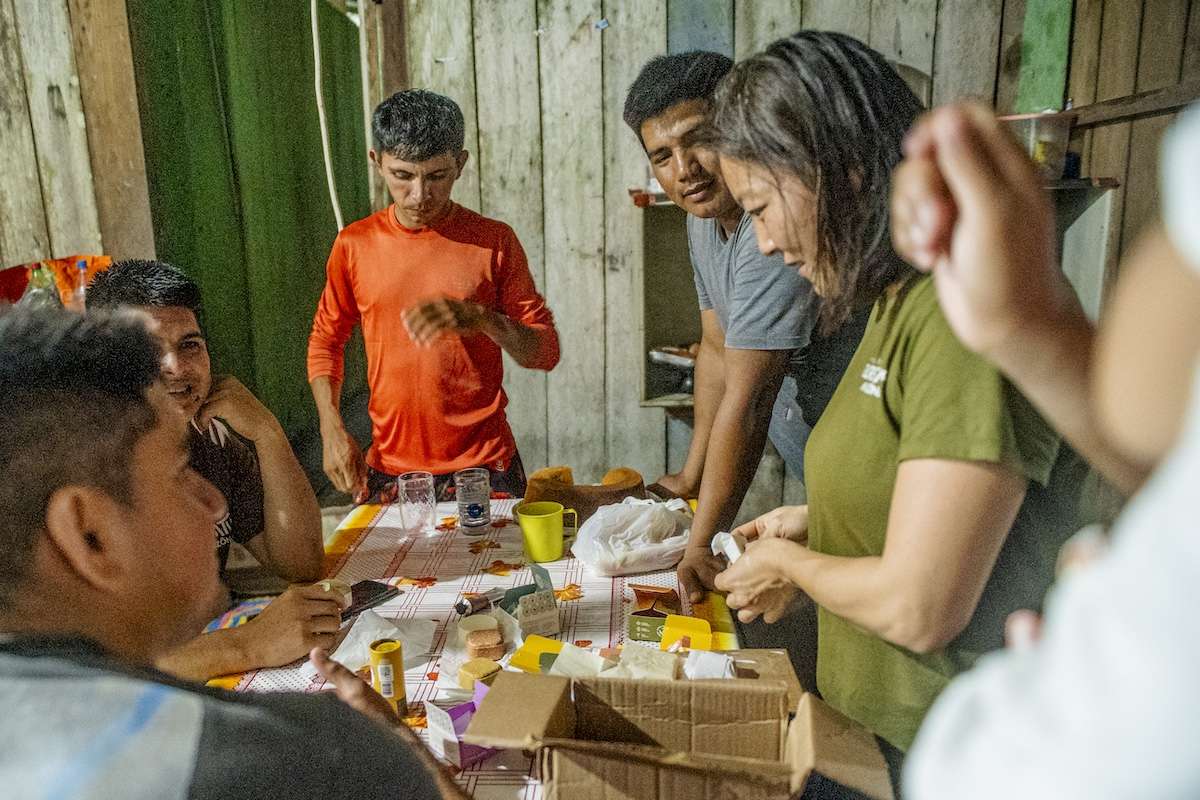
In the RDS of Uatumã, Vivian visited the communities of Boto, where the oil plant is located, and Bom Jesus do Angelim, where the group spent the night. She reinforces Louise's impression of the importance of exchange and connection: “Both I know their culture, which is different from mine, and they know what I do with the raw materials they extract with such care. How does this turn into a product. This generates greater connection, transparency, reinforcement of the partnership and appreciation of what they are doing. They realize that what they do generates value. And from my side, when I understand the context in which this raw material is extracted, their lives, the amount that is paid makes even more sense. This all reinforces that we are on the right path.”

Vivian took the MOMA products that have white rosin in their composition for the communities to learn about, and highlights that the reception was very good. Although he also took other products that do not have the resin in their composition, he noticed that the interest was much greater in those that included it as an ingredient. “It’s really beautiful to see how they connect with this raw material. It is truly something that they love and value, I could see a very genuine joy. And it was important to realize, through the testimony of Wanderley Cruz (manager of the Uatumã RDS Oil Plant), that our relationship makes a difference in their lives, because it guarantees a real source of income.”

Photo: Rodrigo Duarte/courtesy MOMA

“I think talking about this production chain makes more sense when I, Vivian, experienced it, felt it firsthand. It is a very important experience and information to translate to the public that uses MOMA products the origin of the raw materials and everything that is behind each one of them”, adds Vivian.