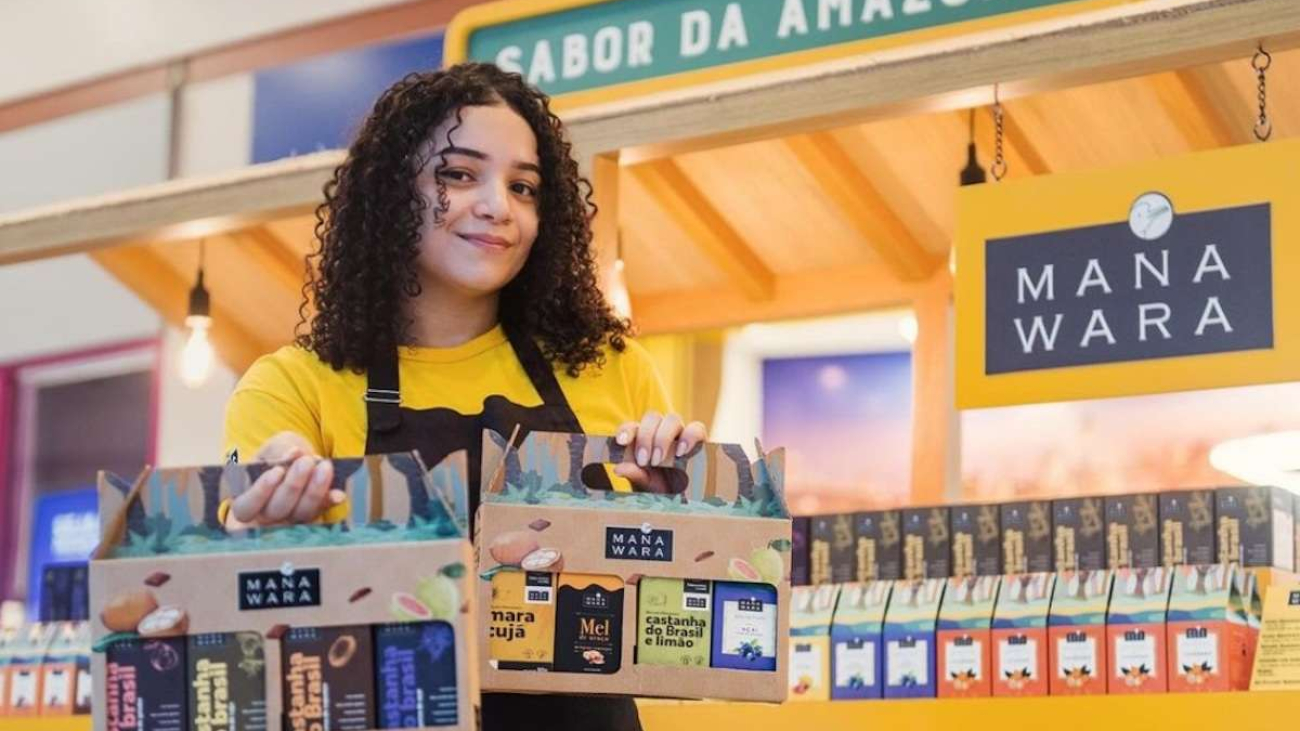
manawara em são paulo shopping parque da cidade 2

Manawara opens franchise in São Paulo

Photo: Manawara publicity

After opening its first franchise in January, in Manaus, Manawara opened its second unit in São Paulo.

The new unit is located in Shopping Parque da Cidade, in Chácara Santo Antônio, south of São Paulo. This is the second franchise in a series scheduled to open in 2024.

Two more units should be opened in São Paulo this semester. Two units are also planned for the year in Rio de Janeiro and one in Belo Horizonte. And Manawara is still in the final phase of negotiating four other units.

The move comes after the opening of a point of sale in São Paulo, in May last year, which also functioned as a business showroom to attract future franchisees.

Mércio Sena, CEO of the company, highlights that Manawara should deliver 10 franchised units this year, with the firm intention of expanding access to Amazonian flavors. Our franchise model offers more than 20 products, including fruit candies of different flavors, nuts and cookies. Foods such as açaí, guaraná, taperebá and cupuaçu are present in jujubes and other vegan products, free of gluten and lactose. And we plan to close the year 2024 with 15 new products.

The company has invested in product and packaging development over the past few years. The effort has been rewarded with important recognition. Manawara has already participated in the biggest food and beverage fairs in the world and Europe – Anuga and Sial. Through Sial, it won the Innovation Seal in 2020. And it was also awarded by the Brazil Design Awards for the packaging developed for fruit candies, also in 2020.

In its production chain, Manawara seeks to value producers from the Amazon region. The guaraná used comes from Maués, the nuts come from Assoab (Association of Farmers of Beruri), which operates in Resex Mamirauá. The starch in the cookies comes from Iranduba, the honey from Boa Vista do Ramos, the coconut flour from producers in Acre.

20231019-AMAZ-OFICINA-PREACELERACAO@RODRIGODUARTE--10

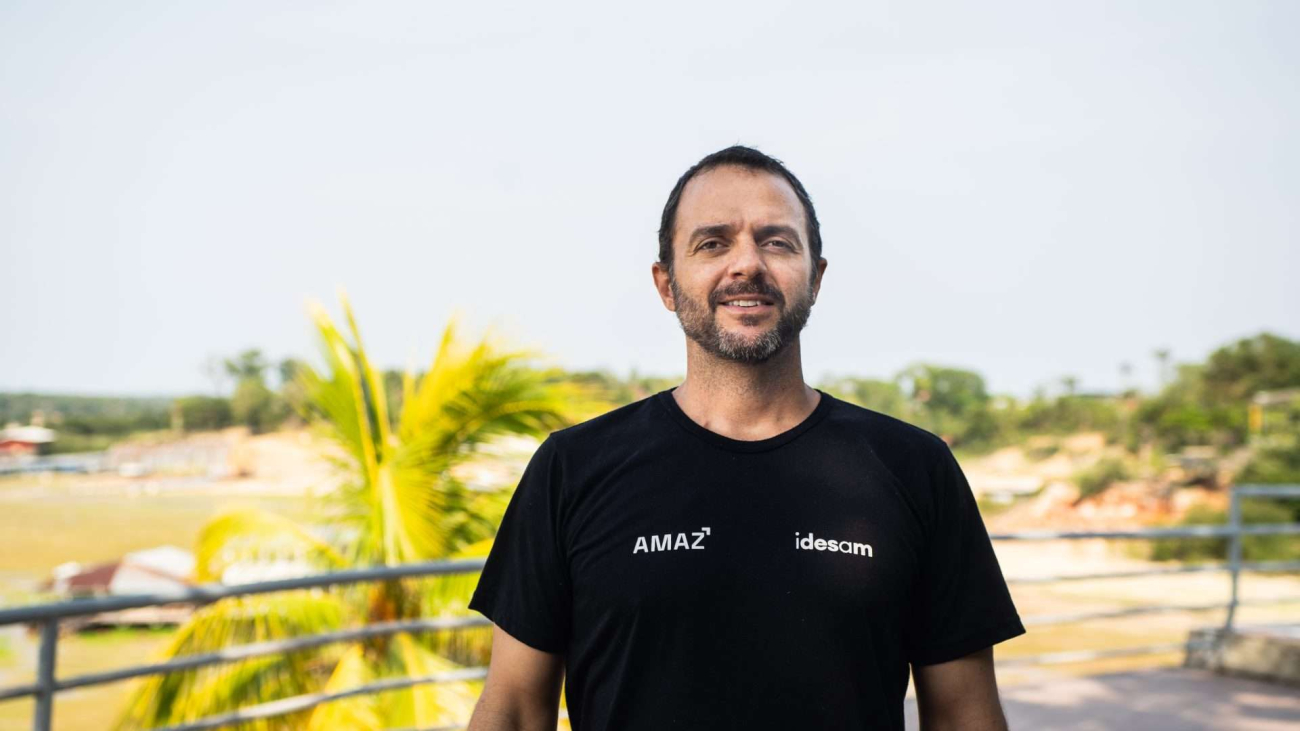
Mariano Cenamo is Ashoka's new social entrepreneur

In February, the director of new business at Idesam and founder of AMAZ, Mariano Cenamo, joined the team of social entrepreneurs at Ashoka, the largest global network of social entrepreneurs.

Over 20 years in the Amazon, Cenamo has acted as a driver of a new economy, contributing to the construction of an impactful business ecosystem and reimagining the financing of this construction.

“Cenamo’s creativity and experiences inform and energize Ashoka’s vast network of 1,800 social entrepreneurs who are working for systemic change in the environmental area. We believe that each person and organization that joins our community strengthens the trust and impact of others,” says Andrea Margit, vice president of Ashoka in Latin America.

In 10 years, Mariano foresees the emergence of a significant number of locally developed businesses in the Amazon, creating a center of innovation in the region that will attract international attention from investors and open up new entrepreneurial opportunities in the forest.

Idesam's goal is to invest at least R$ 100 million in the Amazon bioeconomy over the next few years. This will require at least 100 market agents, including client companies and partners; support or development of 90 sustainable value chains; and support for more than 220 businesses, social organizations and solutions.

For Cenamo, the construction of an Amazonian bioeconomy will only be achieved with collaboration between various actors, based on the formation of networks of people, organizations, entrepreneurs, investors and financiers who have complementary capabilities and skills. “In the Ashoka community, I hope to exchange experiences and build collaborations with other social entrepreneurs. Let’s liven up this dream together,” he says.

WhatsApp Image 2024-01-23 at 11.00.28 (1)

Manawara, an AMAZ portfolio company, opens a franchise in Manaus

Shopping Manauara receives the company's first franchise, which plans to open another three in the first half of the year

Photo: Manawara Disclosure

Manaus – Manawara, a company that integrates the impact accelerator AMAZ portfolio, opened its first franchise last weekend (20 and 21/01). Located at Shopping Manauara, in Adrianópolis, central-south area of Manaus, this will be the first of several that should be delivered this year.

The company, located in Iranduba, Amazonas, arose from a passion for gummy bears and the Amazon. It offers 22 product options, including fruit candies of different flavors, nuts and cookies. Foods such as açaí, guaraná, taperebá and cupuaçu are present in jujubes and other vegan products, free of gluten and lactose. And it plans to close the year 2024 with 15 new products. 

In its production chain, Manawara seeks to value producers from the Amazon region. The guaraná used comes from Maués, the nuts come from Assoab (Association of Farmers of Beruri), which operates in Resex Mamirauá. The starch in the cookies comes from Iranduba, the honey from Boa Vista do Ramos, the coconut flour from producers in Acre.

“For us, who are located in Amazonas, it is very significant to have a franchise here, in Manaus. Being able to take our partners – like Mr. José Tomaz, from a riverside community in Iranduba, who is our jambu supplier – to visit our point of sale, show, in concrete terms, how the raw materials they provide us are used and where the products are sold, there is no price”, defines Mércio Sena, CEO of Manawara.

The CEO of AMAZ accelerator and director of new business at Idesam, Mariano Cenamo, highlights: “It is a great pleasure to see the opening of Manawara's first unit in Manaus, at Shopping Manauara. It is a company that we believe has enormous potential to bring the face of the Amazon to Brazil and the world, but it is super important to present first-hand the products that come from Amazonian biodiversity to be valued by the Amazonians themselves. This is the first of several franchises that will be opened in Brazil during 2024.”

The company's products were already found in some points of sale in Manaus, but now they are sold at their own point, where it is possible to have access to the wide range of products offered. 

Growth

According to Mércio, in the first half of the year, three new franchises should be opened in the city of São Paulo. Two units are also planned for this year in Rio de Janeiro and one in Belo Horizonte. And Manawara is already in the final stages of negotiating four other franchised units. 

“Our intention is to promote immersion in the world of colors and flavors of the Amazon. May everyone have the possibility of imagining their Amazon through the products we offer. Inside each candy, in each box, there is a lot of care for nature and the people who live in the forest”, highlights the CEO of Manawara.

According to him, the point of sale opened in São Paulo in May last year, which also works as show room to attract future franchisees, it has increased its sales by around 10% since the beginning of its operation.

The company has invested in product and packaging development over the last few years.

The effort has been awarded with important recognitions. The company has participated in the largest food and beverage fairs in the world and Europe – Anuga and Sial. For Sial, it won the Seal of Innovation in 2020. And it was also awarded by the Brazil Design Awards with the packaging developed for fruit candies, also in 2020.

Manawara is in negotiations to enter the North American market. Its products have also aroused interest in the Chinese market: JD, an e-commerce giant, the Chinese Department of Commerce and a supermarket chain in Beijing with foreign clientele have shown interest in opening negotiations.

Captura de Tela 2024-01-31 às 08.55.27

Tucum signs contract with the city of Rio to occupy a mansion in the historic center

Photo: Tucum Disclosure

Casa Tucum already has an address to call its own: Rua do Rosário nº 30. 

The company signed a contract with the City of Rio de Janeiro to occupy a mansion in the historic center of the city. And it is expected to start operating this quarter.

Casa represents Tucum's physical return to the capital of Rio de Janeiro, where the business managed its own store between 2013 and 2019.

To make the space viable, Tucum participated in a selection process of the Rio de Janeiro City Hall's Reviver Centro Cultural Incentive Program, which selected projects to occupy 27 empty stores in the city center, in the quadrangle formed by Avenidas Presidente Vargas, Rio Branco and First of March; along Rua da Assembleia and along a stretch of Orla Conde.

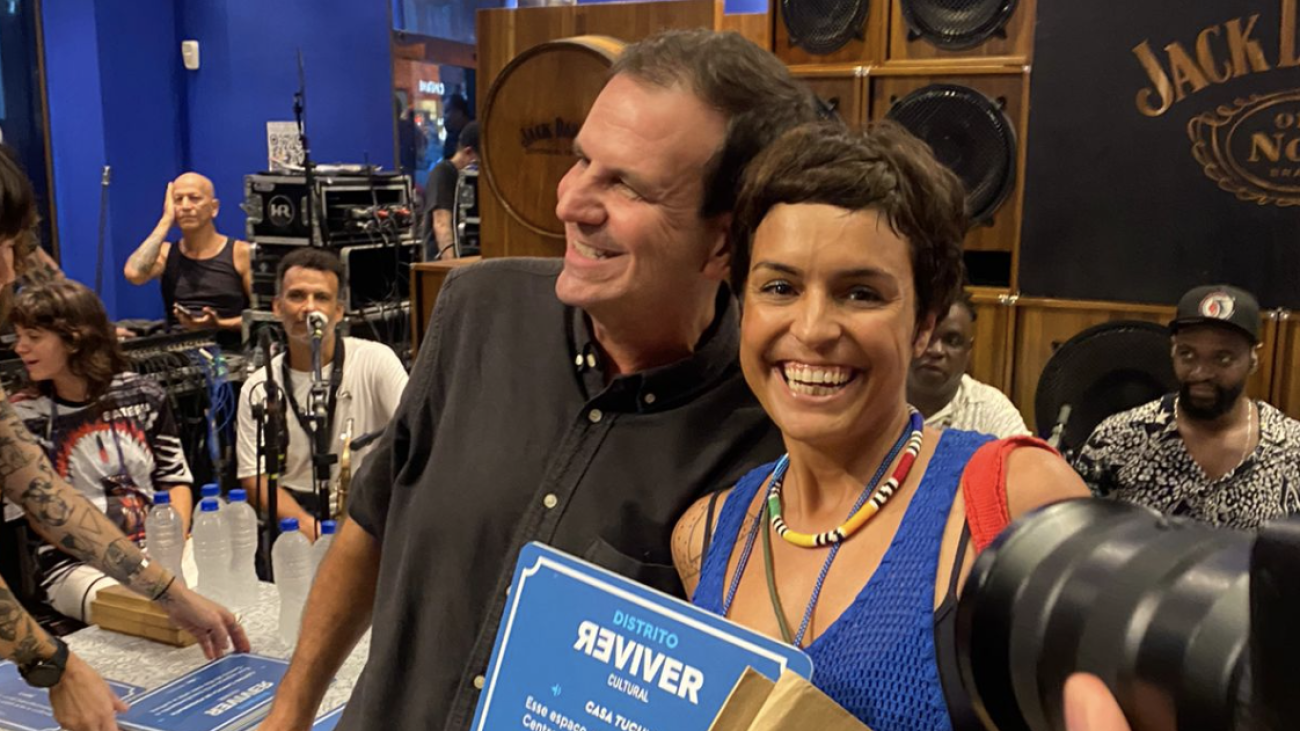
The signing ceremony took place on January 30th, in the city center of Rio de Janeiro, and was attended by Mayor Eduardo Paes and other representatives from the city hall and the companies selected to sign the Program's first contracts. 

“Casa Tucum will be a space for people to get closer to the reality and culture of our partners”, highlights Amanda Santana. “It will be a space to reaffirm the arts and indigenous peoples of Brazil.”

The purpose of the space is to sell indigenous art and crafts, but also to be a gallery for exhibiting resident artists and those from the collection, a film club and offering other cultural programs.

DJI_0426

Academia Amazônia Ensina organizes expedition with Harvard University

Photo: ACAE Disclosure

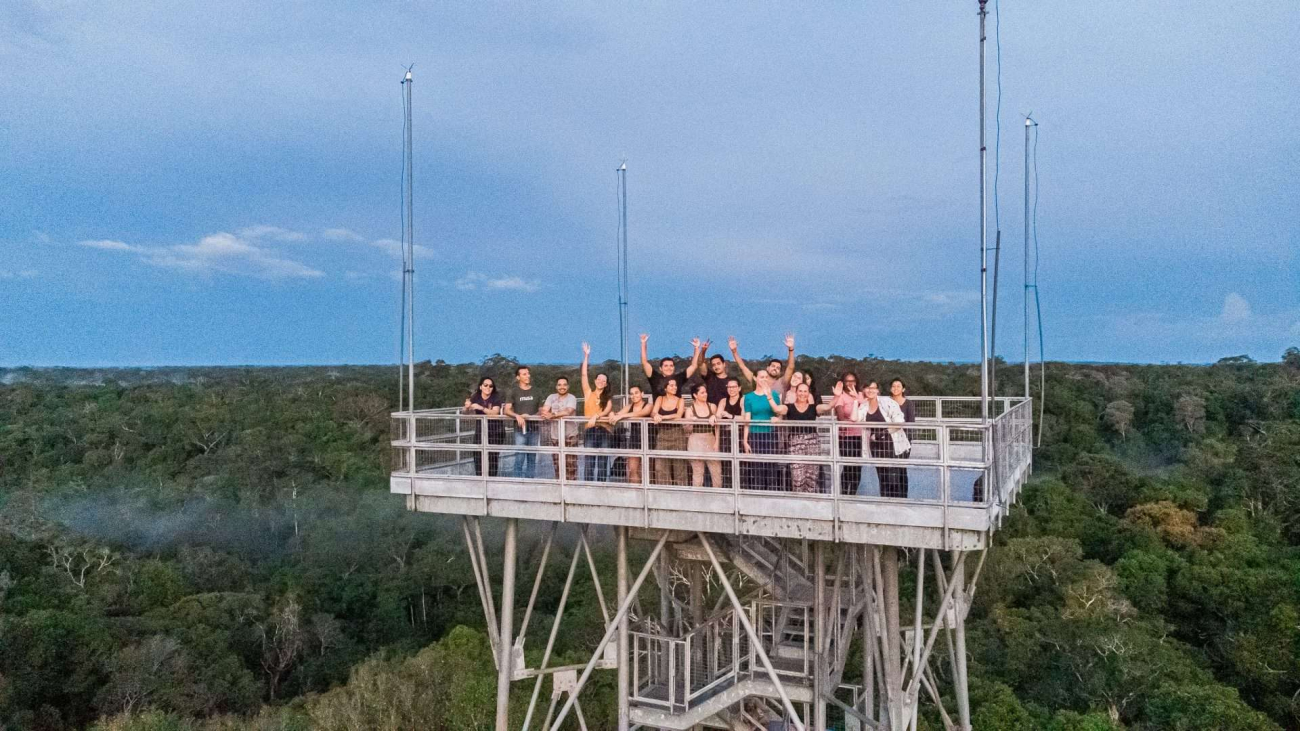
In August, students from Harvard University will be in the Amazon in an immersion organized by Academia Amazônia Ensina (ACAE). 

THE Harvard Amazon Rainforest Immersion is an extracurricular field program that involves students, teachers and researchers from Harvard and the Amazon. The program's content revolves around local themes linked to climate and sustainable development. 

The immersion will bring an intensive and interdisciplinary introduction to the ecosystems, societies and economies of the Amazon, exploring the complexities and local challenges of sustainable development.

Participants will have contact with fundamental scientific concepts to understand the functioning of the forest ecosystem and its importance for the planet; interconnections between deforestation, illegal extractive activities, loss of biodiversity, health, human capital and inequalities; local cultures; climate policy; local research, innovations and success stories. 

Lectures, debates, visits to different places, interactions with experts, traditional communities and other students will be part of the 12 days of immersion. Participants must develop a report with learnings and ideas for projects related to the Amazon. 

In addition to Harvard students, students or researchers residing in Amazon countries will also participate in the expedition.

“We were approached by Harvard, based on a recommendation from Idesam, and we were very happy, because there is a lot of synergy between what Academia Amazônia Ensina promotes and their expectations. We will pass through Manaus, the Uatumã Reserve and Presidente Figueiredo. We are very excited and in the preparatory process for the immersion”, analyzes Maria Eugenia Rocha Tezza, executive director of ACAE.

The Harvard Immersion in the Amazon Rainforest is offered by the David Rockefeller Center for Latin American Studies Brazil Office and the Salata Institute for Climate and Sustainability, in collaboration with Academia Amazônia Ensina, Universidade do Estado do Amazonas (UEA) and Idesam. 

“We are sure that the sustainable production experiences offered by Idesam together with Amazon communities for the Harvard group and Academia Amazônia Ensina will allow for a different reflection on how to think about development for the Amazon. The union of these entities – a renowned research institute like Harvard, ACAE with its education in the field, reflective and instigating solutions, and the techniques developed at Idesam, in the field, together with community experience – is a very promising to see new solutions for sustainable and inclusive development in the Amazon forest”, analyzes Carlos Koury, director of innovation in bioeconomy at Idesam.

ACAE promotes four expeditions in 2024

With one expedition underway until the beginning of February, ACAE will promote three more expeditions throughout 2024, including the immersion with Harvard.

In the first expedition of the year, 23 people with very varied profiles are on board, including students and executives from institutions such as Amazon, Basf and Sebrae Nacional.

“These are people who think outside the box, or who try to think outside the box. We also have journalists, designers, administrators, engineers, audiovisual professionals and technology specialists on this expedition”, says Maria Eugênia. 

Among the year's expeditions, in May ACAE promotes an immersion with the Saint Paul Escola de Negócios de São Paulo, aimed at discovering the Amazon with an ESG perspective, and in June repeats partnership with Aberje (Brazilian Business Communication Association) in a new expedition. 

“We are very happy with the path ACAE has taken. We realize the importance of being in these different environments for dialogue to take place. I feel that Academia Amazônia Ensina is doing its role, which has always been proposed, which is to prepare people for the economic, social and ecological challenges of the 21st century. And we are very excited about this opening, especially with the B2B and corporate public, for understand the Amazon in this contextualized way”, he highlights.

Foto Tucum - divulgação

Tucum will have a store and cultural spot in the center of Rio de Janeiro

Photo: Tucum/disclosure

A meeting point with indigenous culture in its various manifestations. This is what Casa Tucum promises from next year in the historic center of the city of Rio de Janeiro.

Casa represents Tucum's physical return to the capital of Rio de Janeiro, where the business managed its own store between 2013 and 2019.

To make the project viable, Tucum participated in a selection process of the Rio de Janeiro City Hall's Reviver Centro Cultural Incentive Program, which selected projects to occupy 27 empty stores in the city center, in the quadrangle formed by Avenidas Presidente Vargas, Rio Branco and First of March; along Rua da Assembleia and along a stretch of Orla Conde.

The City Council has already selected the developers and now defines with each one the property that best suits each use. Renovation and rent assistance will be provided.

“We were already looking for a place in Rio to return to the store. Customers ask, everyone wanted that space back. We prepared this return carefully because we didn't want to return just as a store, but rather giving space to all the proportions that Tucum has today, to the importance of the work we do. This new space will sell indigenous crafts and art products, but will also offer a gallery for the exhibition of resident artists and our collection, a film club and other cultural programs”, defines Amanda Santana, founding partner and creative director of Tucum.

The requirements for occupying the spaces included cultural activities, something that was already considered by Amanda in the Tucum project. And the subsidy from the City Hall was also a great motivation for the return of the physical store to the capital of Rio de Janeiro.

“Casa Tucum will be a space for people to get closer to the reality and culture of our partners. We will expand these possibilities and we will also have a call for the Indigenous Entrepreneurship Laboratory, which will operate within the House in 2024”, adds Amanda.

Casa Tucum is expected to start operating in the first half of next year.

Supershake da Floresta Amazônica_Crédito Felipe Morozini (1)

Mazô Maná launches Amazonian shake

Photo: Mazô Maná

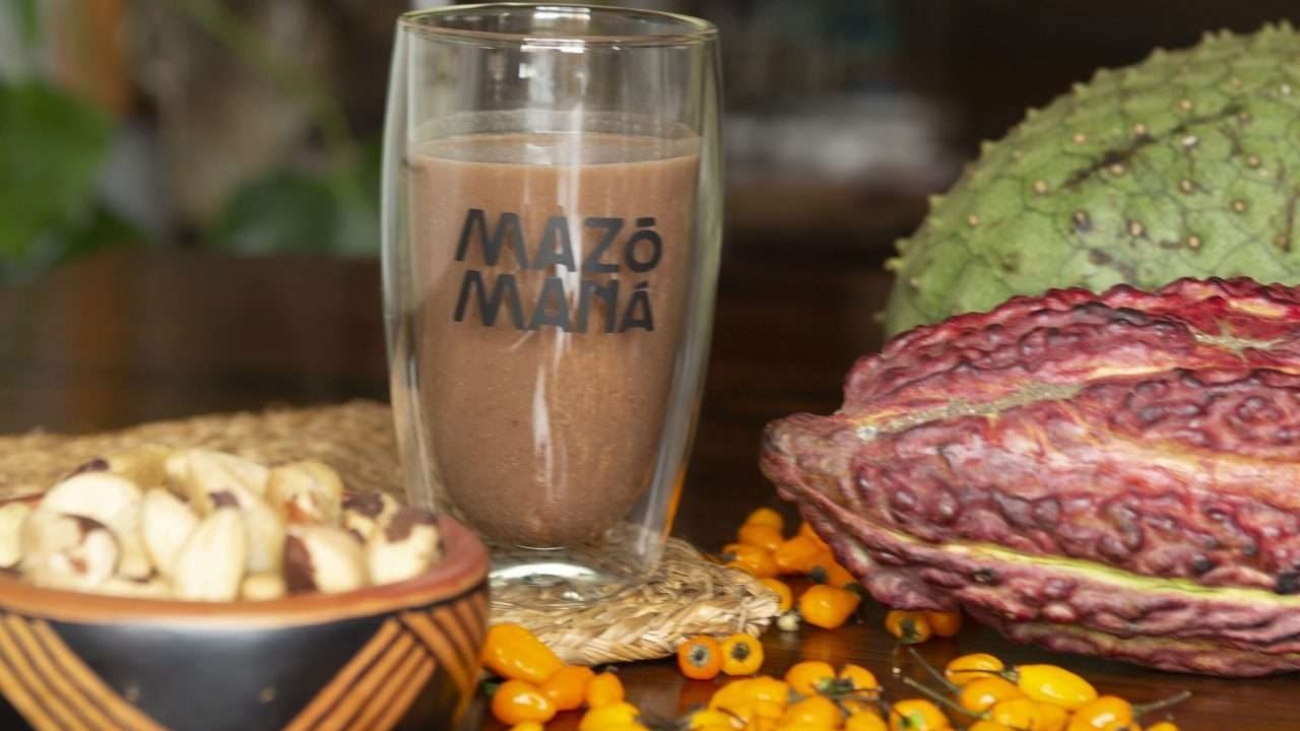
Mazô Maná closes the year 2023 by launching its first product on the market: an Amazonian shake that mixes açaí, babassu, cocoa, cajá, camu-camu, Brazil nuts, mushrooms, cumaru, cupuaçu, soursop, murici, cumari pepper and peach palm.

The product has already been approved by two famous chefs, who are part of the board of Mazô Maná: Bela Gil and Alex Atala. And it is for sale on the company's ecommerce website and also on Mercado Livre.

Innovation in relation to similar products, highlights Marcelo Salazar, creator of Mazô Maná and co-CEO, has an impact on associations of traditional peoples that the company seeks with its model. 

In addition to purchasing ingredients, the company is looking for PSSA (Payment for Socio-Environmental Services) projects for the territories where it operates, and has left it separate in the company's 10% captable for traditional peoples, through partnerships to be contracted with legal instruments that they protect communities and do so calmly so that they understand the arrangement and are comfortable with the model. 

The modeling receives direct assistance from SBSA, a law firm specialized in impact business, as part of its Fair Contracts project. 

The intention is to bring an additional benefit to these communities, opening opportunities for alternative partnership models that can generate additional resources and learning in the medium term. To advance on this front, the startup continues in conversations with some groups in the Terra do Meio region, the birthplace where it was born. 

Mazô Maná intends for the shake and other food products developed to be one of the various sources of revenue. The startup has provided consultancy and developed partnerships with companies and NGOs in the Amazon, as developers of Environmental Services and Carbon projects and seeks ways for these projects to be carried out in the communities' time, with the due process of information and consultation, with fair contracts and involving partners in these communities. 

Marcelo Salazar was at COP-28 in Dubai, participating in several agendas involving the carbon market, PSSA and food systems, including articulations towards COP-30, which will take place in Belém-PA.

AMAZ held a workshop with the startup in Altamira

In May this year, AMAZ, together with Mazô Maná and Simbiótica Finance, held a workshop in Altamira as part of the 2023 acceleration journey.

Two fronts were the focus of this meeting: the beginning of an articulation to build an alternative methodology and other paths for PSSA not limited to carbon, but taking into account the integral protection of the territory by original, riverside and quilombola peoples; and Mazô Maná's strategy in the relationship with community suppliers, such as the one being developed with Rede de Cantinas da Terra do Meio, defined based on fair trade with the search for additional resources based on the entire appreciation of the community's way of life .

Mazô Maná's business modeling was the catalyst for holding the workshop, which also brought together other partners such as iCS (Instituto Clima e Sociedade), SBSA (Szazi, Bechara, Storto, Reicher and Figueiredo Lopes Advogados), Bia Saldanha, Esteban Walther (adviser and investor of Mazô) and Idesam (Institute for Conservation and Sustainable Development of the Amazon).

The group visited the headquarters of Mazô Maná and participated in an expedition, organized in partnership with the startup, which included a visit to the business headquarters in Altamira, the warehouse of the Terra do Meio Resex Associations and also one of the partner communities of the Iriri River Resex. Some of the ingredients in Mazô Maná's first product come from the region, and expedition participants were able to discover in loco one of the product processing units and taste first-hand the super shake from Mazô Maná forests.

20231017-AMAZ-OFICINA-PREACELERACAO@RODRIGODUARTE (73)

Six startups finalists from Call 2023 participate in AMAZ pitch day

Photo: Business pre-acceleration 2023/Rodrigo Duarte

On December 14th, six finalist startups from AMAZ's 2023 Business Call participated in a pitch day with investors from the accelerator.

The pitch session was virtual, and included the participation of entrepreneurs from Atlas Florestal, Zeno Nativo, BioAmazon, Coordenada Rural, Moma and Amaz Project.

The final stage of the 2023 Call selection journey provided an opportunity for the finalist businesses to exercise their pitches and demonstrate the type of investment they are seeking and how it will be applied, if selected to join the AMAZ portfolio.

During the pre-acceleration, held in October this year, entrepreneurs had the opportunity to present their pitches collectively, receiving important feedback from each other, and also from the AMAZ team. The instrument received input from Model C, which was the subject of work during the group's face-to-face meeting.

“Business pitches, in general, have evolved a lot since pre-acceleration, when we worked with them on the Model C and also on their presentations. Since then, we have been connected with them to help refine the pitches, and the result we saw on the 14th demonstrated maturity in the presentations, a reflection of the work with the Model C and also the advice from our team”, defines Rafael Moreira Ribeiro, who coordinates the selection and acceleration processes at AMAZ/Idesam.

Businesses selected for investment and acceleration will be announced in early 2024.

Manioca divulgacao

Manioca is the first foodtech invested by Ajinomoto outside Japan

Photo: Manioca/Disclosure

In November this year, Manioca, a company in the AMAZ portfolio, and Ajinomoto do Brasil, a reference in the production of amino acids and owner of important brands such as SAZÓN®, MID® and VONO®, announced a partnership focused on increasing production and Development of new products.

The investment is the first made by the company outside Japan and was made through Ajinolab, Ajinomoto's open innovation hub, which, with the aim of diversifying its portfolio, sought foodtechs who are innovating based on biodiversity, generating positive social and environmental impacts.

The president of Ajinomoto do Brasil, Shigeo Nakamura, highlights that the investment was determined by the company's commitment to expanding its line of healthy products, seeking to meet growing market demands. “Manioca’s mission, aligned with the appreciation of Amazonian biodiversity, based on eating well and doing good, resonates with Ajinomoto’s values and principles”, says the CEO.

The co-founders of Manioca, Joanna Martins and Paulo Reis, hope that the case will inspire other large companies to approach the region, considering it not only as a place of incredible raw materials, but with an interest in the brands that already operate in the Amazon, opening up space and recognizing the value of entrepreneurs in the region.

Founded in 2014, Manioca aims to popularize the flavors of Amazonian cuisine. It began its journey with family investment, and years later, after being accelerated by AMAZ, it received two rounds of investment from the accelerator. Some time later, the company also received funding from the Amazon Biodiversity Fund (ABF).

“AMAZ connected us with ABF, and this step was very important because it prepared us for the financial issue, growth projection, long-term vision. Generally, the larger the resource, the greater the investor's demands”, says Joanna.

For AMAZ, Manioca's first investor, the approach with Ajinomoto is a good sign for the Amazon impact ecosystem.

“We are very happy to see a large company, like Ajinomoto, investing and believing in a local business like Manioca. This is what we have been working towards in recent years, and this is a very strong sign of how much the Amazon impact business ecosystem has been growing and taking on relevance. It is important for the region that this type of movement happens, after all, it is businesses like Manioca that will help build a new economy for the Amazon”, analyzes Mariano Cenamo, CEO of AMAZ and director of new businesses at Idesam.

Deivyson Fernandes - flickr

AMAZ integrates proposal selected in the Collaborative Impulse Call

Photo: Deivyson Fernandes/Flickr

The Coalition for Impact announced those selected by Collaborative Impulse Call, which promotes learning and knowledge exchange between organizations that operate in different Coalition cities: Belém, Brasília, Campinas, Fortaleza, Paranaguá and Porto Alegre.

The intention is to inspire collaborations and social innovations that expand the potential of initiatives. In total, five projects were selected, based on the following selection criteria, in addition to alignment with the Coalition for Impact's agenda: relevance of collaboration, focus on expanding local references and efficient use of available resources.

AMAZ, together with the Amazon Entrepreneurship Center, Planet Coworking and the Challenge Experience Program, are part of the “Caatinga Bioeconomy” proposal, whose objective is to boost and structure the impact business ecosystem in the region and promote the restoration of the biome.

The Amazon will be used as an inspiring example in this construction focused on the bioeconomy, through the experiences of the Amazon Entrepreneurship Center and AMAZ, as a benchmark of good practices that will contribute to accelerating the development of the ecosystem and fostering collaboration, with a local network of cooperation in favor of the Caatinga bioeconomy.

The activities will be developed in the first half of 2023, and include rounds of lectures, workshops with facilitators and a hackathon.