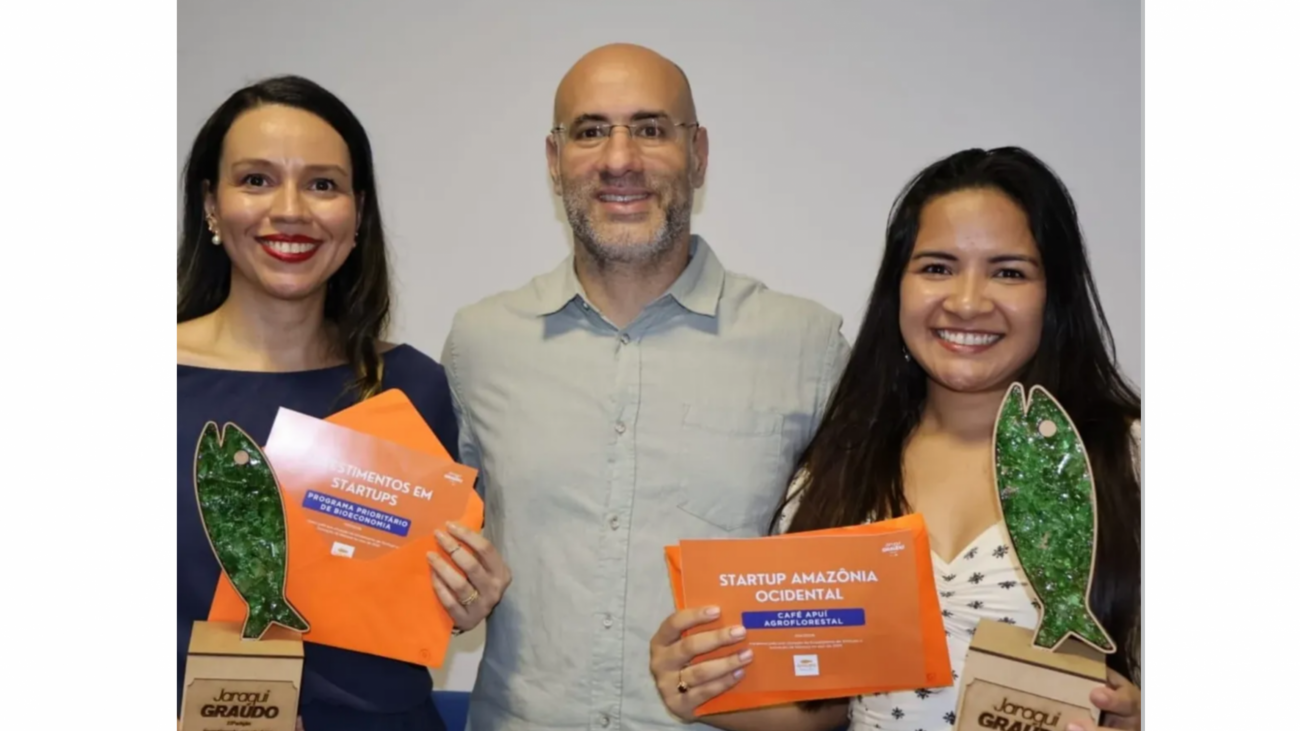
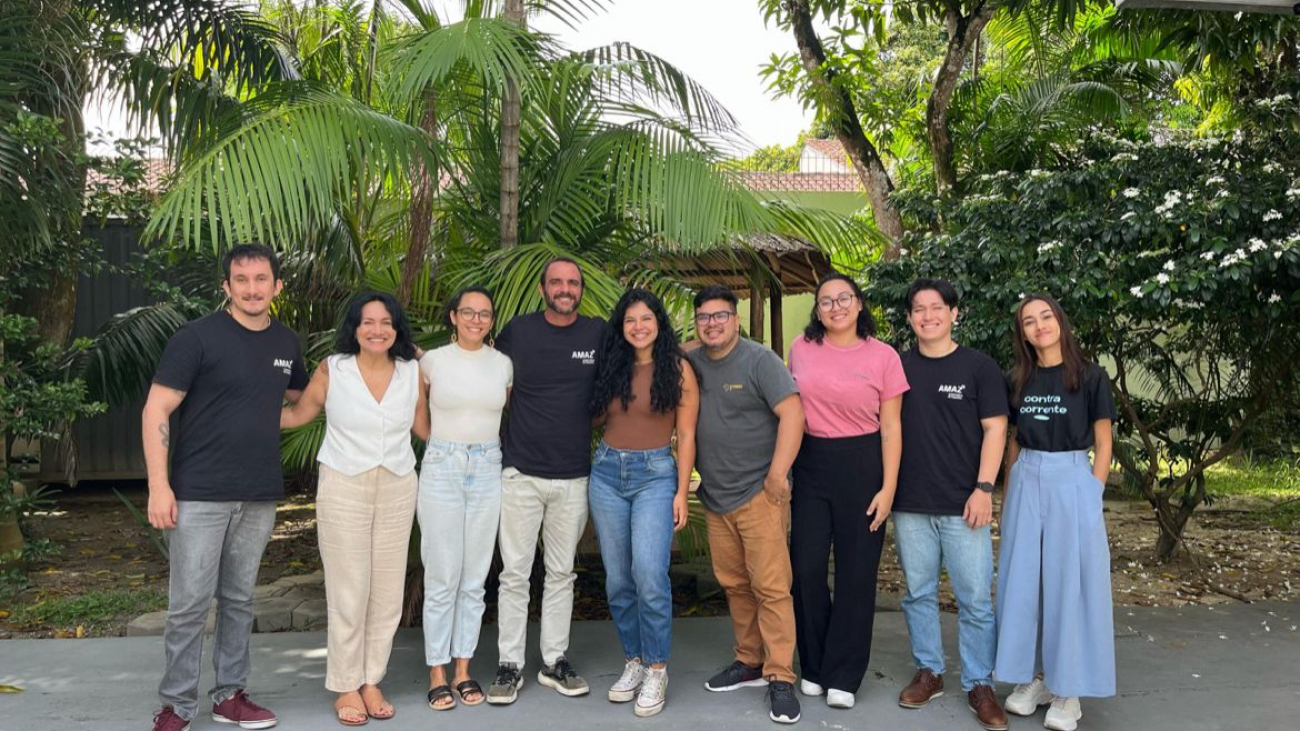
Idesam ends 2025 having won two awards at the 10th edition of Large Jaraqui, one of the main awards in the Amazon startup ecosystem. The ceremony was held this Tuesday (9), at the Amazon Biobusiness Center. The recognition is granted annually by the Jaraqui Valley community, which brings together entrepreneurs and initiatives focused on innovation and creating connections between businesses in the region. This year, the award had 19 categories.
In this edition, the Priority Bioeconomy Program (PPBio), from Suframa and coordinated by Idesam, was awarded in the Startup Investments category, while Amazônia Agroflorestal, a spin-off of Idesam, won in the Legal Amazon and Amapá Startup category.
In addition to the awards, Amaz Aceleradora in the "Accelerator" category and Idesam in the "Innovation Institute" category were among the top three organizations, reinforcing Idesam's relevance in different stages and links of the entrepreneurship and innovation environment in Amazonas.
The award recognizes projects, institutions, and leaders who contribute to the development of Manaus' innovation ecosystem. The final evaluation is carried out by an independent jury composed of representatives from the innovation community.
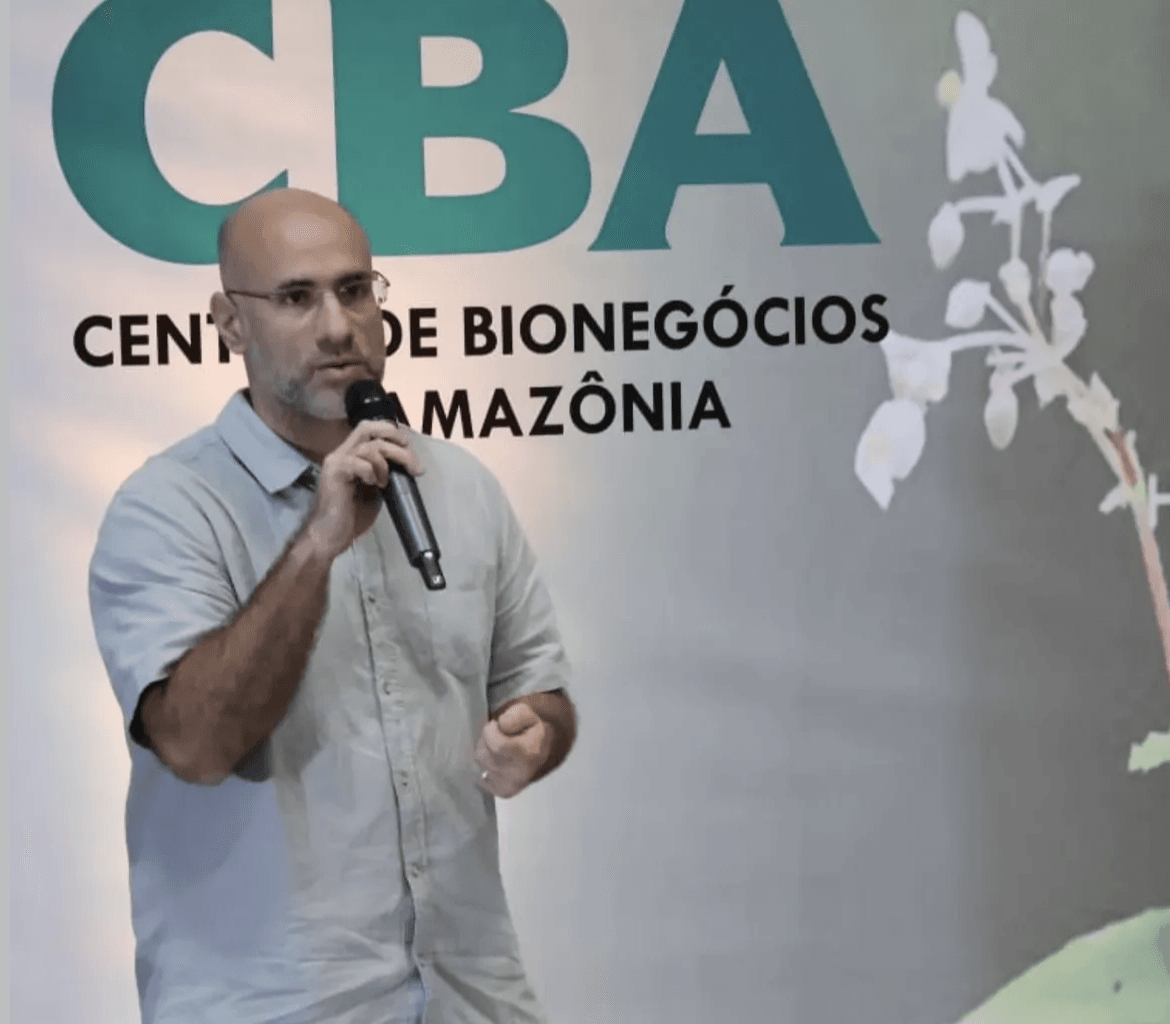
Idesam's technical director, André Vianna, celebrated the recognition from the ecosystem and highlighted the institute's work across various aspects of the innovation ecosystem. "This is a very special award because it comes from the community itself. It's recognition of the work we've been doing and shows the diversity of Idesam's activities in the different links of the innovation ecosystem.".
André Vianna, technical director of Idesam
Representing the Agroforestry Amazon, Nayara Diniz also highlighted the importance of this year's achievement. “It is an honor to receive this award. It represents recognition of the work of the partner producers in Apuí, the technicians in the field, and the entire commercial team that takes Apuí Coffee from Amazonas to the world. This year, we had the opportunity to stand out among the 15 best robusta coffees in Brazil, and this is the result of collective work, done with dedication and respect for the Amazon.”.
PPBio leader Karol Barbosa highlighted the role of partnerships in achieving the results. “The Jaraqui Valley award is a celebration of innovation, so the Priority Bioeconomy Program has been working for the past six years together with wonderful partners who help us, and we don't do anything alone.”.
The 10th edition of Jaraqui Graúdo was supported by Platinum Sponsor Idesam; Gold Sponsors Amaz, PPBio and F7Live; Bronze Sponsors Osten Digital, Residuum and Almaden; and Startup Sponsors Grupo Navegam, Rosh, Faço a Conta and Apoena Produtos do Amazonas, who contributed to the award ceremony and to strengthening the Amazonian innovation ecosystem.
The Brazilian cosmetics market continues its strong expansion and shows no signs of slowing down. Projections indicate the sector will reach US$23 billion in revenue by 2025, maintaining an average annual growth of 4.55% until 2030. Today, Brazil holds the position of the third largest beauty market in the world.
In this scenario dominated by big brands, companies like MOMA They are gaining ground by focusing on offerings aligned with the new demands of the public. Natural ingredients, transparency in the production chain, recyclable or biodegradable packaging, and formulas free of microplastics and petrolatum are decisive factors for a growing segment of consumers concerned with more sustainable and ethical choices.
The brand, founded by pharmacist Vivan Chun, combines research focused on performance, Amazonian biodiversity, and socio-environmental impact to create products that connect self-care, science, and the forest.
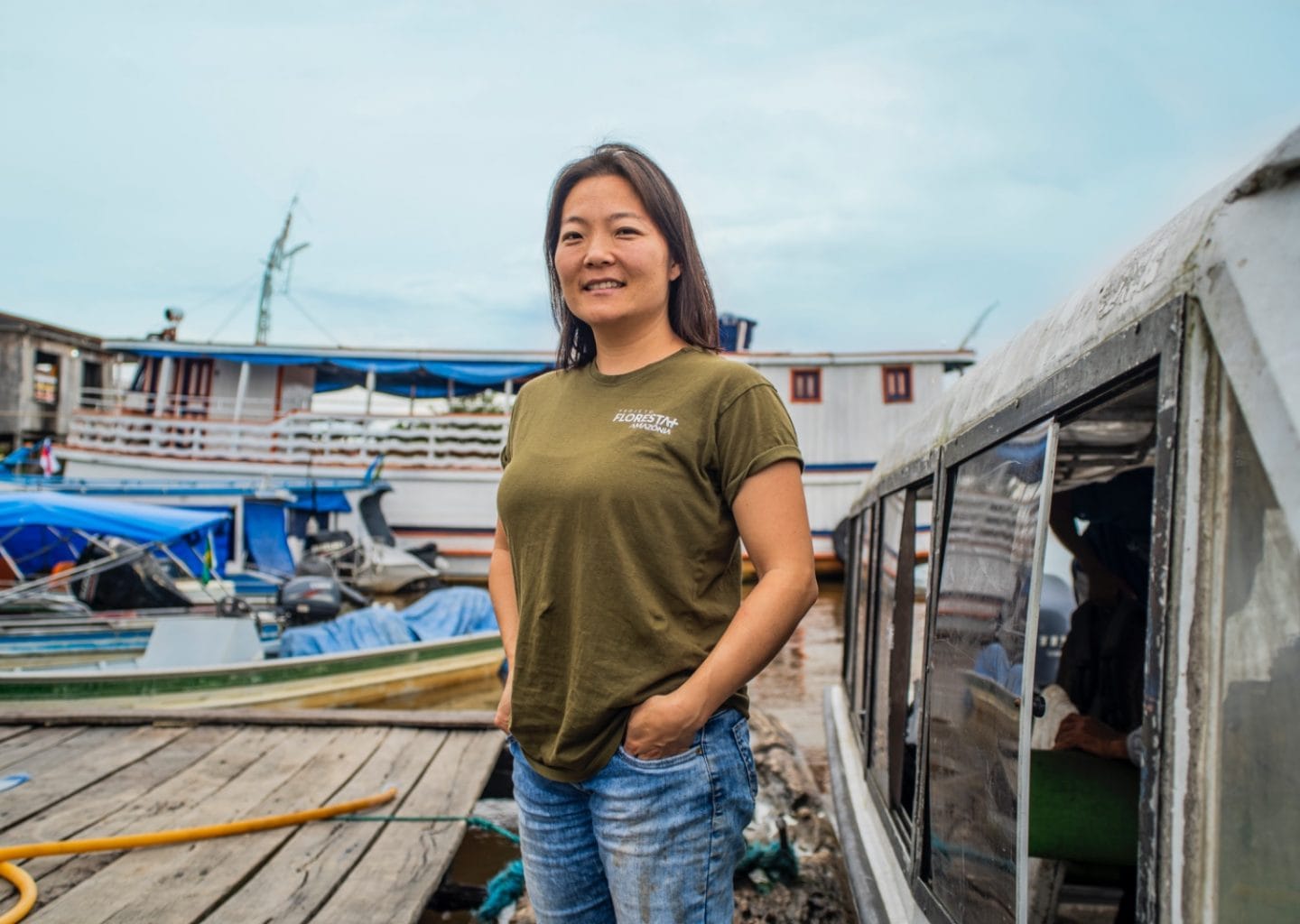
“I had been developing cosmetics as a hobby since 2012, but I still didn’t see myself as an entrepreneur. That only changed when I started working with regenerative agriculture and agroforestry. It was there that I understood that the rural farmer is, in essence, a great entrepreneur,” she said.
Vivian Chun, co-founder of MoMA (Disclosure/MoMA)
The turning point came after the pandemic, when Vivian saw the possibility of connecting her knowledge in formulation with production chains in the Amazon. "I realized I could unite purpose and impact: using the cosmetics I already created, now adding communities and generating transformation at the grassroots level," said the businesswoman.
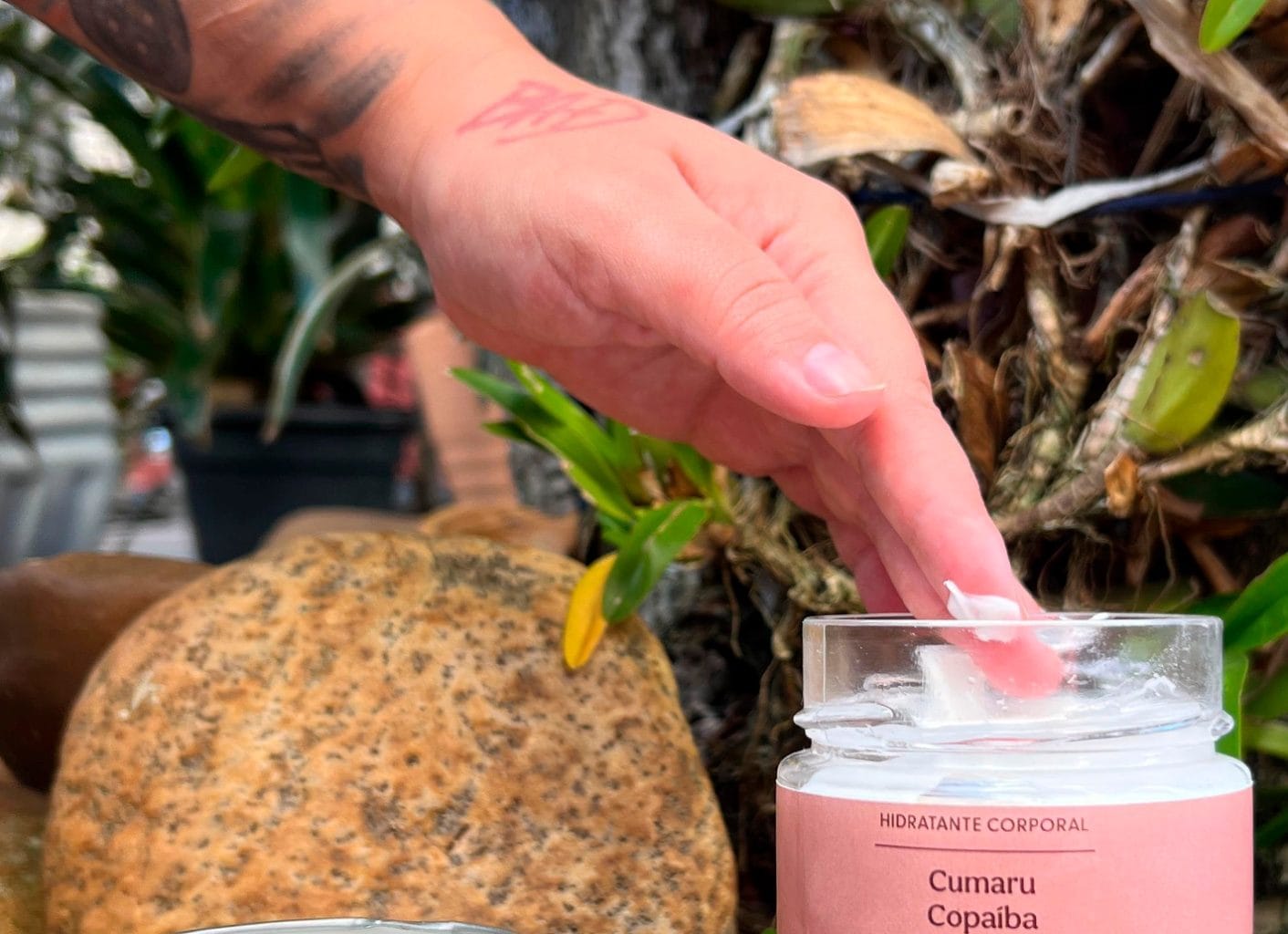
Today, MOMA works directly with inputs produced by indigenous communities, riverside communities, and family farmers, in networks such as Inatú Amazônia, which supplies the copaiba oil used in the moisturizer's formulation. Co-founder of the brand, Marisa Taniguchi, emphasizes that the collaboration goes beyond the commercial aspect and contributes to strengthening the entire production chain in the region.
“The partnership with MOMA strengthens our network because it increases the visibility of our products. This type of collaboration generates new market opportunities, opens doors for strategic connections, and values the work of extractive communities. When initiatives like this are combined with local efforts, we strengthen socio-biodiversity and show that it is possible to develop the Amazon with respect, responsibility, and shared benefit,” he stated.
The product combines natural active ingredients such as Cumaru, Aloe Vera, Andiroba, and Cupuaçu Butter, offering deep hydration, rapid absorption, and a velvety touch. The formula highlights the smoothness provided by copaiba, rich in β-caryophyllene, and the natural aroma of cumaru, with subtly vanilla notes.
Beyond its connection to the forest, the brand continuously invests in research and development. “In practice, R&D means improving formula, texture, color, aroma, and user experience; seeking out more refined and safe ingredients; investing in clinical research; and exploring new active ingredients. It's constant innovation,” explained Vivian.
Publicity/MoMA
Acceleration that drives business expansion and helps measure impact.
The brand strengthening process also gained momentum with the acceleration program led by Amaz, an impact accelerator coordinated by the Institute for Conservation and Sustainable Development of the Amazon (Idesam). MOMA had already participated in other programs such as 'Amazon at Home, Standing Forest' and 'More Forest', before being one of the companies selected in Amaz's 2023 Business Call.
The 2024 acceleration journey was structured around strategic and operational pillars, culminating in financial support and market visibility. “The program began with an intense focus on performance management and internal controls through workshops and process modeling, which we combined with efforts directed towards understanding the market and positioning the brand,” explains Rafael Ribeiro, acceleration leader at Amaz.
“During these processes, we gained maturity, connections with other entrepreneurs, visibility, and access to sales channels, such as the partnership with Mercado Livre. With the investment, we were able to launch products, improve the website, hire people, implement systems, and structure processes,” reported the brand's founder.
With a strengthened foundation, Vivian outlines the next steps for the brand: new product launches, improved packaging, and communication focused on specific skincare categories. In the socio-environmental field, we are advancing in formalizing purchase contracts with supplier communities, ensuring predictability, security, and continuous income.
“The expansion of MOMA needs to go hand in hand with valuing the forest and the people who live from it. Our commitment is to grow without losing our connection with those who make all of this possible,” he reiterated.
A pioneer in investing in and accelerating impactful businesses in the Amazon, Amaz Impact Accelerator, coordinated by the Institute for Conservation and Development of the Amazon (Idesam), is the only Brazilian initiative among the finalists of the... GAEA (Giving to Amplify Earth Action) Awards 2026, an international award from the World Economic Forum that recognizes innovative solutions to global climate challenges.
The GAEA Awards evaluates organizations from different countries and sectors that demonstrate scalable solutions to global climate challenges. The award recognizes innovative collaborations across multiple sectors (public, private, and philanthropic) that address systemic changes related to climate and nature.
In the inaugural edition, held last year, five pioneering initiatives were awarded in different categories. Among the winners are Built by Nature (BbN), a network to promote the use of sustainable wood and other natural materials in construction, reducing the sector's carbon footprint, and the Global Energy Alliance for People and Planet (GEAPP), a philanthropic union between the public and private sectors to accelerate access to clean energy and promote a just energy transition.
The award process includes nomination, selection, and final shortlisting phases. Winners don't just receive a trophy; upon being awarded, they join the GAEA community, gain visibility, connect with potential partners, and gain access to the Forum's platforms to amplify their impact.
“We are very happy to be shortlisted for the award among so many relevant initiatives worldwide. This recognition goes to all the entrepreneurs in our ecosystem who work to conserve and restore forests and improve the lives of thousands of people, making the bioeconomy a reality every day in the Amazon,” notes Mariano Cenamo, CEO of Amaz and co-founder of Idesam, the Institute for Conservation and Sustainable Development of the Amazon, which has been working in the Brazilian Amazon for over 20 years and coordinates the Amaz Impact Accelerator.
Amaz supports businesses operating in diverse areas ranging from logistics to technological and innovative solutions.
Amaz celebrated its fifth anniversary in 2025 with impressive numbers: it evaluated over 500 potential startups, accelerated 52 businesses, invested in 29 companies, and maintains 16 active companies in its portfolio.
The businesses accelerated by Amaz operate in different sectors of the Amazonian bioeconomy, such as sustainable logistics, food, fashion and indigenous art, natural cosmetics, community-based tourism, environmental regeneration, and technological and innovative solutions that have benefited 1,959 families and 45 social organizations and generated, in 2024 alone, R$ 4 million in payments to partners in the Brazilian Amazon.
The portfolio is intentionally diverse, reflecting the multiple stages of maturity and territorial profiles of the region. The accelerator operates through a blended finance model, which combines philanthropic and private resources.
The journey to creating the accelerator began in 2018 with an Idesam pilot program called Partners for the Amazon (PPA), which supported more than 30 businesses focused on the bioeconomy, sustainable production chains, and waste management. The program evolved into the current structure of the accelerator, which, through its first fund, carried out three business acceleration cycles via call for proposals and initiated direct investments.
“The great differentiator of Amaz is really being a business accelerator with many years of experience in the Amazon, due to the work developed by Idesam for over 20 years in the region. This learning has allowed us to develop processes and solutions for the impact ecosystem, from the operational aspects of the businesses to the more resilient type of investment that these types of ventures demand,” analyzes Gabriela Sousa, operations leader at Amaz.
Text: Maxi Media Communication Image: Daniela Tipiti/Amaz
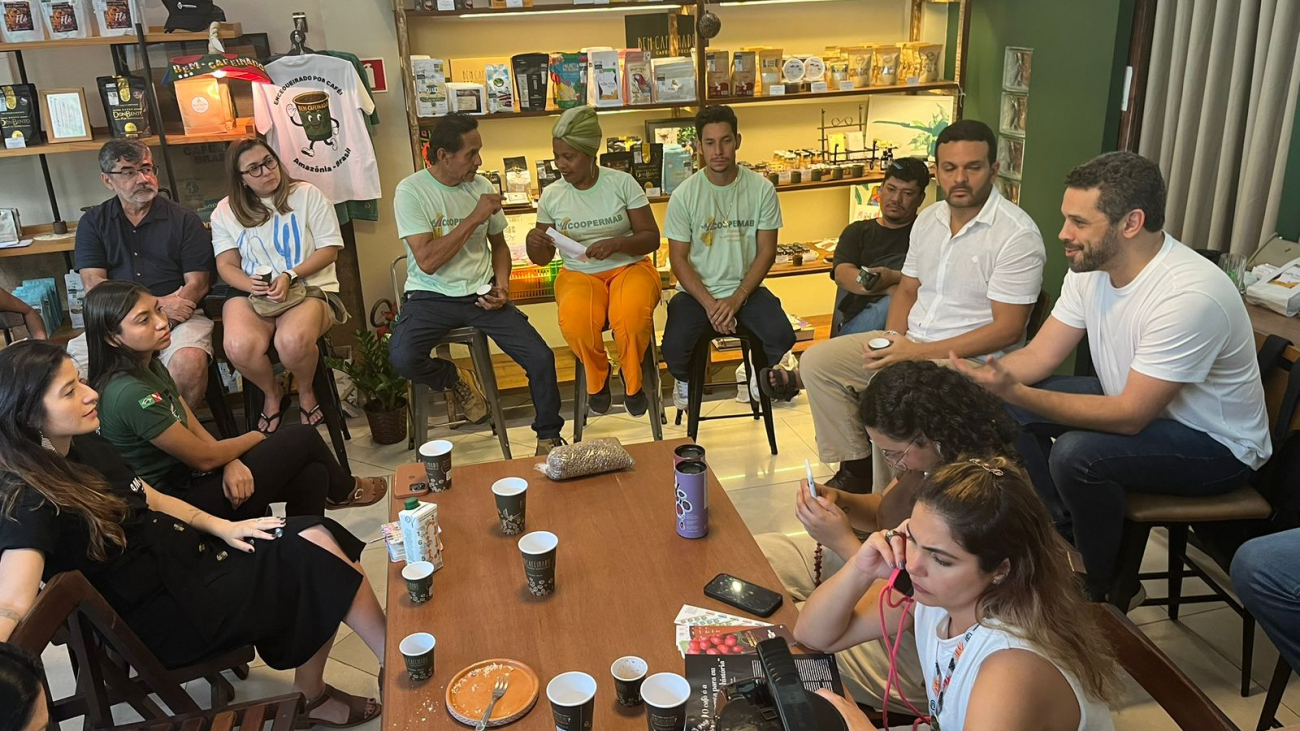
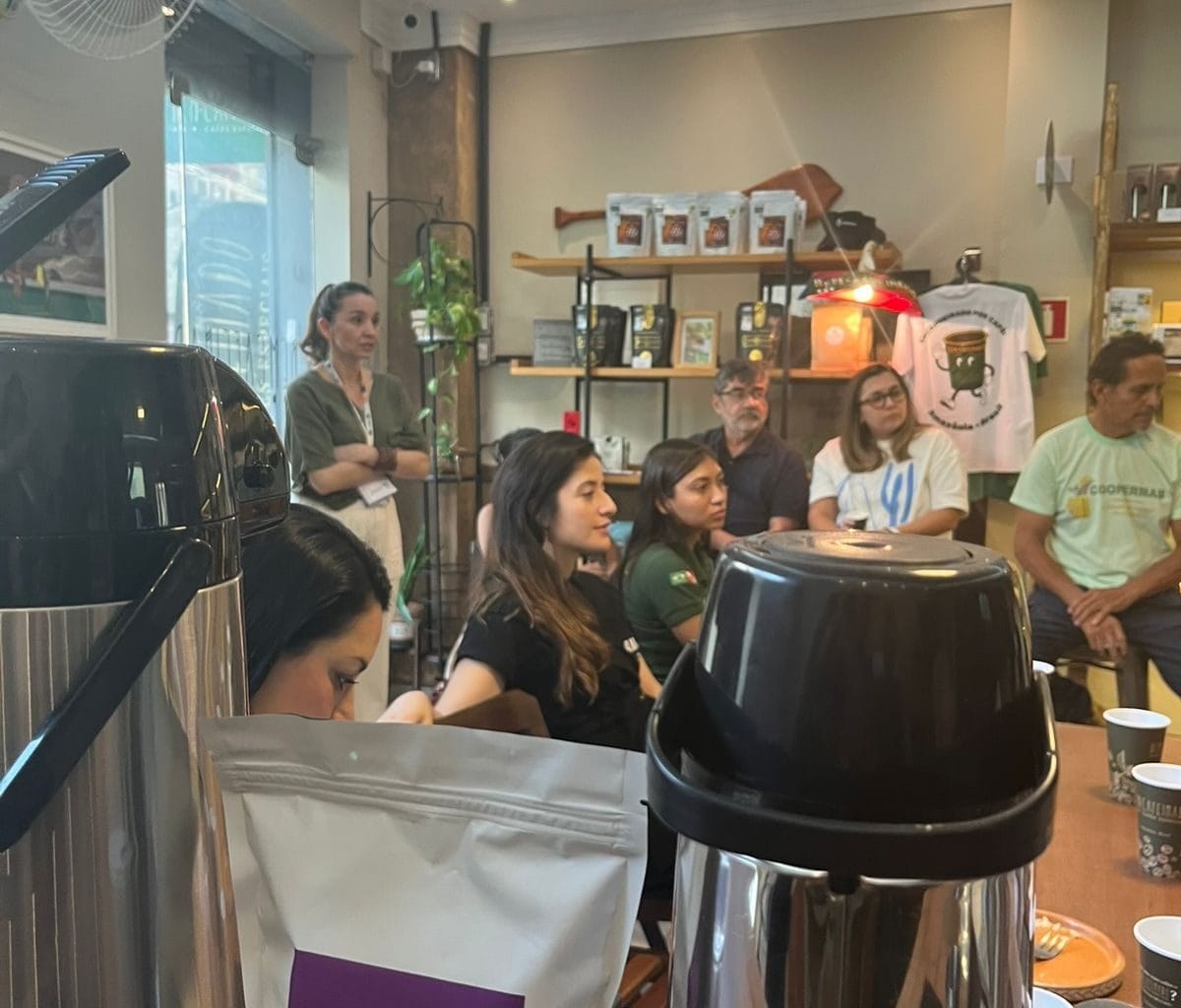
During COP30, held in the heart of the Amazon in Belém, those on the ground in the forest promoting transformations and turning the gears that actually make the bioeconomy happen have the floor. Outside the official spaces in the green and blue zones, there are places like Bem Cafeinado, a store created by Liane Dias in the Reduto neighborhood, which expands the dialogue between the various actors in the impact ecosystem with discussion groups about sustainable businesses.
“The idea is to connect important partners with people who are truly involved in the much-talked-about Amazonian bioeconomy, and promoting this integration is fundamental to avoiding fanciful narratives about climate change and the socio-bioeconomy,” argues the entrepreneur.
Paula Macedo, business portfolio manager at Amaz Impact Accelerator, an initiative coordinated by Institute for Conservation and Sustainable Development (Idesam), He explained how to overcome the challenges of accessing philanthropic and private capital during a conversation with producers and entrepreneurs working with coffee, one of the nation's passions that has been suffering the impact of climate change with drought and heat, which are harming crops in Brazil and around the world.
“Philanthropic capital is becoming increasingly scarce globally and is not enough to solve all social and environmental problems. At Amaz, we work with a fund originating from philanthropic and private capital to support businesses that are already promoting change in rural Amazonia. With this fund, we have already been able to evaluate more than 500 businesses and currently have 16 assets in our portfolio,” explained the manager.
Daniela Tipiti/Amaz
Another Idesam initiative to foster impact businesses in the Amazon, launched at FIINSA COP 30, Zoma – a generator that aims to support entrepreneurs, researchers, and community-based and technology-driven businesses committed to a standing forest economy – was also discussed through Renato Rebelo, leader of Zoma.
“Zôma is about supporting entrepreneurs who are still at the beginning of their journey, those who have an idea, a prototype, or a product, but haven't yet been able to access the market. We want to prepare this foundation for growth and for an economy that values a living Amazon,” Renato explained during the chat.
The proposal is to act as an Amazonian venture builder, that is, a generator that not only accelerates but also structures businesses from the initial stages. Selected participants will have access to mentoring, technical and administrative support, marketing, legal and financial assistance, as well as connections with investors and strategic markets.
On the other hand, producers from the Mixed Cooperative of Family Farming of the Barreta Hub (COOPERMAB), in Vigia de Nazaré, a municipality in Pará known as the capital of Tucupi, but which was also the place where the first coffee seedlings and seeds touched Brazilian soil, brought their experience with wild coffee to the table.
“These are centuries-old trees located on our territory. The cooperative was informally established in 2021, and today we have 50 families involved in artisanal fishing and the cultivation of fruits, vegetables, and greens. We are also working to incorporate coffee, because currently we only have the ancestral trees in the middle of our forest, without any management practices,” commented Maria Souza, a member of the cooperative.
The cooperative already supplies Bacuri pulp, a native Amazonian fruit, to businesses like Aruanas, which produces food with regional flavors. Aruanas emerged from the restlessness of young Luise Lima, who, tired of seeing products in Belém supermarkets with ingredients like blueberries, such as cereal bars and jams, decided to roll up her sleeves and bring the taste of the Pará Amazon to the city's shelves.
“There are things that don’t fit in the packaging. Aruanas already helps in the recovery of 30,000 square meters of degraded areas with agroforestry systems. In addition to bringing the flavor of our land into the regional market,” points out the impact entrepreneur.
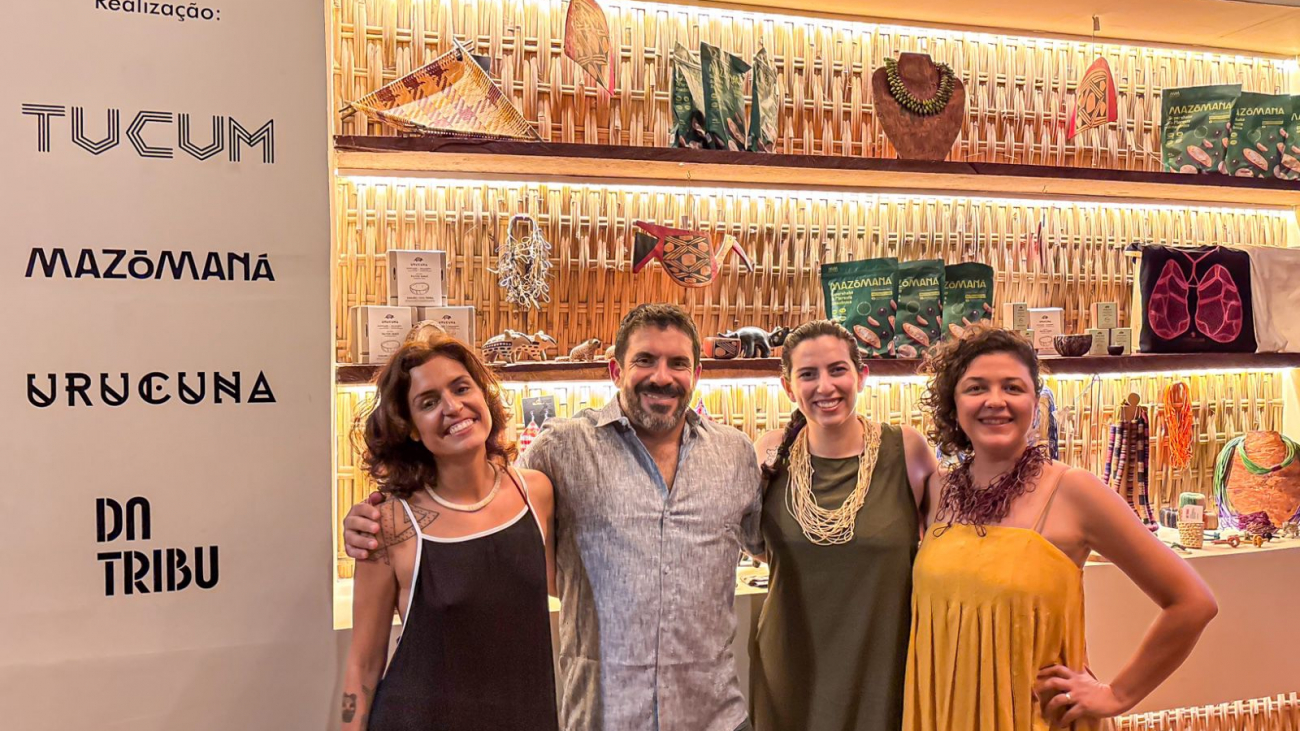
In the year it hosts COP 30, Belém has gained another space to strengthen the traditional populations of the Amazon and the forest economy: the Niare House, which will also function as a hub for business, culture, and technical support for entrepreneurship among indigenous, riverside, extractive, and quilombola communities, connecting ancestral knowledge and innovation to the development of a new generation of socio-environmental impact businesses.
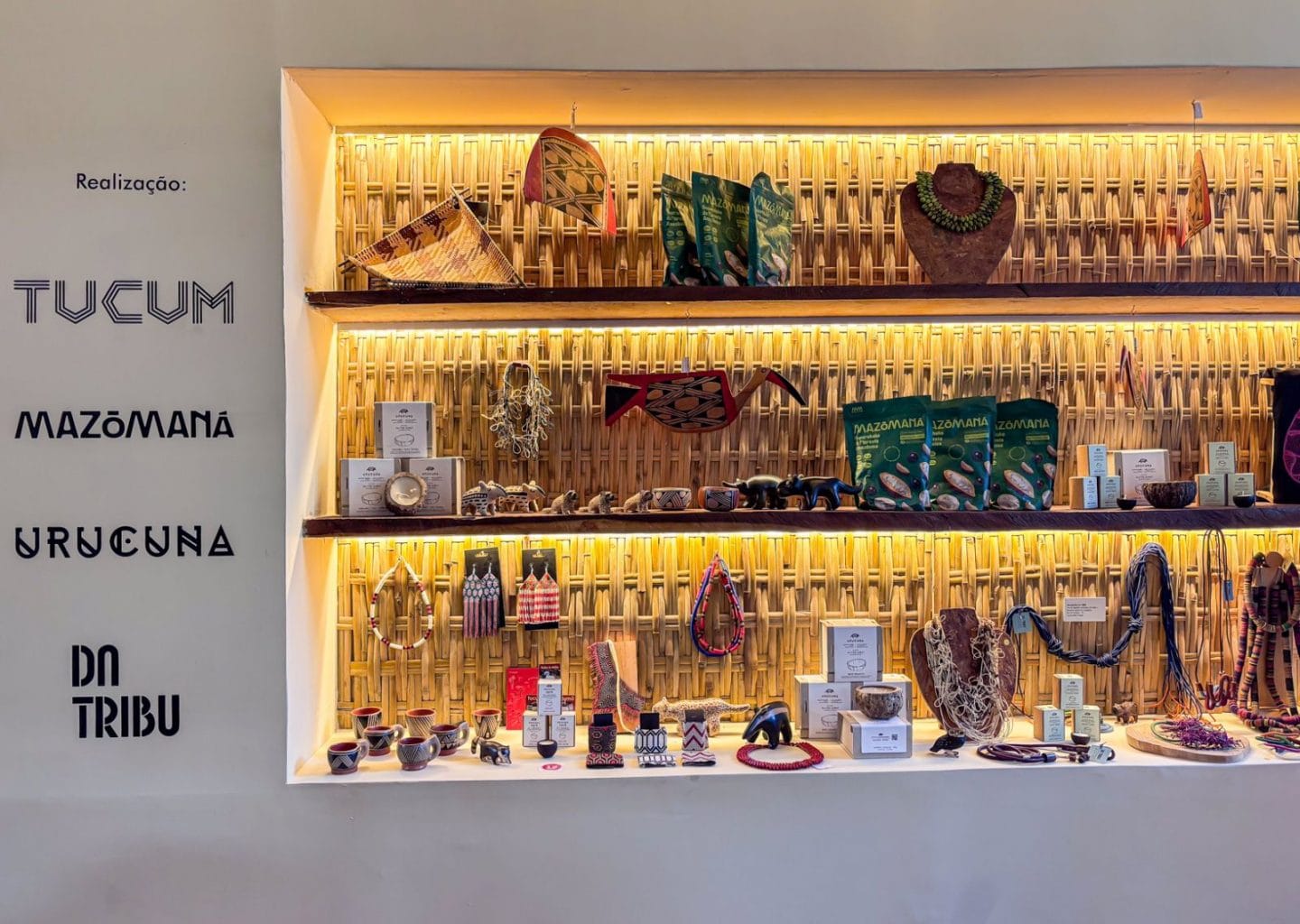
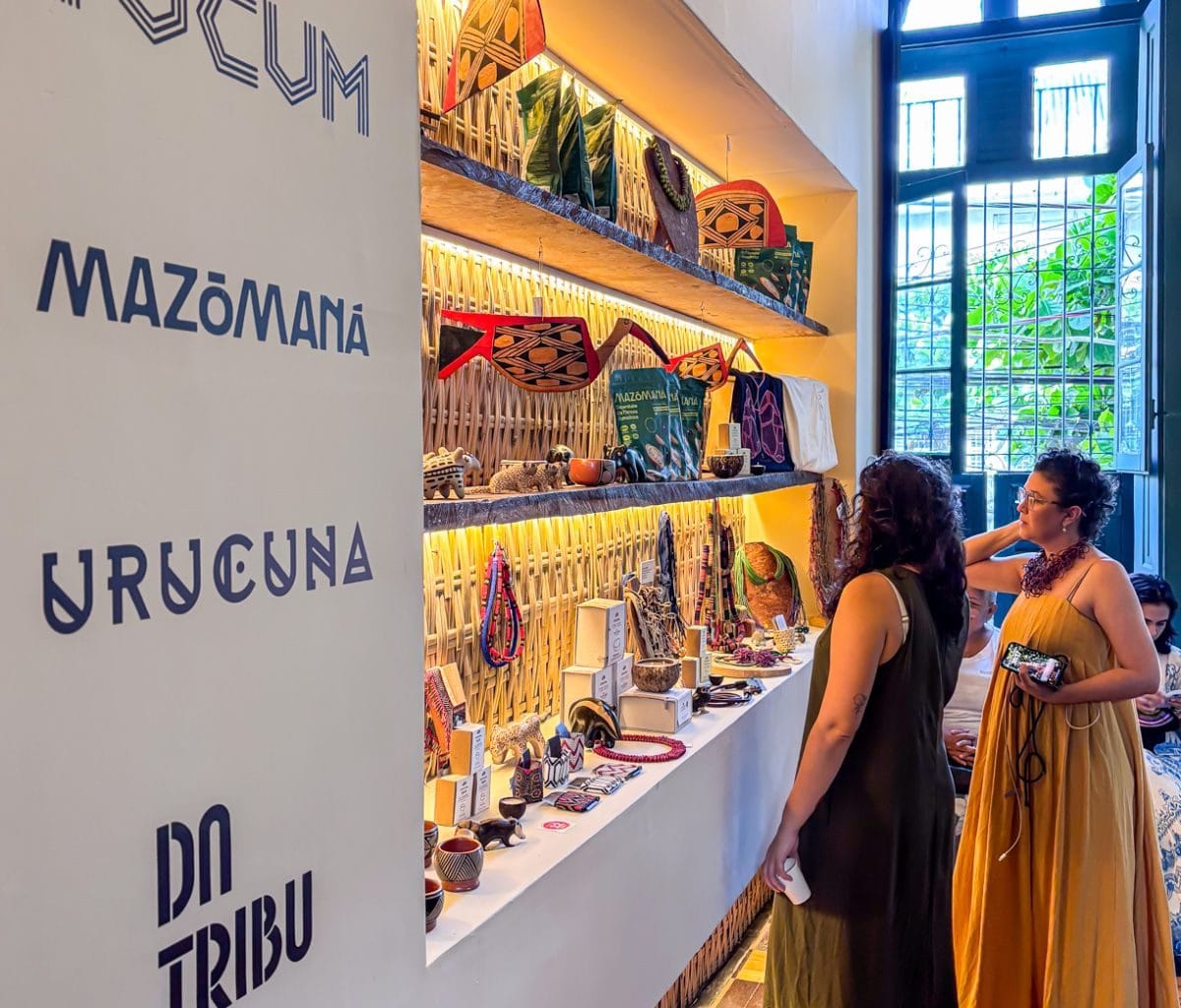
Located on Rua Bernal do Couto, in the Umarizal neighborhood, Casa Niaré brings together a shop, gallery, and a collaborative environment focused on training, commerce, cultural exchange, and networking among forest leaders, investors, organizations, and companies committed to the regenerative economy.
The initiative is led by forest entrepreneurs and long-standing partners of the Amazonian ecosystem, including Tucum and Mazô Maná, both impact businesses accelerated by Amaz, alongside two other forest-based business brands, Urucuna and Da Tribu. During COP30, Casa Niaré will launch the Niaré Journey, which will offer mentorship to indigenous and community entrepreneurs, with support in management, marketing, communication, and certifications.
Publicity/Casa Niare
For Amanda Santana, founder of Tucum and creative director of Casa Niaré, the space serves to consolidate a network that has been working for years to value Amazonian peoples and knowledge. “Casa Niaré comes as a legacy of COP30. More than just a space, we want to create a community that will lead the indigenous socio-bioeconomy, demonstrating the value of the standing forest,” she stated.
Initiatives led by forest communities are gaining prominence in Brazil and around the world, with solid organizational models and innovative businesses with growing economic potential that are fundamental to keeping the forest standing, generating income, and strengthening the territories.
Casa Niaré has the support of Amaz Impact Accelerator, coordinated by Idesam, which evaluates, invests in, and supports impact businesses in rural Amazonia. Gabriela Souza, New Business Leader at Idesam and manager of Amaz, emphasizes that the initiative reinforces the work of impact businesses in the forest and expands their presence in partner communities.
“The initiative is coordinated by two businesses in the AMAZ portfolio with a strong track record of impact and presence in partner communities, from production structure to governance. We see the House as a strategy for embedding these impacts, focusing on the protagonism of entrepreneurs who are still underrepresented in initiatives to promote and provide technical support,” he pointed out.
Schedule
Between November 13th and 15th, there will be roundtables and thematic dialogues bringing together forest leaders, experts, organizations, and companies committed to the socio-bioeconomy. On November 13th, from 10:00 AM to 11:30 AM, the panel "Carbon and Bioeconomy Intersections: Converging Paths to a Regenerative Economy of the Amazon" will take place, with discussions on the role of carbon as an instrument for community empowerment and territorial development.
On November 14th, at 9 am, the debate "Ethical Contracts for the Socio-bioeconomy in the Amazon" will take place, focusing on building good practices and transparent agreements that prioritize fair relationships between communities, companies, and partners. Also on the 14th, from 2 pm to 4 pm, the meeting "Markets and Investments: Allies of the Socio-bioeconomy of the Amazon" will promote connections between indigenous leaders, forest entrepreneurs, funds, and organizations that invest in regenerative and collaborative development models.
Closing the agenda, on November 15th, from 10:45 AM to 12:30 PM, the panel "Native Rubber from the Amazon: Multisectoral Strategies for Strengthening the Supply Chain" brings together representatives from communities, the market, and experts to discuss paths for innovation, valorization, and expansion of the native rubber supply chain as a strategic asset for the regional bioeconomy. All meetings have limited spaces for up to 40 people and are designed to promote open dialogue and direct connections between the audience, guests, and hosts.
More than just a physical address, Casa Niaré represents a platform connecting forest communities with a new generation of sustainable businesses, reinforcing the idea that keeping the forest standing is the path to a just and habitable future for all.
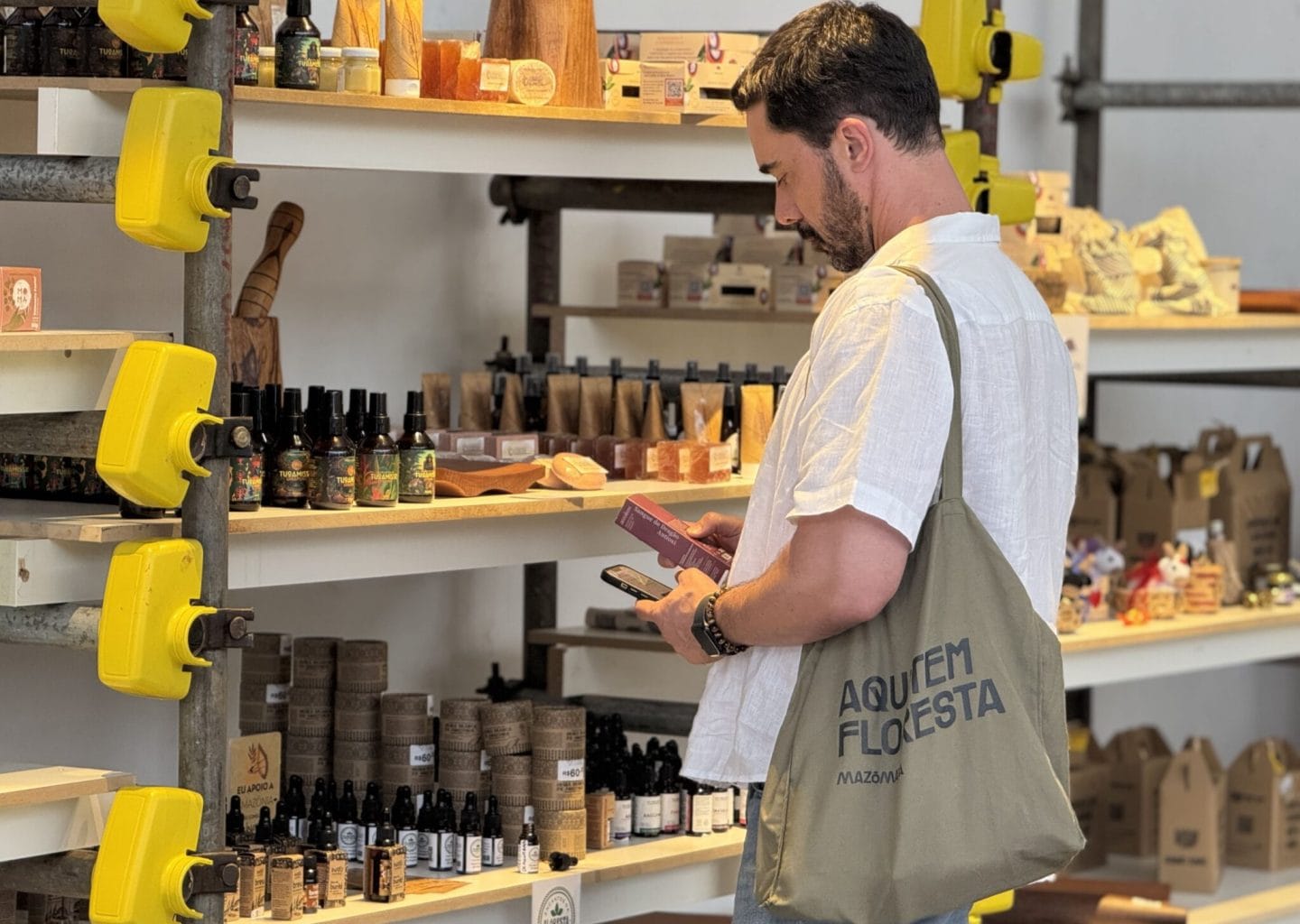
One of the main highlights of the Amazon Impact Investing and Sustainable Business Festival (FIINSA), a special COP30 edition, to be held on November 10, is the Amazon Market, a space that will bring together 50 brands from the rainforest, showcasing products and services. The event will take place at the Pará State University Center (CESUPA), Alcindo Cacela 2 Campus, in Belém, Pará.
The ventures participating in Mercado Amazônia are part of the portfolio of businesses supported by the “Lab de Impacto” acceleration program, run by Impact Hub Manaus, by AMAZ Aceleradora de Impacto, coordinated by Idesam, and will be curated by the Amazon Sociobioeconomy Business Association (ASSOBIO).
Disclosure/Idesam
“"ASSOBIO brings together small and medium-sized companies committed to positive environmental, social, and economic impacts in the Amazon region. Participating in FIINSA is essential, as it reinforces our role in providing visibility and generating business opportunities for our members, in addition to strengthening partnerships with institutions that share this commitment. Our participation marks a new milestone that demonstrates the network's strength and growth, reaffirming our mission to value the economy of the standing forest," comments Carol VilaNova, head of ASSOBIO's events department.
These initiatives promote socio-environmental impact in different Amazonian territories, operating in segments such as food, biocosmetics, waste management, logistics, among others.
According to Marcus Bessa, founder of Impact Hub Manaus and one of the event organizers, Mercado Amazônia has established itself as an essential space for providing visibility and strengthening sociobioeconomy businesses.
According to him, with each edition of FIINSA, not only sales volume grows, but also connections between entrepreneurs, investors, and partners. Sales reached R$14,000 in the first edition (2019), R$62,000 in the second (2022), and R$115,000 last year—results that demonstrate the potential of Amazonian businesses to drive the economy and generate positive impacts.
“"FIINSA is a meeting point for those who dream, invest, and make the Amazon happen. We believe that every impactful business carries a seed of transformation, and our role is to create the right environment for these seeds to grow and become benchmarks for sustainability and innovation in the country. The more strategic players are connected, the better for the region," says Bessa.
In addition to the Amazon Market, FIINSA's program includes panels, discussion groups, cultural and gastronomic experiences, as well as community and networking spaces inspired by the Amazon rainforest. To learn more, visit fiinsa.org.br.
The 50 brands that will participate in the Amazon Market are: Biozer da Amazônia Ind., Darvore Cosmetics da Amazônia Ltda., Ekilibre Amazônia, Inatu, Moma, Rondônia Soap Factory, Tekohá Regenerative Cosmetics, Amazônia Agroforestry, Amazonique, Açaí Coffee Mill, Mahta Trade and Import of Natural Products Ltda., Mazo Mana, Tribo SuperFoods, Terramazonia, Amazônia Bee, Apoena Bioindustrial Ltda., Cacauaré, Jackfruit Meat, Chocobic Food Industry (Na Floresta), Cupu do Quintal, Deveras Amazônia, Jambu Sinimbu, JuCarepa, Manioca, Taberna da Amazônia, Zeno Nativo, Tucum, Urucuna Cosmetics and Crafts Ltda., Yanciã, Smartfoods, Mead, AMZ Tropical, Seiva, Bossa Pack, Da Tribu, Impact Bank, ForestiFi, Ubim Tourism, Paiter Museum Soe, Cacau Raiz, Yawa Studio, Dr. da Borracha, Mel Bonal, Aruanas, Sioduhi Studio, Encantos da Floresta, Wasai, among others.
Disclosure/Idesam
More about FIINSA
The Amazon Impact Investing and Sustainable Business Festival (FIINSA) is organized by Idesam and Impact Hub Manaus, co-organized by CESUPA. It is sponsored by Fundo Vale, Soros Economic Development Fund, Bemol, CNP Seguradora, and Suframa's Priority Bioeconomy Program (PPBio). Support is provided by the Sabin Institute, Bezos Earth Fund, Carbon Disclosure Project (CDP), and the Amazon Investor Coalition. Partners include the Health and Happiness Project, the Amazon Sociobioeconomy Business Association (Assobio), the Amazonian Climate Network (RAC), the Amazon Entrepreneurship Center, the Alliance for Impact Investing and Business, the Sustainable Connections Institute (Conexsus), the Arapyaú Institute, and Casa Amazônia.
About Idesam
Idesam is an Amazonian organization operating in the Legal Amazon since 2004. Its mission is to promote the appreciation and sustainable use of natural resources in the Amazon and to seek alternatives for environmental conservation, social development, and climate change mitigation. Accredited as an Institute of Science and Technology, it is qualified as a Social Organization of Public Interest (OSCIP). Among the recognitions already received, it was named the best environmental organization in the North Region by the Best NGOs Award 2020 and 2023. It received the 2022 Social Entrepreneur Award, sponsored by Folha de São Paulo and the Schwab Foundation, in the "Innovation and Environment" category, and is accredited as an actor in the United Nations Decade of Ecosystem Restoration (2021-2030). To learn more, visit: www.idesam.org.
About Impact Hub Manaus
Impact Hub Manaus carries a deeply Amazonian identity. With 10 years of experience, the organization seeks to strengthen the region's impact entrepreneurship and innovation ecosystem by promoting acceleration programs, investments, community engagement, training, and events focused on the bioeconomy and social innovation. Since 2015, it has connected entrepreneurs, investors, social leaders, and partners. In its first decade, it built a community of over 500 members, supported over 3,000 entrepreneurs, invested in over 40 social businesses, mobilized over R$ 2 million in resources, and brought impact to more than 10 cities in the Legal Amazon. More than just results, the Hub represents a collective movement for an innovative, sustainable, and leading Amazon, where economic development goes hand in hand with environmental conservation and the empowerment of those who live in the region.
Amaz Aceleradora participated in the workshop for the construction of Amazonas Bioeconomy Action Plan, Promoted by the State Secretariat for Economic Development, Science, Technology, and Innovation (Sedecti). The meeting, held at the Amazon Biobusiness Center (CBA), discussed the plan's governance pillar with stakeholders from the public and private sectors, as well as social organizations.
The Amazonas State Bioeconomy Plan is a state government initiative that has been developed through participatory processes, including public consultations and direct dialogue with the 62 municipalities. The goal is to structure a development model that values the standing forest and sociobiodiversity, transforming natural resources into innovative economic and social solutions.
With five years of experience supporting businesses with socio-environmental impact in the Amazon, Amaz contributes to strengthening sustainable production chains and expanding access to investment and training for entrepreneurs in the region. The initiative's participation in this process reinforces the importance of integrating the perspective of those already working directly in the impact ecosystem into the formulation of public policies focused on the bioeconomy.
According to Gabriela Santos, New Business Leader at Idesam, the Amazon Institute for Conservation and Sustainable Development, which coordinates the Amaz Impact Accelerator, among other initiatives focused on strengthening New Businesses, the meeting represented a crucial step in the collective development of the State Bioeconomy Plan, which directly impacts the organization's operations, the supported businesses, and the entire impact ecosystem. The manager emphasized that Amaz's participation has been marked by collaboration throughout the entire process, especially in identifying challenges ranging from strengthening value chains to commercializing sociobiodiversity products.
"The exchange with representatives from the public, private, and third sectors ensures that the plan will be designed taking into account the experiences and lessons learned from each of these sectors, as well as opportunities for collective work, particularly in terms of policies and structures that enable and benefit the business ecosystem. In this way, we position ourselves as a key player in the implementation of the plan's definitions," he emphasized.
Discussions on the Bioeconomy Action Plan continue throughout this week. During this phase, participants will delve deeper into the debate surrounding the Plan's other pillars, which include topics such as decarbonization, renewable energy, people and culture, business ecosystems, and genetic heritage.
Biatris Rocha, advisor to the Department of Bioeconomy and Strategic Actions at Sedecti, highlighted the importance of the regional consultation process for the plan's success.
"Based on the regional consultations, which began in February, we will be able to incorporate the communities' perspectives, ensuring that the plan is not only technical, but also representative of local demands," Biatris stated.
Fintech ForestFi and Zeno Nativo are two startups with authentic Amazonian DNA that innovate by investing in sustainable management chains. In the partnership, one contributed the technology and the other the product.
Investment culture has been gaining momentum, with several options for more conservative profiles, such as Treasury Direct, CDB, and LCI, as well as others that cater to moderate and bold investors. And now, those interested in profiting from investments that expand profits beyond monetary terms, combining benefits—such as maintaining the forest and strengthening the Amazon's sociobiodiversity product chains—with financial returns, have found the perfect option: Amazon nut tokens.
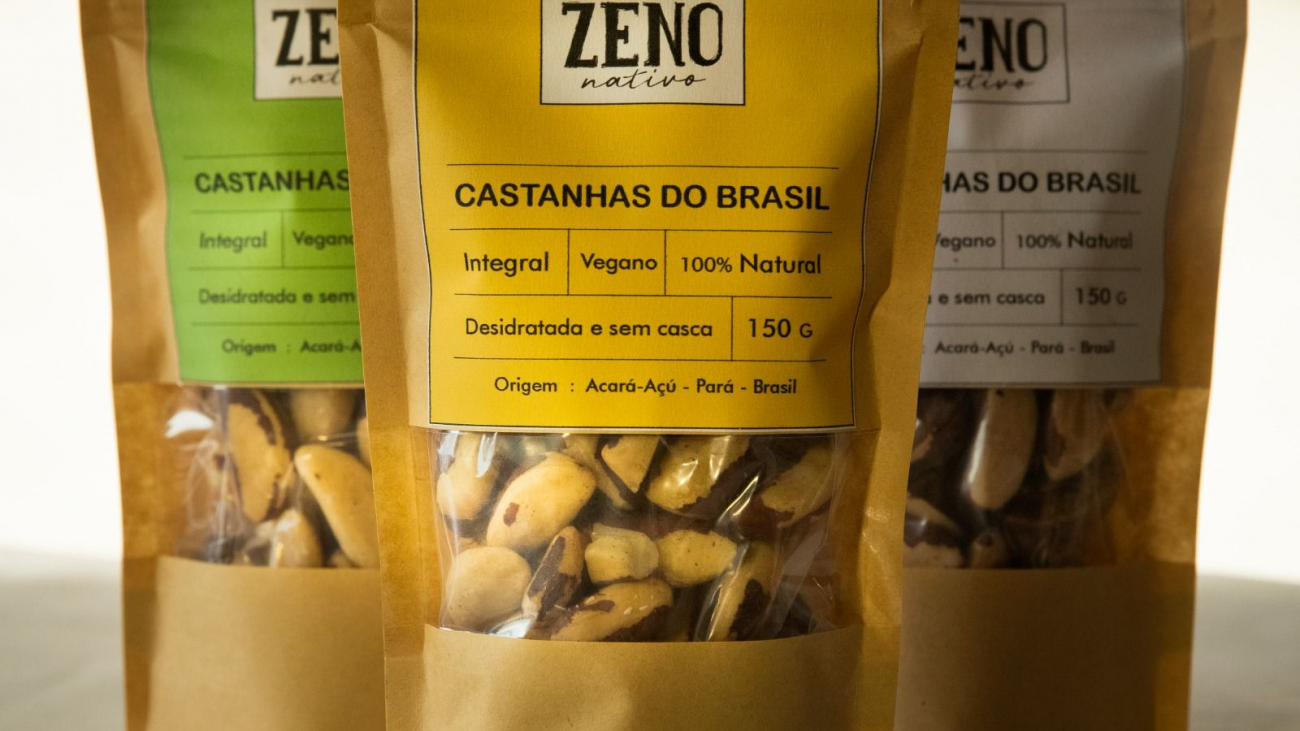
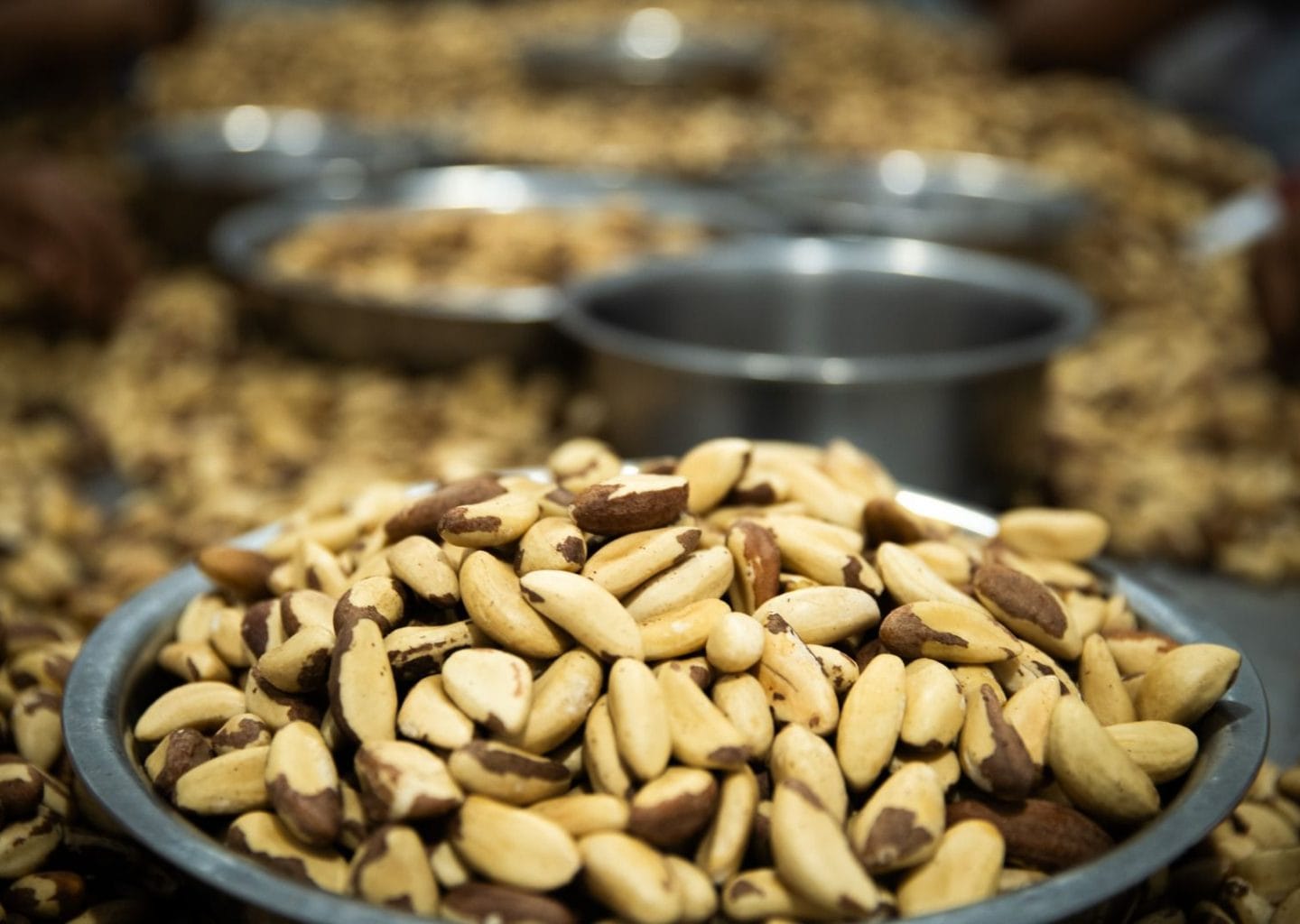
Amazon chestnut (Disclosure/Zeno Nativo)
The innovation is the result of a project between ForestiFi, a Manaus-based fintech specializing in impact investing, and Zeno Nativo, which produces and sells forest products to traditional communities living near the Acará River in Pará. Both startups are part of the portfolio of AMAZ, the largest impact business accelerator in the North Region, focusing on companies operating in the Legal Amazon.
In April of this year, the startups transformed 1,850 kilograms of Amazonian nuts into digital assets and raised R$114.7 thousand in investments. In total, 82 people participated in the campaign, purchasing 4,588 tokens sold at R$25 each. With a return expected in September (five months), each token is expected to be redeemed for R$26.69—an increase of R$1.69. This represents an increase of R$7.7 thousand in value over the tokenized harvest and a final transaction of R$122.4 thousand.
The amount raised will be transferred directly to more than 50 extractive families in the Acará River region (PA), where the nuts tokenized in this campaign came from. Glauco Aguiar, co-founder of ForestiFi, is one of those responsible for this innovation. He has worked with other Amazonian sociobiodiversity products, including native cacao, managed pirarucu, and wild guarana, but says there has always been an interest in tokenizing the nut and boosting income generation for those working in the sustainable chain.
"This allows small producers, traditionally excluded from the financial system, to access resources. [...] We've shown that the annually harvested Brazil nuts are a legitimate asset, capable of serving as collateral for fundraising," he explains. The procedure, however, is not limited to creating a system for buying and selling assets using blockchain technology.
Organizations interested in tokenizing their products need to analyze their governance, legal security, and accounting requirements to ensure the success of investment rounds. "This allows us to address the logistical complexities of the Amazon region in a structured and efficient manner," he adds.
Furthermore, Glauco reinforces that tokenization is an allied tool for the sustainable development of the Amazon, as it encourages the organizational maturity of producer groups, which is reflected in better management practices, increased production efficiency, and the valorization of sociobiodiversity products.
Sustainable production and appreciation of sociobiodiversity
Another key player in the tokenization process is Zeno Gemaque, co-founder of Zeno Nativo. The partnership began during a networking event hosted by AMAZ. After meetings and strategic visits, the idea emerged to innovate by transforming Brazil nuts into digital assets. He celebrates the initiative's success.
"We'll purchase raw materials, in this case, Brazil nuts, to process and sell. [...]. It will be an average of 6,900 kilograms of nuts, which will benefit more than 50 extractive families [on the Acará River]," explains the entrepreneur. Processing is a process that includes selection, shelling, dehydration, packaging, and logistics of the nuts. Since its founding in 2012, the startup has already sold more than 15 tons of nuts and five tons of fine cocoa, preserving more than 17 thousand hectares of native forest, always with organic certification issued by the Ministry of Agriculture and Livestock (MAPA).
Currently, Zeno Nativo works in collaboration with more than 300 extractive families in the Amazon, strengthening the preservation of the standing forest and generating income for the population.
(Disclosure/Zeno Nativo)(Disclosure/Zeno Nativo)
"We offer sociobiodiversity products to markets that value traceability and sustainable socioenvironmental practices. This is essential to supporting standing forests, combating monoculture and river contamination, and strengthening an economy that respects nature and people," he adds.
However, Pará suffers from several socio-environmental problems, such as wildfires and illegal mining. According to the Deforestation Alert System (SAD) of the Amazon Institute of Man and Environment (Imazon), the state recorded the highest rate of deforestation last year, with 1,260 square kilometers (km²) deforested.
To change this scenario, one of the most viable alternatives is crop diversification, so that other products of regional sociobiodiversity gain value.
"We're interested in tokenizing cocoa in the future, but this will largely depend on the results of the initial experiment. We're testing the mechanism, seeing how it performs within the company and what the results are for our suppliers. From there, we'll conduct an evaluation and explore the possibility of further rounds," concludes the entrepreneur.
International recognition
This was ForestiFi's sixth project in the Amazon, which also involves work with native cacao, managed pirarucu, and wild guarana. This translates into nearly half a million reais raised since its founding two years ago.
All this dedication earned ForestiFi recognition as one of the world's most innovative sustainability startups by Change 100, a campaign by the We Make Change platform with the support of major partners such as Microsoft Entrepreneurship for Positive Impact and Techstars. The announcement was made during the "Change Now" event held in Paris in April.
ForestiFi's focus is strengthening the Amazonian bioeconomy through blockchain technology, connecting small rural producers to sustainable investment markets. The startup has transformed access to financial capital in Northern Brazil, using tokenization as a tool to finance sustainable production activities, protect forest areas, and generate positive socio-environmental impact.
"This recognition reinforces the relevance of our work and opens doors to new international connections. [...] From now on, we will intensify our expansion strategy, consolidating ForestiFi as a global benchmark in the tokenization of natural assets," concludes Glauco.
About ForestiFi
ForestiFi is an impact investment platform that connects investors to sustainable Amazon supply chains, using tokenization technology to ensure traceability, liquidity, and transparency. It has already structured tokens linked to products such as native cocoa, managed pirarucu, and wild guarana.
About Zeno Nativo
Founded by Zeno Gemaque and Coi Belluzzo, Zeno Nativo operates in the municipality of Acará, Pará, processing nuts and cocoa native to the Amazon rainforest. Focused on quality, traceability, and valuing the forest's indigenous peoples, the company operates B2B, B2B2C, and B2C models, serving domestic and international markets.
About Amaz Accelerator
ForestiFI and Zeno Nativo are part of the Amaz Aceleradora de Impacto portfolio, an initiative of the Amazon Conservation and Sustainable Development Institute (Idesam) that supports businesses with solutions to the challenges of the Amazon, from sustainability to income generation for local communities.
Initiatives like this are considered strategic for forest preservation, supporting startups that combine environmental conservation, sustainable use of biodiversity, and economic value generation. This helps strengthen local production chains, increase positive socio-environmental impacts, and promote innovative solutions that contribute to the region's sustainable development.
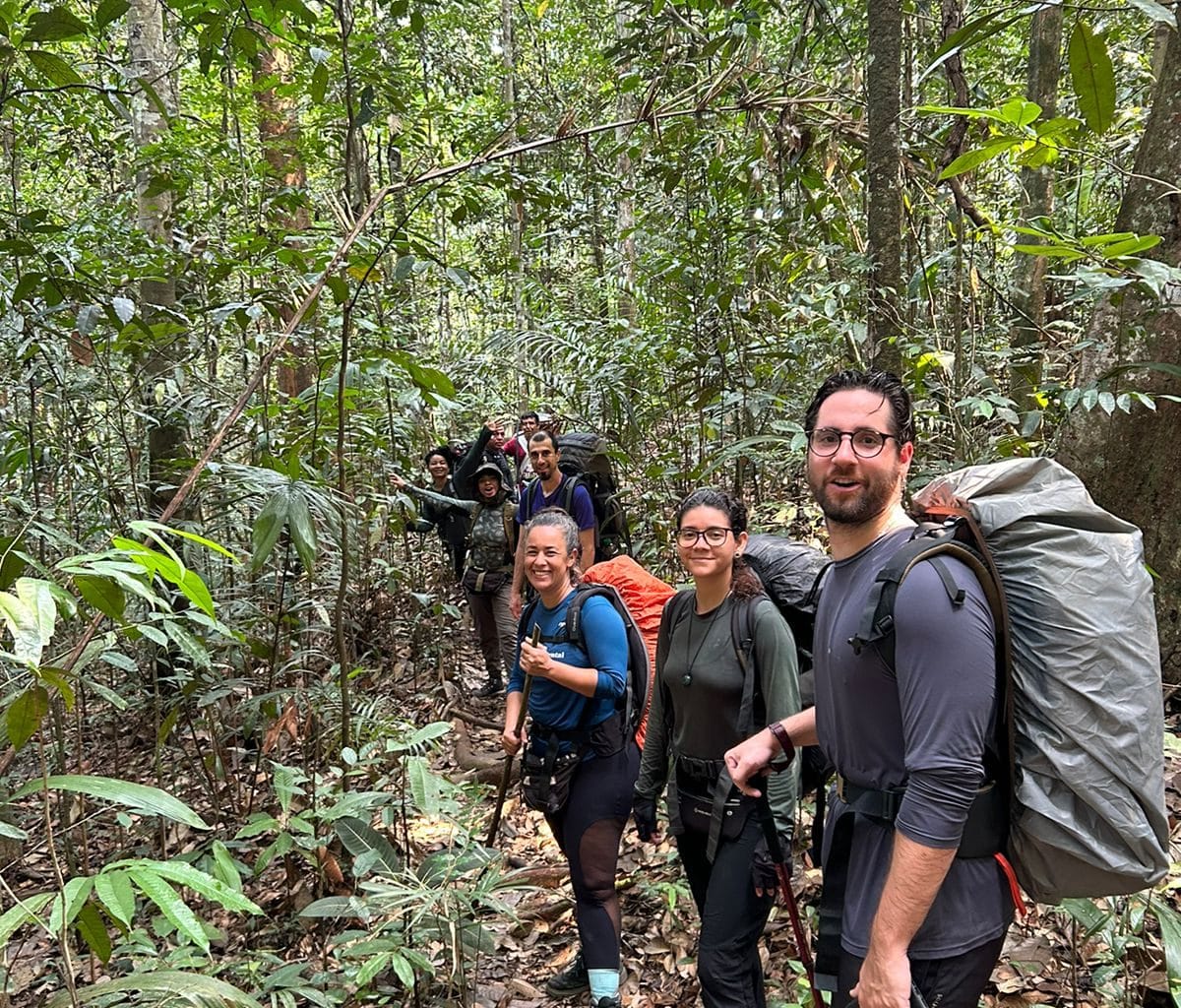
From immersing yourself in indigenous villages in Acre to the beaches of Alter do Chão in Pará, to riverside inns on the Rio Negro and the adventure of Pico da Neblina, different experiences reveal several 'Amazons' in one. Exploring the region through the lens of impact tourism, practiced responsibly and with community leadership, is the best option, especially for locals.
Vivalá, a company supported by Amaz Aceleradora, operates experiences ranging from paradisiacal beaches to Pico da Neblina, connecting visitors to local communities and nature.
"Each itinerary reveals a different Amazon: from the forest to the savannah, passing by rivers and beaches. Multiple immersions are necessary to fully understand the region's diversity and enjoy unique experiences," explains Daniel Cabrera, founder of Vivalá.
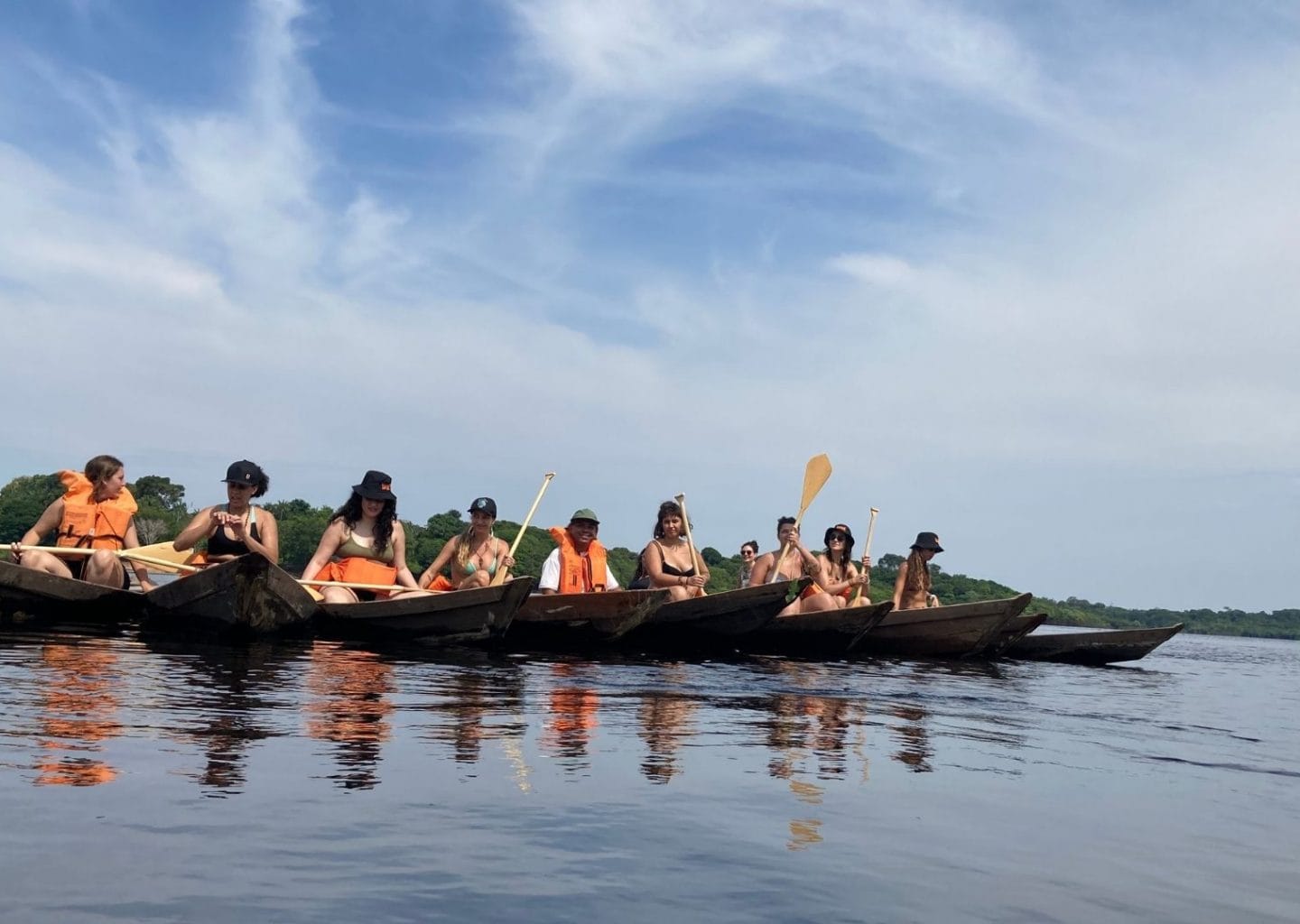
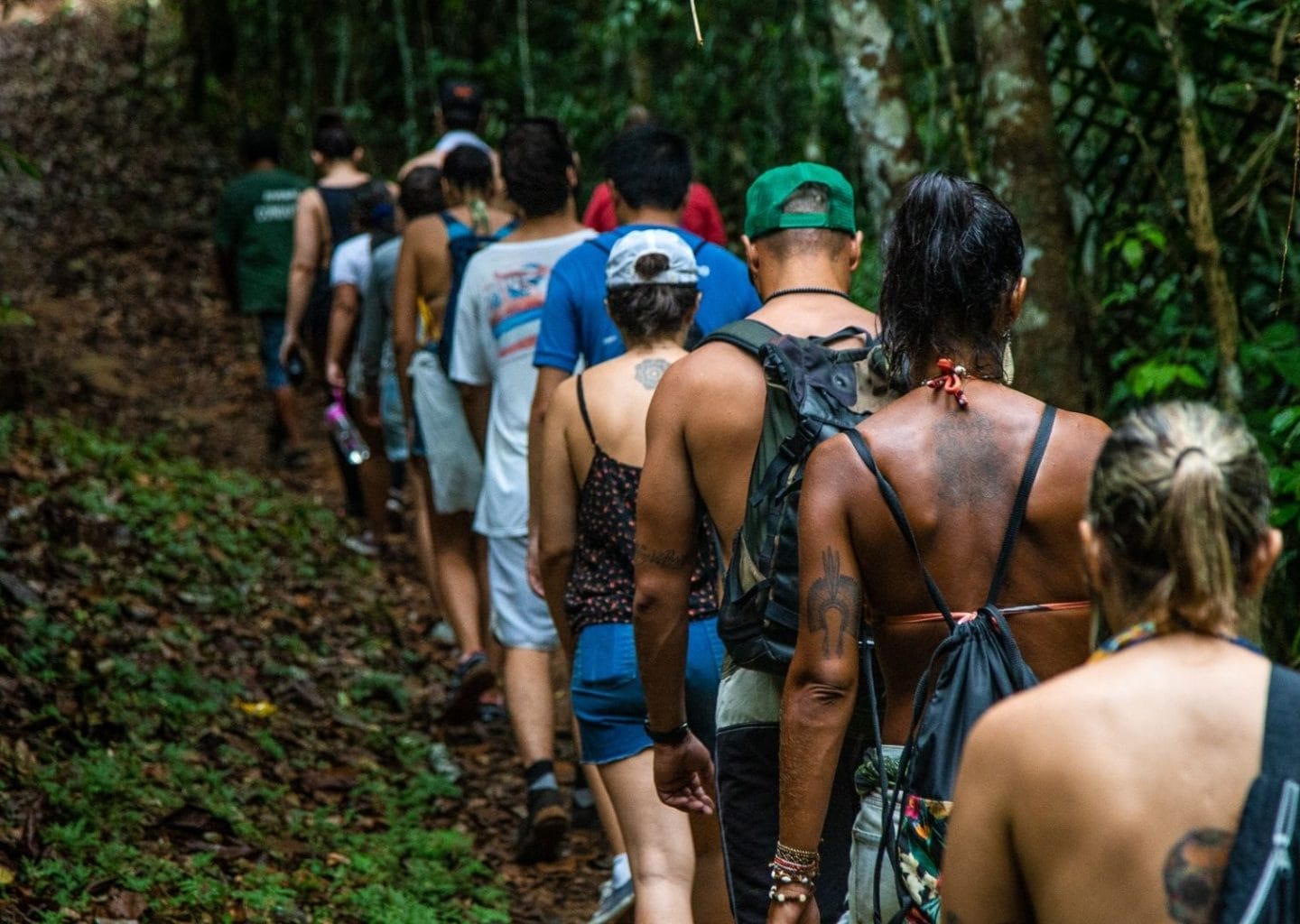
At Pico da Neblina (AM), travelers trek to the highest point in Brazil, sail the Cauaburis River, and participate in the blessing of Yanomami chiefs. In the Rio Negro region (AM), the journey includes jungle trails, river bathing, sky-gazing from canoes, interactions with river dolphins regulated by ICMBio, craft workshops, and visits to local wildlife conservation projects.
Pico da Neblina Trail (Disclosure/Vivalá)
Tour on the Rio Negro (Disclosure/Vivalá)
Between beaches and Amazon rivers, in Pará, Alter do Chão offers navigation along the Jari Canal, the Vovó Samaúma trail, riverside dining, and carimbó and craft workshops. Also in Pará, another option is to visit Belém and Marajó Island. Visitors can stroll along creeks, participate in pottery and chocolate workshops, and experience the extraction of açaí and Turu berries, as well as experience local culture in flour mills and community fishermen's houses.
Tourists on an expedition to Alter do Chão (Disclosure/Vivalá)
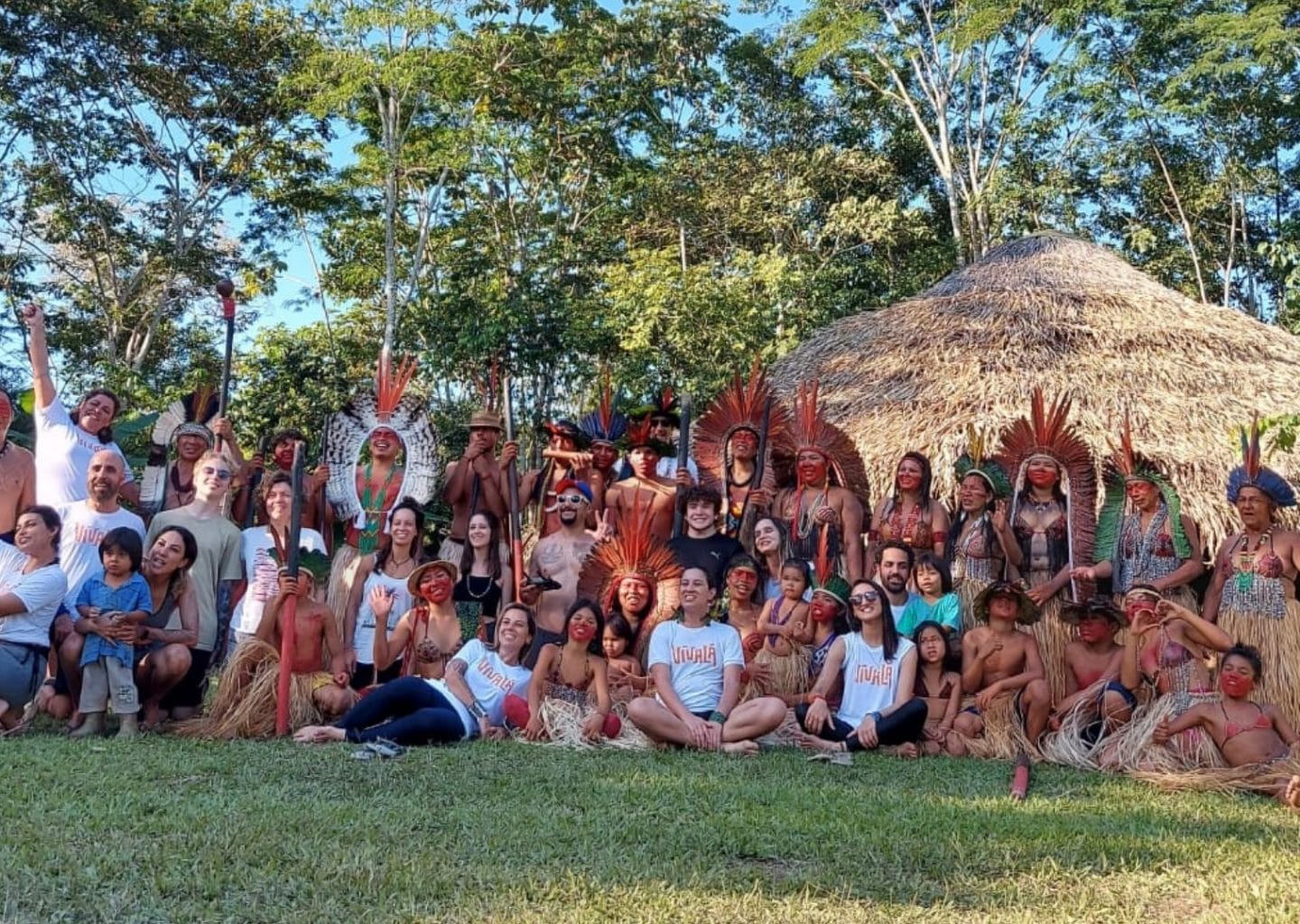
For those seeking a deeper dive into the ancestral culture of indigenous peoples, a visit to the Shanenawa village (AC) offers jungle trails, dancing and singing, body painting and weaving workshops, traditional ceremonies, and learning about ancestral medicines.
“Sustainable tourism has transformed our way of life,” says Chief Teka Shanenawa, from the Shanenawa village, a place frequented by DJ Alok.
Visit to the Shanenawa village (Disclosure/Vivalá)
Expeditions are available starting at R$1,125.50, with all packages including accommodations, meals, and travel insurance. More information and reservations can be found on the website. www.vivala.com.br.
Supporting the Amazon on every journey
Amaz is the largest business accelerator and investor in the North of the country. Coordinated by the Amazon Conservation and Sustainable Development Institute (Idesam), it supports initiatives that promote a positive impact on the region, such as Vivalá, including sustainable tourism experiences that value local culture, environmental preservation, and the development of Amazonian communities.
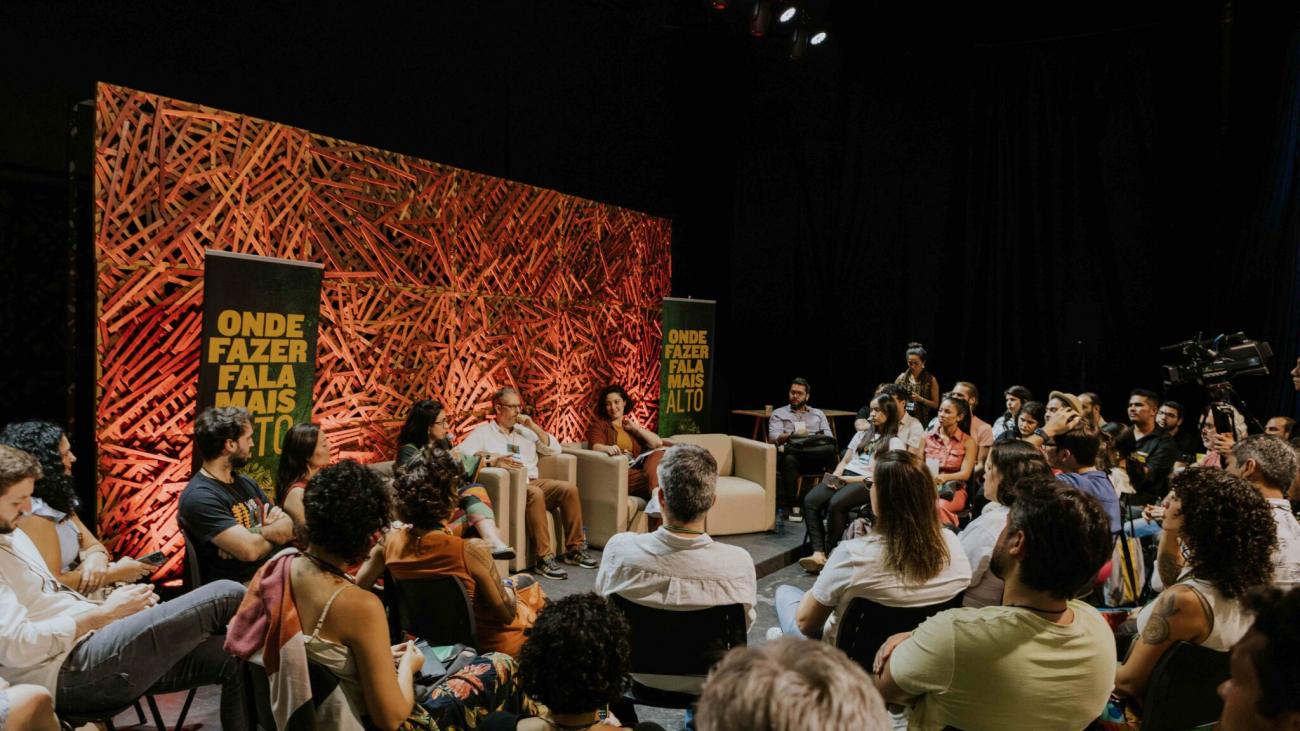
Belém will host one of the most strategic Amazon meetings during COP30: the Amazon Impact Investing and Sustainable Business Festival (FIINSA). The event will take place on November 10, from 8 a.m. to 9 p.m. (time to be confirmed), at the Law Campus of the Pará State University Center (CESUPA), bringing together Indigenous leaders, entrepreneurs, public administrators, investors, researchers, and civil society representatives in an environment of listening, dialogue, and collective development.
The "FIINSA 2025 COP30 – Where action speaks louder" is organized by Idesam and Impact Hub Manaus, co-organized by CESUPA and supported by a broad network of partners. The initiative aims to be a catalyst for positive partnerships, viable businesses, and innovative solutions—built by the Amazon, for the Amazon.
The festival has already established itself as a space for connection and relevance. Since its first edition in 2018, it has promoted strategic initiatives to strengthen sociobiodiversity economies and expand sustainable businesses. Now, in its special edition, FIINSA COP30 expands its reach, bringing debates on how to take forest businesses out of the discourse and into practice, how to create Amazonian economies that respect time and local communities, and how to redistribute decision-making power in the region, among other topics.
Priority themes
The program includes thematic panels, debates to generate action proposals, a fair showcasing sociobiodiversity products (Mercado Amazônia), social and networking spaces, and cultural and gastronomic experiences. Performances and immersions are also confirmed, such as a simulated "herbal bath"—a Pará tradition linked to protective rituals—and forest-inspired areas to foster connections among participants.
"We want to highlight the solutions emerging from the territories and their connections with businesses, investors, and other ecosystem actors who are already transforming local realities. COP30 places the Amazon at the center of the world, and FIINSA wants to highlight how this ecosystem transforms local realities," says André Vianna of Idesam.
Always with a dynamic format, the panels and discussion groups will feature a diversity of voices to enrich the discussions. At the end, an official document will be produced with demands, proposals, and solutions co-created during the festival, aimed at strengthening the bioeconomy and sustainable businesses in the Amazon forests and rivers.
"The festival is more than an event; it's a meeting place for creators, investors, and believers in the Amazon. Our focus is to strengthen the bioeconomy, foster businesses with socio-environmental impact, and promote sustainable investment models," emphasizes the Impact Hub Manaus spokesperson.
The Amazon Impact Investing and Sustainable Business Festival (FIINSA) is organized by Idesam (Amazon Institute for Conservation and Sustainable Development) and Impact Hub Manaus, co-organized by CESUPA. It is sponsored by Fundo Vale, Soros Economic Development Fund, and Bemol. Institutional partners include Instituto Sabin, Projeto Saúde e Alegria, Assobio, Redes Amazônidas pelo Clima, Amazon Entrepreneurship Center, Alliance for Impact Investing and Business, Conexsus, and Casa Amazônia.
We use cookies to ensure that we provide the best experience on our website. If you continue to use this site, we will assume that you are satisfied with it.