WhatsApp Image 2025-09-15 at 09.27.28

Startups with an impact on the Amazon win innovation and sustainability awards

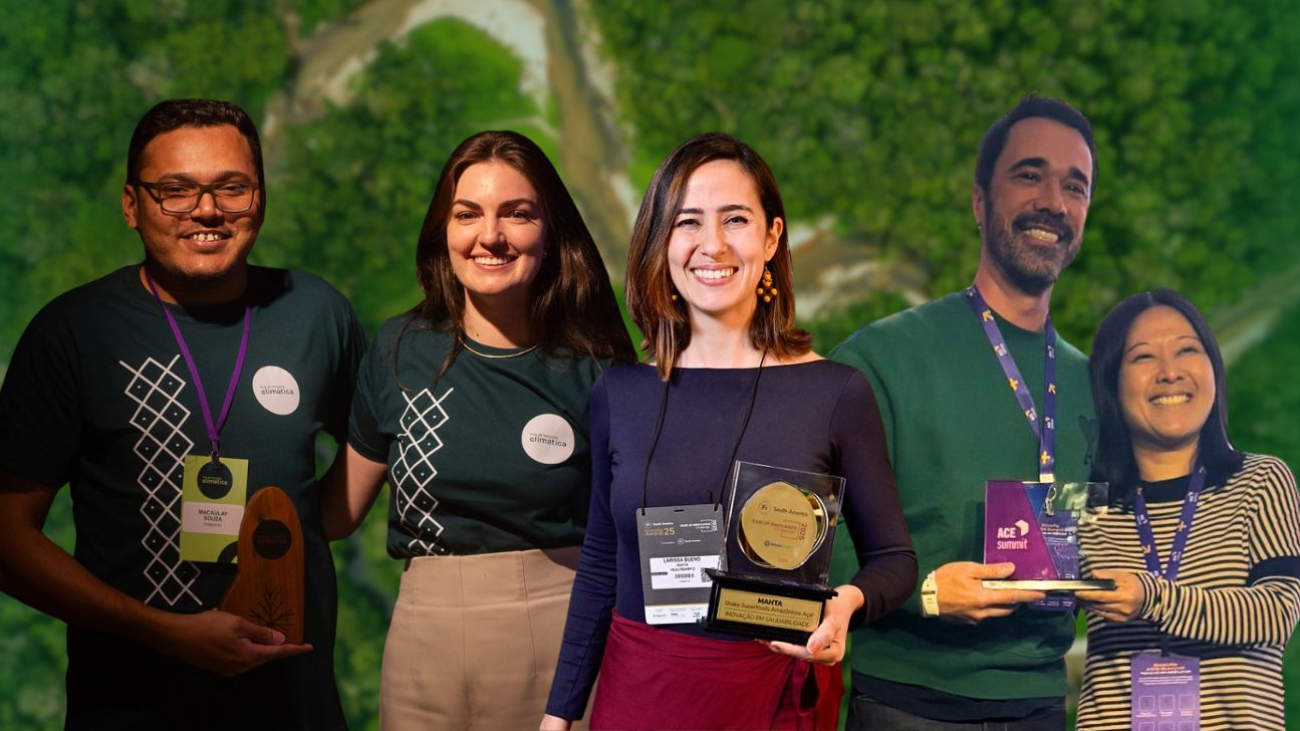
Foodtechs Mazô Maná and Mahta and fintech ForestiFI, startups in the Amaz portfolio—an impact business accelerator coordinated by Idesam—have won national and international awards, demonstrating how Amazonian biodiversity can inspire innovative solutions with socio-environmental impact.

Mazô Maná was named Startup of the Year in the ESG category in the Future Builders program, promoted by ACE Ventures, during the ACE Summit 2025. Founded in 2022 in Altamira, Pará, with the mission of nourishing the world through the abundance and wisdom of the forest, the company combines multiple Amazonian ingredients into a supershake and works in partnership with traditional communities and indigenous peoples of the Terra do Meio region, in the Xingu region.

For Zé Porto, the company's co-CEO, the recognition validates a business model that breaks with the traditional startup logic, placing the forest at the center of the solution. "Mazô Maná was born from a need for the forest and built a multifaceted model around it to generate impact. This award shows that it's possible to think of innovation beyond financial gain, placing the forest at the center of the solution," he stated.
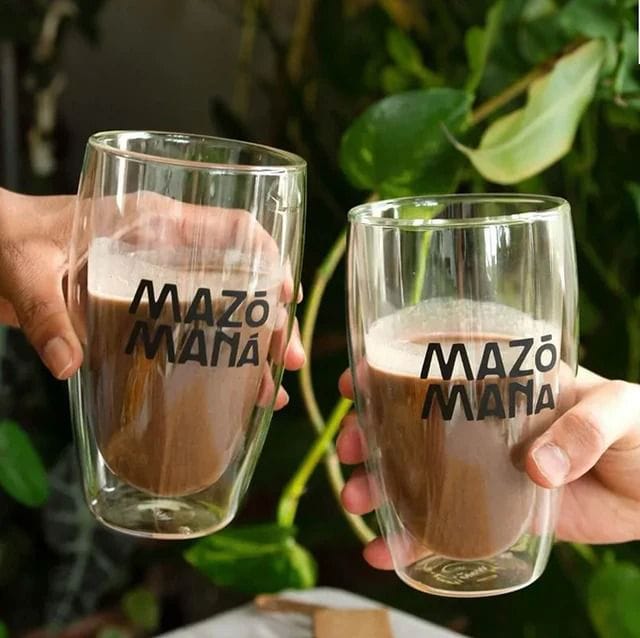
Mazô Maná creates superfoods with ingredients from the Amazon (Disclosure/Amaz)

Zé also emphasized that Mazô Maná's essence is directly connected to ESG principles, not as a side strategy, but as part of the business's very structure. According to the entrepreneur, this approach has resulted in concrete impacts, such as the creation of compensation mechanisms for forest peoples and the promotion of Amazonian ingredients alongside large companies.

"We don't treat ESG as a separate chapter; it's part of Mazô Maná's design. All governance is built with transparency and community inclusion, and this generates real impacts, from mechanisms that reward socio-environmental services to encouraging large companies to recognize the value of Amazonian ingredients," he noted.

Superfood wins Startup Innovation Awards

Mahta, a foodtech company that operates in the area of dietary supplements and currently operates with 5 products, won the gold medal at the Startup Innovation Awards – promoted by Food Ingredients South America – in the Innovation in Health category, with the product Mahta Shake de Superfoods (acai and camu-camu flavor).

The blend combines 14 ingredients, including seven freeze-dried Amazonian fruits, Brazil nut pie as a protein source, and agroforestry cupuaçu pulp developed in partnership with the RECA Cooperative in Rondônia. For Larissa Bueno, the startup's innovation manager, the award reinforces the role of Amazonian biodiversity as a driver of food innovation.
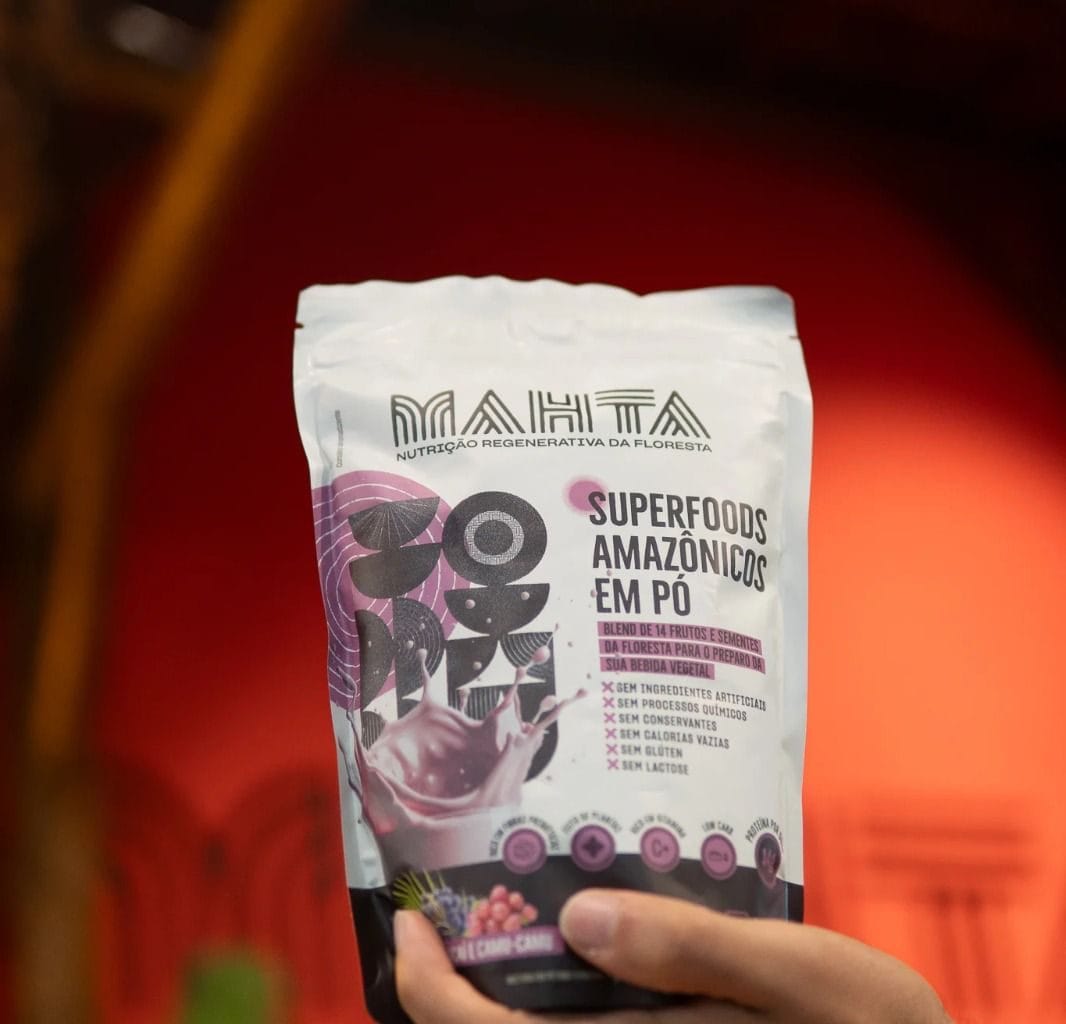
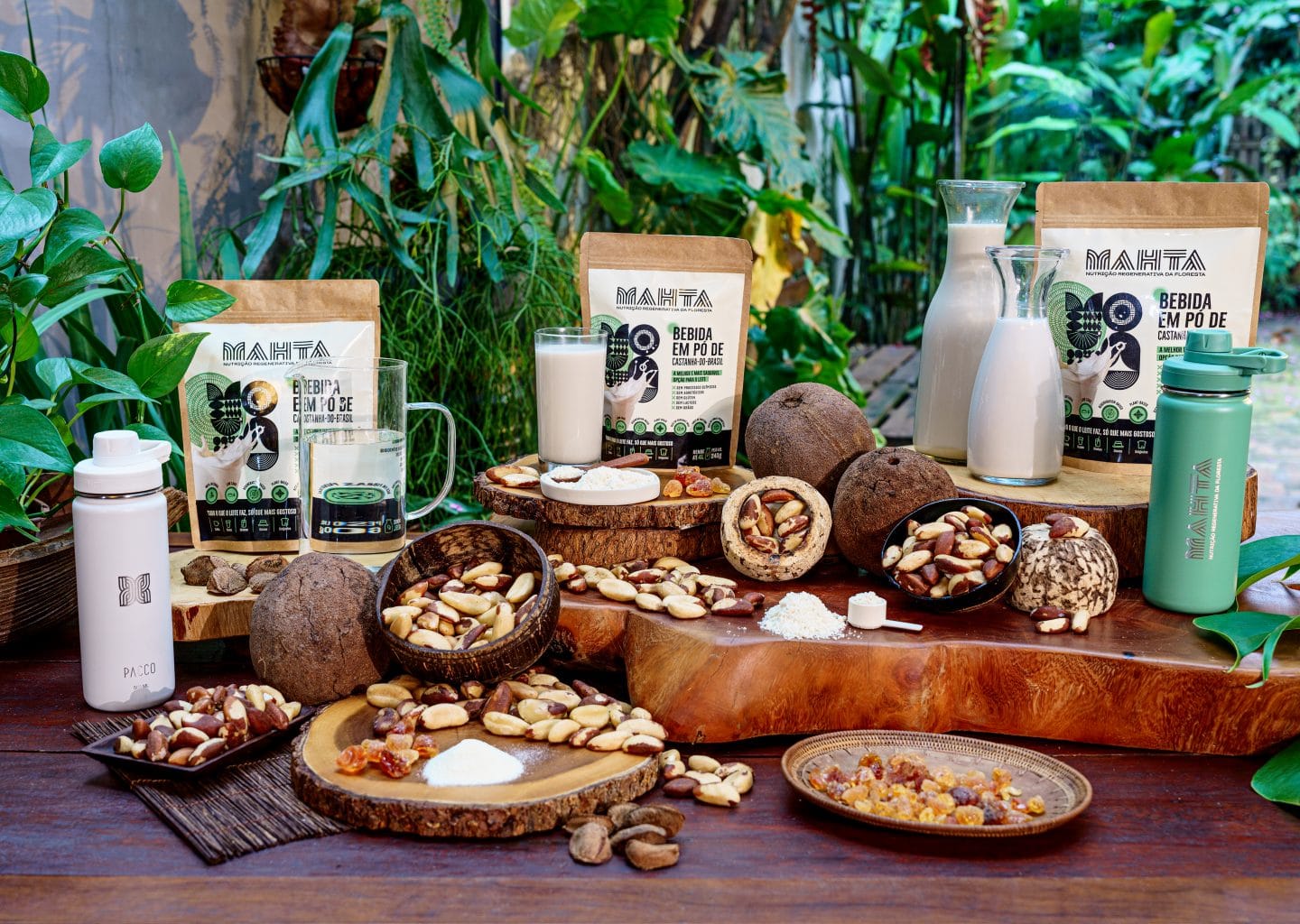
Mahta develops powdered functional foods with ingredients from the forest (Disclosure/Amaz)

"We know that one of the best ways to preserve biodiversity is through sustainable use. For Mahta, innovation is a key tool for enabling the widespread application of Amazonian biodiversity and the development of its value chains. However, this use must be carried out according to the principles that regulate access to biodiversity and from a systemic perspective that involves nutritional technology, social justice, and regenerative land use practices," he emphasized.

The award is one of the most traditional in the food and beverage segment and has historically recognized companies and products that combine science and functionality. In 2023, Mahta won 1st and 2nd place in the 'Most Innovative Product' category, with its Superfoods Shake (cocoa flavor) and Mahta Coffee (Original flavor), respectively. In 2024, first place went to Mahta's Brazil nut powder drink in the 'Most Innovative Product' category.

Being a finalist in the awards once again puts the startup in the national spotlight, reinforcing its commitment to a healthier, fairer future connected to the community that believes in the potential of the Amazon rainforest.

ForestiFI at COP 30

ForestiFi, a fintech that tokenizes assets from sustainable Amazon management chains, was selected at the Demoday hosted by the Climate Innovation Hub in São Paulo. The startup received a R$45,000 investment to expand its investment platform, as well as travel and accommodations for company representatives to attend COP 30 in Belém.

According to Macaulay Abreu, co-founder of ForestiFi, the contribution represents more than a financial incentive, opening the way for strategic connections at a global level, especially in the context of the next COP. "The resource ends up being something incremental. Our main focus will be to prepare for the agenda that will be developed at the COP together with the program's organizers and sponsors. The expectation is to expand strategic connections, develop new fundraising tools, and continue to improve what we are already doing," he explained.
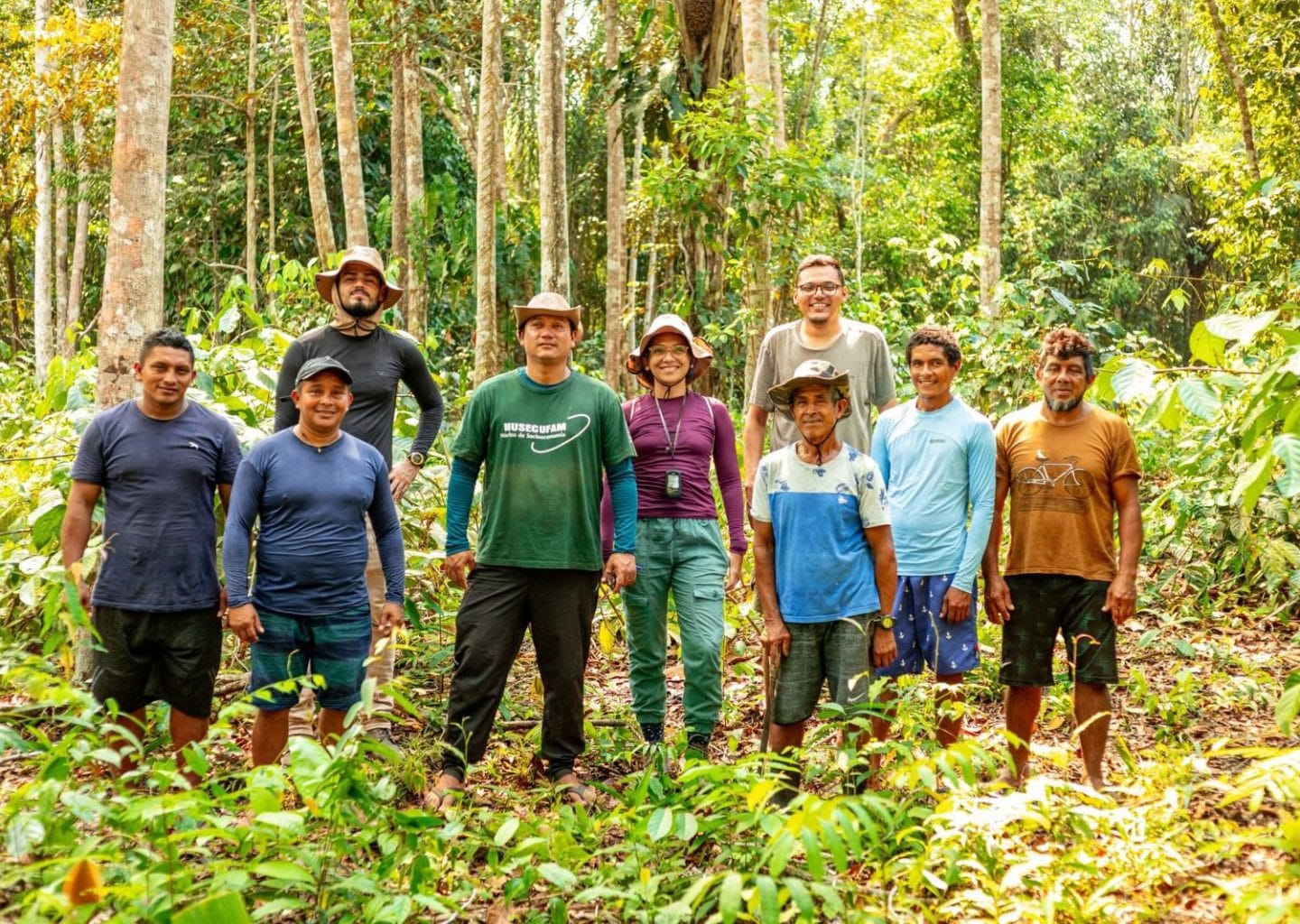
ForestiFi facilitates and enhances investments in production chains in the Amazon (Disclosure/Amaz)

For him, the recognition at the event also reinforces the company's consistent work in the Amazon region. The startup tokenizes natural assets via blockchain, generating traceability and income for farmers and extractivists, while connecting local projects with investors interested in socio-environmental impact.

"There were several high-level businesses competing, but we believe that the participation and the model we're developing were the key to this recognition. This demonstrates that our work is pioneering in the region and that the results achieved have been significant, recognized by partners, beneficiary organizations, and investors alike," the co-founder added.

The ACE Summit and Food Ingredients South America are benchmark events in their segments, valuing initiatives that incorporate socio-environmental criteria, such as the ESG category (Environmental, Social, and Governance), used to evaluate companies that integrate sustainability, social responsibility, and transparency into their operations. The Climate Innovation Hub is an initiative that supports businesses focused on adapting to and mitigating the negative effects of climate change.

The Amazon Accelerator

Mazô Maná, Mahta, and ForestiFi are part of the Amaz Aceleradora de Impacto portfolio, an initiative of the Amazon Conservation and Sustainable Development Institute (Idesam) that supports businesses with solutions to the region's challenges, from sustainability to income generation for local communities.

Initiatives like this are considered strategic for forest preservation, supporting startups that combine environmental conservation, sustainable use of biodiversity, and economic value generation. This helps strengthen local production chains, increase positive socio-environmental impacts, and promote innovative solutions that contribute to the region's sustainable development.

Text: Maxi Media Communication
WhatsApp Image 2025-09-10 at 10.58.25

Amazon startups participate in Encontro+B Amazônia 2025 in Belém

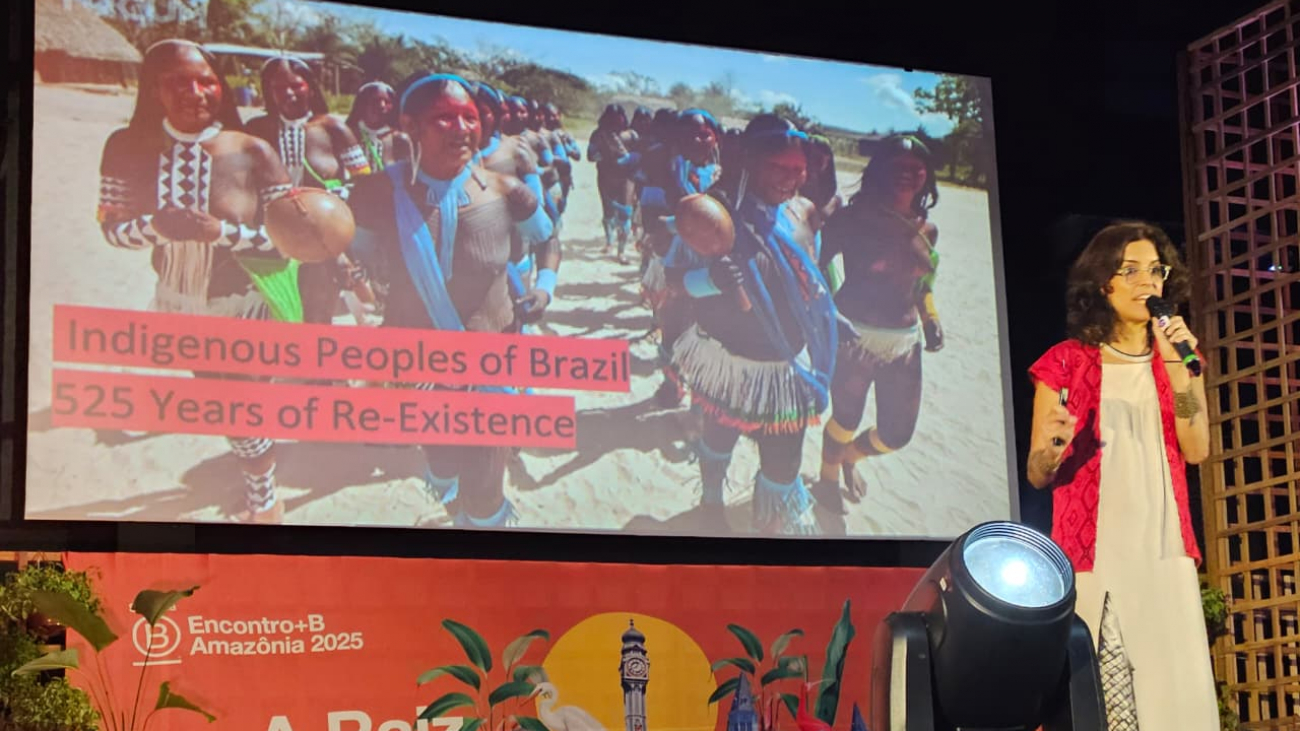
The startups in the portfolio of Amaz Aceleradora de Impacto, coordinated by Idesam, participated in Encontro+B Amazônia 2025, which took place from September 3rd to 5th in Belém, Pará. The companies, through their founders and partners, participated in panels, connections, and experiences that put the Amazon at the center of the global agenda.

Among the highlights is Tucum, represented by CEO Amanda Santana, who participated in the "Raising the Bar" panel on the first day of the event, presenting "B Corp Case Study: Increasing the Level of Impact." For Santana, the B certification reflects the company's purpose and connects its operations to the transformations demanded by the market.

"Since Sistema B arrived in Brazil, we've recognized it. Unlike many companies that need to adapt, Tucum was practically born a B Corp. It's always been a challenge for us, as we're a small business, but during the pandemic, we decided to focus on it because it was part of our purpose," he stated.

Regarding Encontro+B, the businesswoman highlighted the excitement of participating for the first time, especially in an edition held in the Amazon. "I'm very excited; it's a great honor and also a great responsibility to represent the region. I was invited to present the Tucum case study on the first day, as one of the highlights of impact, and that makes me anxious and honored. It will be special to be in Belém, looking into the eyes of so many people, so close to COP30. I think it will be a meeting to remember," she exclaimed.

In addition to Tucum, two other startups from Amaz's portfolio will also be on stage at Encontro+B. Manioca, represented by Paulo Reis, and Mahta, led by Max Petrucci, will participate on the second day (4) to expand the dialogue on the theme "Activating the Future." The panel highlights the perspective that collective actions will be key to the legacy leading up to COP30, reinforcing the role of B Corps as agents of transformation.

It is no coincidence that, at a decisive moment for the planet, Sistema B — a global movement that seeks to redefine capitalism through companies committed to socio-environmental impact — chose the city of Belém (PA) to host the sixth edition of Encontro+B Amazônia 2025.

The event marks a strategic step towards the COP, in November, also in the capital of Pará, and promises to connect business leaders, indigenous communities, civil society representatives, investors and academics under the motto "The Root of the Future."

Other perspectives

Foodetch Tribos Superfoods, also part of Amaz's impact business portfolio, is pursuing certification. The startup's CEO, Maurício Pantoja, attended the event as an attendee and stated that he sees the meeting as a strategic opportunity to learn and be inspired by companies that have already followed this path.

"The certification proved to be very compatible with the business style and relationships we've been seeking. For us, in addition to market validation, it's also an opportunity to partner with other companies that believe in social and environmental impact, not only in the Amazon, but throughout Brazil and the world," explained Maurício.

The businessman also emphasized that his participation in Encontro+B Amazônia was strategic in accelerating the certification process. "This week was incredibly important for meeting companies that have already followed this path, understanding how they maintain consistency over time, and, most importantly, learning through side conversations how we can prepare to earn the seal. Even if it takes a while, the idea is to already apply the B System standards in our daily lives," he added.

Vivalá, another business in the accelerator's portfolio, also played a special role at the event. On Friday (5), the date Amazon Day is celebrated, the startup, in partnership with Natura, conducted two immersion experiences in local communities, bringing 80 people to experience the sociobioeconomy firsthand. The initiative is part of a project that seeks to transform tourism into an alternative source of income.

"Being at Encontro+B and providing these experiences is a way to show that tourism can be an ally of conservation and sustainable development. It's about generating income, but also valuing the knowledge and culture of Amazonian communities," said Pedro Gayotto, co-founder of Vivalá.

Vivalá team during Amazonian immersion (Disclosure/Amaz)

Held since 2012, Encontro+B is one of the B Movement's main events in Latin America. Now in its sixth edition, it features the motto "The Root of the Future" and brings together entrepreneurs, investors, organizations, and communities to discuss impactful solutions that point the way toward a more just, sustainable, and collective future.

Text: Maxi Media Communication
A imagem mostra Michelle Guimarães, CEO da Navegam, segurando a Revista da Exame em frente a um painel do ranking "Negócios em Expansão".

Amazonian sociobioeconomy startups stand out in ranking of fastest-growing businesses in Brazil

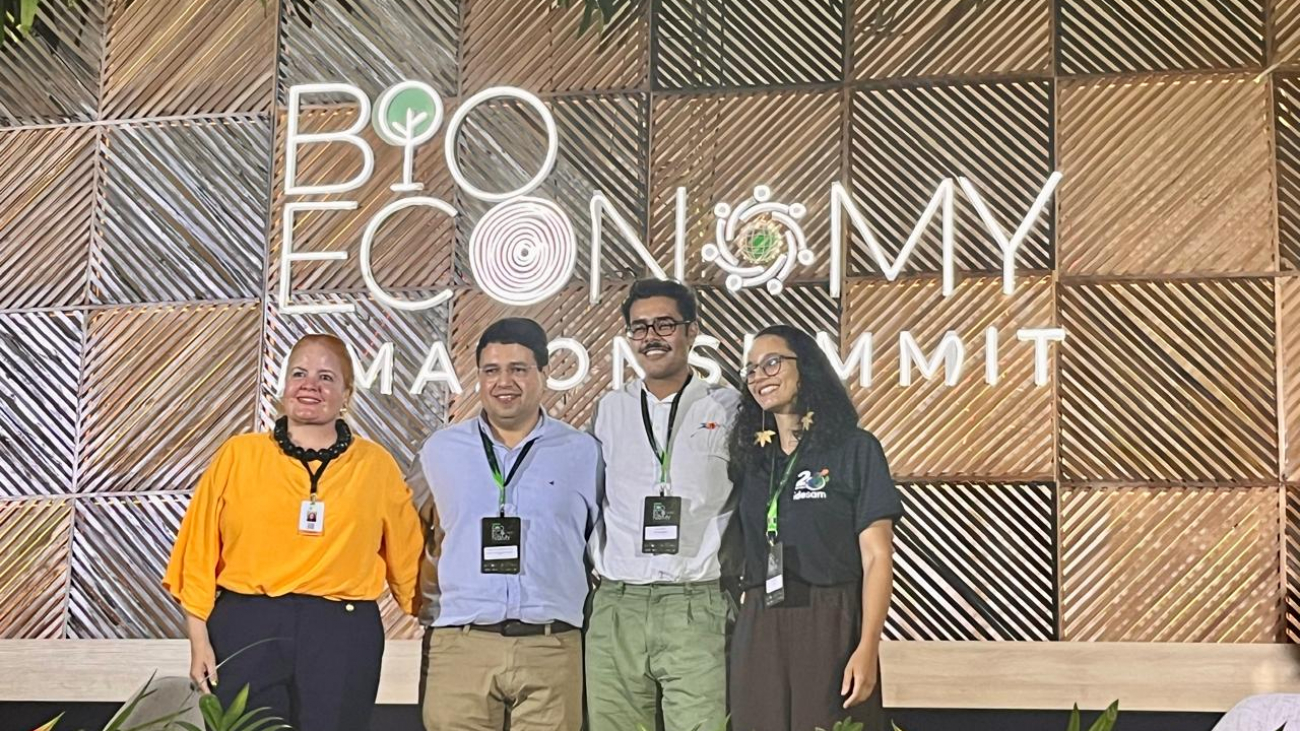
Two startups from the AMAZ Impact Accelerator portfolio stood out in the 2025 edition of Exame Business Ranking in Expansion, in the R$ category, with annual revenues of 5 to 30 million: Navegam, which revolutionizes mobility in the Amazon by digitalizing the sale of river tickets and facilitating access between riverside municipalities, and Mahta, which combines science and ancestral knowledge to create superfoods that regenerate both the human body and the Amazon biome.

The nationally recognized selection, conducted by Exame magazine in partnership with BTG Pactual, evaluates high-growth companies based on the percentage change in Net Operating Revenue (NOR). Navegam and Matha are part of the select group of 470 fastest-growing businesses in Brazil and have already been ranked in previous editions. In 2024, Matha ranked 3rd in this revenue bracket, and Navegam also appeared in the 2023 ranking and will return in 2025 as a benchmark in the river logistics sector in the Amazon—one of the greatest challenges in our region.

For Navegam CEO Michelle Guimarães, being in the ranking is a great opportunity to showcase the work developed by the startup, as well as inspire other entrepreneurs.

"I've had a very special relationship with Exame, dating back to the 2000s, when I was 15. I was a subscriber and dreamed of one day being featured in the magazine in some way. And today, 25 years later, my company, along with my partners and all the history we carry, is featured in Exame, in the "Burgeoning Businesses" ranking. It's a tremendous recognition," said the impact entrepreneur.

According to Mahta CEO Max Petrucci, the company's appearance on the list highlights the startup's continued evolution and reinforces the importance of business models that combine innovation, purpose, and sustainability at all stages of growth.

"For Mahta, the greatest recognition is demonstrating that it's possible to grow rapidly without compromising our commitment to social and environmental impact. While many companies see this as an obstacle to growth, for us, this mission is what drives us and defines the value we deliver to society," said Petrucci.

Max Petrucci, CEO of Mahta (Disclosure/Amaz)

Amaz's role in this journey

The presence of Mahta and Navegam in Exame's ranking also highlights the role of Amaz Aceleradora in the growth journey of these businesses. Created by the Amazon Conservation and Sustainable Development Institute (Idesam), Amaz's mission is to foster companies that have a positive socio-environmental impact and are born from the needs and potential of the Amazon region.

For Gabriela Santos, New Business Leader at Idesam, the national recognition of both startups demonstrates that it's possible to combine innovation, scale, and commitment to the region. She highlights Mahta's consistent growth trajectory and its evolution even in challenging situations, combined with an impact model based on environmental regeneration and the appreciation of sociobiodiversity.

"Mahta stands out for co-creating solutions that respect traditional knowledge, strengthen value chains with communities, and bring science to the center of positive impact. It's a business that transforms lives and territories through food and standing forests," he highlighted.

Mahta, an Amazonian superfood startup (Disclosure/Amaz)

In the case of Navegam, which appeared in 11th place in the overall ranking, Gabriela highlighted the relevance of a solution built based on direct experience in the Amazon.

"Navegam connects previously invisible communities and locations, providing access to goods, services, and opportunities through rivers. Operating in one of the region's biggest bottlenecks—logistics—it has established itself as the only company with sufficient reach and experience to make river logistics more accessible. Amaz invests in this thesis because we believe in its transformative potential, which goes far beyond the movement of goods, but also in the expansion of rights, inclusion, and dignity in the deep Amazon," he concluded.

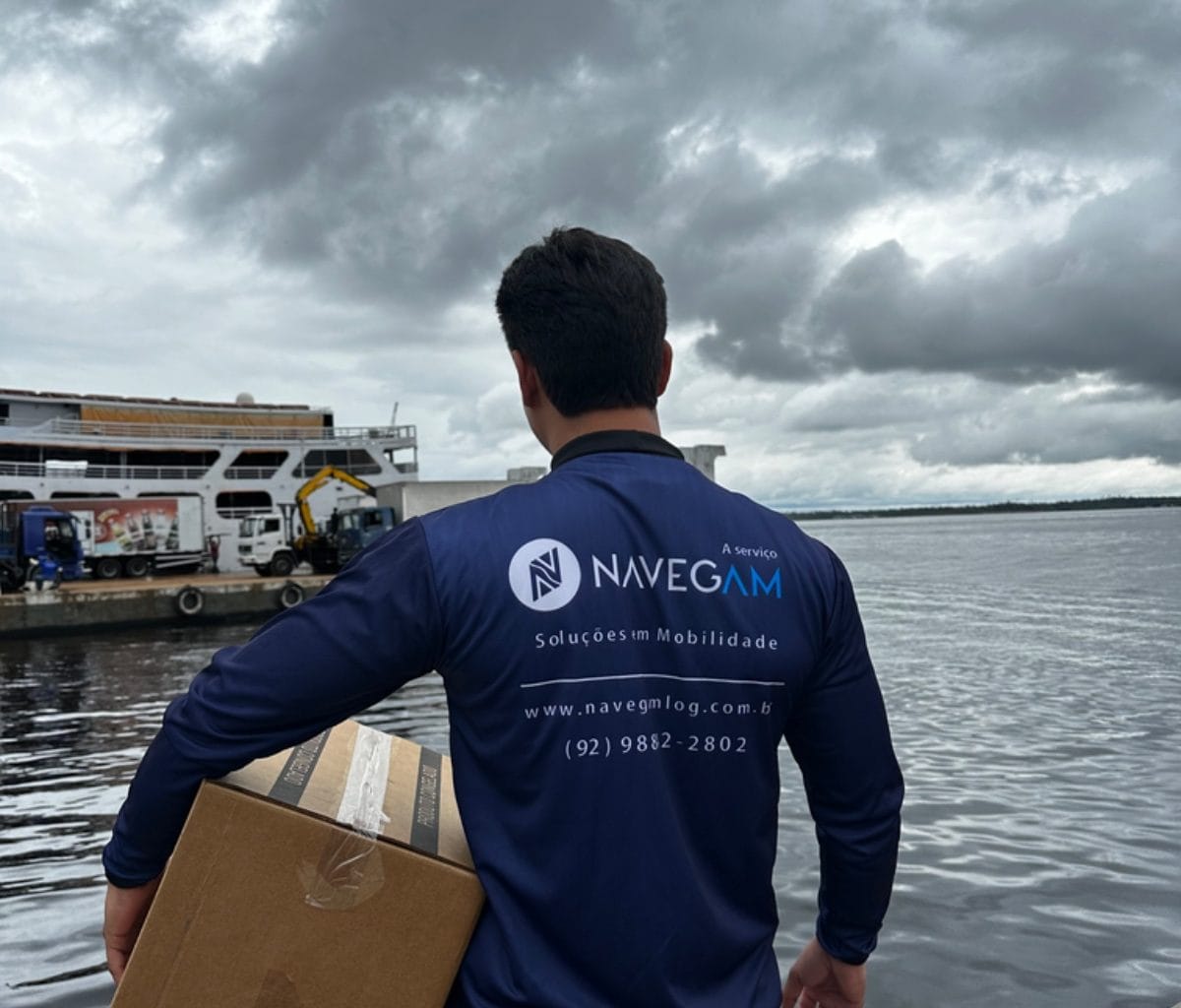
Navegam, a river mobility solutions company (Disclosure/Amaz)

Text: Maxi Media Communication
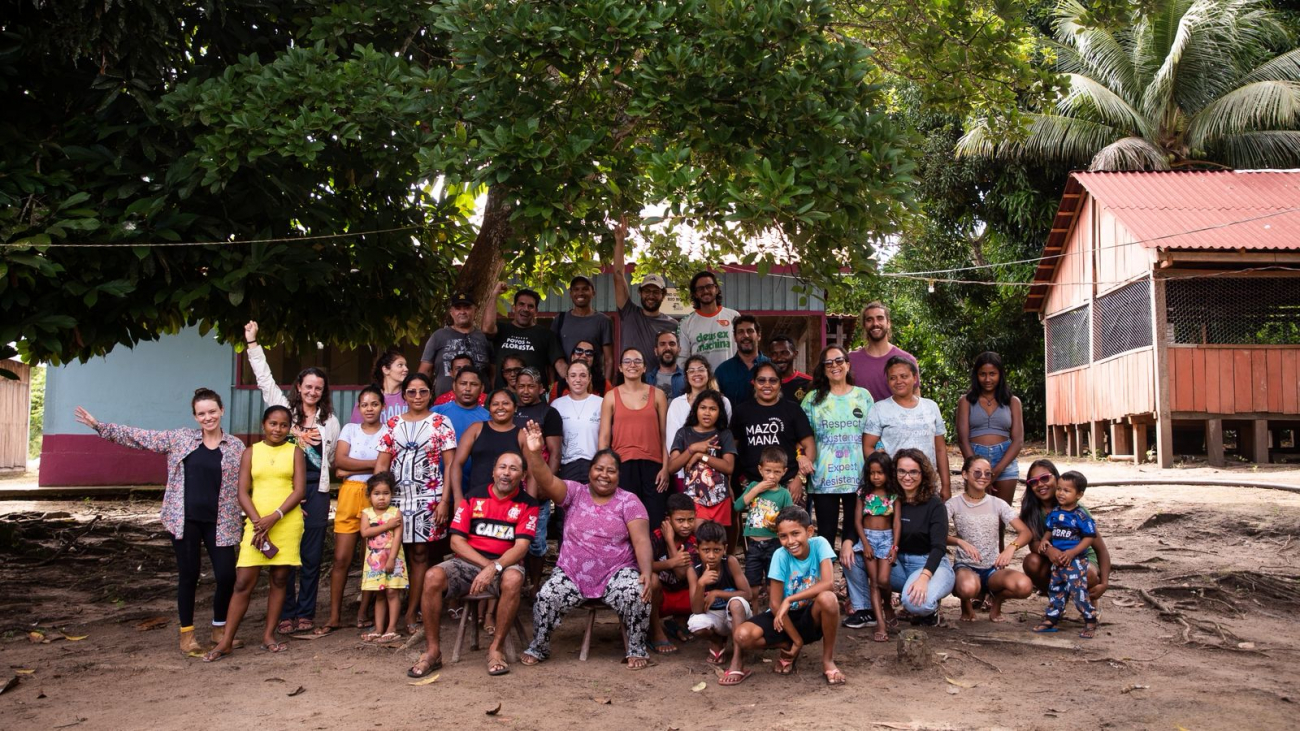
Imagem da equipe na mentoria.

Amaz focuses on innovation in mentoring phase with Tribo Superfoods

Text: Maxi Media Communication

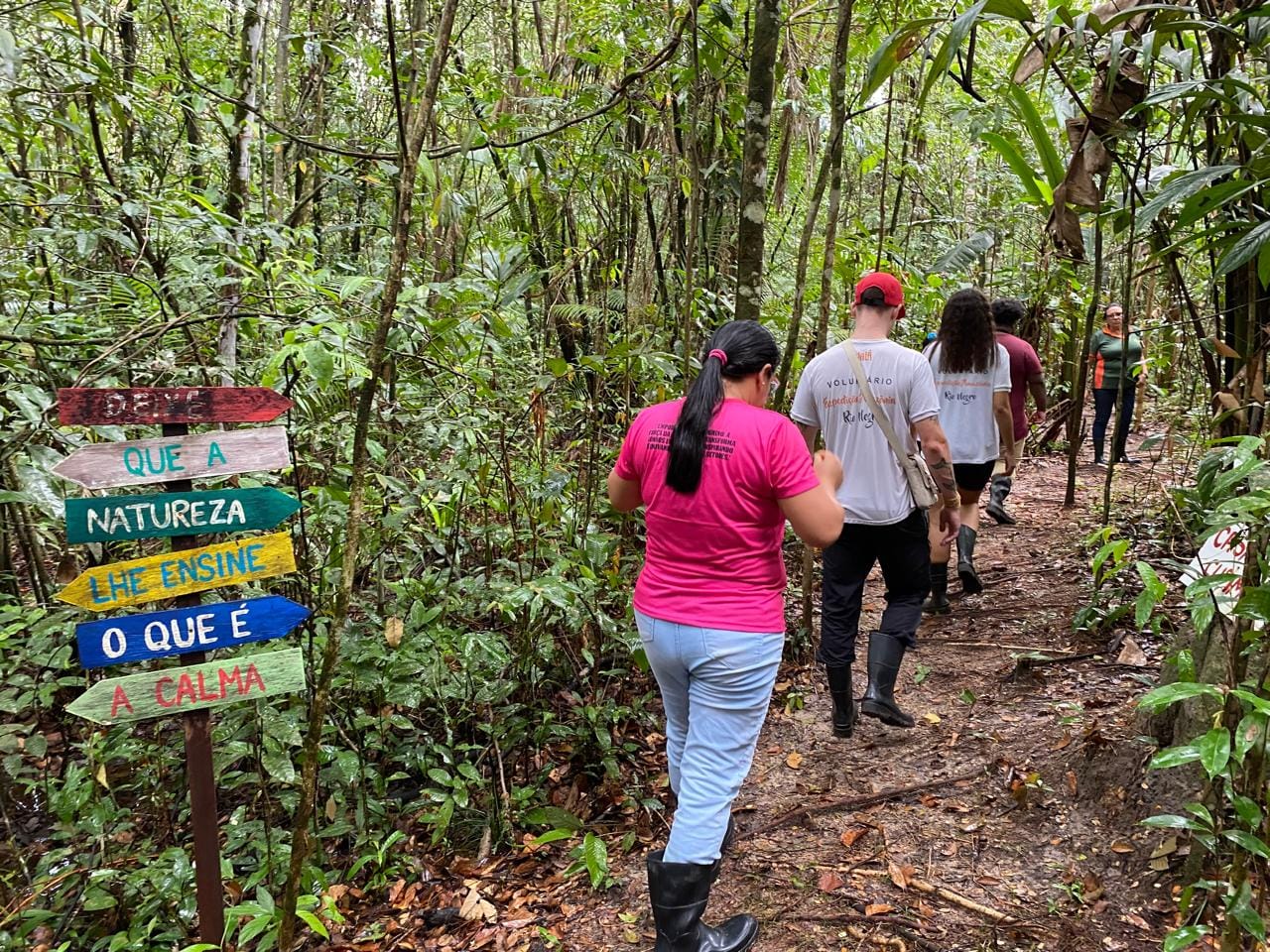
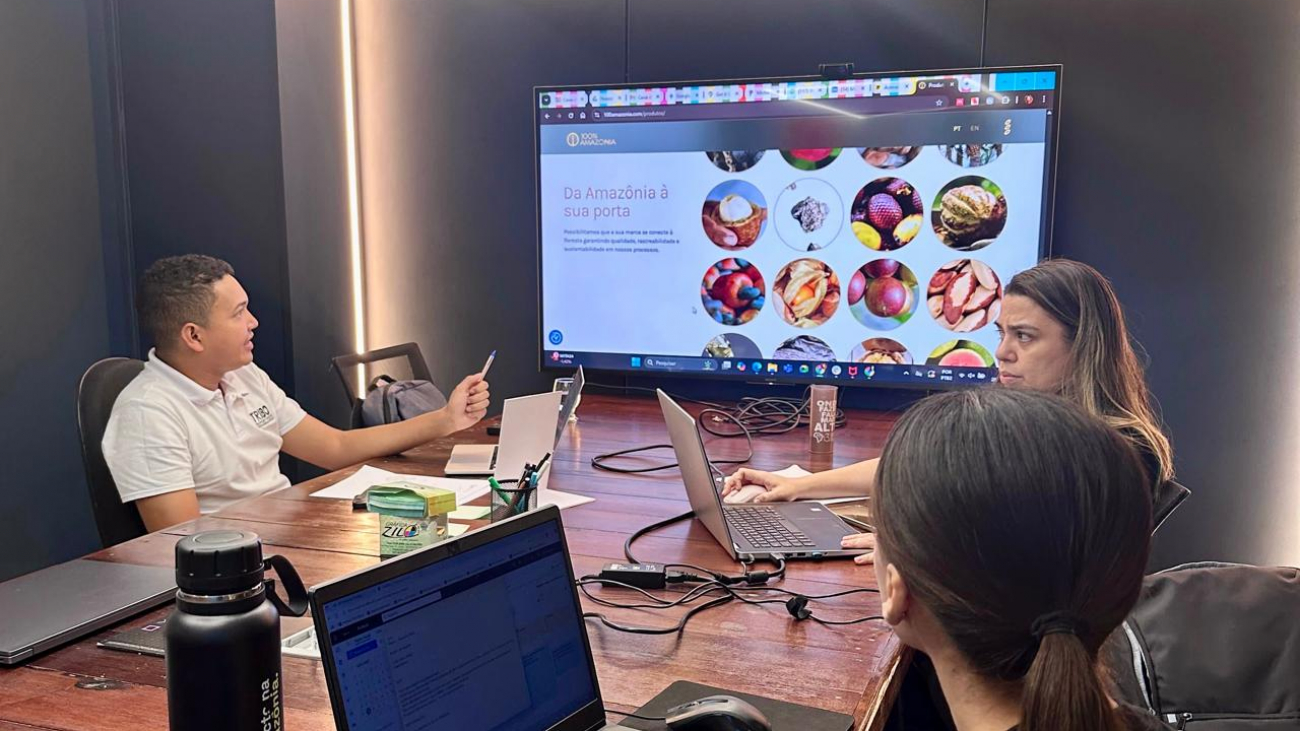
Tribo Superfoods, a company in the Amaz portfolio, participated in an in-person mentoring session with consultant Glaucia Goettenauer of Tropos Amazônia and the Amaz acceleration team. The meeting, held at Idesam's headquarters in Manaus, focused on deepening the business's value proposition, a strategic step within the customized acceleration plan developed for each initiative supported by the accelerator.

Mentoring marks the transition between the first and second semesters of the acceleration journey, a time when each business's plans are reevaluated to define the next steps with even greater focus and clarity. At the startup, the focus on innovation and production processes was identified as a priority in the new cycle, and the activity served as a starting point for the new phase.

"The acceleration journey enters a new phase, focusing on organizing businesses and strengthening their processes. Through mentoring, like the one Tribo Superfoods experienced, each startup redefines priorities and charts its next steps more clearly, striving for growth and aligning business development with positive impact," observed Rafael Moreira, acceleration leader at Amaz.

For Glaucia Goettenauer, mentor at Tropos Amazônia, moments like these are crucial for companies at different stages of development. "Mentoring is extremely strategic and beneficial for startups to evolve and expand their horizons. In mentoring Superfoods, I brought expertise in understanding the value chain, the impact it generates, and how we can improve this product within the company's processes," she explained.

The mentor also highlighted the startup's existing potential in engaging with communities, especially in the superfruit market. "Tribo Superfoods is already generating a significant positive impact by successfully establishing this bridge between cooperatives and the market. The simple act of connecting those who harvest the açaí on the farm with the marketing channels transforms the process. There's still plenty of room to grow and strengthen this communication with producers and consumers," the expert stated.

The startup

Tribo Superfoods is a food tech company from Pará that offers products such as pulps and pieces of superfruits grown in the Amazon. The food is produced in partnership with regional producers, preserving the original flavors and knowledge, while also preserving the forest.

The startup's CEO, Maurício Pantoja, defined the meeting as a moment of in-depth diagnosis and strategic alignment. "It was a conversation that helped us look at the business itself: our purpose, structure, team, objectives, and metrics. It was a time to question ourselves, understand critical points, and consciously map out the next steps," he stated.

According to Maurício, the morning's work was intense and productive, reinforcing Tribo's commitment to quality growth and maintaining a positive impact on the families and communities the company serves. "This type of mentoring helps us better structure the business, respecting the limits of good work and expanding our capacity to generate transformation," he concluded.

painel BAS 2025

Amaz reaffirms that investment in the bioeconomy needs to adapt to meet the needs of the territory and the businesses that are already being developed. 

Text: Maxi Media Communication
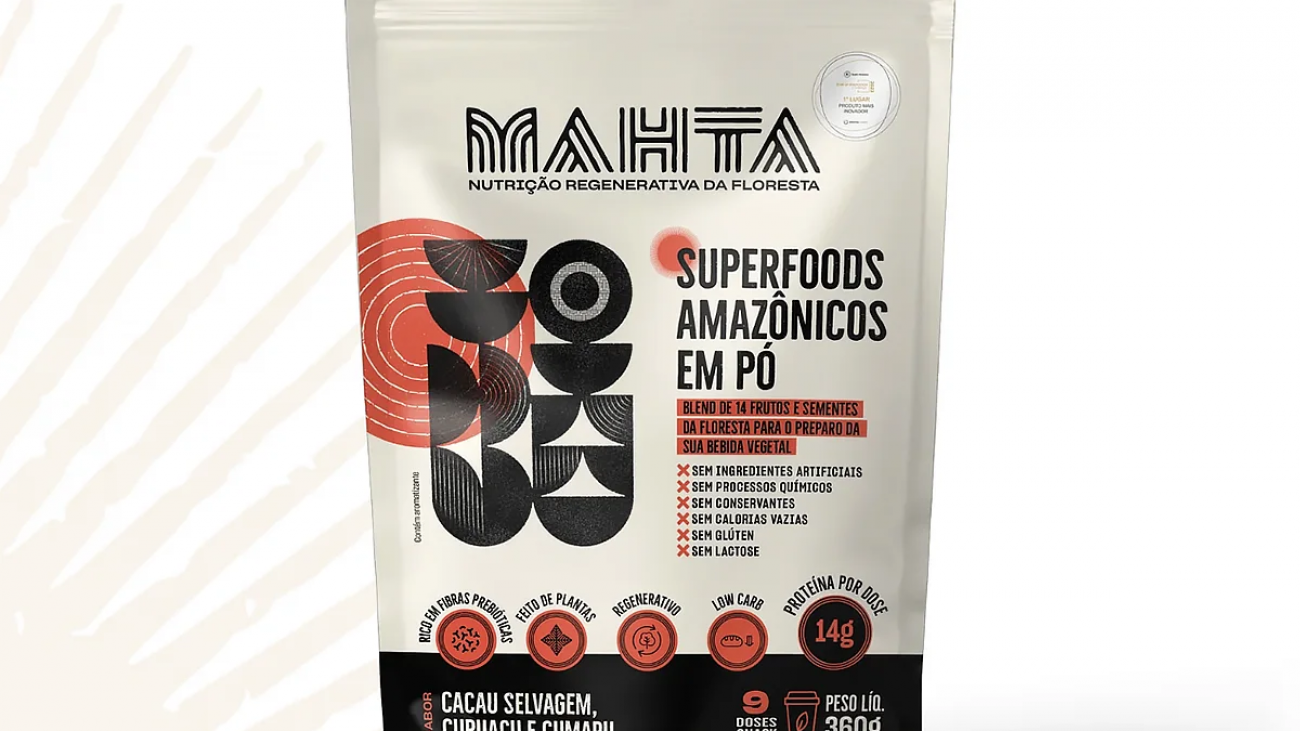
Photo: Daniela Lopes

At the second edition of the Bioeconomy Amazon Summit (BAS), which took place on July 30 and 31 at the Vasco Vasques Convention Center in Manaus, the discussions, connections, and opportunities revolved around how to overcome the challenges of scale, logistics, and investment for businesses that are already active or in the incubation phase. 

Officially launched in September 2023 by the Global Compact – Rede Brasil and the venture capital firm KPTL, the Bioeconomy Amazon Summit (BAS) aims to broaden the discussion around the role of innovation and entrepreneurship in the Amazon in the global climate change agenda. 

Gabriela Souza, operations leader at Amaz, an impact accelerator coordinated by Idesam, highlighted during the panel "The Prospects for the Bioeconomy from the Perspective of Startup Ecosystem Coordinators" that capital investment in the Amazon bioeconomy needs to be patient. "The private capital that arrives must be intentional, catalytic, and patient. We must ensure that financial solutions truly understand the business demands and then design solutions. I think that when we talk about ecosystem businesses, the challenge is always figuring out what the next financial support will be, what the next fundraising will be," the manager points out. 

Also present at the debate were Carlos Carvalho, director of biobusiness at CBA, and entrepreneur Priscila Almeida of Assobio. In addition to the panels, the event hosted business roundtables and brought together 150 startups in the entrepreneurial arena. 

Impact Connections 

Startups from Amaz's portfolio were also present. Tribo Superfoods CEO Mauricio Pantoja highlighted the importance of BAS in finding strategic partnerships and new customers for the business. 

"What's important here are the great opportunities to connect with other entrepreneurs who can help our businesses, whether because they operate in the same management chain as us or even through exchanging conversations with other entrepreneurs, learning from the journey of the more experienced ones," Pantoja observed. 

In addition to Tribo Superfoods – a startup that operates in the açaí, cupuaçu, and cocoa chains, benefiting two cooperatives and impacting 340 families in communities in Igarapé-Mirí and Abaetuba, in Pará – other startups from Amaz's portfolio were at the event. 

In the entrepreneurial arena, more than 150 startups were present during the two-day event, including the agroforestry cosmetics company Moma Cosméticos, the one that operates in the superfood sector, Mazô Maná; Zeno Nativo, which also operates with food in the sustainable management chains of cocoa and Brazil nuts; and ForestiFI, a fintech that works with tokenization of forest assets, all of which are part of Amaz's business portfolio. 

AMAZ Divulgação

Amazon aims for expansion with a focus on conservation, income, and social justice by 2030 

Text: Maxi Media Communication
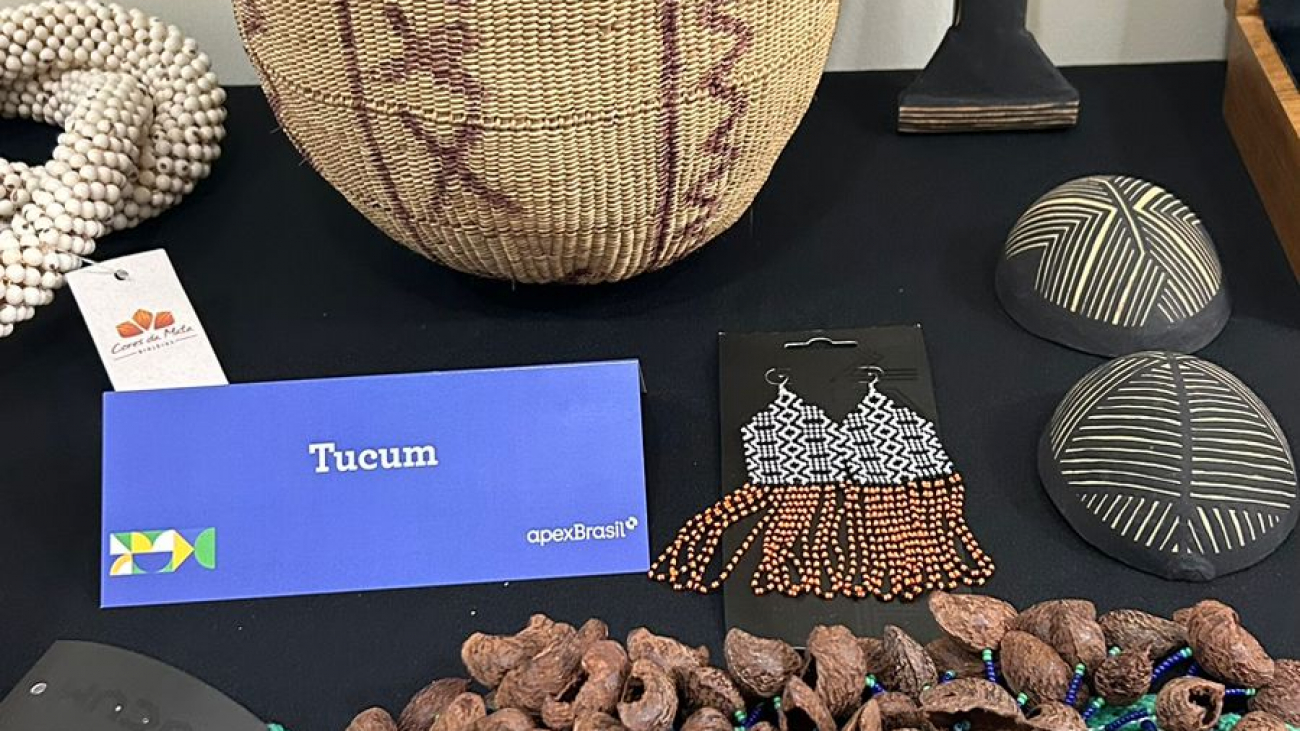
Photo: Mazô Maná Disclosure

Operating across more than 6.4 million hectares in the Legal Amazon, the AMAZ Impact Accelerator directly benefited 1,959 families and 45 social organizations, generating R$ 4 million in payments to local partners throughout 2024. The data is part of the 2025 Impact Report, released this Monday, July 28, a day when nature conservation is celebrated worldwide. The figures reinforce the potential of the bioeconomy as a driver for sustainable development in the region. 

Coordinated by Idesam, AMAZ is now in its fifth year consolidating its position as the largest impact accelerator in the North, bringing together a strategic portfolio of 14 businesses by 2024, focused on the sustainable management of natural resources, ecosystem restoration, and strengthening production chains. 

"The report confirms our commitment to transparency, measurement, and management of positive socio-environmental impact. Measuring the depth of transformations in the region is a challenge, but also an essential guide for us to move forward with purpose," says Mariano Cenamo, CEO of AMAZ and Director of New Business at Idesam. 

Startups that strengthen the forest bioeconomy 

The accelerated businesses operate in different sectors of the Amazonian bioeconomy, such as sustainable logistics, food, fashion and indigenous art, natural cosmetics, community-based tourism, and environmental regeneration. The portfolio is intentionally diverse, reflecting the region's multiple stages of maturity and territorial profiles. 

To support these initiatives, the accelerator operates through an innovative model of blended finance, combining philanthropic and private resources. Since its inception, it has raised R$25 million in impact investments. 

"AMAZ operates at key points in the ecosystem's development, offering technical, legal, accounting, and marketing support, in addition to financing. The JBS Fund for the Amazon recognizes that the investment made has generated a positive and concrete impact on the forest's bioeconomy," emphasizes Lucas Scarascia, Project and Operations Monitoring Manager at the Fund, one of the accelerator's financiers. 

Challenges and lessons learned in measuring impact 

Measuring socio-environmental impact is a challenge given the diversity of territories and business models.  

In this edition, the report focused on social indicators and the total area of operation consolidated due to the complexity of data collection, standardized across different contexts – which include Indigenous Lands, Conservation Units and Extractive Reserves. 

 "We're developing our own tool to individually assess each area of operation, in addition to advancing the standardization of data submitted by businesses. The complexity is significant, but the quality of the information is a commitment," explains Gabriela Souza, operations leader at AMAZ. 

The report also included an updated “AMAZ Glossary” and a new individual mapping of accelerated businesses. 

Ambition to expand impact 

With its eyes on the future, AMAZ has set bold goals for 2030: 

• 80 businesses invested 

• 10 thousand families benefited 

• 10 million hectares preserved 

• R$ 75 million invested directly in the region 

• R$ 25 million raised in new investments 

"We will continue building bridges between entrepreneurs, partners, and investors. Our focus remains on the well-being of those who live in the Amazon. A standing forest, with people caring for it, is the best investment we can make," concludes Mariano Cenamo. 

About AMAZ 

With five years of experience, Amaz is the largest impact business accelerator focused on the Legal Amazon. Coordinated by Idesam, it works to empower entrepreneurs who contribute to forest conservation, income generation, and social justice in the region. 

Créditos - Divulgação

Brazilian Deep Tech Forum 2025 arrives in Manaus

Idesam is a local co-organizer of the bioeconomy innovation agenda 

Held by Wylinka — a non-profit organization that transforms scientific knowledge into innovation for the country's sustainable development — together with Caos Focado — a venture builder specialized in creating deep tech startups — Brazilian Deep Tech Forum disembarks in Manaus on July 29th.

More than just an event, the Forum is where science, technology, and purpose meet to strengthen the narrative of scientific innovation in Brazil and drive a new economy based on impact and collaboration. The Manaus edition is sponsored by Natura, reinforcing its commitment to initiatives that unite biodiversity, science, and sustainable development.

Aiming to foster discussions that generate local impact, the Forum will feature panels focused on the bioeconomy, the leading role of Amazonian biodiversity, and the connection between science and the market, addressing topics such as debureaucratization, financing, and resources, bringing together experts, entrepreneurs, and agents of the innovation ecosystem.

As a local partner, Idesam adds value to the event, especially through its bioeconomy innovation initiatives and new businesses. Bioeconomy Priority Program (PPBio) was conceived by the Superintendence of the Manaus Free Trade Zone (Suframa) and coordinated by Idesam with the aim of capturing resources from mandatory investments in R&D (Computer Law) to generate new products, services and businesses for the Amazon Bioeconomy.  

Already the AMAZ is the largest impact business accelerator in the north of the country, fully dedicated to entrepreneurs who work in the Amazon region, generating positive impacts for the forest and its populations. Its acceleration program is customized to meet the real demands of the businesses that make up the portfolio during the acceleration journey. 

More than discussing the future, the Brazilian Deep Tech Forum aims to build it. And the starting point is now. Sign up and stay up to date with all the latest news from this in-person 100% event. at this link.

alimentos-regenerativos-mahta

In an international challenge for environmental regeneration, a Brazilian startup develops a supplement with inputs from the Amazon

Mahta is a food tech company that produces dietary supplements with ingredients from the Amazon rainforest, delivering nutritional value to consumers and promoting conservation of the biome. Since 2021, it has been part of the portfolio of Amaz Aceleradora de Impacto, the leading company in the North Region, and was recently a finalist in the international challenge "The Great Food Redesign."

Promoted by the Ellen MacArthur Foundation, in partnership with the Sustainable Food Trust, the challenge was created in response to the report "Making Nature-Positive Food the Norm." The document recognizes the benefits of circular food design and seeks to engage the fast-moving consumer goods (FMCG) industry in building a more sustainable food system.

Through workshops and mentoring with experts, entrepreneurs created or redesigned foods focused on environmental regeneration, working from ingredient selection to the development of sustainable packaging.

One of the participants was Mahta, which uses Amazonian ingredients such as cocoa, cupuaçu, açaí, cumaru, soursop, bacuri, and taperebá to produce healthy supplements. The company develops its activities in partnership with traditional communities and small farmers operating in agroforestry systems.

"What motivated us to participate was our great admiration for the Ellen MacArthur Foundation. It's the world's largest organization working for the circular economy. When we saw the Challenge, we were very excited because it aligned perfectly with our purpose: to rethink the way we make food," explains Max Petrucci, founder and CEO of the startup.

New product development

The Amazon-backed startup received a £30,000 grant (approximately R$1,400,216,000 at the time). The funding was earmarked for the development of a protein blend containing bacuri, taperebá, and Brazil nuts, as well as other ingredients from the Amazon. Part of the funding also financed the redesign of the "Superfoods" line's packaging, now printed with renewable-source polyethylene.

Larissa Bueno, head of Research and Development (R&D) at Mahta, states that the experience of exchanging with other companies was crucial in strengthening the sustainable business ecosystem in the region.

"We understand that challenges such as logistics, quality assurance, and input supply are common to almost all businesses in the ecosystem. This further highlighted the importance of maintaining an open dialogue between these businesses and the existence of programs that encourage the circular economy when working with the biome's value chains," he says.

In addition to Mahta, ten other Brazilian companies participated in the event. In total, 57 businesses from 12 countries developed 141 new foods with potential for environmental regeneration.

Recognition

One of the most memorable moments of the challenge occurred this year on World Environment Day, celebrated on June 5th. The developed foods were displayed at Carrefour Brasil Group and Quitanda stores, two supermarket chains recognized for their commitment to sustainability.

All products also received the “Allied with Nature” seal, created to guide consumers in choosing sustainable foods.

Now, the CEO explains that Mahta's next steps include expanding its commercial operations and broadening the reach of the regenerative model.

"The Ellen MacArthur Foundation's recognition and support in expanding our distribution network through access to major retail chains is crucial. This encourages our plan to expand the impact generated by the Regenerative Forest System (SRF), which is our model," concludes Petrucci.

More about the challenge

The international challenge “The Great Food Redesign” is promoted by the Ellen MacArthur Foundation, in partnership with the Sustainable Food Trust, with support from the People's Postcode Lottery, the Gordon and Betty Moore Foundation and The Schmidt Family Foundation.

TUCUM

Tucum brings art from Brazilian indigenous peoples to Lisbon

Tucum, Brazil's first indigenous marketplace and one of the businesses supported by Amaz Aceleradora de Impacto, is participating in the 7th edition of “Jornada Exportadora,” an international program that runs until this Friday, July 4, in Lisbon (Portugal).

Developed by the Brazilian Trade and Investment Promotion Agency (ApexBrasil), in partnership with the Brazilian Micro and Small Business Support Service (Sebrae), the program is aimed at entrepreneurs and businesses seeking to expand commercial borders, internationalize their brands and gain space in international markets.

The current edition focuses on the Brazilian crafts sector and benefits 20 participants, including Brazilian artisans, entrepreneurs, companies, associations and cooperatives.

On Portuguese soil, the "Export Journey" program includes webinars, mentoring sessions, seminars with experts, technical visits, and roundtables with buyers and potential European partners. The goal is to provide a comprehensive immersion into the topic, present opportunities, expand the network, and strengthen business competitiveness.

Founded in 2013 with a physical store in Rio de Janeiro, Tucum quickly recognized the potential of the digital environment. Two years later, it became the country's first Indigenous art marketplace, selling clothing, bags, organic jewelry, crafts, paintings, decorative items, and other sustainable products produced by various Indigenous peoples living in the Legal Amazon.

Amanda Santana, founding partner and creative director of Tucum, highlights the importance of this opportunity for business growth.

"We came to bring indigenous art from Brazil to Lisbon and understand how the Brazilian crafts market is perceived here. We've been operating for 12 years. Sometimes, these potential customers are abroad, which requires a different sales and shipping dynamic. So, we expect that [during the Journey] we'll learn a lot about how the Portuguese market works and develop the idea further," notes Amanda Santana.

Socio-environmental impact in 2024

Tucum currently operates in four Conservation Units (CUs) and 56 Indigenous Territories (TIs) spread across eight states in the Legal Amazon, covering a total area of 2.9 million hectares. The company also works in partnership with associations, cooperatives, groups, and artists who sell their indigenous art.

Partners include the Association of Residents of the Iriri River Extractive Reserve (AMORERI), the Association of Ticuna Women Artisans of Bom Caminho (AMATU), the Association of Ashaninka of the Amônia Apiwtxa River (APIWTXA), and the Zo'é Handicraft Fund (FAZ).

Last year alone, the company purchased R$1,400,000 worth of goods, benefiting artisans from 106 indigenous peoples living in 62 traditional territories. Some of the ethnic groups working in partnership are the Baniwa, Baré, Guarani, Kayapó, Ticuna, and Yanomami.

WhatsApp Image 2025-06-17 at 14.34.50

Amaz holds meeting with the accelerated business community and supports joining Cadimpacto

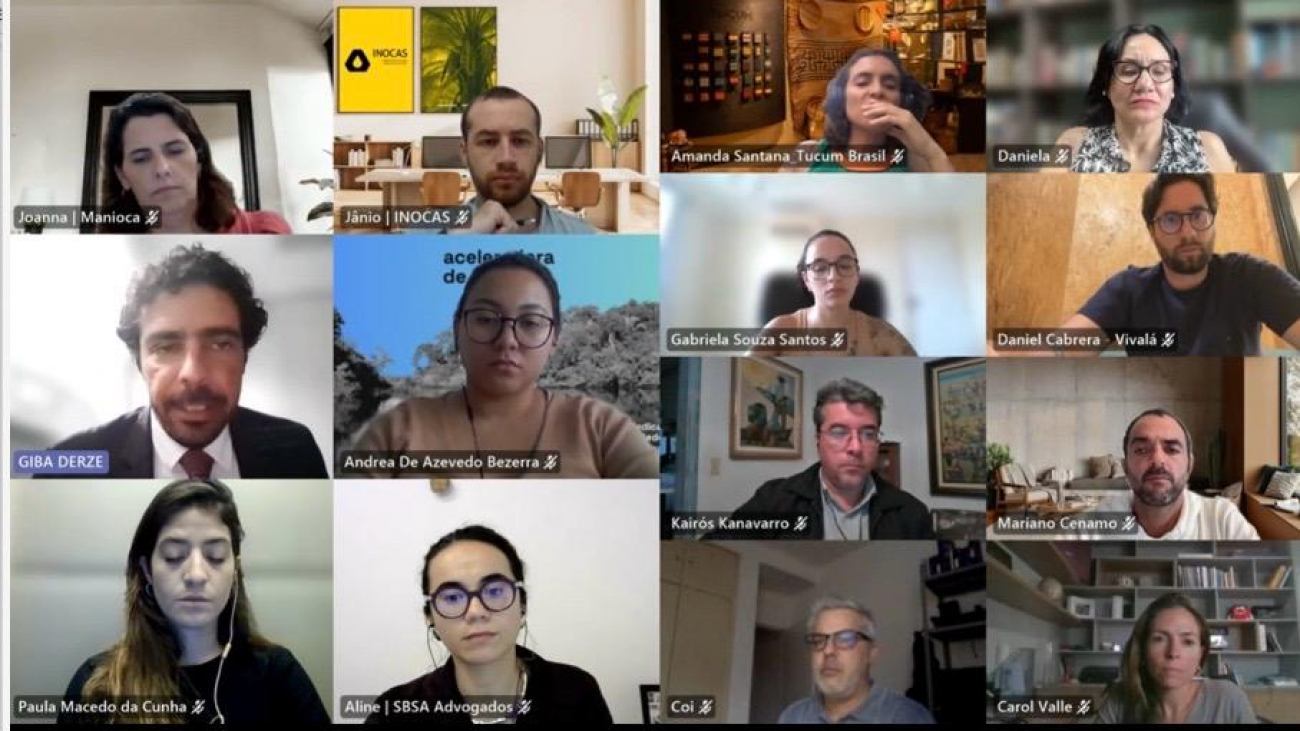
Amaz Aceleradora de Impacto, in partnership with SBSA Advogados, promoted a remote meeting of the “Acceleration Journey”. Held on June 5, the meeting had more than 30 participants and addressed several issues of legal and contractual importance for accelerated businesses.

Gabriela Souza, operations leader at Amaz, highlights that the objective of the “Journey” is to create a space for ideas to mature.

“This was the first online meeting of the community together with all the businesses that are part of our portfolio. […]. The idea is that these meetings will be recurring to address issues that generate knowledge, debates and exchange of experiences among entrepreneurs.”, points out the Amaz manager.

The main topic of discussion was the National Registry of Impact Enterprises (Cadimpacto). The platform, launched in March by the Ministry of Development, Industry, Commerce and Services (MDIC), seeks to map and provide visibility to companies, initiatives and commercial activities throughout Brazil that align financial results with positive socio-environmental impacts.

Furthermore, Cadimpacto presents itself strategically for future partnerships, investments and public policies.

The deadline for joining is June 30th via the link: https://www.gov.br/pt-br/servicos/solicitar-cadastramento-na-plataforma-do-cadastro-nacional-de-empreendimentos-de-impacto-cadimpacto. Registration follows Bronze, Silver and Gold levels — which are defined according to the degree of business maturity, financial sustainability and impact measurement.

Debates

In addition to “Cadimpacto”, the meeting addressed other important legal concepts, such as “sector 2.5” and “certified B Corp”. One of the moments was reserved for the concept of “impact business”, created by Decree 11.791/2023 and which serves as a guide for the creation of public policies.

Another discussion dealt with the regulation of the concept of “benefit corporation” (in Portuguese, “benefit societies”), which is still being processed, through Bill (PL) No. 3,284/2021 in the National Congress.

Tucum, a company specializing in connecting people with indigenous art and aesthetic expressions, participated in the debates through its founder Amanda Santana. The business holds the B Seal, which recognizes initiatives committed to positive socio-environmental impact. 

“We began our search for the B Seal from the beginning (of the business), twelve years ago. Something we did in the second contract change was to include a clause, committing ourselves to transform the company into a 'B Corp', based on social and environmental impacts and above profit,” highlights the entrepreneur.

She recognizes the importance of certification, but points out limitations in the current system and points to be corrected.

 “The tool really needs improvements, because it looks at the (socio-environmental) impact, but I think it is not capable of evaluating the type of impact we have, because, as businesses in the Amazon, we could score much more, but many of our practices are not even considered,” he concludes.